Nutrition5 min read
Spirulina Biotic Powder: Benefits, Nutrition Facts and Its Role in Cancer Nutrition
Dr. Vrundali Kannoth
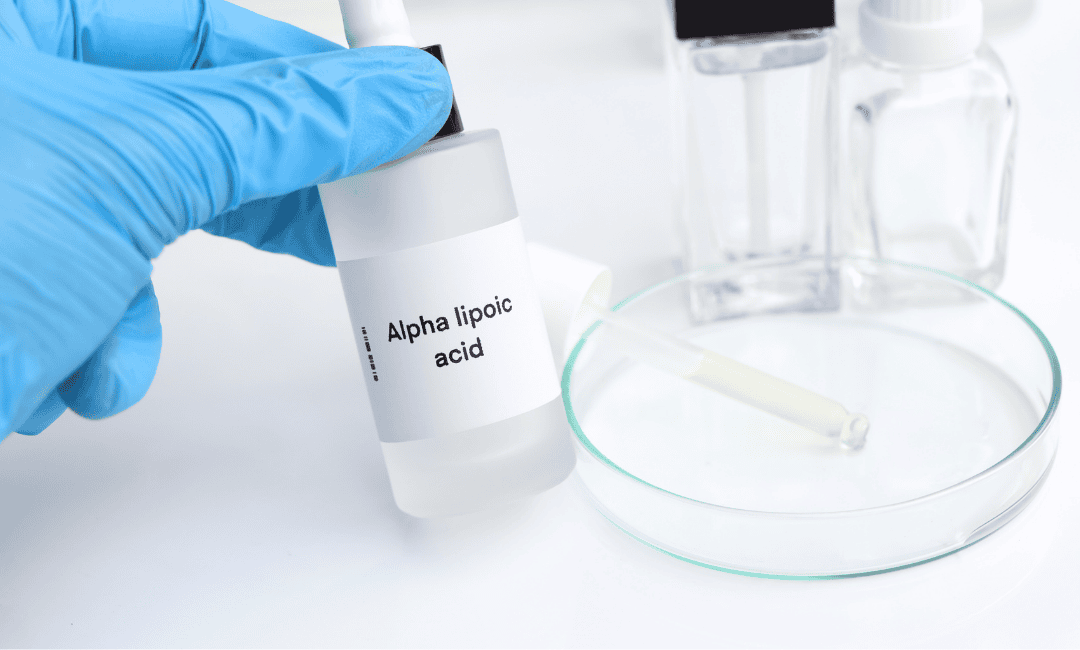
When it comes to protecting your cells, most natural antioxidants have strict limitations. Some only work in water, others only in fat.
But there is one rare, powerful defender, called alpha lipoic acid (ALA), that can move through every single part of a cell to fight damage and help in advanced treatments.
Since it can go anywhere in the body, it supports everyday wellness, protects healthy tissue, and even helps during cancer recovery.
In this guide, we’ll explore alpha lipoic acid uses, its unique properties, its role in your health, and treatment concerns.
Alpha lipoic acid is an organic sulfur-based compound that creates a bridge between cell energy production and antioxidant usage. It falls under the alpha lipoic acid category of organic compounds that mammalian cells naturally create in trace amounts.
Most standard commercial alpha lipoic acid supplements offer a 50/50 blend of a natural and a synthetic form.
However, the natural R form shows much higher potency and better tissue recognition in the body. Some of its unique properties are:
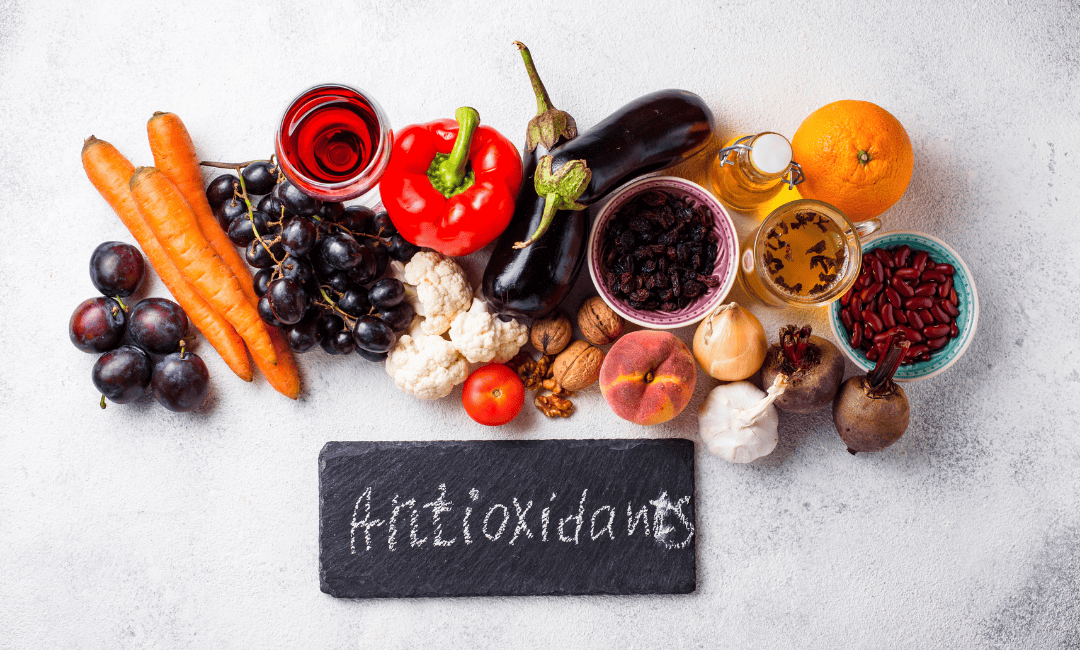
Alpha lipoic acid handles 3 main roles to keep cells healthy:
The systemic alpha lipoic acid supplement benefits are often compared to the roles of coenzyme Q10 and selenium supplements. ALA directly relates to how it manages metabolic pathways and lowers chronic inflammation:
The compound improves glucose balance by stimulating sugar consumption in muscles and fat cells during cancer care.
Clinical trials show that oral intake significantly lowers fasting blood sugar, circulating fats, and HbA1c levels in people with type 2 diabetes.
It fights cardiovascular stress by reducing inflammation triggers. This action lowers blood vessel injury and helps vessels relax and expand normally to protect your heart health.
As your brain ages, it can accumulate transition metals like iron that trigger cellular damage.
Alpha lipoic acid acts as a natural metal binder, clearing excess buildup and restoring antioxidant levels to protect you against nerve decline.

The primary clinical uses of an alpha lipoic acid supplement span nerve care, weight support, cancer fatigue, and skin health:
High blood sugar can cause burning and stabbing pain in the hands and feet. A 3-week intravenous alpha lipoic acid treatment significantly reduces these symptoms.
While standard daily pills show mixed results on their own, combining them with B-vitamins effectively lowers nerve pain within 12 weeks.
The supplement helps reduce appetite and boosts how the body burns energy. It can lead to modest, short-term fat reduction or help manage cancer weight loss, particularly during the first 10 weeks.
When paired with a calorie-restricted diet, it has helped individuals lose 5% or more of their body weight.
Used in skin creams, it helps smooth fine lines and fade dark spots. It protects skin collagen from sun damage and balances uneven skin tone.
Evaluating alpha lipoic acid cancer support requires balancing laboratory discoveries with the practical realities of medical treatment:
In cell studies, the molecule can slow down the multiplication of breast, colorectal, and prostate cancer cells. These early findings have led to trials exploring its role alongside standard care.
Many core cancer therapies, like radiation and chemotherapy, rely on creating free radicals to destroy tumour cells.
As alpha lipoic acid is a potent antioxidant supplement, it can neutralise these free radicals and lower treatment effectiveness.
Standard oncology guidelines recommend avoiding antioxidant supplements during active treatment.
While helpful for diabetic nerve issues, clinical trials show it does not prevent nerve damage caused by chemotherapy.
In a study of 243 cancer patients, high oral doses provided no symptom relief and caused severe nausea, leading most participants to stop early.
A normal diet provides only 1-2 mg of alpha lipoic acid daily from sources like red meat, organ meats, spinach, and broccoli.
As your body breaks down dietary forms quickly, supplements are needed to reach beneficial levels.
However, standard supplement ALA (natural and synthetic, as mentioned) breaks down easily with heat.
To fix this, scientists created Sodium R-Lipoate (Na-R-ALA), a stable form that improves absorption and stomach comfort.
| Feature | Standard ALA | Sodium R-Lipoate (Na-R-ALA) |
|---|---|---|
| Form | 50% natural / 50% synthetic mix | 100% stabilized natural salt |
| Water solubility | Poor | Complete |
| Bioavailability | Around 20% to 40% | Up to 3 times higher blood levels |
| Stomach comfort | Can cause mild heartburn | High comfort |
The ideal alpha lipoic acid dosage depends entirely on your health goal:
Be careful when mixing this supplement with other therapies:
Always consult with your healthcare provider about when to take alpha lipoic acid, especially during and after your cancer treatment.
While generally safe at standard doses, reviewing alpha lipoic acid safety rules helps avoid unexpected complications.
Most alpha lipoic acid side effects are mild and short-lived, including:
There are, however, a few health warnings associated with ALA:
Alpha lipoic acid is a unique antioxidant that dissolves in both water and fat. While it helps manage nerve pain and aids healthy living, using it during cancer treatment requires caution.
As it can interfere with chemotherapy and radiation, always consult their medical team first.
Navigating cancer care can feel confusing when balancing treatments, nutrition, and side effects. Everhope offers expert-led oncology care to help patients and families understand their options.
Our team can support you with specialist consultations, treatment planning, and oncology nutrition.
Choose the natural R form or Sodium R-Lipoate for better absorption and stomach comfort. Always consult your oncologist or the Everhope team before starting.
Red meat, organ meats, spinach, and broccoli contain tiny amounts. However, diet only provides 1–2 mg daily, which isn't enough for therapeutic alpha lipoic acid benefits.
It's a powerful antioxidant, not a vitamin. The body creates it naturally to generate energy. Uniquely, it dissolves in both water and fat to protect cells.