Nutrition5 min read
Spirulina Biotic Powder: Benefits, Nutrition Facts and Its Role in Cancer Nutrition
Dr. Vrundali Kannoth
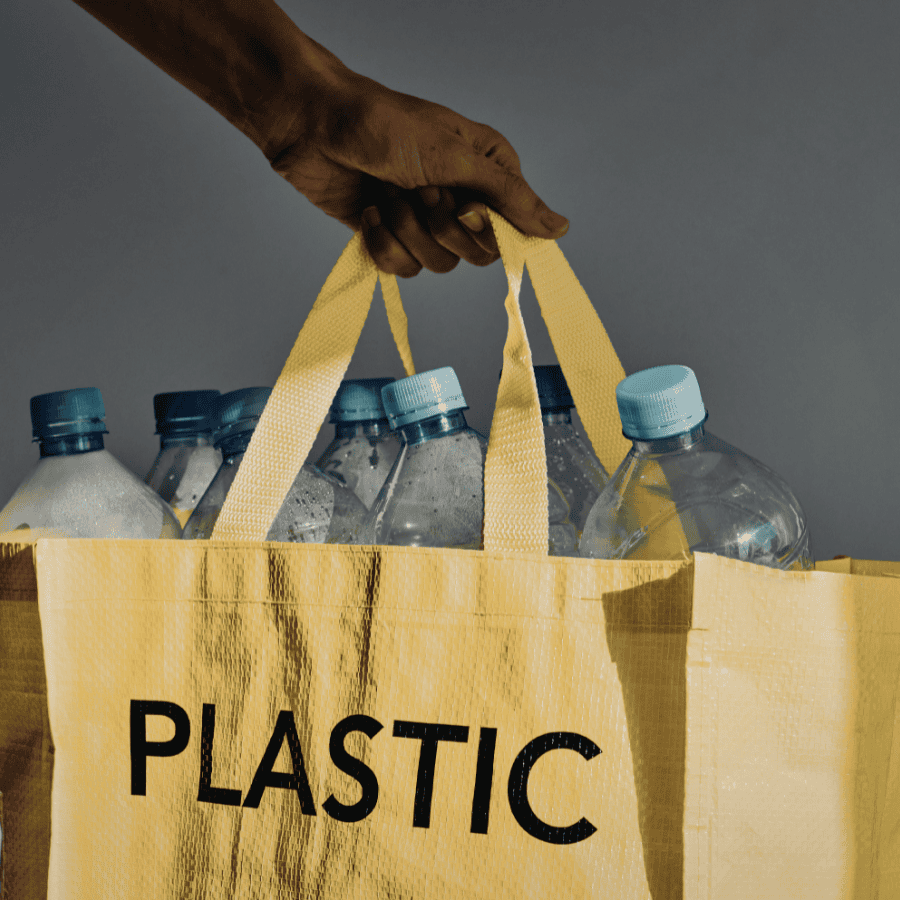
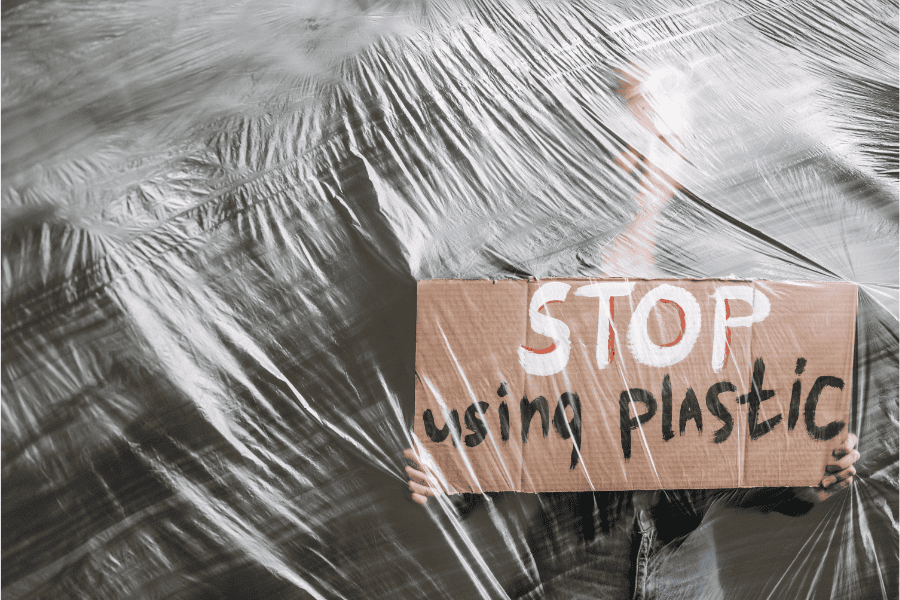
Look around your kitchen right now. How many plastic containers do you see? Water bottles, food storage boxes, takeaway containers, cling film, and cooking utensils.
Plastic surrounds us constantly. We eat from it, drink from it, store our food in it, and heat our meals in it. Most of us never question whether this daily exposure might harm our health.
But lately, you've probably seen alarming headlines about plastic and cancer. Maybe you've wondered if that microwave-safe container is truly safe. Or whether reusing your water bottle could be dangerous.
These concerns are valid. Let's separate genuine concerns from overblown fears and discuss practical steps to protect you and your family.
Can plastic cause cancer? This question requires a nuanced answer because plastic isn't a single substance but thousands of different polymers and chemical additives.
Current research shows that plastic itself (the polymer chains) likely doesn't directly cause cancer. The concern centres on the chemical additives manufacturers use to make plastics flexible, stable, or colourful.
You should remember that, regarding plastic and cancer risk, certain additives are classified as endocrine disruptors, meaning they interfere with hormone systems. Since hormones influence cancer development, this creates legitimate concern. How can plastic cause cancer involves multiple potential pathways: direct DNA damage from certain chemicals, hormonal disruption promoting hormone-sensitive cancers, chronic inflammation from plastic particles, and immune system effects from chemical exposure.
Understanding how does plastic cause cancer requires knowing which chemicals create concern.
BPA makes plastic hard and clear, commonly used in water bottles, food containers, and tin can linings. It mimics oestrogen in your body, potentially influencing breast, prostate, and reproductive cancers.
Does BPA free plastic cause cancer? Unfortunately, BPA replacements (BPS, BPF) show similar endocrine-disrupting properties in research. BPA-free doesn't necessarily mean safe.
These chemicals make plastic soft and flexible, found in food packaging, vinyl flooring, and medical tubing. Research links phthalates to breast cancer risk and reproductive system effects.
Called "forever chemicals" because they don't break down, PFAS are used in non-stick coatings and grease-resistant packaging. Studies associate PFAS exposure with kidney and testicular cancers.
So, do non stick pans cause cancer? PFAS in non-stick cookware raised concerns, though newer PFOA-free versions may be safer. Still, scratched non-stick coatings warrant replacement.
Found in polystyrene (styrofoam) food containers and cups. The International Agency for Research on Cancer classifies styrene as possibly carcinogenic. Hot food in plastic bags can cause cancer concerns, often involving styrene migration into food.
Research found that people with the highest plastic chemical exposure levels showed elevated biomarkers associated with cancer risk.
Heating plastic cancer concerns have a solid scientific basis. Heat accelerates chemical migration from plastic into food. The hotter the plastic gets and the longer the food contacts it, the more chemicals transfer. Here are a few microwave plastic cancer considerations: Even "microwave-safe" plastics release more chemicals when heated than at room temperature. Fat and oil in food enhance chemical transfer.

Hot food in plastic containers cause cancer through this migration process. Boiling or very hot food in plastic containers allows maximum chemical leaching. Studies have found that microwaving food in plastic containers increased BPA migration by several times compared to room temperature storage. So, eating in plastic plates cause cancer risk increases when hot food contacts with plastic directly. The combination of heat, fat, and contact time maximises chemical transfer.
You might also be wondering - can you get cancer from reusing plastic water bottles? The answer involves multiple factors beyond just cancer. Repeated use, washing, and sun exposure degrade plastic, potentially releasing more chemicals. Scratched or cloudy bottles show degradation. So, can plastic bottles cause cancer through normal reuse? Single-use bottles aren't designed for repeated washing and refilling. In fact, even hot car temperatures accelerate chemical leaching.
Then there is the bacterial growth. While not responsible for causing signs of cancer, bacteria multiply in reused bottles, creating health risks. Moist environment inside bottles becomes a bacterial breeding ground.
Research suggests plastic cancer risk from occasionally reusing water bottles is likely small compared to other exposures. However, dedicated reusable bottles made from stainless steel or glass eliminate both chemical and bacterial concerns.
According to studies, switching from disposable plastic bottles to reusable alternatives reduces exposure to plastic chemicals.
Burning plastic causes cancer represents one of the most serious plastic-related health hazards. When plastic burns, it releases toxic compounds including:
Cancer due to plastic burning affects entire communities, as open burning of waste in India contributes significantly to air pollution. Workers at informal waste sites burning plastic face particularly high exposure.
Air pollution and lung cancer connections include plastic burning as a significant contributor. These toxic fumes don't just affect nearby residents but also contaminate food chains when deposited on crops and in water.
Separating cancer myths from legitimate concerns helps you focus on meaningful precautions.
Reality: Freezing doesn't release dioxins. This viral claim has no scientific basis. Dioxins form during burning, not freezing.
Reality: Is plastic cancerous depends on type, exposure level, and duration. Occasional contact with appropriate food-grade plastics likely poses minimal risk. Chronic exposure to certain types warrants concern.
Reality: Chemicals are incorporated throughout plastic material, not just surface coatings. Washing may remove residues, but it doesn't eliminate chemicals within the plastic itself.
Reality: Microwave-safe means plastic won't melt or warp, not that zero chemicals migrate. All plastics release more chemicals when heated.
Remember: Focus on reducing exposure to known problematic plastics (particularly when heated), avoiding single-use plastics when possible, and using glass or stainless steel for storage and heating.
Practical how to prevent cancer steps related to plastic exposure include simple daily habit changes.
Safe food storage practices:
Heating and cooking guidelines:
Water bottle choices:
Household product selection:
Plastic and cancer connections extend beyond direct contact to environmental contamination.
Microplastic contamination:
Plastic breaks down into microscopic particles contaminating water, soil, and food chains. Research detects microplastics in seafood, drinking water, salt, and even human blood. Long-term health effects of ingesting microplastics remain unknown, though preliminary research suggests inflammatory responses and potential cellular damage.
Food chain accumulation:
Plastic chemicals accumulate in fish and animal tissues. When we consume contaminated seafood or meat, we ingest concentrated chemical loads.
Water supply concerns:
Microplastics and plastic chemicals contaminate water sources globally. Even bottled water contains microplastics, often at higher levels than tap water.
Air pollution:
Plastic causes cancer concerns include airborne plastic particles from degradation, industrial processes, and burning. These particles enter our lungs directly. According to the World Health Organization, environmental plastic contamination represents an emerging global health concern warranting urgent action at policy levels.
Can plastic cause cancer? Current evidence suggests certain plastic chemicals potentially increase cancer risk through hormonal disruption, inflammation, and DNA damage, though definitive proof remains incomplete. Plastic cancer concerns shouldn't cause panic but should motivate reasonable precautions. Avoiding heating food in plastic, choosing glass or stainless steel containers, and reducing single-use plastic consumption represent simple protective measures. Plastic containers and cancer research continues evolving. Until definitive answers emerge, precautionary approaches make sense, particularly for vulnerable populations including children, pregnant women, and cancer patients.
Remember, what causes cancer involves multiple factors. Plastic exposure is one potential contributor among many cancer risk factors, including genetics, lifestyle, and environmental exposures.
For comprehensive guidance on reducing environmental toxin exposures during cancer treatment or prevention, connect with experienced oncology specialists who can provide personalised risk assessment and protective strategies.
BPA-free plastics often contain similar chemicals (BPS, BPF) with comparable endocrine-disrupting properties. Current evidence suggests BPA-free isn't necessarily safer. Glass and stainless steel remain best alternatives.
Check recycling codes: avoid 3 (PVC), 6 (polystyrene), and 7 (polycarbonate containing BPA). Codes 2 (HDPE), 4 (LDPE), and 5 (PP) are considered relatively safer, though still shouldn't be heated.
Research is ongoing. Early studies suggest microplastics trigger inflammation, may carry toxic chemicals, and potentially affect cellular function. Long-term health consequences including cancer risk remain under investigation.