Nutrition5 min read
Spirulina Biotic Powder: Benefits, Nutrition Facts and Its Role in Cancer Nutrition
Dr. Vrundali Kannoth

Have you been coughing for weeks now, and it's not getting better despite the antibiotics your doctor prescribed for a chest infection?
Perhaps you've also noticed you're losing weight without trying, feeling more tired than usual, or occasionally seeing spots of blood when you cough.
These symptoms are frightening enough on their own, but when you search online, you find they could indicate either tuberculosis or lung cancer.
Now you're caught between two worrying possibilities, unsure which one you're facing or how doctors will even tell the difference.
The truth is that tuberculosis and lung cancer can look remarkably similar, sometimes even fooling experienced doctors initially. But they're fundamentally different conditions.
Let’s walk you through the important distinctions so you understand what each condition actually is and how medical teams figure out which one you're dealing with.
Before we compare symptoms and complications, it helps to understand what these conditions actually are at a basic biological level.
Tuberculosis is an infectious disease caused by bacteria called Mycobacterium tuberculosis that primarily attacks your lungs, though it can spread to other organs as well. You catch TB by breathing in bacteria from someone with active infection who coughs or sneezes near you.
Once inside your lungs, these bacteria can remain dormant for years without causing any symptoms, a state called latent TB infection. Your immune system keeps them contained but doesn't eliminate them completely during this dormant phase. Active TB develops when these bacteria multiply and overcome your immune defences, causing inflammation and tissue damage in your lungs.
According to data, India accounts for approximately 27% of global TB cases, making it one of the most common serious infections affecting people across all age groups here.
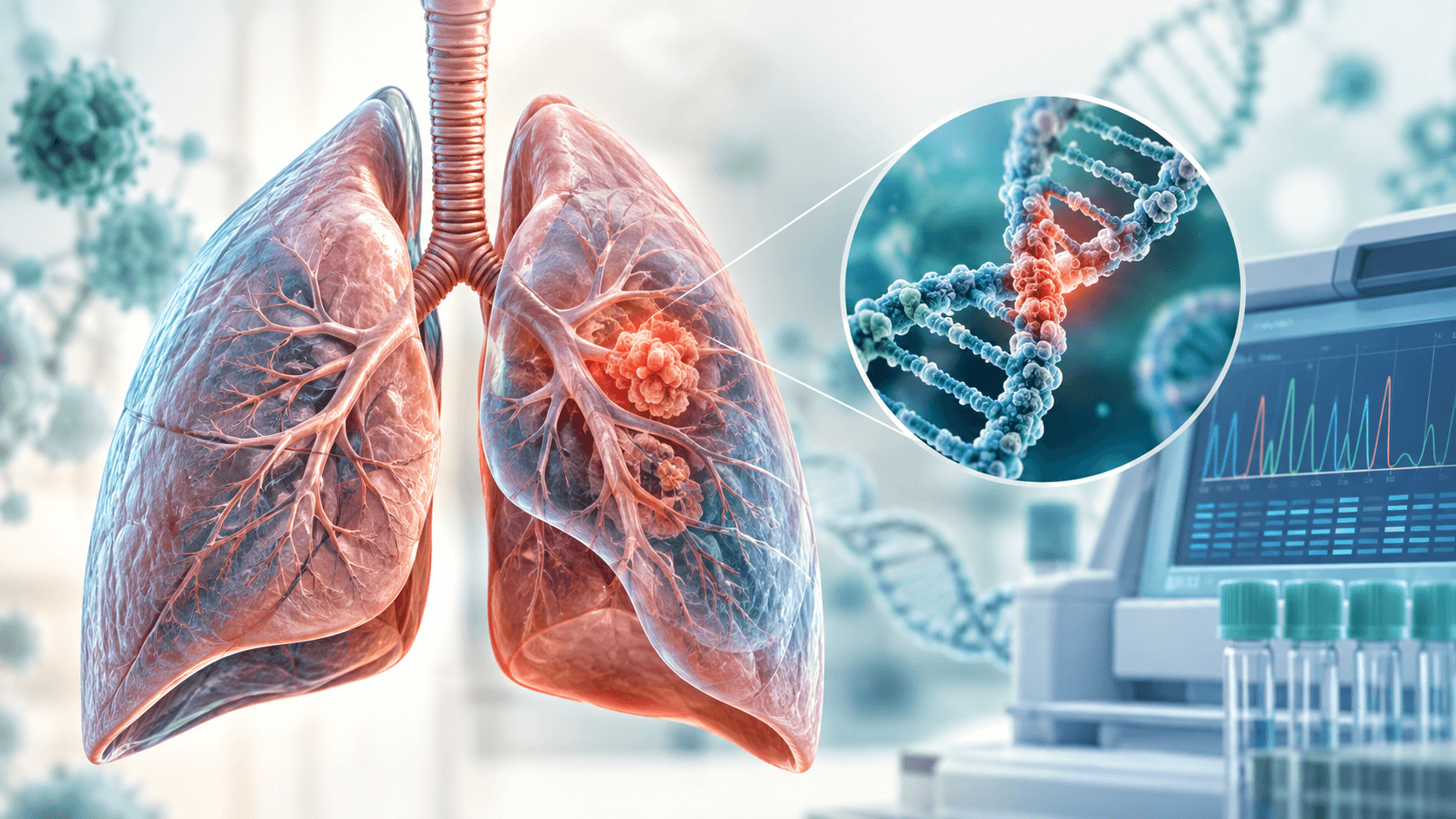
Cancer develops when normal cells in your body undergo genetic mutations that cause them to grow uncontrollably and invade surrounding tissues. Lung cancer specifically begins when cells lining your airways or lung tissue transform into malignant cells that multiply without normal restraints. Unlike TB which is infectious, you cannot catch cancer from another person, and it doesn't result from bacterial or viral infection in most cases. There are two main types: non-small cell lung cancer growing relatively slowly and small cell lung cancer which spreads aggressively and rapidly. Both create masses that show up on chest X-rays and scans, potentially looking similar to TB-related changes. While smoking rates explain some lung cancer cases in India, rising air pollution contributes significantly to the increasing burden amongst non-smokers as well.
The difference between TB and lung cancer becomes challenging because both conditions affect your lungs and produce overlapping respiratory and systemic symptoms.
Despite overlaps, careful attention to symptom patterns helps distinguish TB vs cancer symptoms in many cases.
Fever patterns: TB typically causes low-grade fever (37.5-38.5°C) that's often worse in evenings and associated with drenching night sweats. Lung cancer may cause fever but usually only in advanced stages or if infection develops.
Weight loss timeline: TB-related weight loss tends to be more dramatic and rapid over weeks to a few months. Cancer-related weight loss often occurs more gradually over several months unless the cancer is very advanced.
Sputum characteristics: TB often produces thick, sometimes yellowish or greenish mucus due to infection and inflammation. Lung cancer may produce blood-streaked sputum but typically less purulent discharge unless secondary infection develops.
Response to antibiotics: TB symptoms may show partial improvement with broad-spectrum antibiotics initially but won't resolve completely without TB-specific treatment. Lung cancer symptoms don't respond to antibiotics at all unless secondary infection exists.
Age and risk factors: TB can affect anyone but is more common in younger adults and those with risk factors like HIV, diabetes, or malnutrition. Lung cancer predominantly affects older adults (over 50) with smoking history or significant pollution exposure.
One of the most challenging aspects of TB or cancer diagnosis is how tuberculosis mimicking signs of cancer appears on imaging studies and even physical examination.
Chest X-ray similarities:
Both conditions can create masses or nodules in your lungs that appear as white areas on X-rays. TB forms granulomas (clusters of immune cells surrounding bacteria) that look similar to cancerous tumours on standard films. Upper lobe involvement is common in both reactivation TB and certain lung cancers, making location alone insufficient for diagnosis. Cavitary lesions (holes in lung tissue) can occur with both advanced TB and necrotising lung cancers.
CT scan confusion:
Even detailed CT scans sometimes struggle to distinguish between the two conditions reliably. Both can show irregular masses, lymph node enlargement, and pleural involvement that look remarkably similar.
PET scan limitations:
PET scans detect metabolically active tissue by measuring glucose uptake, lighting up both cancer cells and areas of active infection. TB causes intense inflammation with high metabolic activity, creating "hot spots" that can be mistaken for cancer. Can TB lead to cancer? Basically, it represents a particularly challenging clinical scenario that occurs more often than you might expect.
The relationship between lung cancer and tuberculosis association extends beyond diagnostic confusion to actual coexistence and increased susceptibility.
Cancer treatment including chemotherapy suppresses your immune system, making you more susceptible to infections including tuberculosis. Your body's normal ability to keep latent TB contained weakens during cancer therapy.
Can TB cause lung cancer? It can develop either from reactivation of old latent infection or new exposure to active TB cases. The immunosuppression from cancer itself, plus its treatments creates perfect conditions for dormant bacteria to become active.
Research shows that cancer patients face 5-10 times higher TB risk compared to the general population.
Treating cancer patients with TB requires careful coordination between oncologists and infectious disease specialists because some TB medications interact with cancer treatments. Additionally, both TB treatment and cancer treatment can stress your liver, requiring close monitoring of liver function tests throughout therapy. Sometimes cancer treatment must be delayed until TB is under control, particularly if the patient is severely ill. Moreover, TB cancer patients need isolation from other cancer patients until TB treatment has rendered them non-infectious, typically after 2-3 weeks of appropriate antibiotics. This protects other immunocompromised patients from exposure.
Given the overlapping presentation, how do doctors definitively determine is tuberculosis cancer or separate conditions, and what happens once diagnosis is clear?
Sputum examination: Multiple sputum samples examined under microscopy for TB bacteria (acid-fast bacilli) and sent for culture and sensitivity testing.
For cancer, sputum cytology looks for malignant cells shed from tumours into airways, though sensitivity is limited and negative results don't exclude cancer.
Bronchoscopy and biopsy: A flexible tube with camera inserted through your nose or mouth into airways allows direct visualisation and tissue sampling. Biopsies of suspicious areas provide tissue for both TB culture and cancer pathology examination.
This single procedure can often identify which condition you have by examining tissue under microscope and performing special stains distinguishing bacteria from cancer cells.
Blood tests: Interferon-gamma release assays (IGRA) like QuantiFERON detect TB exposure but can't distinguish active from latent infection. Tumour markers have limited utility for lung cancer diagnosis but may help monitor treatment response.
Imaging-guided biopsy: CT-guided needle biopsy allows sampling of lung masses too peripheral for bronchoscopy to reach, obtaining tissue for both microbiological and pathological analysis.
TB treatment: Standard TB treatment involves 6 months of multiple antibiotics. Treatment is highly effective, curing over 85% of patients who complete the full course.
Lung cancer treatment: Treatment depends on cancer type and stage, ranging from surgery for early disease to chemotherapy, radiation, targeted therapy, or immunotherapy for advanced cases.
Understanding the difference between tuberculosis and cancer matters because these conditions require completely different treatments.
Can TB cause cancer? No, tuberculosis doesn't transform into cancer, though chronic inflammation from any source including TB may slightly increase cancer risk factors over decades. As a result, TB causes cancer isn't accurate, though both can coexist in the same patient.
Can TB be mistaken for lung cancer? Absolutely, and this happens regularly even to experienced doctors based on symptoms and scans alone. That's why tissue diagnosis through biopsy or definitive microbiological testing is essential before starting treatment. So, is TB and cancer related? Only in the sense that cancer treatments make you vulnerable to TB infection, and having TB doesn't mean you have cancer despite symptom overlap.
For a thorough evaluation of persistent respiratory symptoms, proper cancer diagnostics, or coordinated care if you have both conditions, connect with experienced pulmonologists and oncology specialists who can provide accurate diagnosis and appropriate treatment.
Yes, CT scans frequently show similar appearances for both conditions including masses, nodules, and lymph node enlargement. Both create metabolically active areas on PET scans.
Yes, smoking significantly increases lung cancer risk regardless of TB status. The combination of smoking-related damage plus chronic TB inflammation may compound cancer risk over time.
Chronic TB may slightly increase lung cancer risk due to ongoing inflammation and scarring, though evidence is limited. More significantly, TB treatments don't cause cancer, and successfully treated TB doesn't increase future cancer risk beyond the general population.