Nutrition5 min read
Spirulina Biotic Powder: Benefits, Nutrition Facts and Its Role in Cancer Nutrition
Dr. Vrundali Kannoth
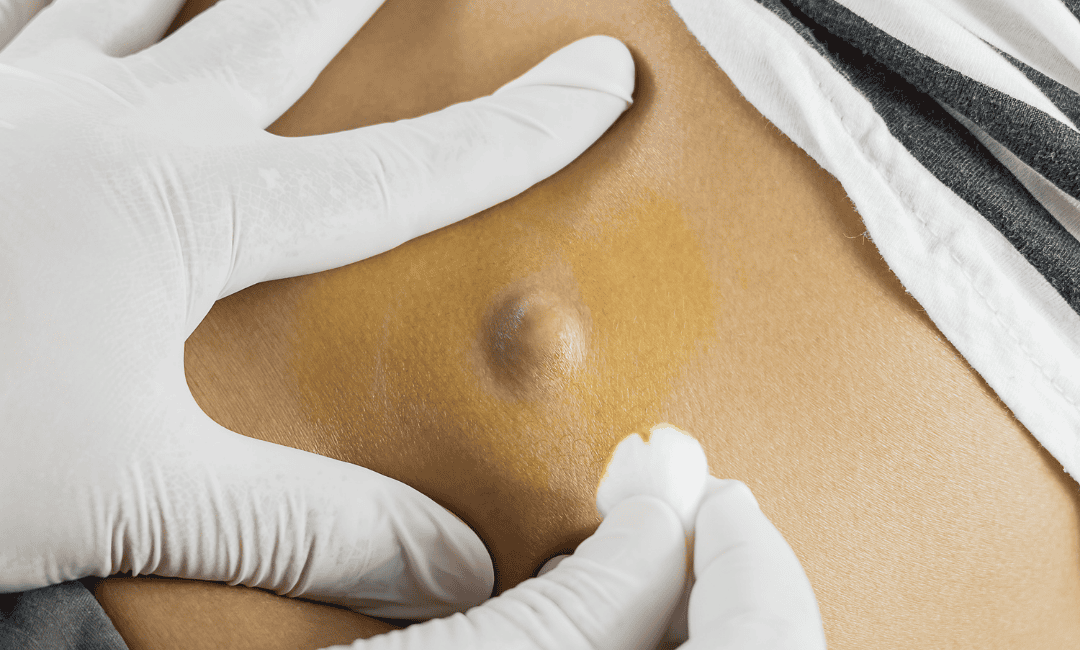
Finding a lump on your body can instantly trigger worry. Your thoughts may jump to worst-case scenarios, leaving you feeling anxious, overwhelmed, or unsure about what it might mean for your health. These reactions are completely natural.
Take a moment to breathe, though, because most lumps are not cancerous. Many are caused by harmless and treatable conditions, such as cysts, that are far more common than you may realise. A cyst and a tumour may sometimes feel similar, but they are not the same.
This article will discuss the difference between cyst and tumour, helping you understand what symptoms to notice and what comes next, so you can feel calmer, understand what comes next, and seek the right care with confidence and peace of mind.
A cyst is a closed sac or pocket of tissue filled with fluid, semi-solid material, or air rather than solid tissue. Cysts can form almost anywhere in the body, but are most commonly found on the skin, inside organs, around joints, or within bones. A few cyst vs tumour points to remember:
Learning about common cyst types can help you better understand the broader cyst vs tumour comparison.
| Type of cyst | Where it occurs | Key features |
|---|---|---|
| Epidermoid (epidermal inclusion) cyst | Skin (face, neck, scalp, trunk) | Slow-growing, dome-shaped lump filled with keratin |
| Sebaceous cyst | Hair follicles under the skin | A common term often referring to epidermoid cysts |
| Ovarian cyst | Ovary | Fluid-filled sac related to the menstrual cycle or ovarian tissue |
| Breast cyst | Breast tissue | Common benign cause of breast lumps |
| Ganglion cyst | Near joints or tendons (wrist, hand) | Filled with thick, jelly-like fluid |
| Baker’s cyst | Behind the knee | Linked to arthritis or joint inflammation |
| Pilonidal cyst | Near tailbone | May contain hair and skin debris; can become infected |
| Renal (kidney) cyst | Kidneys | Usually simple, fluid-filled, and often harmless |
You might ask, is a cyst a tumour, or whether cyst and tumour are the same. Understanding the differences between a benign tumour vs cyst comparison helps explain why many lumps do not require aggressive treatment.
Unlike a cyst, which is filled with fluid or soft material, a tumour is made of living cells forming solid tissue. As they appear similar at first, both cysts and tumours can look or feel like lumps under the skin or inside your body.
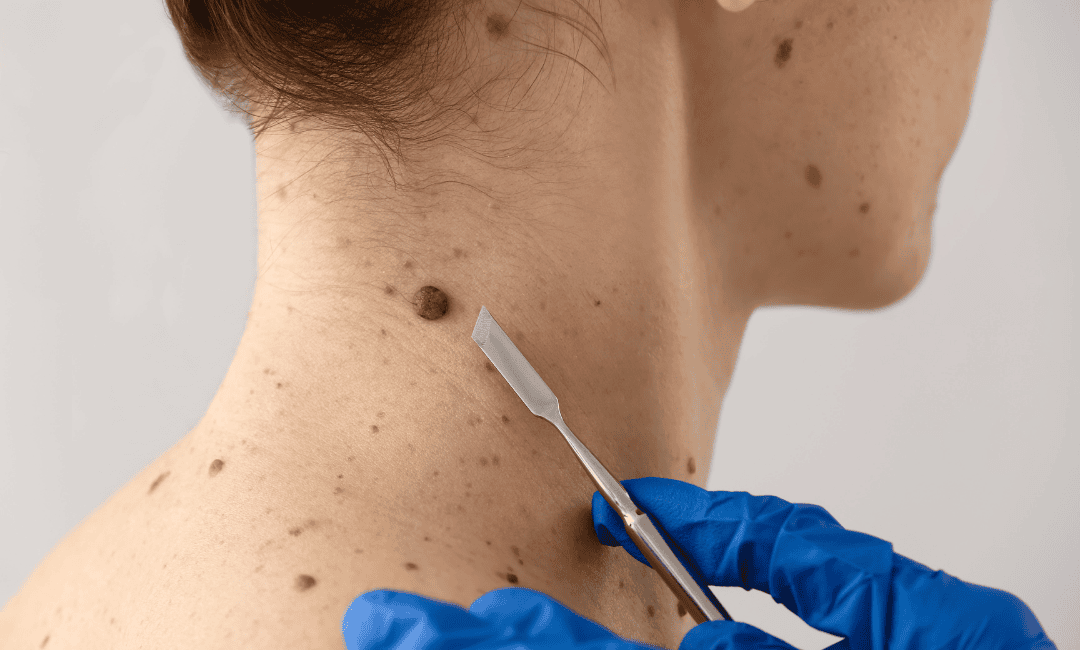
But characteristically, cyst vs tumour comparison can be clearer when symptoms are examined together:
While not absolute, cysts and tumours are quite different to touch and feel.
In general, cysts often feel soft or squishy, and they may move slightly under the skin when pressed. They can also become tender or painful if irritated or infected.
Tumours, on the other hand, may feel firmer like a small pebble and may seem less movable. Cysts usually grow slowly, while tumours can grow at different speeds.
The cyst and tumour difference mainly lies in what the lump is made of. Understanding this cyst to tumour difference helps oncologists decide the next steps.
Cysts may cause discomfort or infection, but rarely become cancerous. Tumours are more wide in range. Many are benign, but malignant tumours can grow and spread. You do not need to fear lipoma cancer, as these tumours are usually benign.
Oncologists pay close attention to classify growths into benign and malignant tumours, which include rapid growth, fixed lumps, unexplained weight loss, persistent pain, and unusual bleeding.
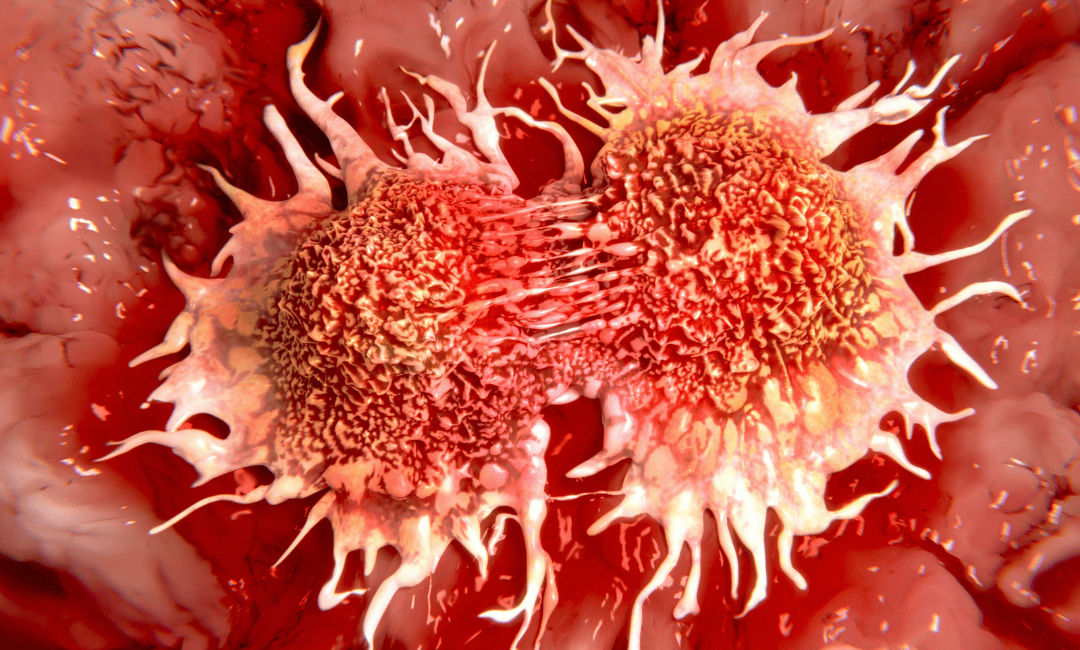
Understanding the difference between tumour and cancer is critical, since not every tumour behaves like cancer or spreads through the body. But if you notice a new or changing lump, seek advice as soon as possible.
Cysts and tumours are usually found during scans or checkups, mostly by chance. In the earlier stages, if symptoms do appear, they can look very similar at first for both.
When comparing cyst vs tumour, common symptoms you might notice are:
Cysts often show symptoms that are gentler and more predictable. They may cause:
Possible tumour signs include:
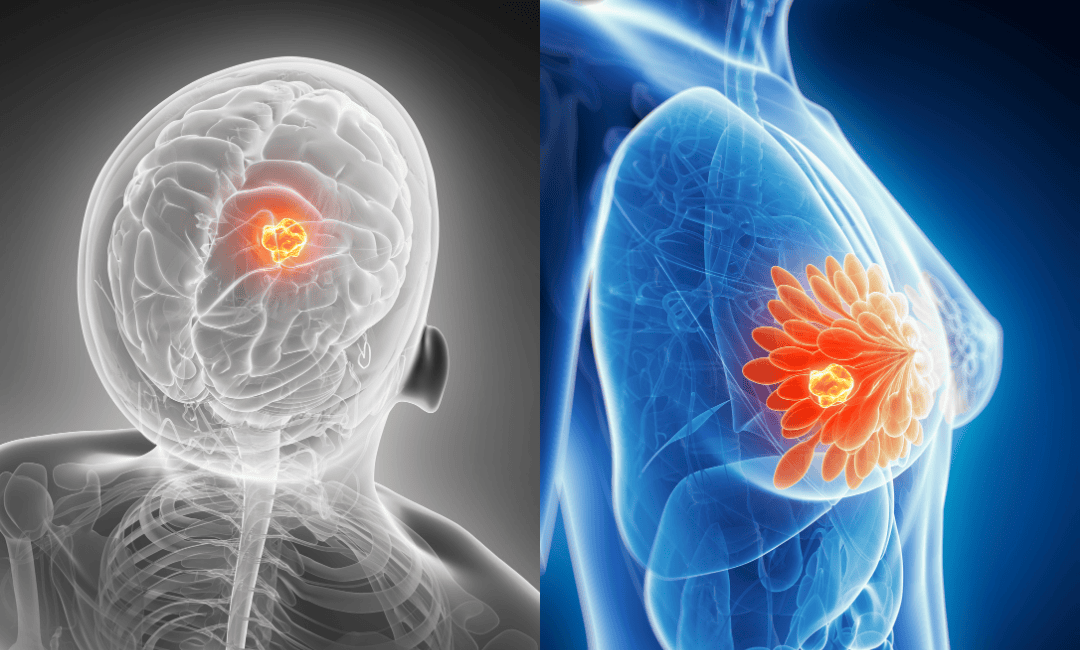
Finding a lump can make you feel rushed for answers, but oncologists approach cyst vs tumour diagnosis carefully to avoid assumptions and provide certainty:
Your diagnosis would begin with your oncologist or pathologist asking when you first noticed the lump.
The questions are likely to stretch to how it has changed in size, and if you have experienced pain or symptoms such as fatigue or weight changes. If it’s noticeable, during the physical exam, they check the lump’s size, texture, movement, tenderness, and any skin changes.
These observations, however, cannot confirm whether a lump is a cyst or a tumour, and further testing helps determine if it is a cyst or tumour requiring treatment.
Imaging helps confirm the difference between cyst and tumour accurately and guides care decisions.
The first test is often an ultrasound, which can quickly show if a lump is likely a harmless cyst. For further evaluation, mammography with ultrasound may be used for breast lumps.
If needed, CT scans provide detailed views of deeper organs, while MRIs offer clearer images of soft tissues and complex areas.
PET-CT scans are rarely required but may assess tumour activity. In most cases, these tests help oncologists determine whether a lump is a cyst or tumour, though additional testing may be needed for a cancer diagnosis.
If imaging tests fail to give a clear answer, your oncologist may suggest a biopsy. In some cases, a thin needle is used to draw out fluid from the cyst, which can also help ease discomfort.
For a more detailed evaluation, a core needle biopsy removes a small tissue sample for closer study. A biopsy is the most reliable way to find answers and often brings much-needed reassurance and peace of mind.
Depending on the type, characteristic, and location of the lump, oncologists create personalised treatment plans. Some of them are:
| Situation | Treatment approach | What this means for you |
|---|---|---|
| No treatment needed | Monitoring with checkups or scans | Many cysts and benign tumours are safely watched over time |
| Symptomatic cysts | Drainage or fluid removal | Relieves pain, pressure, or infection |
| Recurrent or bothersome cysts | Surgical removal | The entire cyst removed to prevent it from coming back |
| Cysts linked to another condition | Treat the underlying cause | Managing hormones, joints, or inflammation may help |
| Benign tumours | Observation or surgery if needed | Removed only if causing symptoms or concern |
| Malignant tumours (cancer) | Surgery, medicines, or radiation | Treatment depends on tumour type and stage |
| Complex or mixed tumours | Specialised cancer care | Managed according to the specific diagnosis |
Discovering a lump can feel overwhelming, but you are not without answers. Most lumps turn out to be harmless conditions like cysts. But when further care is needed, modern medicine offers clear ways to understand and treat them.
Understanding cyst vs tumour is often the first step toward replacing fear with clarity. With timely evaluation and the right oncology team beside you, uncertainty can slowly give way to clarity and calm. The goal is not only diagnosis and cancer treatment, but reassurance, guidance, and compassionate support for long-term care.
Blood tests alone usually cannot tell whether a lump is a cyst or a tumour. They may provide supportive information, but imaging tests are needed to clearly identify the nature of a lump.
Not always. Many cysts do not require removal if they are painless and harmless. Removal is usually recommended only if a cyst causes pain, cosmetic concern, or shows unusual features.
Pain is often more common with cysts, especially if they become inflamed or infected. Many tumours, including cancerous ones, may not cause pain in early stages.