
Difference Between Tumor and Cancer: Key Facts Explained
On this page
Tumour means cancer is a common misconception that most of us share.
Here's the honest truth: not every tumour is cancer. They may be closely related in some cases, but not all abnormal growth means you have cancer. This difference between tumour and cancer is important to understand because it directly shapes your diagnosis and treatment path.
In this guide, we'll answer the common question does tumour mean cancer by explaining what these medical terms mean, how they differ, and what the treatment approach is for each.
What is a tumour?
A tumour is a mass of tissue that forms when cells grow abnormally. But tumour is cancer or not depends entirely on the type of cells involved.
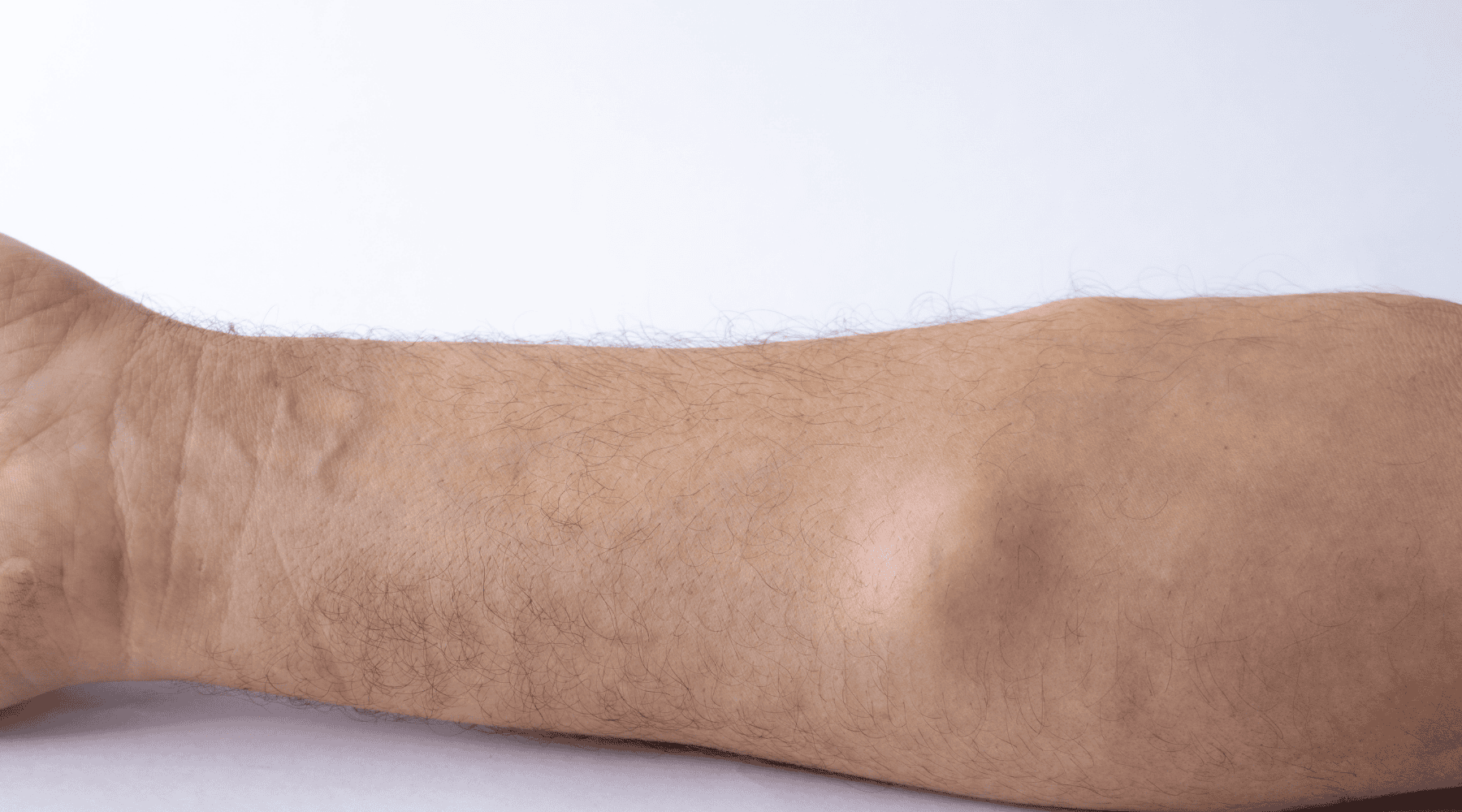
Your body's cells usually divide in an organised way, but sometimes this process goes wrong. When cells multiply without control, they create a tumour. These fall into two categories:
- Benign tumours stay in one place and do not spread to nearby tissue or other parts of the body. These are non-cancerous masses of cells that cause no harm unless they press on an organ or nerves. They can often be removed surgically, and many have a low chance of coming back.
- Malignant tumoursare cancerous in nature. They can invade surrounding tissues and spread through the bloodstream or lymphatic system to distant organs. This kind of cancer tumour requires timely medical evaluation and a treatment plan tailored to the cancer type and stage.
What is cancer?
Cancer is a condition where abnormal cells divide uncontrollably and destroy normal body tissue. Unlike benign conditions, cancer cells don't respect boundaries. They invade, spread, and disrupt organ function throughout the body.
There are over 100 types of cancer, categorised by where they start in the body or the types of cell they affect. Each of these behaves differently and requires specific treatment approaches.
Some grow silently for years without any cancer symptoms , while others might show visible signs of cancer based on their type and stage.
Tumour vs cancer : Key differences
Let's clear up the confusion around tumour and cancer difference.
Many people wonder if tumour and cancer are same. They don't, and understanding the distinction matters for your health decisions.
1. Cell behaviour
Benign cells look relatively normal. They have an organised structure with regular shapes and resemble the healthy tissue they originated from.
On the other side, cancer cells are abnormal with irregular shapes, oversized nuclei, and chaotic organisation.
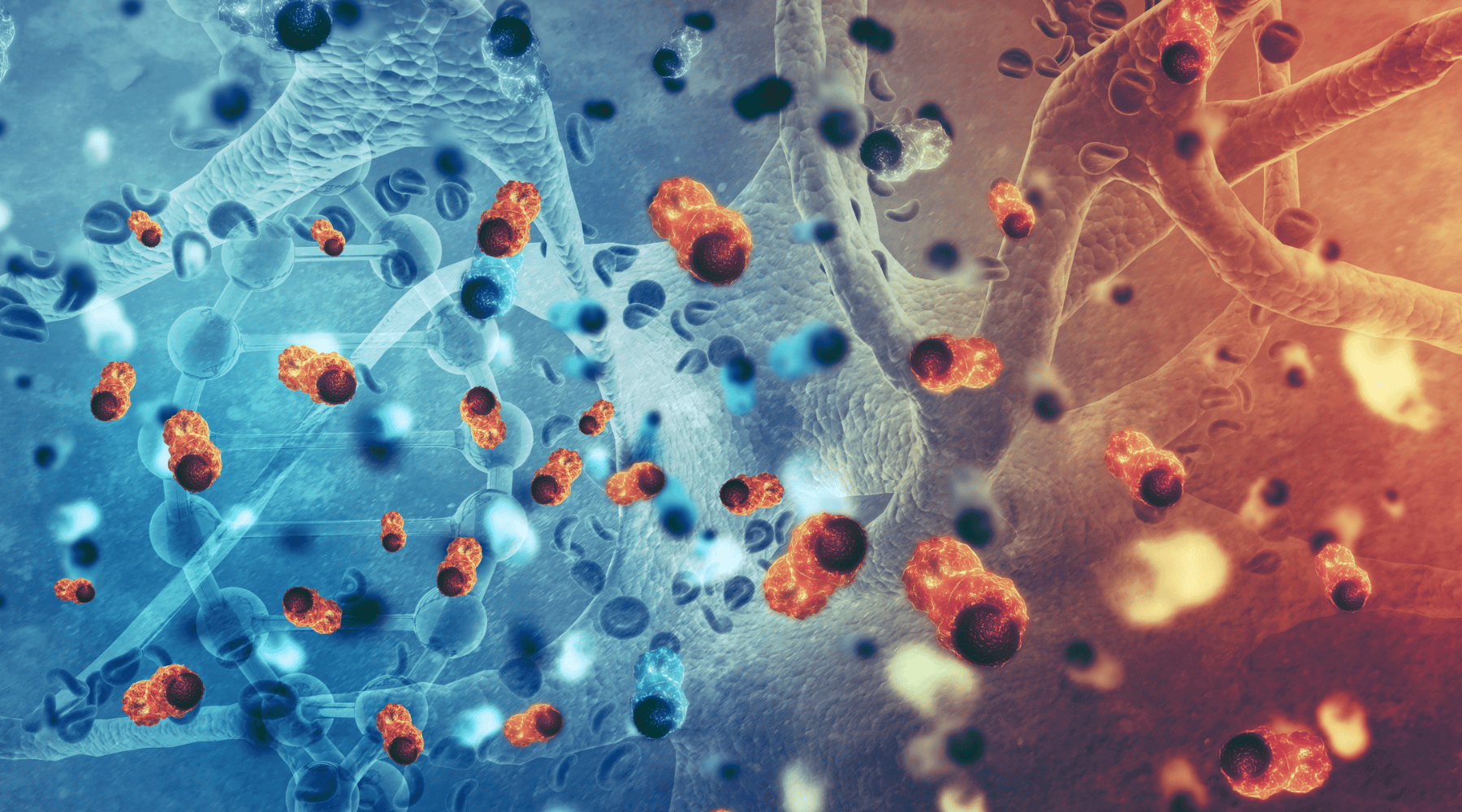
In that way, the difference between tumour and cancer cells becomes obvious. The cancer cells have lost their normal structure and divide rapidly, disregarding growth rules.
2. Growth pattern
Benign tumours often grow slowly and may have well-defined borders, but growth rate and appearance can vary. You can often see exactly where the tumour ends and normal tissue begins. They expand by pushing surrounding tissue aside rather than invading it.
Depending on its type and location, cancer usually grows slowly or fast. It has irregular projections that break through tissue boundaries and destroy normal structures as it expands.
Benign tumours do not metastasise (spread to distant organs). Most stay local, though a few rare benign tumours can be locally aggressive.
A cancer tumour invades nearby tissue and can metastasise to distant organs through the bloodstream or lymphatic system. A cancer that starts in the breast can spread to the bones, lungs, liver, or brain.
When a benign tumour is fully removed, it often doesn’t come back, but some can recur. At the same time, cancer behaves unpredictably even after treatment. It can recur at the original site or appear in different locations months or years later.
This happens because cancer cells may have already spread microscopically before treatment.
5. Impact on health
Most benign tumours only cause problems if they grow large enough to press on organs or nerves. Even a benign brain tumour can be dangerous because of where it sits, not because of how the cells behave

Cancer is different. It threatens your entire body by invading nearby tissue and spreading to distant organs. This fundamental tumour and cancer difference shapes your entire treatment approach.
In benign cancer, the focus is usually on monitoring first and then taking action if it’s not causing a major issue.
With cancer, treatment is usually immediate to prevent it from spreading further.
How do tumour and cancer develop in the body?
Both tumour and cancer start the same way: a single cell begins dividing abnormally. But from there, their paths split.
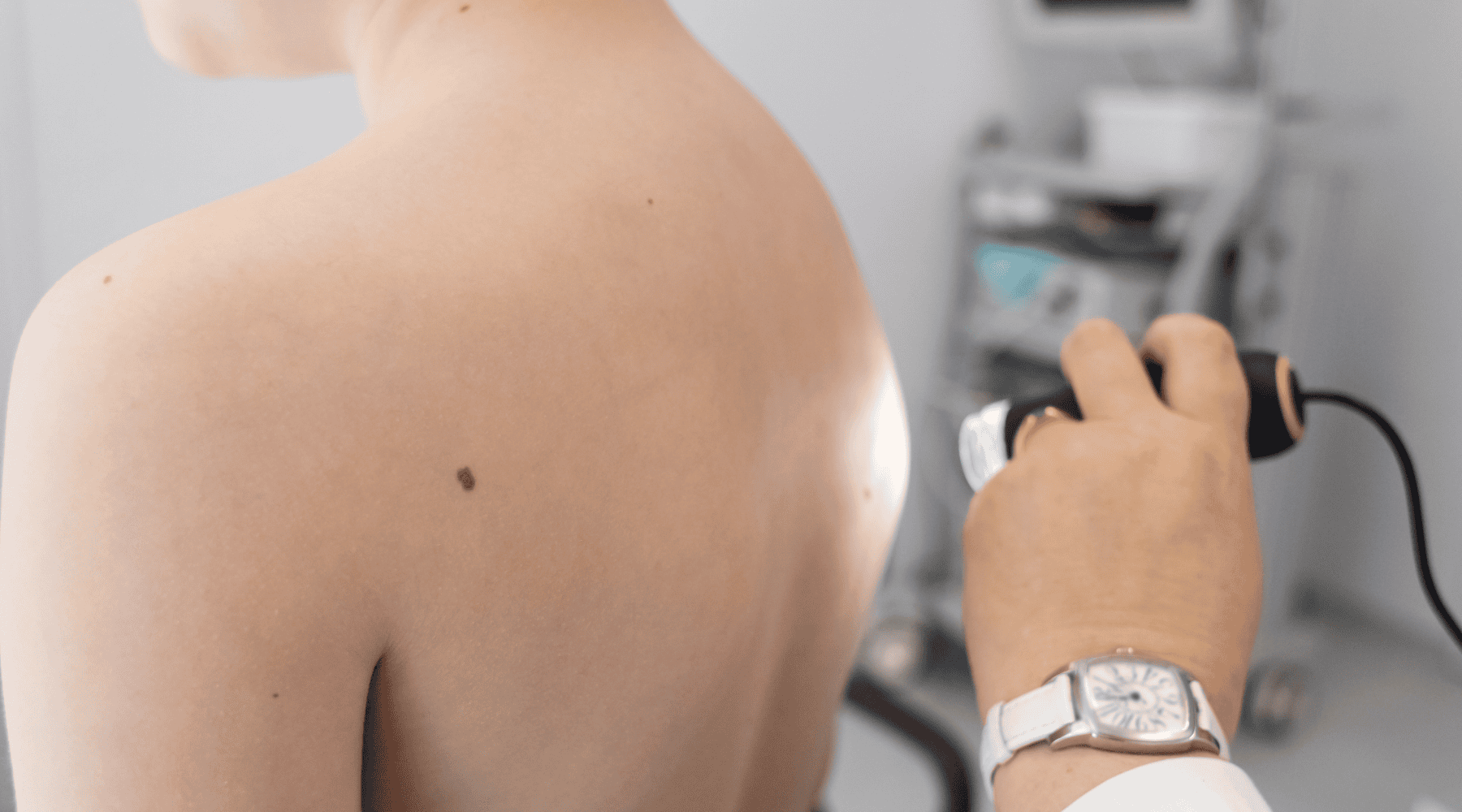
Benign tumours form when cells multiply out of control but stay in one place. Hormonal changes, genetic factors, or chronic inflammation can trigger this growth. Cancer usually develops and spreads after a buildup of multiple genetic and cellular changes over time.
Not every tumour turns into cancer. Some benign growths stay stable for life. But certain types, like colon polyps or precancerous skin lesions, can become cancerous if ignored.
Regular screening catches these precancerous changes before they become dangerous.
Causes and risk factors linked to cancer tumour
Knowing about cancer risk factors further makes the tumour and cancer difference easy to understand. Let’s take a look at these:
- Genetic factorsSome cancers are linked to inherited gene changes (like BRCA1/BRCA2 or Lynch syndrome), but many develop from genetic changes that build up over time.
- Lifestyle choicesTobacco is strongly linked to several cancers (including lung and oral cancers), and long-term/heavy alcohol use can also raise risk.
- Diet and physical activityPoor diet, low activity, and obesity can increase risk by driving long-term inflammation and hormone changes.
- Environmental exposuresUV radiation, radon, asbestos, and certain chemicals can damage DNA. Air pollution is also linked to higher lung cancer risk, even in non-smokers.
- InfectionsSome cancers are linked to infections like HPV, hepatitis B/C, and H. pylori - vaccines and treatment can reduce risk.
- AgeRisk generally increases with age as DNA damage accumulates, but cancer can occur at any age.
Diagnosis : How do doctors identify tumour vs cancer?
When there is a sign of unusual growth or symptoms, your care team's first priority is to find an answer to is cancer and tumour same in this specific case? Here’s what you can expect:
- Physical examinationThis is ideally the first step. Your doctor assesses the size, texture, mobility, and location of any palpable lump. Hard, fixed lumps raise more concern than soft, mobile ones, but that’s not a fact.
- Imaging testsIf the doctor finds anything suspicious, these tests offer a visual view of the internal growth. X-rays, CT scans, MRIs, ultrasounds, and PET scans help locate tumours, measure their size, and check for spread.
- BiopsyThis test determines whether the growth is benign or cancerous. A small tissue sample is examined for structure, organisation, and growth patterns to confirm cancer.
- Blood testsThey may detect tumour markers such as proteins produced by cancer cells. For instance, PSA for prostate cancer, CA-125 for ovarian cancer, and CEA for colorectal cancer. However, these markers aren't diagnostic on their own.
- Molecular testingIt examines cancer cells for specific genetic mutations to guide targeted therapy decisions and to predict how aggressive the cancer might be.
- StagingThis process determines how far cancer has spread. Mostly doctors use the TNM system (Tumour size, Node involvement, Metastasis) to assign a stage from I to IV and decide treatment.
Treatment options for tumour vs cancer
Treatment approaches differ based on whether a growth is benign or malignant. This tumour cancer difference helps your oncologist design a treatment plan based on your specific diagnosis, overall health, and preferences.
For benign tumours
Doctors start with monitoring through regular check-ups if the tumour isn't causing symptoms. Surgery is recommended when tumours cause pain, press on organs, or affect daily function. Once removed, these growths rarely return. Some hormone-sensitive tumours respond to medication, offering a non-surgical option.
For cancer
Cancer treatment combines multiple approaches tailored to cancer type, stage, and patient health. Surgery removes the tumour with the surrounding tissue. Chemotherapy and radiation therapy work alongside surgery or serve as primary treatment when surgery isn't an option.
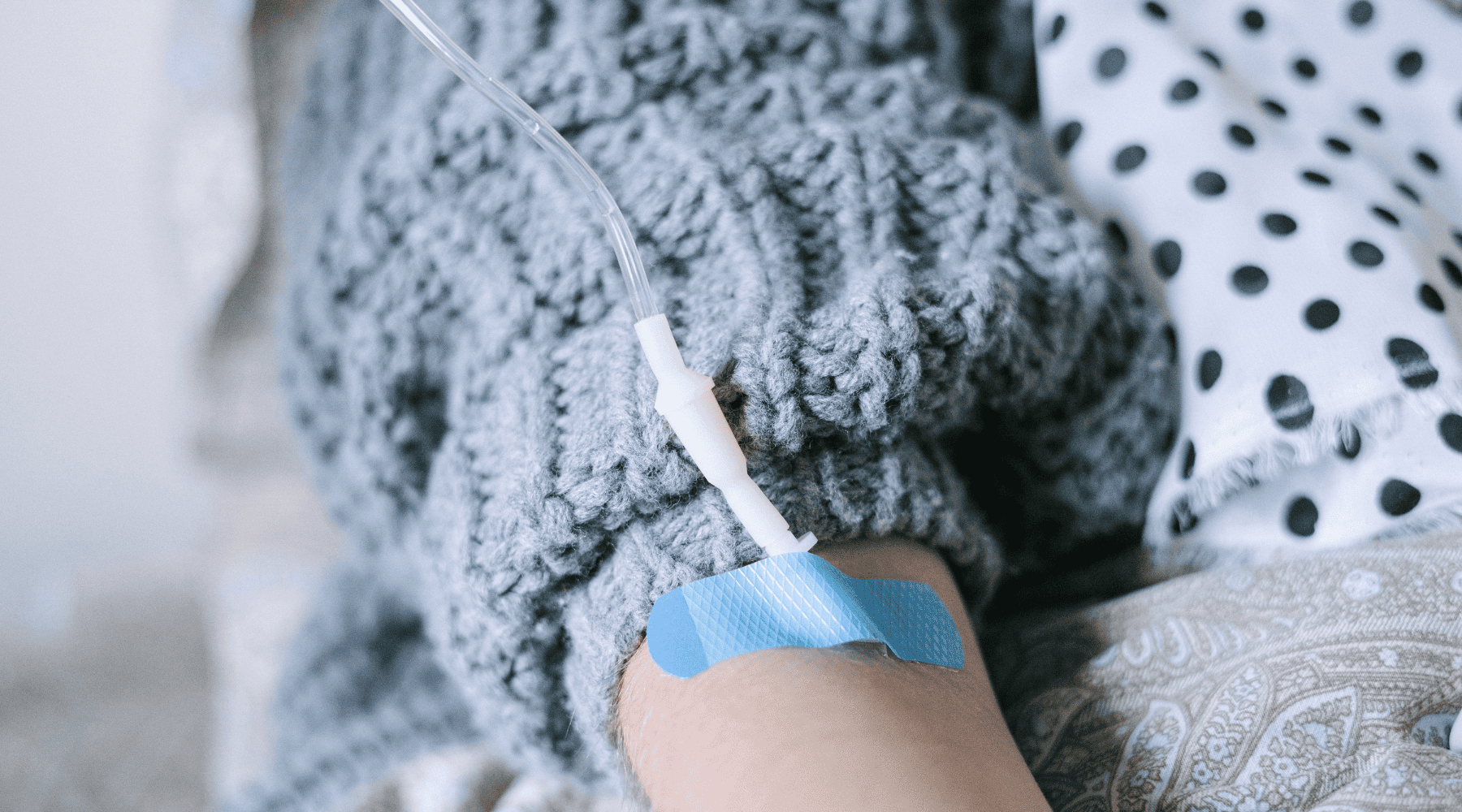
Depending on the cancer type, treatment may also include targeted therapy, immunotherapy, or hormone therapy.
Some side effects of cancer are common after these therapies. For that, the doctor offers medications, a dietary plan, and other kinds of support.
The bottom line: What is the difference between tumour and cancer
Now to answer: are all tumours cancerous? Or is cancer and tumour same? Well, the answer is no. Benign tumours are not cancerous in nature, while malignant tumours can be. Moreover, cancer invades and spreads, whereas benign tumours stay localised.
Benign tumours are not cancerous in nature, while malignant tumours can be. Moreover, cancer invades and spreads, whereas benign tumours stay localised. Early detection makes a major difference. Regular screenings, awareness of your body's changes, and prompt medical attention catch problems when they're most treatable.
Still, if you notice anything unusual, such as a lump or symptoms, get it promptly checked out.
Early detection makes a major difference. Regular screenings, awareness of your body's changes, and prompt medical attention catch problems when they're most treatable.
At Everhope Oncology, our specialists guide you with expert diagnosis and advanced treatment options. We'll help you understand your condition and whether treatment is needed. If so, we'll design a plan that addresses not just your physical health but also your overall well-being.
FAQs on Difference Between Tumor and Cancer
1. Is a tumour as bad as cancer?
No, most benign tumours aren’t as serious as cancer and only need treatment if they cause issues or grow in sensitive areas.
2. Can tumours turn into cancer?
Yes, some benign tumours like colon polyps can become cancerous if they develop additional mutations, which is why doctors monitor and remove high-risk growths.
3. Can tumours and cancer be fully recovered from?
Benign tumours are cured completely with surgery, while cancer tumour recovery depends on the type and stage.