Nutrition5 min read
Spirulina Biotic Powder: Benefits, Nutrition Facts and Its Role in Cancer Nutrition
Dr. Vrundali Kannoth

Talking about alcohol and cancer is uncomfortable for a lot of people. Drinking is tied to culture, celebrations, stress-relief, and sometimes even identity, so conversations around “does alcohol cause cancer?” can feel personal. But awareness saves lives.
Research across global health agencies confirms a consistent finding: alcohol causes cancer, and even small amounts can raise the risk over time. Scientists have spent decades studying why does alcohol cause cancer, and the evidence is no longer up for debate.
The intention isn’t to tell anyone how to live; it’s to give you information you can trust, so you can make choices with full awareness.
If you’ve ever wondered, “Can alcohol cause cancer, or is that just fear-mongering?”, you’re not alone. Many people assume it’s only a problem for heavy drinkers
Studies from the World Health Organization (WHO), the American Cancer Society, and dozens of long-term population datasets all show the same pattern:
Scientists have mapped out several biological reasons explaining “does alcohol cause cancer?”, and they all point toward long-term cellular stress. These mechanisms show why cancer risk rises even at moderate drinking levels.
When you drink, your body converts alcohol into acetaldehyde, a toxic compound that binds to DNA and prevents proper cell repair, causing DNA damage.
This is one of the strongest scientific alcohol and cancer links behind cancers.
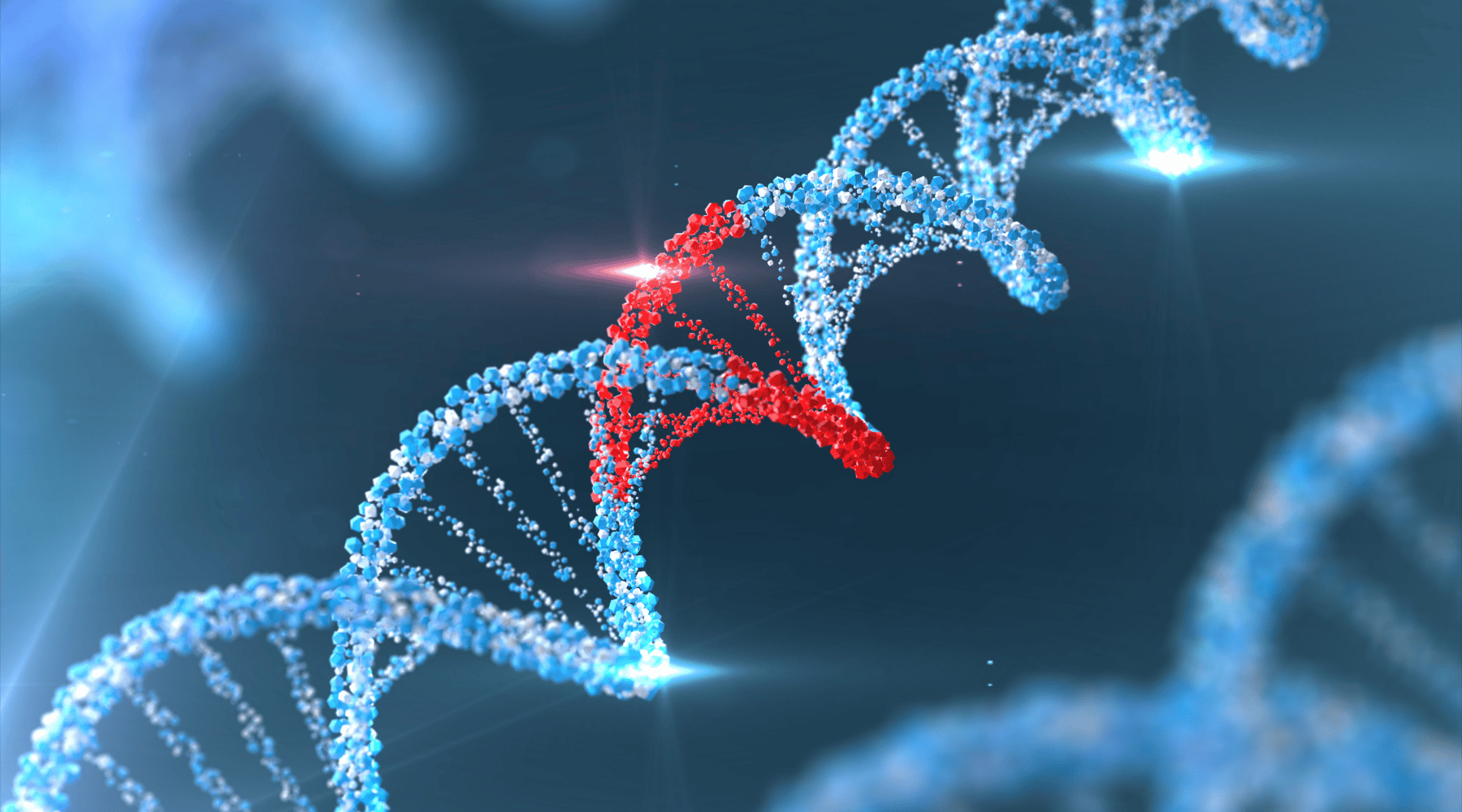
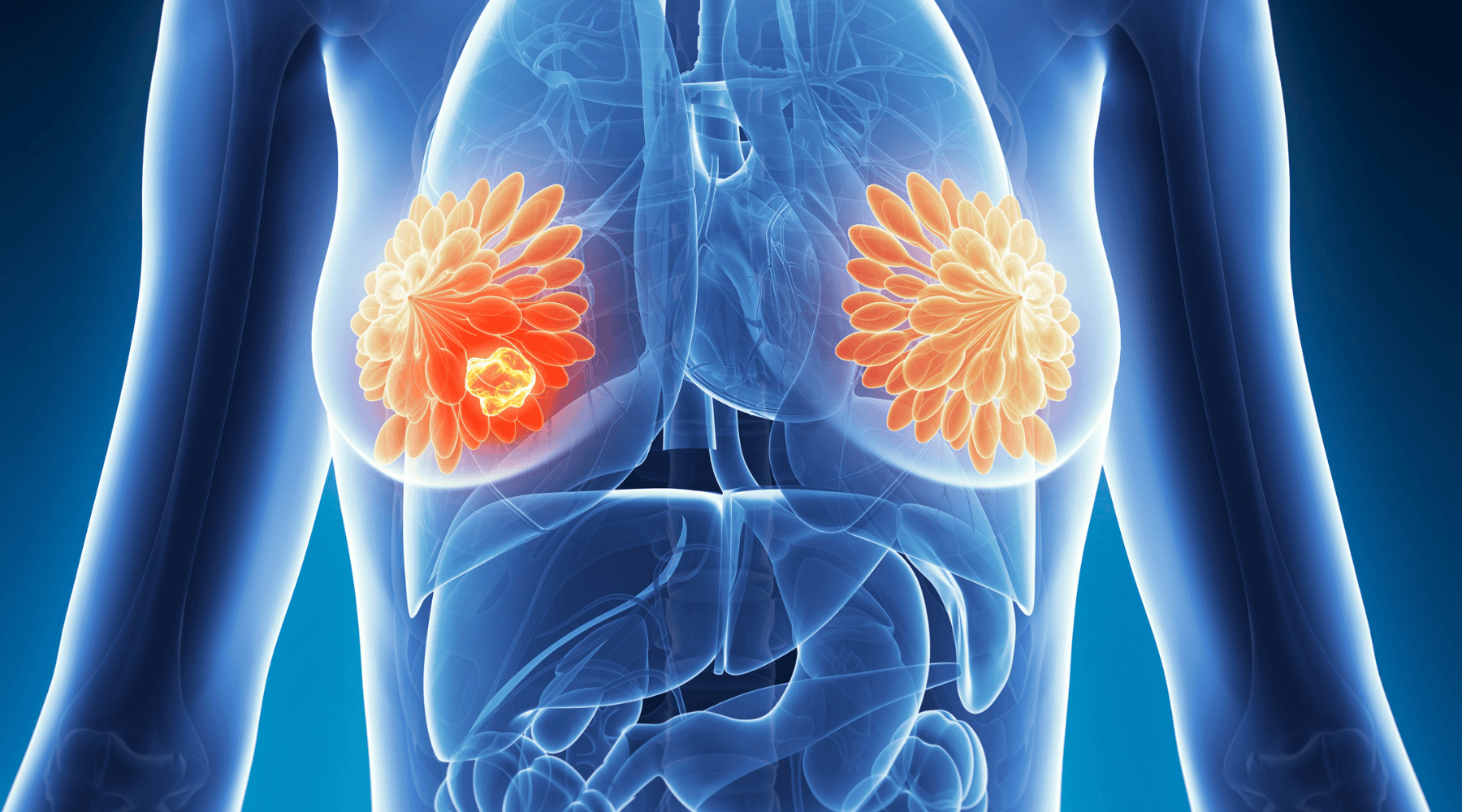
Alcohol disrupts hormone regulation, especially estrogen. Hormone-sensitive tissues respond to even mild shifts, so the smallest amounts raise estrogen levels in the bloodstream, with 7% increased risk of breast cancer per 10 g of alcohol per day.
Alcohol metabolism creates reactive oxygen species (ROS). These molecules generate inflammation, damage cell membranes, and interfere with DNA repair.
Oxidative stress also accelerates aging processes within cells, which adds to mutation risk.
Alcohol reduces the body’s ability to absorb folate, a vitamin essential for DNA production and repair. Folate deficiency increases the likelihood of abnormal cell growth, especially in the colon. This is why colon cancer features prominently in alcohol consumption and cancer research.
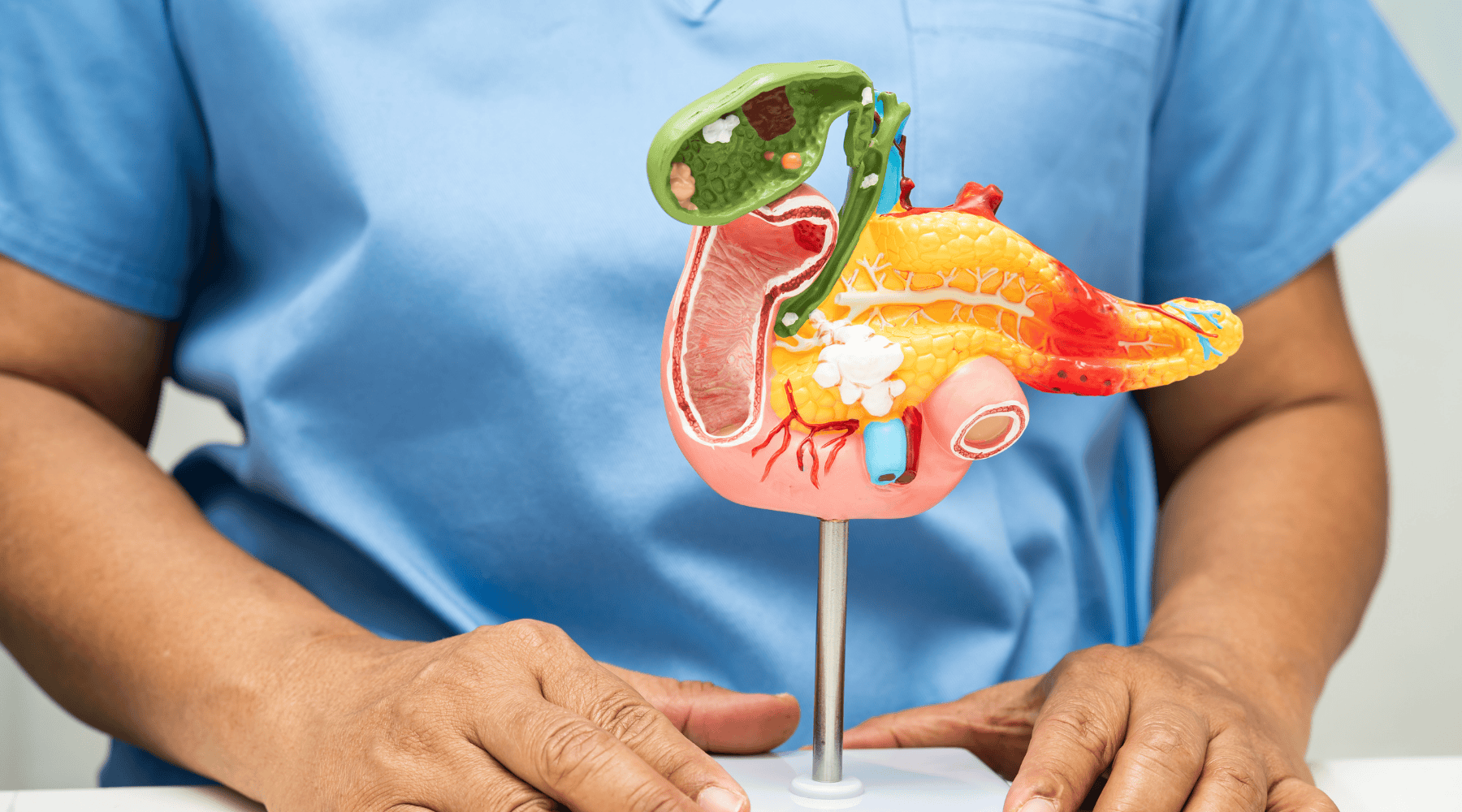
Women often reach higher blood alcohol concentrations than men with the same intake because of differences in enzyme levels, body composition, and metabolism.
These differences help explain some alcohol and cancer risk statistics, such as the stronger association between drinking and breast cancer in women.
Drinking is linked to several well-established cancers, based on clear biological pathways and long-term data. When people ask “what type of cancer does alcohol cause?” these are the alcohol associated cancers with the strongest evidence behind them.
If someone is worried about symptoms or wants to lower risk, focusing on oncology nutrition can help support overall health.
If anything feels unusual or persistent, getting medical advice early is always the safest step.
Even small reductions help reduce long-term risk in the cancers most consistently connected to alcohol.
Many people try to minimize harm by choosing “better” types of alcohol, but this is one area where marketing and science don’t align. The type of drink matters far less than the amount, because the body processes all alcohol the same and cannot distinguish between the types.
You must have heard some friends promote red wine as the “healthy” choice because of antioxidants, but the doses in wine are far too low to counteract the cancer risk.
The alcohol itself still produces acetaldehyde, DNA damage, and hormonal shifts; the same mechanisms that are seen in all alcohol types.
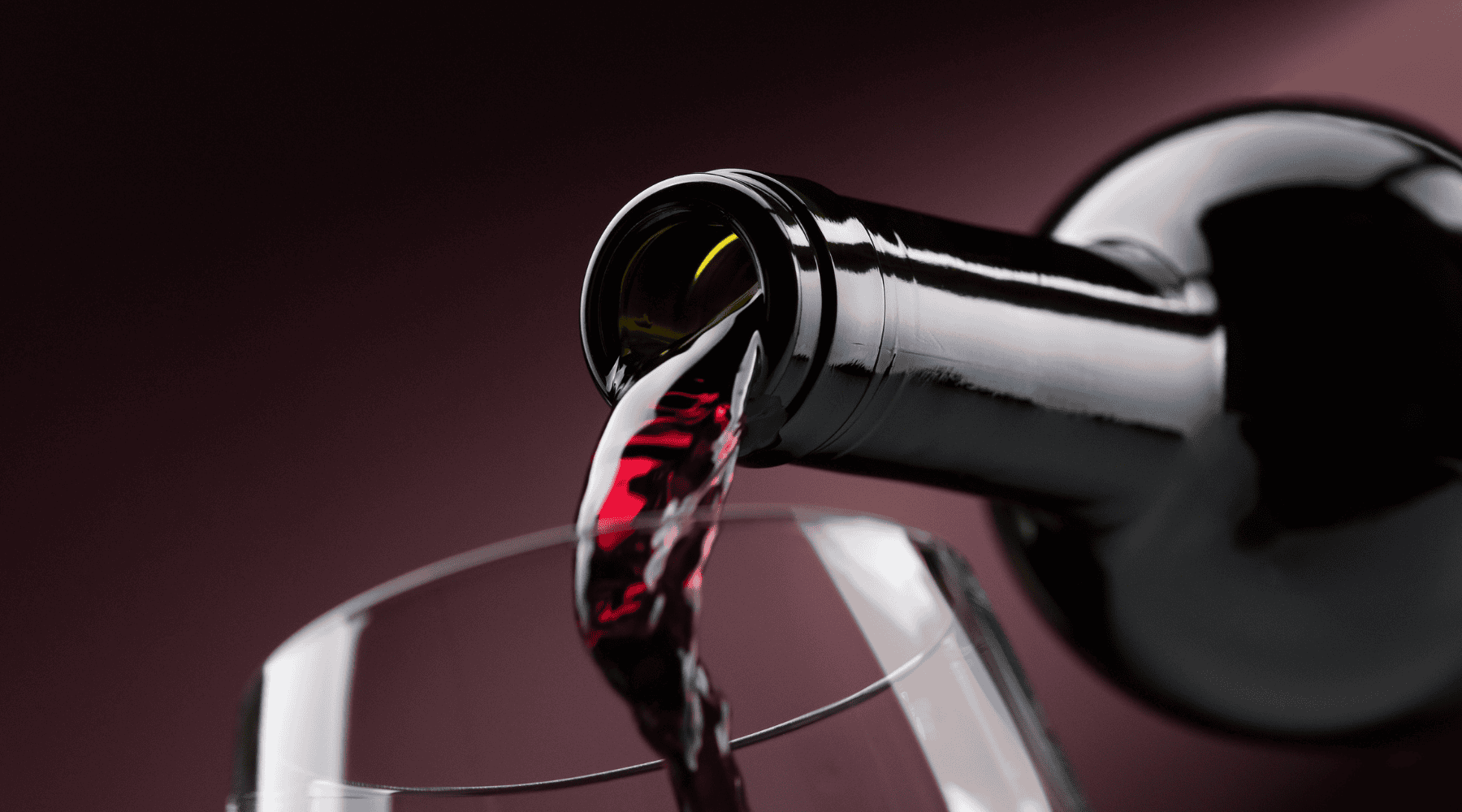
“Clean,” “organic,” “natural,” or “low-calorie” labels don’t change how alcohol behaves in the body. Light drinking can still contribute to certain cancers, especially breast and colorectal cancers. There’s no completely safe version; reducing exposure is what lowers risk.
For people who choose to drink, clinicians generally suggest:
Alcohol and cancer are linked more strongly than most people expect, but the goal here isn’t fear; it’s clarity.
Drinking increases cancer risk through DNA damage, hormonal changes, and inflammation, yet the evidence also shows that cutting back at any stage lowers your risk. Small changes like fewer weekly drinks, spacing them out, or avoiding binges genuinely help.
Doctors recommend avoiding alcohol because it can interfere with healing, medications, and long-term risk. Survivors noticing any new changes or alcohol cancer symptoms should speak with their care team before drinking at all.
Yes. Stopping alcohol reduces future exposure to the processes that raise cancer risk, especially for breast, colon, liver, and esophageal cancers.
Rare drinking still creates some exposure, but the risk is much lower than with regular or heavy drinking. The overall cancer risk from alcohol comes from cumulative intake over time.