
ESR Test for Cancer: What It Shows, Accuracy & Limitations
Dr. Vrundali Kannoth|5 min read|
It is a heavy feeling to walk out of a check-up with a paper showing your ESR is higher than normal.
Naturally, your mind might jump to the most frightening possibility. You also might find yourself searching online to see if an ESR test for cancer is a definitive answer or part of a standard cancer screening test.
The Erythrocyte Sedimentation Rate, or ESR, is a blood test that measures how quickly your red blood cells settle at the bottom of a test tube. While this can be indicative of inflammation, does the ESR test detect cancer on its own? The simple answer is no.
Let’s help you understand what that number means, does ESR test detect cancer, and how to look at the results.
What is an ESR test?
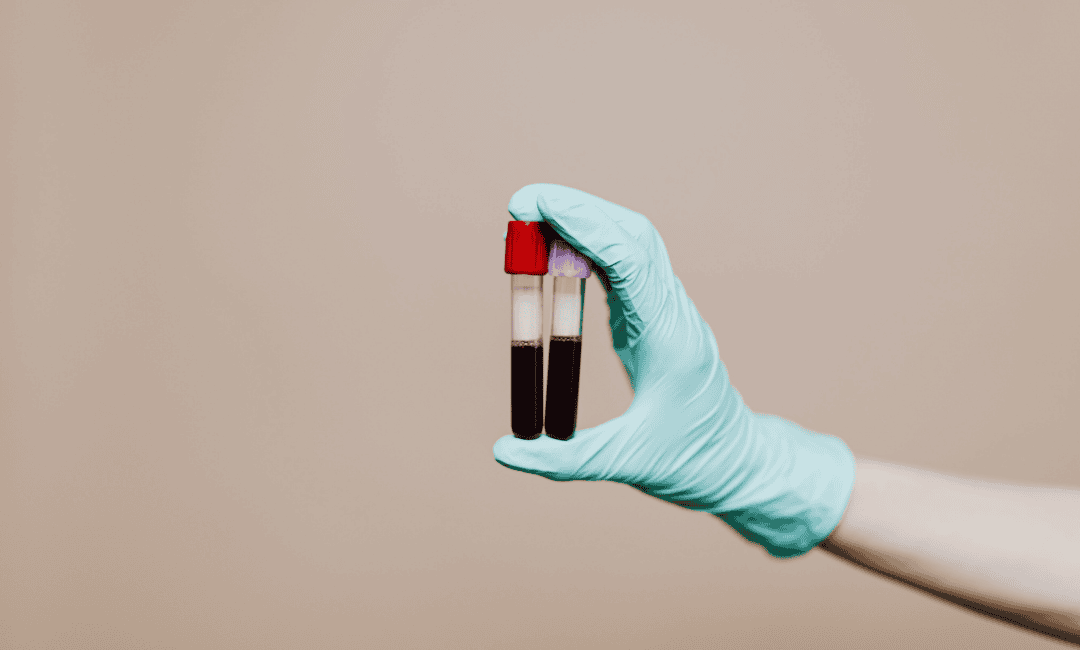
An ESR test measures how fast red blood cells sink in a test tube over one hour. Usually, these cells stay apart and settle slowly.
But when your body reacts to an injury or a tumour, your liver sends out proteins that make the cells stick together in stacks. These heavier stacks, called rouleaux, fall much faster.
Pathologists use this test because it is a simple way to see if there is an inflammation somewhere in your body. While it cannot pinpoint the exact cause, it shows that your immune system is working hard.
What is the ESR level in cancer patients?
The ESR level for cancer helps measure the body’s inflammatory burden. Cancer is an active process that keeps your immune system busy.
To cope, your body sends out messengers that tell the liver to make more proteins, making your red blood cells “stickier.” This is exactly what an ESR test for cancer is designed to catch.
Because every person is different, what is the ESR level in cancer patients can vary quite a bit. Oncologists look at these ranges to understand the intensity:
- •Mild (20–40 mm/hr):Often seen when a condition is just starting or is in one small area.
- •Moderate (40–70 mm/hr):Suggests inflammation is becoming more widespread.
- •High (>70 to 100+ mm/hr):Shows the body is working very hard. In some cases, this hints that a tumour is very active or has spread.
At this stage, pathologists usually combine ESR with imaging tools like CT scan detect cancer to better understand what’s happening inside the body.
It is natural to worry that high ESR means cancer, but that’s not always the case. Common issues like arthritis or a hidden infection can also push these numbers high.
Normal vs high ESR levels
Our blood has its own baseline that changes as we grow older. We have to look at what is considered healthy at what age.
Normal ESR range in healthy individuals
As you age, your ESR may naturally tend to go up. This is not necessarily a sign of disease. Women also typically show higher values than men due to hormones and the menstrual cycle.
| Demographic group | Normal ESR range (mm/hr) |
|---|---|
| Men (under 50 years) | 0 – 15 |
| Men (over 50 years) | 0 – 20 |
| Women (under 50 years) | 0 – 20 |
| Women (over 50 years) | 0 – 30 |
| Children (pre-puberty) | 3 – 13 |
Outside of disease, things like pregnancy, regular exercise, or even carrying extra body weight can nudge your ESR slightly higher.

ESR test for cancer range
While there is no single ESR number that says "this is cancer," medical guidelines only suggest certain thresholds that act as warning signs. If you are looking at an ESR test for cancer range, oncologists generally become more concerned when the number stays persistently high.
| ESR level | What it often means |
|---|---|
| Over 30 mm/hr | Might need a follow-up if you have other symptoms. |
| Over 50 mm/hr | Strongly suggests active inflammation or potential disease. |
| Over 100 mm/hr | Often associated with more serious conditions or metastatic cancer. |
In some specific conditions, like Hodgkin’s lymphoma, the ESR test for cancer range is used very precisely.
Cancer and ESR levels
The link between a tumour and your blood results usually involves three main processes:
Systemic inflammation (the body’s alarm system)
A high rate in ESR test for cancer is most often caused by systemic inflammation. When a tumour is present, the body sends out signals like the protein interleukin-6 (IL-6).
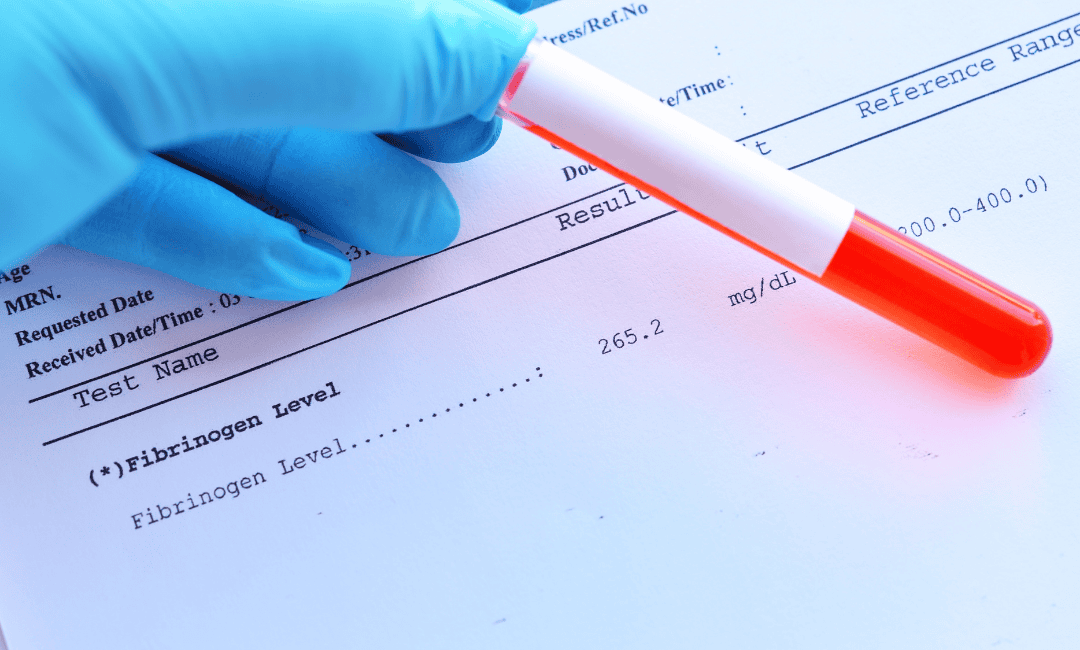
This tells the liver to produce defence proteins, specifically fibrinogen. This protein acts like the glue that makes red blood cells stick together and fall faster.
Abnormal protein production by cancer cells
Sometimes, the cancer itself creates proteins that change the blood. In multiple myeloma, cancer cells produce large amounts of special proteins.
These are very effective at clumping red blood cells, which is why the ESR rate in cancer for these types can reach extreme levels.
Tissue breakdown and immune cleanup
As a tumour grows or treatment begins, cells break down. This process, called turnover, releases debris into the bloodstream. Your immune system’s effort to clean this up creates more inflammation.
Because ESR alone cannot confirm disease, doctors often combine it with imaging, like PET scan cancer detection methods to evaluate metabolic activity in tissues.
ESR rate in cancer: 2 key cancer type categories
Different cancers interact with your blood in unique ways. By looking at these patterns, your oncologist can better understand how your body is responding.
1. Blood and immune system cancers
The highest numbers often come from cancers involving the immune system itself.
- •Multiple Myeloma:This cancer of the plasma cells releases extra proteins that make red blood cells stick together quickly. It is common to see an elevated ESR level in cancer like this, exceeding 100 mm/hr.
- •Lymphoma:In Hodgkin’s and non-Hodgkin’s lymphoma, the body is on high alert. Doctors use the ESR to help stage the disease, as a higher number often means the condition is more active.
2. Solid tumours and inflammatory cancers
For solid tumours, a higher ESR signals how much the growth affects your whole system.
While every case is unique, research has found patterns across different types:
Ovarian and gastric cancers often show higher numbers because these areas have high blood vessel and immune activity.
A usual question when ESR is higher is: Can ultrasound detect cancer? While it can identify suspicious tumours, you might need advanced diagnostics to confirm.
Limitations of the ESR test for cancer
The ESR test for cancer is non-specific; it identifies inflammation but cannot pinpoint the cause.
Since common issues like a cold or arthritis trigger the immune system, high ESR means cancer in only a small percentage of cases.
Factors that can affect ESR results
Biological factors can also skew results. For example, anaemia reduces the number of red blood cells, causing them to settle faster. This can lead to an elevated ESR level for cancer reading that is not actually caused by inflammation.
Conversely, some medications can artificially slow the rate, potentially hiding an active issue.
The normal result paradox
A normal result does not rule out illness. Roughly 40% to 50% of cancer patients, especially in early stages, show a normal ESR.
Oncologists often weigh cancer and ESR levels alongside symptoms and biopsy tests for cancer to get a more accurate diagnosis.
ESR vs CRP
Pathologists often use C-Reactive Protein (CRP) as a more precise combination with the ESR.
| Feature | ESR | CRP |
|---|---|---|
| Speed | Slow to rise and fall. | Rises and falls in hours. |
| Accuracy | Affected by anaemia or cell shape. | Highly specific to inflammation. |
| Best use | Monitoring chronic conditions. | Tracking acute changes. |
Using both provides a long-term view (ESR) and a real-time snapshot (CRP), offering a more reliable way to monitor your health.
How to manage ESR levels
Managing your ESR is about healing the cause, not just lowering the number. Like a fever that breaks once an infection clears, your ESR rate will naturally improve as your body recovers.
- •Target the root:Oncologists focus on the underlying issue. As treatments like chemotherapy shrink a tumour, your body produces fewer proteins, and results return to the normal ESR test for cancer range.
- •Clear complications:Antibiotics or steroids may be used to fight secondary infections or calm general inflammation.
- •Eat to heal:Choose anti-inflammatory foods like salmon (omega-3s) and berries (antioxidants) to support your cells.
- •Hydrate and rest:Drink plenty of water to prevent false high readings, and aim for 7–9 hours of sleep to let your immune system repair itself.
- •Stay active:Gentle movement, like a short walk, helps circulation without draining your energy.
Improving the underlying cause not only normalises ESR but also contributes positively to overall cancer survival rates in patients undergoing treatment.
Moving forward with clarity
Understanding how ESR behaves across different conditions and cancer types can help you interpret your results. It also highlights why this test is best viewed as part of a broader diagnostic picture, not a standalone answer.
Your ESR result is just one small chapter in your health story. While it’s a helpful signal from your body, it’s not sufficient alone to deliver a cancer diagnosis. A high result is simply a starting point for a deeper conversation with your care team at Everhope Oncology.
Questions
FAQs
Is ESR always elevated in cancer patients?
No, nearly half of all patients show a normal ESR level for cancer. Because of this, doctors never use this test as the only way to check your health.
Can ESR levels fluctuate over time?
Yes, your numbers will naturally rise and fall. Cancer and ESR levels change slowly as your body heals or reacts to new stressors like a common cold.
Do all cancers raise ESR levels equally?
Not at all. While an elevated ESR rate for cancer for multiple myeloma is often very high, other solid tumours might only cause a small shift in your results.
Related Blogs
Insights5 min read
Muh Ke Cancer Ke Lakshan (मुंह के कैंसर लक्षण): कैसे पहचानें?
Dr. Vrundali Kannoth