Is Cancer Genetic? How Genes and Inheritance Affect Risk

Dr. Vrundali Kannoth•5 minutes•09 Jan 2026
Table of Content
- Is Cancer Genetic? Role of Genes and Family History
- Is cancer genetic or not?
- Inherited vs acquired cancer mutations
- Inherited (hereditary) cancer mutations
- Common genetic cancer types
- Genetic cancer syndromes you should know
- Genetic cancer risk and family history
- Genetic cancer screening and testing
- How genetic testing works
- Genetic cancer treatment: What are the options?
- Risk- reducing steps that help
Is Cancer Genetic? Role of Genes and Family History
When someone you love receives a cancer diagnosis, a quiet worry often follows: Could this happen to me too?
It's a natural question. You might find yourself searching for answers late at night, trying to understand if cancer truly runs in families. Perhaps you've noticed patterns, such as multiple relatives affected, cancers appearing at younger ages, and you're wondering what it all means.
Is cancer genetic or not?
So, cancer is genetic or not? The answer is both yes and no, depending on the case.
Most cancers develop from random mutations that happen during your lifetime. These aren't inherited. They result from ageing, lifestyle choices, or environmental exposures.
Cancer genetics definition refers to how gene changes contribute to cancer development. Genes tell cells how to grow. When mutations damage these instructions, cells may grow uncontrollably.
Inherited vs acquired cancer mutations
Understanding the difference between inherited and acquired mutations clarifies cancer and genetics connections. Here's how they compare:
Inherited (hereditary) cancer mutations
Inherited mutations exist in every cell from conception. Parents pass these through egg or sperm cells.
Is cancer genetically transmitted?
Families with inherited mutations often show patterns. Multiple relatives develop the same types of cancer. Cancers appear at younger ages. Some develop multiple primary cancers
Acquired (somatic) cancer mutations
Acquired mutations develop during your lifetime in specific cells. These result from:
- •Normal errors during cell division
- •Tobacco smoke damaging DNA
- •UV radiation mutating skin cells
- •Chronic inflammation
- •Viral infections
These mutations remain confined to affected tissues. They can't pass to children.
Which cancers are genetic?
Several cancer types show clear hereditary patterns when specific gene mutations are present. Understanding which cancers run in families helps identify who needs genetic testing and enhanced screening.
While any cancer can theoretically have a hereditary component, certain types appear more frequently in families with inherited mutations. These cancers often develop at younger ages than their sporadic counterparts.
Common genetic cancer types
Different types of genetic cancer include several major categories:
- •Breast cancer:Hereditary breast cancer often involves BRCA1 or BRCA2 mutations. Women with these face substantially elevated risk. Men with BRCA mutations also develop breast cancer more frequently.
- •Ovarian cancer:BRCA mutations dramatically increase risk to 40-50% lifetime. Lynch syndrome also raises likelihood. These typically appear earlier than sporadic cases.
- •Colorectal cancer:Lynch syndrome causes hereditary colorectal cancer. Familial adenomatous polyposis creates hundreds of colon polyps. Without treatment, colon cancer develops in nearly all affected individuals.
- •Prostate cancer:Inherited BRCA2 mutations increase aggressive prostate cancer risk. Men with family history need earlier, more frequent screening.
- •Pancreatic cancer:BRCA mutations and Lynch syndrome increase risk. This cancer remains particularly deadly, making early detection crucial.
What cancers are genetic extends beyond these. Retinoblastoma, kidney cancer, stomach cancer, and melanoma all have hereditary forms. The genetic basis of cancer varies by tumour type and specific mutation.
Genetic cancer syndromes you should know
They represent specific inherited conditions that dramatically raise cancer risk.
- •BRCA1 and BRCA2mutations create hereditary breast and ovarian cancer syndrome. Beyond breast and ovarian cancers, these mutations also increase pancreatic, prostate, and melanoma risks substantially.
- •Lynch syndromecauses hereditary nonpolyposis colorectal cancer, affecting approximately one in 300 people. Colon, endometrial, ovarian, and stomach cancers all increase significantly.
- •Li-Fraumeni syndromeresults from TP53 gene mutations, creating an extremely high cancer risk. Affected individuals face up to 90% lifetime cancer risk. Breast cancer, brain tumours, leukaemia, and sarcomas develop frequently at very young ages.
- •Von Hippel-Lindau diseasecauses tumours in the kidneys, brain, eyes, and adrenal glands. Regular screening detects these growths early.
- •Multiple endocrine neoplasia syndromesaffect hormone-producing glands. Thyroid, parathyroid, and pancreatic tumours develop with characteristic patterns.
Genetic cancer risk and family history
The risk depends heavily on family patterns. Not all family clustering indicates inherited mutations, but certain patterns raise suspicion.
How family history affects cancer risk
Cancer in families genetics creates complex risk calculations. Having one relative with a common cancer slightly increases risk. Multiple relatives suggest stronger hereditary components.
Risk increases when:
- •Multiple close relatives develop the same cancer
- •Cancers appear at unusually young ages
- •One person develops multiple primary cancers
- •Rare cancers occur within families
Is cancer genetically linked to your family history? Genetic counsellors assess risk accurately using detailed pedigrees.
Signs you may have a genetic risk
Genetic cancer risk indicators include warning patterns:
- •Three or more relatives on the same family side with related cancers
- •Two or more relatives diagnosed before age 50
- •One relative with multiple different primary cancers
- •Bilateral cancers in paired organs
- •Rare cancers like male breast cancer
If these patterns exist, discuss concerns with doctors. Oncology doctors specialised in cancer genetics provide expert guidance.
Genetic cancer screening and testing
The screening process identifies individuals carrying hereditary mutations before cancer develops. This enables preventive interventions which dramatically reduce cancer likelihood or catch it at the earliest, most treatable stages.
How genetic testing works
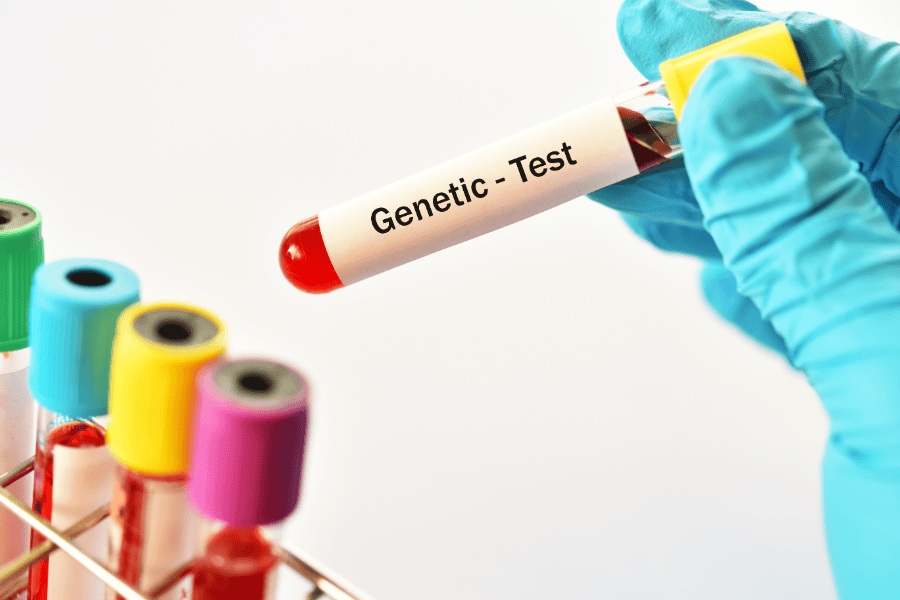
Genetic cancer gene testing examines DNA for specific mutations.
First, genetic counselling occurs. Counsellors review family history and explain testing benefits and limitations.
Next, sample collection happens through a simple blood draw or saliva samples. Labs extract DNA and analyse specific genes.
Testing examines genes associated with hereditary cancer syndromes. Three possible outcomes exist:
- •Positive result:Mutation detected. This confirms increased risk requiring enhanced surveillance and possibly preventive measures.
- •Negative result:No mutation found. This provides reassurance when a family mutation is known.
- •Variant of uncertain significance:Change detected but significance unknown. These require ongoing monitoring as research clarifies effects.
Cancer diagnostics following positive results include intensified screening
Genetic cancer treatment: What are the options?
The treatment doesn't differ fundamentally from treatment for sporadic cancers. However, knowing genetic status influences treatment choices.
Can genetic cancer be cured? Yes, many hereditary cancers respond well to standard cancer treatment approaches.
Risk- reducing steps that help
How to avoid genetic cancer involves proactive strategies to reduce risk even with inherited mutations.
1. Enhanced surveillance:
Genetic cancer screening detects cancer early, when treatment is most effective. Starting screening earlier and more frequently increases the detection of small, curable cancers.
For BRCA mutation carriers:
- •Breast MRI and mammography annually starting at age 30
- •Clinical breast examinations every 6-12 months
- •Discussion of ovarian cancer screening options
- •Consider prophylactic surgery after childbearing
For Lynch syndrome carriers:
- •Colonoscopy every 1-2 years starting at age 25
- •Endometrial biopsy screening for women
- •Upper endoscopy for stomach cancer detection
- •Discussions about prophylactic hysterectomy
3. Prophylactic surgery:
Risk-reducing operations prevent cancer development. Bilateral mastectomy reduces breast cancer risk by 90% in BRCA carriers.
4. Chemoprevention
Certain medications reduce cancer risk. Tamoxifen or raloxifene decrease breast cancer incidence by up to 50%.
5. Lifestyle modifications:
Healthy choices reduce cancer risk regardless of genetics. Maintaining a healthy weight, exercising regularly, limiting alcohol, and not smoking all help significantly.
6. Psychological support:
Living with increased cancer risk creates ongoing anxiety. Professional counselling helps manage fear productively. Support groups connect people facing similar challenges.
Genetic risk factors for cancer don't equal destiny. Proactive management substantially reduces actual cancer development. Many mutation carriers never develop cancer through vigilant monitoring and risk-reducing interventions.
Understanding your options
Can cancer be genetic? Yes, for approximately 5-10% of cases. Can genetics cause cancer? They create vulnerability requiring additional mutations.

FAQs
Yes, rare inherited mutations cause childhood cancers like retinoblastoma and Wilms tumour, though most childhood cancers develop from spontaneous mutations rather than inheritance.
No, only 5-10% of cancers result from inherited mutations; the vast majority develop from acquired mutations during life from ageing, lifestyle, or environmental factors.
Yes, hereditary cancers respond to standard treatments like surgery, chemotherapy, and radiation; knowing genetic status often improves outcomes through enhanced screening and targeted therapies.
Table of Content
- Is Cancer Genetic? Role of Genes and Family History
- Is cancer genetic or not?
- Inherited vs acquired cancer mutations
- Inherited (hereditary) cancer mutations
- Common genetic cancer types
- Genetic cancer syndromes you should know
- Genetic cancer risk and family history
- Genetic cancer screening and testing
- How genetic testing works
- Genetic cancer treatment: What are the options?
- Risk- reducing steps that help