Symptoms5 min read
Folic Acid Supplement: Importance, Benefits and Deficiency Symptoms
Dr. Vrundali Kannoth

Our body is built for balance, which is usually managed quietly and pretty well in the background.
But when you hear a term like oxidative stress cancer, that confidence can shift to uncertainty. And it’s natural to feel overwhelmed by complex medical terms.
Oxidative stress is a chemical imbalance within your cells. To stay healthy, your body creates antioxidants to neutralise free radicals. When there are too many free radicals and not enough antioxidants, it plays a significant role of oxidative stress in cancer development.
You might wonder, can stress cause cancer in other ways? While mental stress is different, this biological stress is a key piece of the puzzle.
In this guide, we’ll explore the oxidative stress and cancer link and show you how to help your cells return to a state of balance.
Oxidative stress are available at the Everhope store — reviewed for use during cancer care.
Oxidative stress is a state where free radicals outnumber antioxidants in your body, creating a chemical imbalance within your cells. This breakdown plays a significant role of oxidative stress in cancer development.
Free radicals are unstable molecules that are missing an electron, which makes them highly reactive.
They try to stabilise themselves by taking electrons from other molecules, which can cause damage.
To counter this, your body produces antioxidants, molecules that safely neutralise free radicals by donating an electron.
This imbalance leads to cellular distress, damaging proteins, lipids, and DNA. When DNA is affected, it can cause mutations that alter how those cells function.
Preventing this imbalance is vital in the fight against oxidative stress and cancer.
The connection between oxidative stress and cancer is a gradual shift in your cellular environment. It starts with your DNA. When free radicals hit your genetic code, they create errors like the 8-oxo-dG marker.
If these errors affect genes that control growth, cells divide too fast. This is how oxidative stress causes cancer.
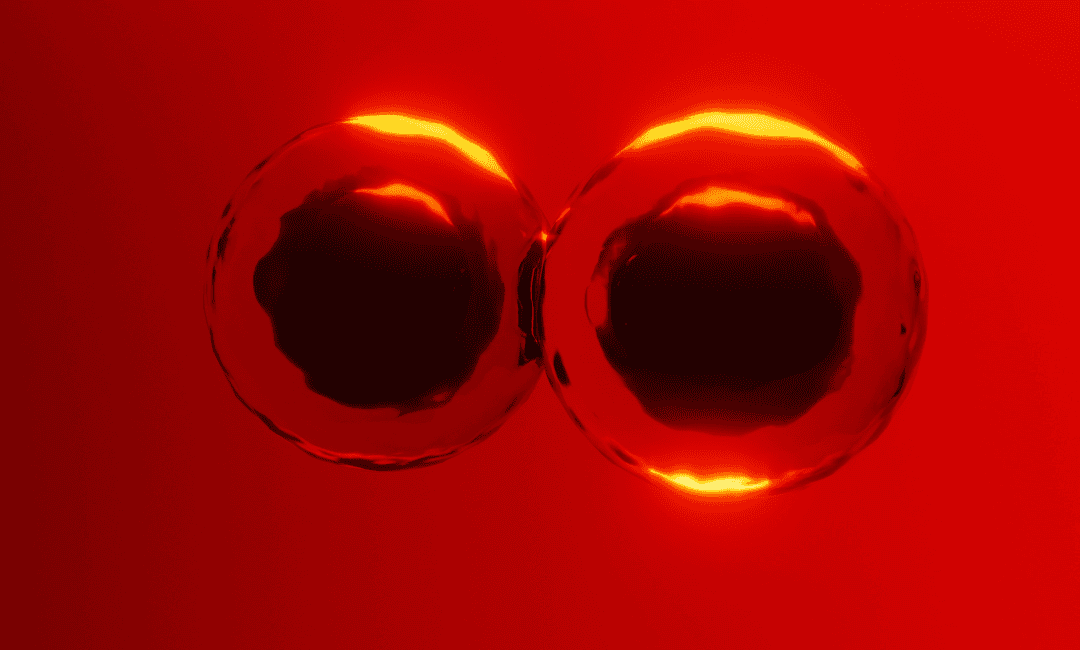
Oxidative stress in cancer cells acts as a survival tool for the rogue cells. These cells take over the Nrf2 pathway, your body's internal thermostat, to shield themselves from treatment.
This role of oxidative stress in cancer survival allows tumours to thrive under pressure that would kill a healthy cell.
Recent studies show that the high stress levels in oxidative stress cancer make these cells vulnerable.
By pushing them into extreme distress, we can trigger ferroptosis, a specific type of cell death.
This strategy turns the cancer’s own defences against it, offering a new way to manage and treat cancer.
The balance fails due to a combination of how our bodies work and external factors. Understanding these triggers is a primary step in learning how to prevent cancer through lifestyle.
Our own metabolism is the most common source of free radicals. Inside our cells, tiny parts called mitochondria turn food into energy.
During this process, they occasionally leak reactive molecules. Normally, our body cleans this up.
However, chronic inflammation or a high workload for the cell can cause these leaks to increase.
This buildup of oxidative stress in cancer cells often starts with these internal leaks that the body can no longer manage.
Our environment also plays a major role. Factors like UV radiation from the sun and pollution put pressure on our systems. Lifestyle choices also have a significant impact:
| External factors | Associated health risks |
|---|---|
| UV radiation | It excites chromophores and causes oxidative damage to lipids and DNA, leading to photoaging, melanoma, and skin cell damage. |
| Cigarette smoke | It contains high levels of free radicals and triggers lung inflammation, increasing the risk of lung cancer, COPD, and cardiovascular disease. |
| Particulate matter | Fine particles (PM2.5) increase free radical formation in the lungs, contributing to asthma, chronic inflammation, and systemic oxidative stress. |
| Heavy metals | Metals like cadmium (Cd), arsenic (As), and mercury (Hg) disrupt cell function and reduce antioxidants, leading to kidney damage, nerve damage, and cancer risk. |
| Alcohol | It produces more ROS during liver metabolism, which can cause liver cirrhosis and liver cancer. |
| Poor diet | High-fat and high-sugar intake increases cellular workload and ROS production, contributing to insulin resistance, obesity, and metabolic syndrome. |
We can make small changes to shift the balance back in our favour, reducing the pressure that leads to oxidative stress cancer.

In its early stages, oxidative stress often doesn’t show any prominent symptoms. However, as the imbalance persists, it begins to affect how you look and feel.
Recognising these early signs can be a powerful tool for preventing oxidative stress cancer.
Ageing is deeply tied to how our cells handle stress. As free radical imbalances grow in your body, the damage accumulates. You might notice:
Research from late 2025 shows a strong link between oxidative stress and brain fog. This is often caused by oxidative damage to the blood-brain barrier.
When this protective layer leaks, inflammation reaches the brain, making it hard to focus. Keeping a healthy balance helps prevent oxidative stress cancer, and keeps your mind sharp.
Beyond the risk of oxidative stress cancer, chronic imbalance affects nearly every organ system.
Your body is remarkably resilient. You can support your internal defenses and lower the pressure of oxidative stress cancer through simple, daily choices.
One of the most effective ways to fight oxidative stress cancer is through what you eat. Instead of looking for a miracle food, focus on variety:
A little bit of oxidative stress can actually be a good thing. This concept, called "hormesis," explains why exercise for cancer patients is so beneficial:

High-dosage supplements are available and are considered a shortcut. However, it can be futile in many cases:
| Aspect | Explanation |
|---|---|
| Trial failures | Large studies like CARET and SELECT found that isolated supplements often do not help and can even increase health risks in some groups. |
| Complex synergy | In a piece of fruit, antioxidants work together in a complex way that a single pill cannot replicate. |
| Treatment interference | If you are undergoing treatment for oxidative stress cancer, always talk to your doctor before adding supplements. Supplements might even accidentally protect the very cells we’re trying to remove. |

PeachX Antioxia Liposomal Glutathione 500mg + Vit C (30 Capsules)
Liposomal glutathione with vitamin C
₹1,599₹1,999
Oxidative stress damages DNA, leading to oxidative stress cancer. Understanding the link between oxidative stress and cancer empowers you to support your body's defences.
Simple steps like better nutrition and movement help restore your natural internal balance and protect your cells from long-term harm.
Everhope Oncology provides personalised care through advanced cancer treatments and holistic support, like nutritional guidance. Our expert team is always here to help you manage your health with compassion, offering a clear and steady path toward lasting wellness.