The burning pain in your stomach that won't go away. The discomfort that wakes you at night or appears when you're hungry. You might wonder if it's just stress or something more serious.
Peptic ulcer disease affects millions of people in India each year. Understanding what is peptic ulcer disease helps you recognise symptoms and seek appropriate treatment before complications develop.
You're not imagining the pain, and you're not alone. This common condition is highly treatable once properly diagnosed. Let's explore what causes these painful sores and how you can find relief.
What is pepticulcerdisease?
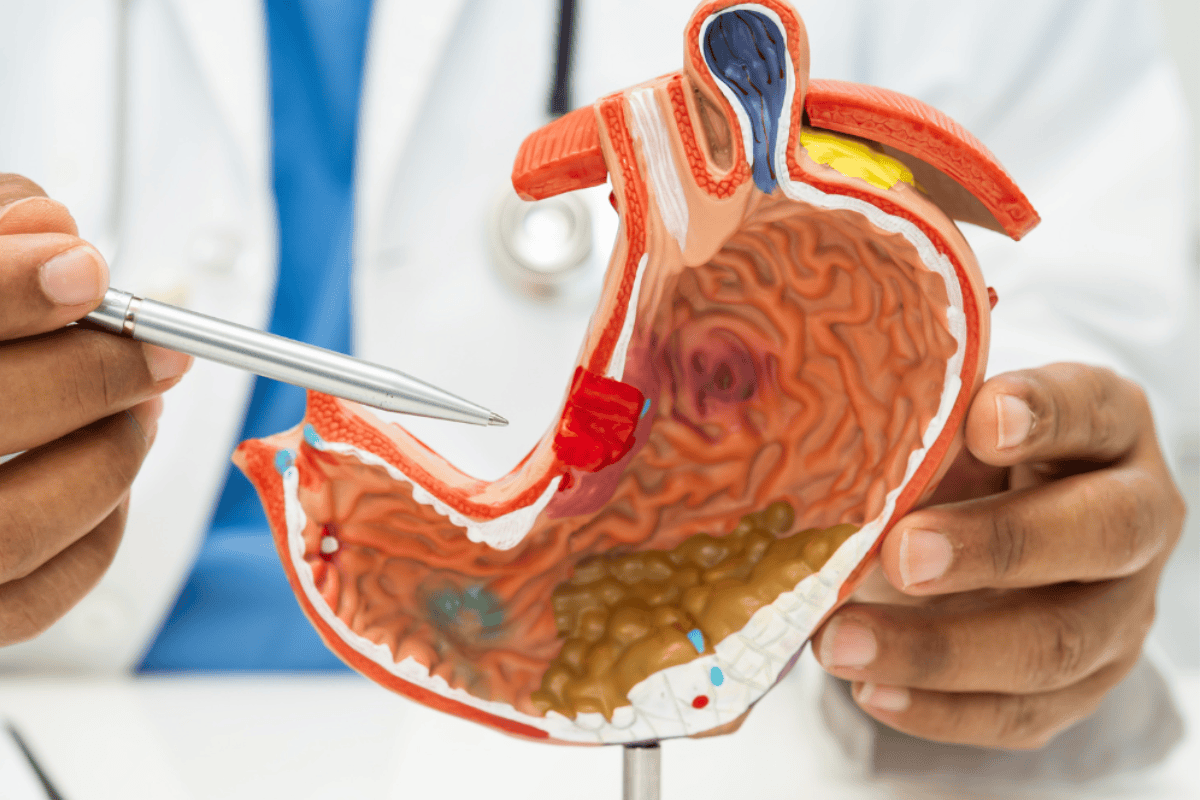
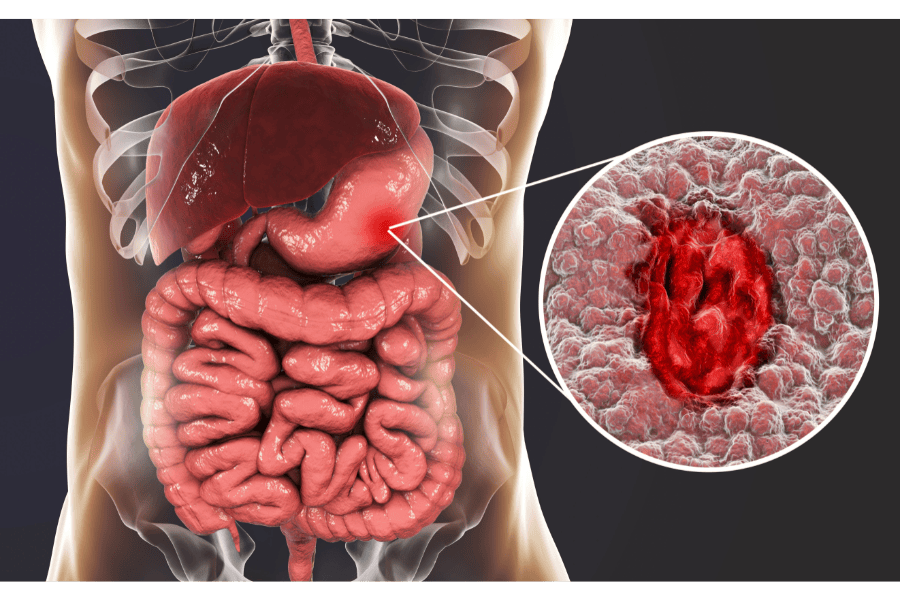
Peptic ulcer disease definition describes open sores developing in the lining of your stomach, upper small intestine ("duodenum"), or lower oesophagus. These painful ulcers form when digestive acids damage the protective mucus layer.
Your digestive tract produces strong acid, helping break down food. Normally, a thick mucus layer protects the stomach and intestinal walls from this acid. When this protective barrier breaks down, acid erodes the lining, creating painful ulcers.
The term "peptic" refers to pepsin, a digestive enzyme working alongside stomach acid. These ulcers can range from a few millimetres to several centimetres in diameter.
According to research, peptic ulcer disease affects approximately 10-15% of Indians at some point during their lives. Whilst common, many cases go undiagnosed because symptoms are mistaken for simple indigestion.
Types of pepticulcerdisease
Types of peptic ulcer disease are classified by location in the digestive tract.
•Gastric ulcers
Stomach ulcers develop in the stomach lining itself. Pain typically worsens with eating as stomach acid production increases. These ulcers are more common in older adults and carry a slightly higher cancer risk.
•Duodenal ulcers
These form in the duodenum, the first part of your small intestine just beyond the stomach. They're more common than gastric ulcers, representing about 80% of cases. Pain often improves with eating but returns 2-3 hours later when the stomach empties.
•Oesophageal ulcers
Rare ulcers developing in the lower oesophagus, usually associated with severe acid reflux. They cause difficulty swallowing and chest pain.
Symptoms and causes of pepticulcerdisease
Understanding peptic ulcer disease symptoms and what causes peptic ulcer disease helps you recognise when to seek medical attention.
Common symptoms of pepticulcerdisease
Signs of peptic ulcer disease vary in intensity but typically include characteristic patterns.
Persistent upper abdominal pain:
Peptic ulcer disease pain is the hallmark symptom. It's typically burning or gnawing, located in the upper central abdomen between your breastbone and navel. Pain intensity ranges from mild discomfort to severe distress.
Duodenal ulcer pain often awakens you at night when your stomach is empty. Eating temporarily relieves it. Gastric ulcer pain may worsen with meals.
Indigestion or bloating:
Persistent indigestion with fullness, belching, or bloating accompanies many ulcers. You might feel uncomfortably full after eating small amounts.
Nausea and vomiting:
Frequent nausea occurs, sometimes with vomiting. Severe ulcers may cause vomiting blood (appearing bright red or like coffee grounds).
Appetite loss or weight changes:
Fear of eating because it triggers pain leads to appetite loss and weight reduction. Conversely, some people eat more frequently because food temporarily relieves duodenal ulcer pain.
Other warning signs:
•Dark, tarry stools
indicating bleeding
•Unexplained fatigue
from chronic blood loss
•Pale skin
from anaemia
Many people ignore early symptoms, attributing them to stress or dietary indiscretions. This delay worsens the peptic ulcer disease condition and increases complication risk.
Causes of pepticulcerdisease
Two main causes account for most peptic ulcers.
H pylori infection:
This spiral-shaped bacterium burrows into stomach and duodenal mucus layers, weakening protective barriers and allowing acid damage. Approximately 50-60% of Indians carry H. pylori, though most never develop ulcers.
The bacteria spreads through contaminated food, water, or close contact with infected individuals. Poor sanitation increases infection rates, explaining higher prevalence in developing regions.
NSAID use:
Non-steroidal anti-inflammatory drugs like aspirin, ibuprofen, and diclofenac damage the stomach lining's protective mechanisms. Regular use significantly increases ulcer risk, particularly in older adults.
Common NSAIDs prescribed in India are diclofenac, aceclofenac, ibuprofen, and all carry this risk. Taking these medications with food doesn't prevent ulcers.
Risk factors for peptic ulcer disease help identify who's most vulnerable.
Major risk factors include:
•H. pylori infection
•Regular NSAID use
•Smoking
(delays healing and increases recurrence)
•Excessive alcohol consumption
•Age over 50
•Family history of ulcers
•Concurrent use of corticosteroids
•Previous ulcer history
Complications of pepticulcerdisease
Complications of peptic ulcer disease can be serious, requiring emergency treatment.
•Internal bleeding
Ulcers can erode blood vessels, causing slow bleeding (leading to anaemia) or severe haemorrhage requiring transfusion. This is the most common serious complication.
•Perforation
Deep ulcers can create holes through stomach or duodenal walls, spilling digestive contents into the abdominal cavity. This causes severe pain and requires emergency surgery.
•Obstruction
Scarring from chronic ulcers can narrow the digestive tract, blocking food passage. Symptoms include severe bloating, vomiting, and weight loss.
•Cancer risk
Canstomachulcerscausecancer ? Chronic gastric ulcers, particularly those related to H. pylori infection, slightly increase stomach cancer risk. This is why persistent ulcers need careful monitoring.
Diagnosis and medicalevaluation
Peptic ulcer disease diagnosis involves several approaches confirming ulcers and identifying underlying causes.
Medical history and physical examination:
Your doctor asks about symptoms, NSAID use, and medical history. Physical examination assesses abdominal tenderness and checks for complications.
Upper endoscopy:
This peptic ulcer disease medical procedure is the gold standard diagnostic test. A thin, flexible tube with a camera passes through your mouth into your stomach and duodenum.
Doctors directly visualise ulcers, assess size and location, and take tissue samples (biopsies). Does endoscopy detect cancer ? Yes, biopsies identify malignant changes requiring different treatment approaches.
Most major hospitals across India offer endoscopy services. The procedure takes 15-30 minutes under sedation, causing minimal discomfort.
H. pylori testing:
Several tests detect H. pylori infection:
•Stool antigen test
•Breath test (urea breath test)
•Blood antibody test
•Biopsy during endoscopy
Imaging studies:
X-rays with barium contrast can reveal ulcers, though endoscopy provides more detailed information. CT scans identify complications like perforation.
Treatment and management of pepticulcerdisease
Peptic ulcer disease treatment focuses on healing ulcers, eliminating H. pylori if present, and preventing recurrence.
Peptic ulcer disease medications:
•Proton pump inhibitors (PPIs)
These powerful acid suppressants are primary peptic ulcer disease drugs. They promote healing by reducing acid production dramatically.
•H2 receptor blockers
Ranitidine (now withdrawn), famotidine, and cimetidine reduce acid production less powerfully than PPIs. They're sometimes used for mild cases or maintenance therapy.
•Antibiotics
H. pylori eradication requires combination antibiotic therapy.
•Antacids
Over-the-counter antacids provide temporary symptom relief but don't heal ulcers.
•Protective agents
Sucralfate coats ulcers, protecting them from acid. Misoprostol prevents NSAID-induced ulcers in high-risk patients requiring continued NSAID use.
Protective agents:
Sucralfate coats ulcers, protecting them from acid. Misoprostol prevents NSAID-induced ulcers in high-risk patients requiring continued NSAID use.
Lifestyle modifications:
Sucralfate coats ulcers, protecting them from acid. Misoprostol prevents NSAID-induced ulcers in high-risk patients requiring continued NSAID use.
•Stop smoking
(significantly improves healing)
•Limit alcohol consumption
•Avoid NSAIDs
when possible; discuss alternatives with your doctor
•Manage stress
through relaxation techniques
•Eat regular, balanced meals
Surgical intervention:
Surgery is rarely needed today thanks to effective medications. Indications include:
•Perforation
requiring emergency repair
•Severe bleeding
not controlled by endoscopic techniques
•Obstruction
from scarring
Procedures include gastrojejunostomy (creating bypass around obstruction), vagotomy (cutting nerves stimulating acid production), or partial gastrectomy (removing part of stomach).
Proper management of peptic ulcer disease achieves healing rates exceeding 90% within 4-8 weeks.
Keytakeaways
Peptic ulcer disease creates painful sores in your stomach or duodenal lining, primarily caused by H. pylori infection or regular NSAID use.
Modern peptic ulcer disease cure approaches achieve excellent healing rates with appropriate medication combinations, typically PPIs with antibiotics if H. pylori is present.
Prevention of peptic ulcer disease focuses on avoiding NSAIDs when possible, treating H. pylori infections promptly, and eliminating smoking.
Don't ignore persistent abdominal pain or indigestion. Early diagnosis and treatment prevent serious complications of peptic ulcer disease like bleeding or perforation. Peptic ulcer disease statistics show that while common, this condition responds well to treatment when addressed promptly.
Connect with experienced gastroenterologists and oncology doctors who can provide accurate diagnosis, appropriate cancer treatment if malignancy is discovered, and comprehensive prognosis of peptic ulcer disease, tailored to your specific needs.
Questions
FAQs
Common questions about this topic
How long does it take to heal peptic ulcer disease?+
Most peptic ulcers heal within 4-8 weeks with proper medication. H. pylori-related ulcers require antibiotic completion before healing begins. NSAID-induced ulcers heal faster once NSAIDs are stopped.
What is the difference in gastric and duodenal ulcers?+
Gastric ulcers form in the stomach lining, pain often worsens with eating, and they carry slightly higher cancer risk. Duodenal ulcers develop in the duodenum (first part of small intestine), pain improves with eating but returns 2-3 hours later, and they're more common (80% of peptic ulcers) with lower cancer risk.
Can peptic ulcer disease be cured completely?+
Yes, with proper treatment. H. pylori eradication cures infection-related ulcers permanently unless reinfection occurs. NSAID-induced ulcers heal completely when NSAIDs are stopped.