ProstateSpecificAntigenExplained: A Simple Guide to PSA Levels
Dr. Vrundali Kannoth|5 min read|
"Your PSA is elevated." Four words that immediately trigger anxiety, even though you've no idea what they mean. Is it prostate cancer? What exactly is PSA?
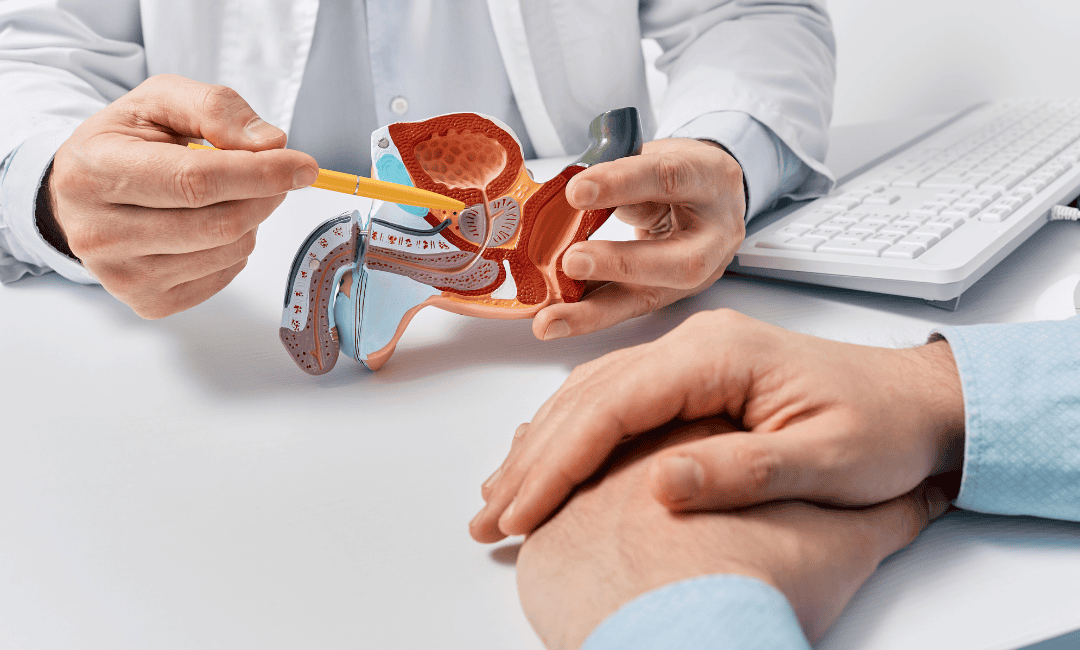
Here's the truth: Prostate-specific antigen is simply a protein your prostate produces. Measuring it helps doctors detect potential problems, sometimes serious ones like cancer, and sometimes benign conditions that require no treatment.
Understanding PSA removes the mystery and helps you make informed decisions about your prostate health.
WhatIsProstate-SpecificAntigen (PSA)?
It's a protein produced exclusively by prostate cells. Your prostate secretes PSA into seminal fluid, liquefying semen following ejaculation. Small amounts leak into the bloodstream, where they're measurable through blood tests.
A prostate-specific antigen test measures the amount of PSA circulating in your blood. Higher concentrations suggest something's affecting your prostate. However, levels alone can't distinguish between these conditions.
The test measures total prostate-specific antigen, both free PSA and bound PSA. Some situations require checking the ratio between free and total PSA, which provides additional diagnostic information.
Prostate-specific antigen significance extends beyond cancer detection. Doctors use PSA monitoring to track treatment effectiveness, detect recurrence following surgery, and assess benign prostatic hyperplasia progression.
UnderstandingthePSATestProcedure
Prostate-specific antigen test procedure involves simple blood collection, though timing and preparation affect accuracy significantly.
When Is a PSA Test Performed?
•Age-based screening
Most guidelines recommend discussing prostate cancer screening starting around age 50 for average-risk men. Those with family history or African ancestry might begin earlier, sometimes at 40-45.
•Symptoms-based testing
Men experiencing prostate cancer symptoms , such as difficulty urinating, weak stream, frequent nighttime urination, and blood in urine, typically receive PSA testing regardless of age. These symptoms equally suggest an enlarged prostate or prostatitis, making PSA measurement valuable for initial evaluation.
•Family history cases
Strong family history, father or brother diagnosed before age 65, warrants earlier and more frequent testing. Hereditary risk substantially increases individual cancer probability.
•Follow-up monitoring
Following prostate cancer diagnosis , regular PSA checks track treatment response. Rising levels after initially successful treatment may signal recurrence months or years before symptoms appear.
What to Expect Before a PSA Test
Preparation matters because several factors artificially inflate PSA readings, potentially triggering unnecessary worry and additional testing.
•Timing considerations
Avoid ejaculation 48 hours before testing. Sexual activity temporarily raises PSA, though the increase typically resolves within two days.
•Postpone testing following prostate procedures
Digital rectal examination generally causes minimal PSA elevation, but cystoscopy, prostate biopsy, or transurethral procedures require a 4-6 week delay before accurate testing.
•Active urinary tract infections or prostatitis
Elevate PSA substantially. Treat infections first, then retest several weeks later to establish a baseline reading.
•Medication effects
Some medications reduce PSA levels. Finasteride and dutasteride, prescribed for benign prostatic hyperplasia, lower PSA by approximately 50%. Your doctor adjusts the interpretation accordingly. Certain supplements, particularly saw palmetto, may affect PSA readings.
What Happens During the PSATest
The actual test resembles any routine blood draw. A phlebotomist cleans your arm, inserts a needle into a vein, and collects your blood sample into a sterile tube. The entire process takes minutes.
Prostate-specific antigen test itself isn't painful. Also, no special positioning or fasting is necessary. You can drive yourself, return to work immediately, and resume normal activities without restriction
What to Expect After a PSA Test
Post-test life continues normally. Apply pressure to the puncture site briefly if bleeding persists. Ice reduces any swelling or bruising.
Prostate-specific antigen results typically arrive within 24-72 hours, depending on laboratory processing. Many healthcare systems now offer electronic access to results, allowing you to review them before discussing them with your doctor.
Understanding the Prostate-Specific AntigenNormalRange
Prostate-specific antigen normal range isn't universal, but it varies by age, race, and individual baseline.
Prostate-Specific Antigen Normal Range by Age*
Generally accepted prostate-specific antigen normal value increases with age as prostates naturally enlarge:
Age range
PSA normal range (ng/mL)
40-49 years
0-2.5
50-59 years
0-3.5
60-69 years
0-4.5
70+ years
0-6.5
These ranges represent general guidelines, but individual baselines matter more than single measurements. Someone consistently showing a level of 1.5 ng/mL, whose level suddenly jumps to 3.8 ng/mL, warrants investigation, despite falling within the normal range for their age.
Why PSA rises with age:
Prostates grow throughout adult life, producing more tissue and consequently more PSA. This benign enlargement, benign prostatic hyperplasia, affects virtually all men eventually. Distinguishing between normal age-related rise and pathological elevation requires tracking trends over time.
Interpreting Prostate-Specific AntigenLevels
Prostate-specific antigen levels exist on a continuum rather than a simple normal/abnormal dichotomy.
What Is Considered HighProstate-Specific Antigen?
High prostate-specific antigen means values exceeding 4.0 ng/mL, though this threshold generates ongoing debate. Many cancers occur with a PSA below 4.0, while many readings above 4.0 reflect benign conditions.
Prostate inflammation from infection or other causes.
•Recent ejaculation
•Vigorous exercise
Particularly cycling.
•Urinary tract infections
•Recent prostate manipulation
Cancer-related elevation: .
Prostate-specific antigen in prostate cancer rises because cancer cells produce more PSA than normal cells and disrupt prostate architecture, allowing more PSA to leak into the bloodstream. However, PSA alone can't confirm cancer, and biopsy provides a definitive diagnosis
Doctors consider PSA velocity (rate of rise over time) and PSA density (PSA level relative to prostate size) alongside absolute numbers when assessing cancer risk.
What Is Low Prostate-Specific Antigen?
Low prostate-specific antigen readings, below 1.0 ng/mL, generally indicate healthy prostate function. Very low readings don't suggest problems; they're reassuring.
Some medications deliberately suppress PSA. Men taking 5-alpha reductase inhibitors for BPH or hair loss show artificially reduced levels requiring interpretative adjustment.
Making Sense of PSA Test Results
Prostate-specific antigen results require contextual interpretation rather than simple good/bad categorisation.
What Do Prostate-Specific Antigen Results Mean?
•Normal range
PSA below age-adjusted normal suggests low immediate cancer risk. Continue routine screening per guidelines.
•Borderline
PSA 4-10 ng/mL occupies the grey zone. Cancer probability ranges from 20-30%, meaning most men with these readings don't have cancer.
•Elevated
PSA above 10 ng/mL increases cancer probability substantially, though benign prostatic hyperplasia still causes many such elevations. A biopsy is typically recommended.
•Trending
Regardless of absolute value, rapid PSA rise, doubling time under three years, raises concern even if numbers remain within normal range.
Remember:
PSA testing detects what causes cancer risk factors, but doesn't diagnose cancer. Only tissue examination provides definitive answers. Many prostate cancer symptoms, such as urinary difficulties, cancer fatigue, and pelvic discomfort, occur with benign conditions too.
CostConsiderations for PSATesting
Prostate-specific antigen test cost varies significantly based on testing location and healthcare coverage.
Approximate cost range
Prostate-specific antigen test cost in India typically ranges from ₹300-₹1,500. Basic PSA measurement costs less; comprehensive panels, including free PSA calculation, run higher.
Factors* affecting price:
•Laboratory type
Government hospitals charge less than private diagnostic chains.
•City location
Metropolitan centres generally cost more than smaller cities.
•Test package
Standalone PSA versus comprehensive male health screening.
•Insurance coverage
Many health plans cover the screening PSA for appropriate age groups.
•Additional markers
Some panels include PSA derivatives (free PSA, PSA density, PSA velocity calculations), increasing cost.
Strategies for ManagingPSALevels
How to reduce prostate-specific antigen depends entirely on what's causing the elevation.
Medical Approaches
•Treating underlying conditions
Prostatitis responds to antibiotics, reducing PSA once infection clears. Benign prostatic hyperplasia medications (alpha-blockers, 5-alpha reductase inhibitors) may lower PSA whilst improving symptoms.
•Monitoring without intervention
Mildly elevated PSA with negative biopsy might warrant active surveillance, regular testing, and tracking any changes before deciding on treatment.
Lifestyle Modifications
Dietary considerations:
Some evidence suggests that dietary changes influence PSA levels:
•Reduce saturated fat intake
•Increase cruciferous vegetables
(broccoli, cauliflower).
•Consider lycopene-rich foods
(tomatoes).
•Limit dairy products
Physical activity:
Regular exercise improves overall health and may modestly reduce PSA, though vigorous activity temporarily raises levels.
KeyTakeaways
The prostate-specific antigen test provides a valuable screening tool for detecting prostate problems early, when prostate cancer treatment succeeds most readily. Understanding the prostate-specific antigen normal range by age helps contextualise results appropriately.
Prostate-specific antigen test procedure involves a simple blood draw with minimal preparation. Regular screening discussions with your doctor, particularly from age 50 onwards or earlier with family history, enable informed decision-making.
Consult a urologist for personalised PSA testing recommendations and result interpretation.
FAQs
No, early prostate cancer typically produces no prostate-specific antigen symptoms, which is why PSA screening matters; conversely, enlarged prostate symptoms occur commonly with normal PSA.
No, it's a simple blood draw with only a brief needle stick; the prostate-specific antigen test itself causes no pain or discomfort.
Yes, benign prostatic hyperplasia, prostatitis, infections, and even vigorous exercise commonly elevate PSA without any malignancy present.