Education5 min read
Vitamin B1 Thiamine Supplements: Nerve Function & Cancer Recovery Support
Dr. Vrundali Kannoth

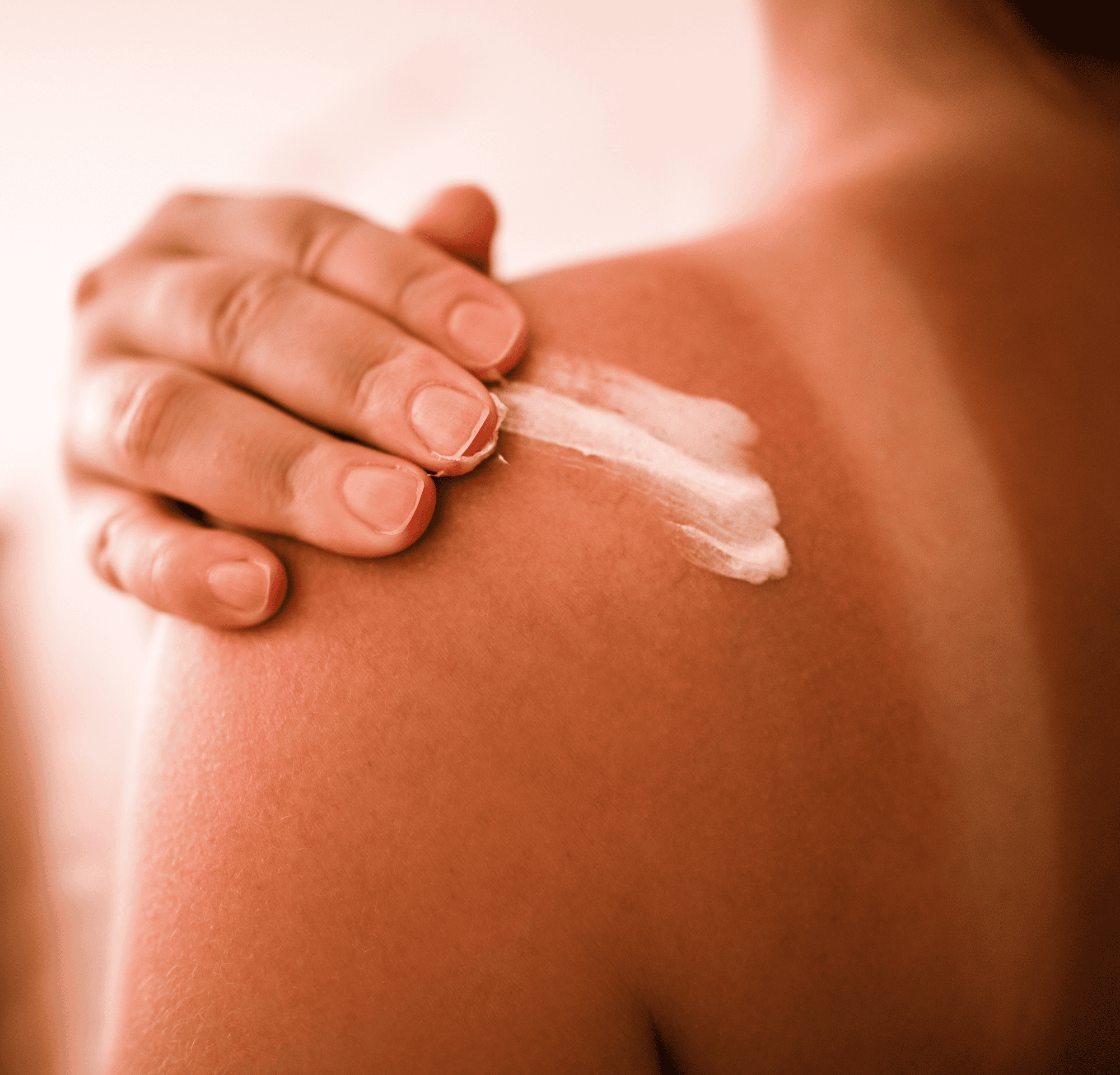
We all love that feeling of looking in the mirror and seeing a fresh, golden glow. For years, many of us visited tanning salons believing it was a safe, controlled approach to a cosmetic tan.
However, as we learn more about tanning beds and cancer, that sense of safety has shifted.
It’s natural to feel uneasy when something familiar is labelled a risk, but we now have the facts and far better ways to care for our skin than accepting DNA damage and skin cancer.
Skin cancer from tanning beds occurs when concentrated light damages the DNA in your skin cells. Moreover, a tan is actually one of the skin’s responses linked to cancer symptoms, as it tries to shield itself from radiation.
In this guide, we’ll explore tanning beds and cancer, and help you how to keep your skin healthy and glowing safely.
Your skin is your body’s natural shield, but it has its limits. When you step into a tanning booth, your skin experiences an intense, concentrated form of UV radiation.
Moreover, when your skin is tanning, it means it has already been injured and is trying to protect itself from further harm. Here is what is happening under the surface:
Beyond the risk of cancer, this radiation also breaks down the collagen that keeps your skin healthy, leading to premature ageing, deep wrinkles, and a leathery texture.
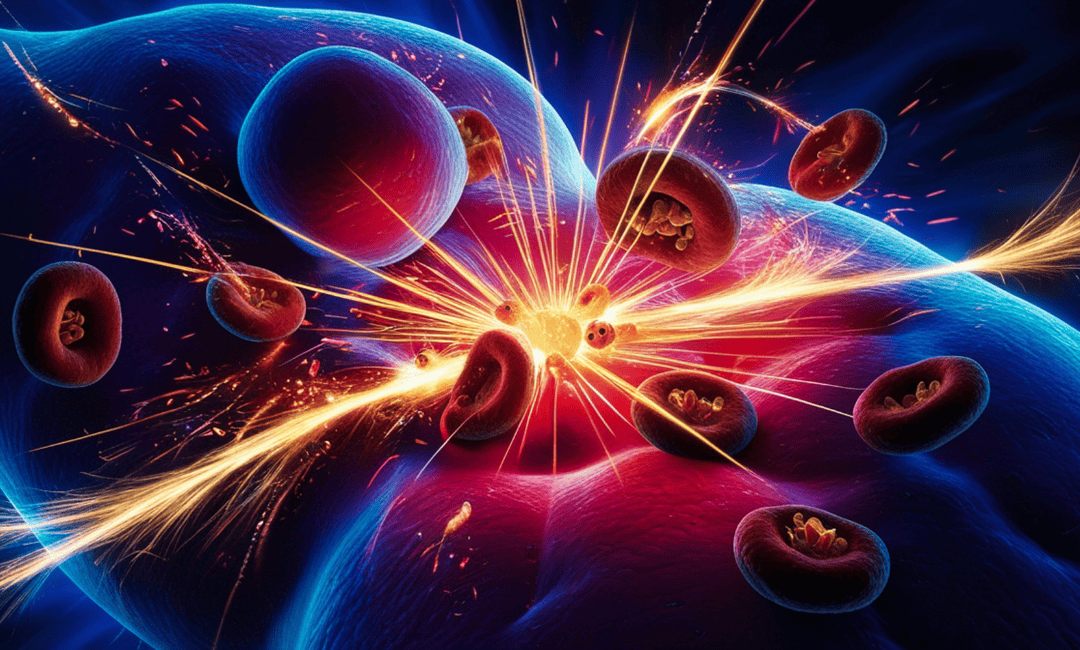
Tanning beds use UVA and UVB light. Both are found in sunlight but are much more concentrated in a bed, which is why tanning beds and skin cancer are so closely linked.
UVA reaches the deep dermis layer. While it doesn't cause a painful burn, it breaks down the structures that keep skin young and leads to tanning beds and skin cancer.
UVB hits surface cells directly, causing the DNA breaks that lead to skin cancer from tanning beds. Some beds have UVB levels 15 times higher than the midday sun.
Here is a quick comparison table for you to understand the difference better:
| Feature | UVA (ageing ray) | UVB (burning ray) |
|---|---|---|
| Penetration | Deep layers (Dermis) | Surface layers (Epidermis) |
| Visible effect | Bronzing and deep wrinkles | Redness, blistering, and burns |
| Internal effect | Damages skin structure | Damages DNA directly |
| Tanning Bed Role | Main component for tanning | Secondary, but very intense |
Whether the damage is happening deep down or on the surface, your skin is still paying a price for that concentrated radiation.
The link between tanning beds and cancer is a scientific fact. So much so that health organisations classify these devices alongside cigarettes as high-level carcinogens.
When we talk about tanning beds and skin cancer, we’re primarily talking about these:
Melanoma is the most dangerous form of skin cancer because it can spread to other parts of your body. If you use tanning beds before age 35, it increases your melanoma risk by 75%.
The risk is higher for young people because your skin cells are dividing more quickly when you are young, making them more vulnerable to the damage that leads to skin cancer from tanning beds.
While these are often less life-threatening than melanoma, they can still be very painful and lead to surgery that leaves permanent scars.
| Cancer type | Risk increase (ever used) | Risk increase (started < 35) |
|---|---|---|
| Melanoma | 20% - 59% | 75% |
| Basal cell (BCC) | 29% | 69% |
| Squamous cell (SCC) | 67% - 83% | Significantly high |
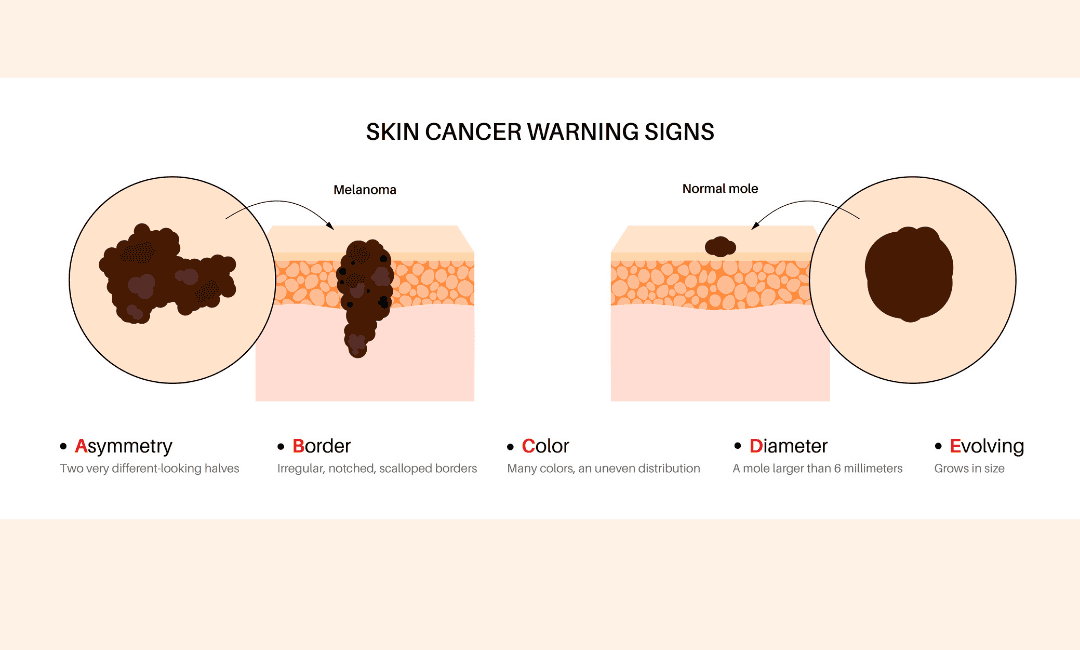
It isn't just about your skin, either. Radiation also weakens your immune system and threatens your eyes. Tanning without proper goggles can lead to cataracts, or even rare, dangerous cancers of the eye like ocular melanoma.
While the dangers of UV radiation can affect anyone, some of us are naturally more vulnerable to cancer risk factors. Certain groups face a much higher chance of developing skin cancer from tanning beds.
Young skin cells divide rapidly, making them more sensitive to DNA damage. When radiation hits cells during this process, permanent mutations are more likely.
Women under 30 who tan indoors are six times more likely to develop melanoma than those who don’t. This makes early exposure especially dangerous.
For some, quitting tanning is often harder than just deciding to stop. UV light releases endorphins, the chemicals in your brain that make you feel good. This can create a cycle like addiction. Scientists have even found genetic links for this behaviour.
Dermatologists use a simple tool called the Fitzpatrick Scale, which is dependent on skin pigment, to help understand your natural risk level.
| Type | Features | Reaction to UV | Risk level |
|---|---|---|---|
| Type I | Very pale skin, red/blond hair | Always burns, never tans | Extremely high |
| Type II | Fair skin, light eyes | Burns easily, tans minimally | Very high |
| Type III | Fair to medium skin | Sometimes burns, tans gradually | High |
| Type IV | Olive or light brown skin | Rarely burns, tans easily | Moderate |
| Type V | Dark brown skin | Very rarely burns | Moderate |
| Type VI | Deeply pigmented skin | Never burns | Moderate |
While those with fair skin are at the highest risk, you’re not immune to cancer if you have darker skin. You may still suffer from UV-induced damage.
Moreover, people with darker skin are often diagnosed with cancer at a later, more dangerous stage.
There is no particular answer to how to prevent skin cancer in tanning beds. This is because the radiation itself is the danger, so no lotion or time limit makes them safe. The most powerful choice for your future health is to avoid artificial UV entirely.
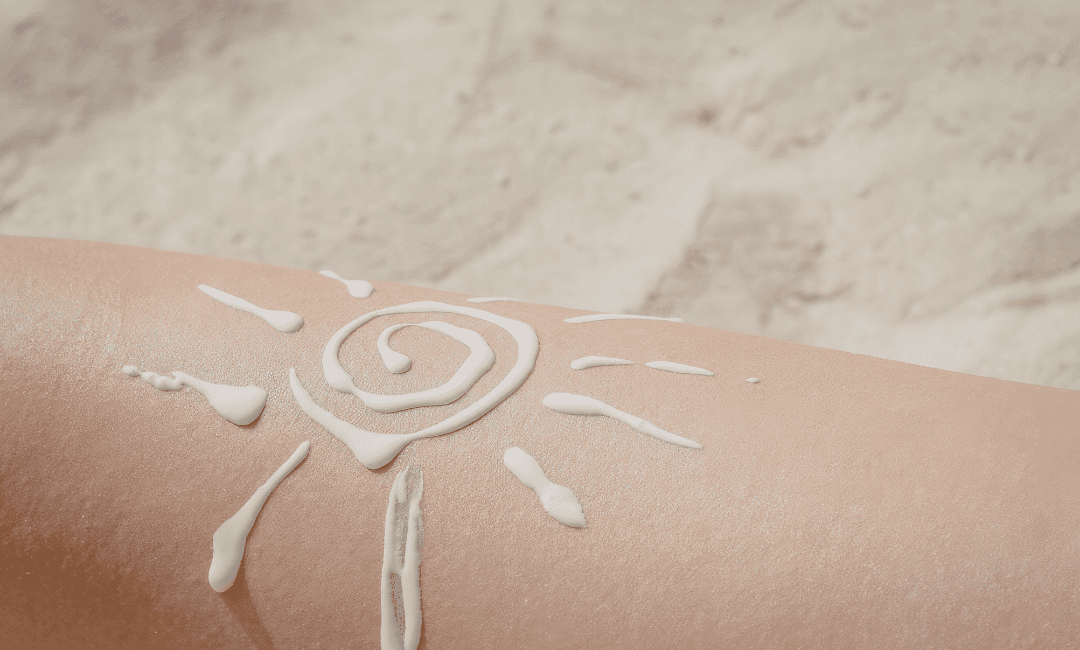
Giving up the bed doesn’t mean giving up your glow. We now have incredible ways to achieve a bronzed look that is "sun-free" and safeguards you from damaging your DNA.
The link between tanning beds and cancer is undeniable. There’s no such thing as tanning beds that don’t cause cancer. Since artificial UV light causes DNA damage and ageing, choosing sun-free glows is the safest way how to prevent skin cancer in tanning beds. A temporary tan is rarely worth the health cost.
If you worry about past exposure, Everhope Oncology provides expert screenings and empathetic care. Our team offers advanced skin cancer diagnostics and personalised support, helping you navigate your health journey with clarity and the best medical guidance available.