
Symptoms5 min read
Folic Acid Supplement: Importance, Benefits and Deficiency Symptoms
Dr. Vrundali Kannoth
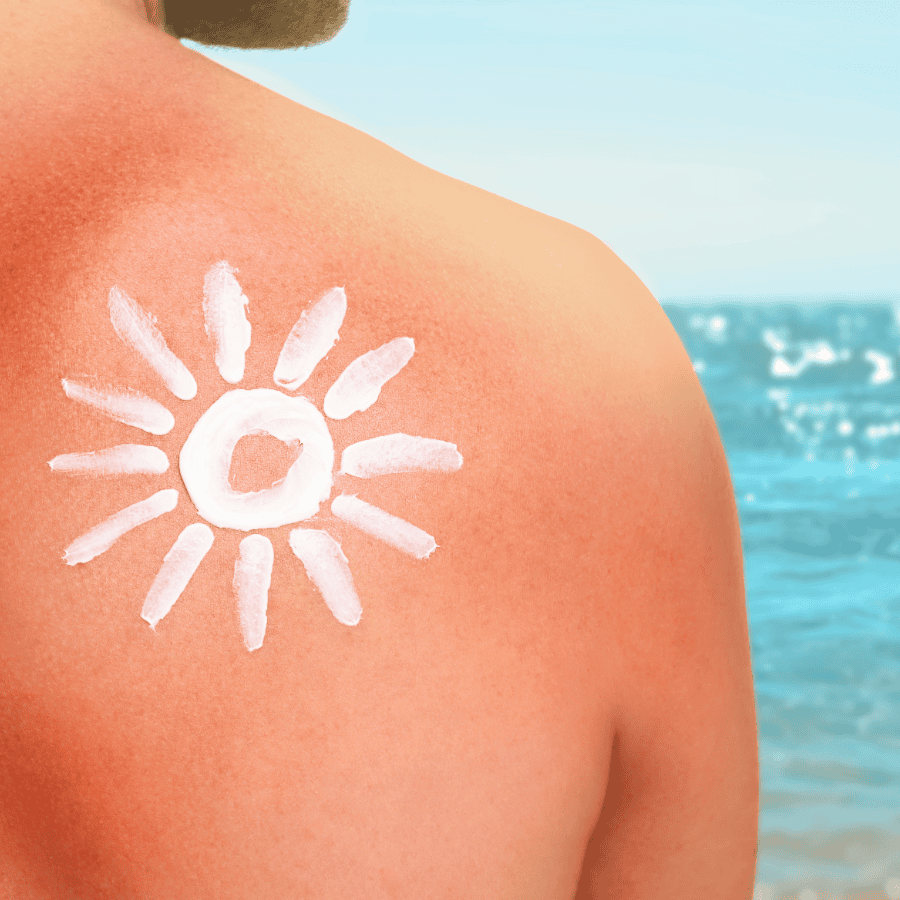
We've all wondered: can the sun cause skin cancer? Every summer brings the same routine. You apply sunscreen before heading outdoors, then hours pass as you're absorbed in activities. The sunscreen wears off. You don't reapply. By evening, your skin feels tight and warm. Maybe you've repeated this pattern for years, even decades. Perhaps you spent childhood summers at the beach without protection, back when nobody worried much about sun damage. Now you're noticing changes. New spots appearing on your face, arms, and shoulders. Patches that won't heal. Dark marks that weren't there before. And you're wondering: have all those sunny days caught up with you? Understanding skin cancer from sun exposure isn't about blame or regret. It's about recognising what's happening in your skin and taking smart action to protect yourself going forward.
The connection between the sun and skin cancer is one of the strongest cause-effect relationships we know in cancer medicine.
Research shows that UV radiation from the sun causes approximately 90% of non-melanoma skin cancers and 86% of melanomas. This makes sun exposure the single most preventable cause of skin cancer caused by sun exposure.
According to data, India is seeing rising skin cancer rates, particularly in outdoor workers and people living at higher altitudes where UV radiation is more intense. How the sun causes skin cancer involves DNA damage as UV radiation penetrates your skin. When this damage overwhelms your body's repair mechanisms, mutations accumulate. Eventually, these mutations cause cells to grow uncontrollably, forming cancerous tumours.
Understanding how does the sun cause skin cancer requires knowing what UV radiation actually is. There are three types of UV radiation:
So, can the sun cause skin cancer? In fact, sun rays cause skin cancer through several mechanisms.
UV radiation creates thymine dimers (abnormal bonds between DNA building blocks). This generates free radicals, damaging cellular structures, weakening immune surveillance, allowing abnormal cells to escape detection, and causing chronic inflammation, creating environments where cancer thrives.
But, how do you get skin cancer from the sun? It's about cumulative damage over time rather than single dramatic exposures. Here are some of the risk patterns:
So, yes, skin cancer from sun is a possibility. According to research, people with five or more severe sunburns in their lifetime have double the melanoma risk compared to those who've never burned.
This question confuses two separate conditions, which are worth clarifying.
Sun allergy (polymorphous light eruption or solar urticaria): These are immune reactions to sun exposure, causing itchy rashes, hives, or bumps. They're uncomfortable but don't directly cause cancer.
However, the cancer connection is indirect. People with sun allergies often avoid sun exposure, which paradoxically might reduce their skin cancer risk compared to people who tan regularly. However, sun allergy itself doesn't prevent cancer if exposure still occurs. Some rare genetic conditions causing severe sun sensitivity (like xeroderma pigmentosum) dramatically increase skin cancer risk, but these aren't typical sun allergies. They're DNA repair defects, making sun damage particularly dangerous. Research emphasises that while sun allergy doesn't cause cancer, it doesn't protect against it either. Sun protection remains essential regardless of sun sensitivity.
Recognising signs of cancer early dramatically improves treatment outcomes. Here are a few warning cancer symptoms that require evaluation:
Basal cell carcinoma (most common type):
Squamous cell carcinoma (second most common):
Melanoma (most dangerous):
Additional concerning features:
Understanding sun spots vs skin cancer helps you know when to worry. Here is a quick comparison.
| Feature | Sun spots (solar lentigines) | Skin cancer |
|---|---|---|
| Appearance | Flat, brown, uniformly colored | May be raised, multiple colours, irregular |
| Borders | Smooth, well-defined edges | Often irregular, poorly defined |
| Texture | Smooth, same as surrounding skin | May be rough, scaly, or crusty |
| Size | Usually <1 cm, stable | Often larger, may grow |
| Symmetry | Symmetrical shape | Often asymmetrical |
| Change | Remain stable for years | Evolve in size, shape, or colour |
| Location | Sun-exposed areas (face, hands, shoulders) | Anywhere, including sun-protected areas |
| Sensation | No pain, itching, or bleeding | May itch, bleed, or feel tender |
When sun spots vs skin cancer distinction is unclear, don't try to self-diagnose. Any suspicious lesion requires professional evaluation. Dermatologists use dermoscopy (magnified examination) to distinguish benign spots from early cancers.
Yes, skin cancer from sun can spread, though the risk varies dramatically by cancer type.
Understanding this emphasises why cancer diagnostics and early detection matter. Catching skin cancers early, when they're small and localised, provides the best outcomes.
Reducing cancer risk factors related to sun exposure is entirely within your control. Check out some of these quick tips to protect yourself from skin cancer from sun.
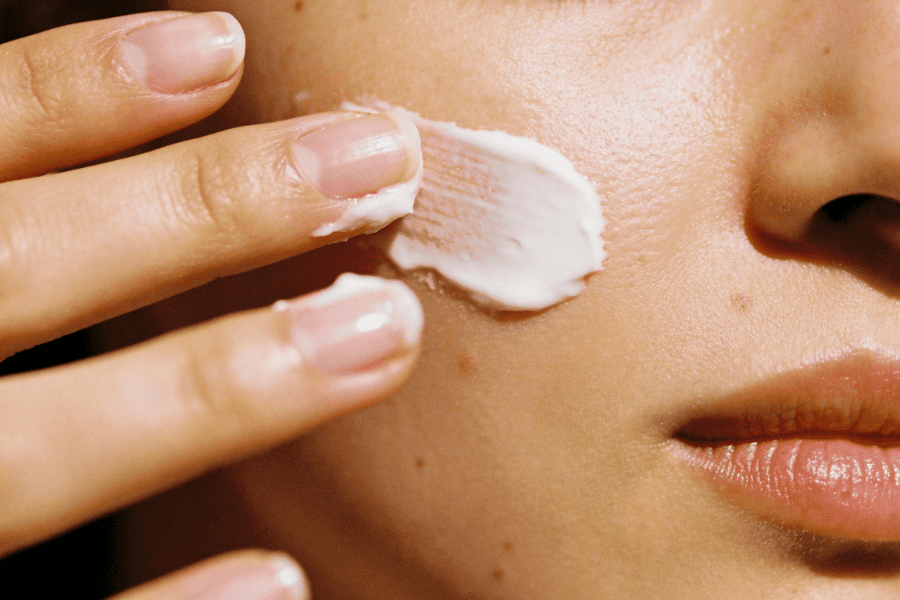
Sunscreen application:
Protective clothing:
Behaviour modifications:
Regular skin examinations:
Research shows that consistent sun protection reduces non-melanoma skin cancer risk by approximately 40% and melanoma risk by 50%.
Skin cancer from sun exposure is highly preventable yet increasingly common. UV radiation damages skin cell DNA, accumulating over decades to cause basal cell carcinoma, squamous cell carcinoma, and melanoma. So, how do you get skin cancer from the sun? Through cumulative lifetime exposure, severe burns (especially in youth), and chronic unprotected exposure. There's no safe level of tanning.
Prevention through daily sunscreen, protective clothing, shade-seeking, and avoiding tanning beds dramatically reduces risk. Early detection through regular skin checks improves cancer treatment outcomes significantly.
What causes cancer from the sun is preventable through consistent protection. Don't let past sun exposure discourage you from protecting your skin now. Starting today reduces future risk.
For concerning skin changes or comprehensive skin cancer screening, connect with experienced dermatologists and oncology specialists who can provide a thorough evaluation and appropriate management.
Yes, most skin cancers detected early are highly curable. Basal and squamous cell carcinomas have 95-99% cure rates with treatment. Early melanomas have a 98% five-year survival.
No specific timeframe exists. Risk accumulates over lifetime. However, severe burns, chronic exposure over decades, and intense intermittent exposure all contribute to cumulative risk.
Yes, studies show daily broad-spectrum sunscreen reduces squamous cell carcinoma by 40% and melanoma by 50% when used consistently with reapplication every two hours.