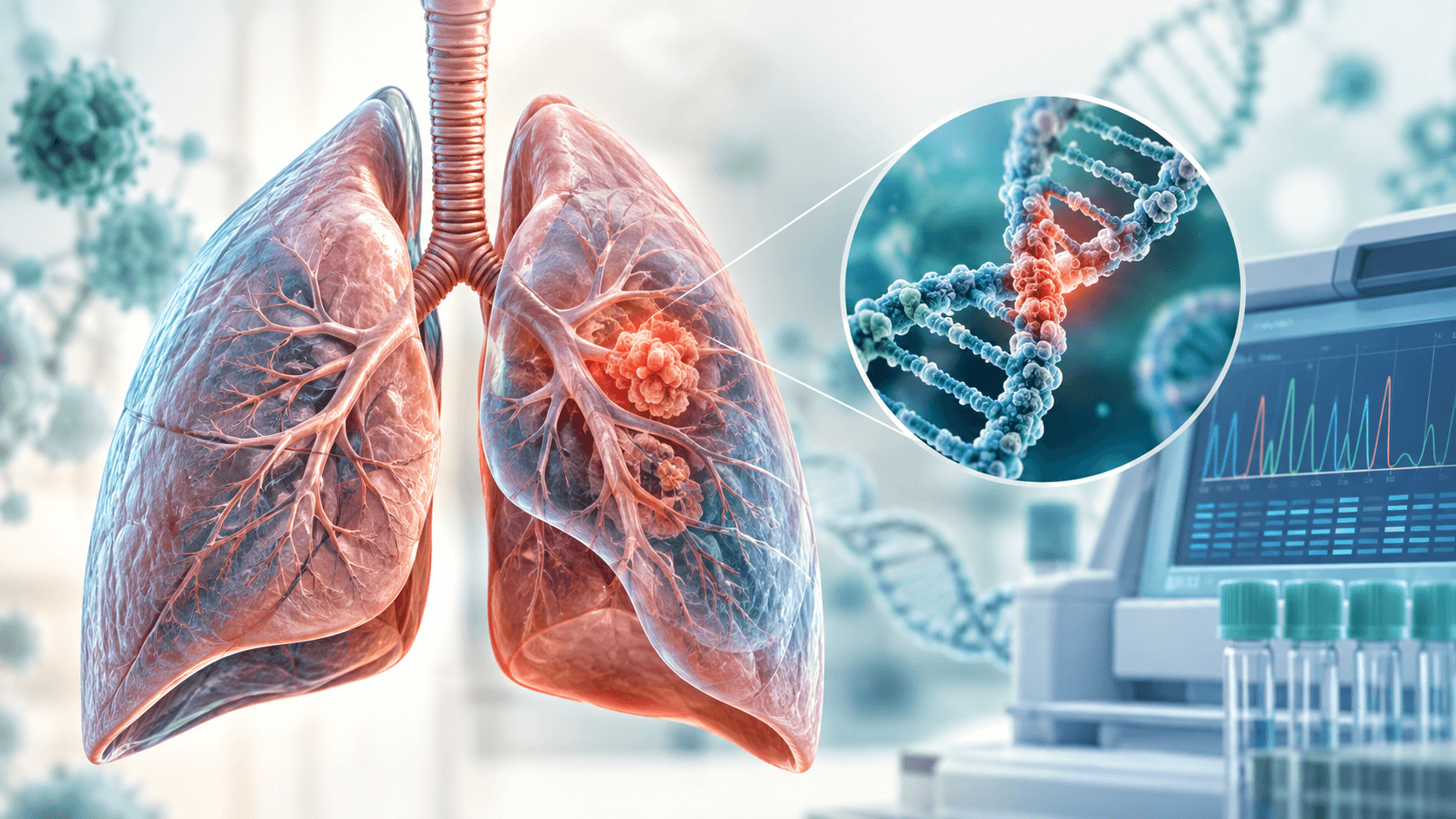

Nutrition5 min read
Spirulina Biotic Powder: Benefits, Nutrition Facts and Its Role in Cancer Nutrition
Dr. Vrundali Kannoth
Getting a cancer diagnosis is hard enough. Getting one that comes with the word "rare" adds a whole different kind of weight. Your doctor might pause, Google gives you more fear than answers, and finding someone who truly understands feels harder than it should.
If that's where you are right now, this is for you.
This guide is here to walk you through what rare cancers are, the different types, what may cause them, and what treatment looks like today.
Because when things feel uncertain, having the right information genuinely helps.
A cancer is medically classified as "rare" when it affects fewer than 5 cases out of a population of 10,000 per year, according to the European Commission's definition. This is a benchmark widely used in oncology research globally.
Globally, this disease accounts for approximately 26.7% of all cancer diagnoses, translating to around 5.35 million new cases and nearly 3 million deaths annually.
The key difference between rare and common cancers isn't just numbers.
Unlike common types of cancer, such as breast, lung, or colorectal cancer, rare cancers often lacks standardised treatment guidelines, have smaller clinical trial pools, and can take years to diagnose correctly.
There are over 200 distinct rare types of cancer, affecting virtually every organ system in the body. Below is an overview of some of the most clinically recognised cancers that are rare:
Sarcomas arise from connective tissue, such as bones, muscles, fat, blood vessels, and cartilage. In India, osteosarcoma and soft tissue sarcomas are among the more frequently reported rare cancers in younger adults and adolescents.
NETs develop in hormone-producing cells, commonly in the digestive tract or lungs. They're often slow-growing but can be difficult to detect early due to vague symptoms.
Strongly linked to asbestos exposure, mesothelioma affects the lining of the lungs, abdomen, or heart. As a rare aggressive cancer, it progressively damages the protective tissue surrounding vital organs, often making it difficult to treat by the time symptoms appear.
Considered among the most rare cancer in the world, ACC originates in the outer layer of the adrenal gland. It affects only 0.5–2 people per million annually and carries a challenging prognosis.
A rare and aggressive skin cancer linked to sun exposure and a specific virus (Merkel cell polyomavirus). It develops in the cells found in the top layer of skin, and tends to grow and spread quickly to nearby lymph nodes and other organs.
While brain tumours broadly are not uncommon, specific subtypes, such as medulloblastoma in adults or primary CNS lymphoma, fall into the rare cancers category.
It would include:
This cancer, in adults and children, differs considerably in type, biology, and clinical approach.
Paediatric cancers are almost universally classified as rare by adult-incidence standards. The most common childhood cancers, like leukaemia, brain tumours, and neuroblastoma, are still rare compared to adult cancers.

Childhood rare cancers often respond more favourably to treatment, with overall five-year survival for tracked childhood cancer survivors exceeding 94% in India.
This cancer tends to appear later in life and is often diagnosed at more advanced stages. Adults also frequently have comorbid conditions that complicate treatment planning.

Some of the most rare type of cancer diagnoses, such as primary peritoneal carcinoma and uveal melanoma, occur almost exclusively in adults.
The honest answer: identifying a cancer risk factor for this type of disease is often far more complex than it is for common cancers, where links to smoking, diet, or sun exposure are well established.
That said, several categories of contributing factors have been identified:
One of the hardest parts of having a rare cancer is simply getting the right diagnosis. By the time a correct diagnosis is made, some patients are already dealing with metastatic cancer, where the disease has spread to other parts of the body
Common reasons for delayed diagnosis include:
This is why seeking a second opinion at a specialised cancer centre is not just reasonable, but also medically advisable for anyone facing a potential rare cancer diagnosis.
Clinically, yes. Cancer treatment is harder for several documented reasons:
However, a rare cancer diagnosis does not mean running out of options. There are still meaningful treatment paths available, as you’ll find below.
The right treatment approach often depends on the stages of cancer at diagnosis, making early detection particularly critical for rare forms of cancer. Here is what current care looks like:
With the right specialist team and access to newer therapies, many patients with this disease are seeing outcomes that would not have been possible even a decade ago.
A rare cancer diagnosis carries real weight - medically, emotionally, and practically. But this disease is not untreatable, and "rare" does not automatically mean "hopeless."
Survival rates for many rare types of cancer have improved substantially over the past two decades, driven by targeted therapies, clinical trial access, and better molecular diagnostics.
The most meaningful steps anyone facing rare cancers can take are: seek care at a specialised oncology centre, and ask about clinical trials early.
Whatever stage you are at, the path forward, however uncertain, is never one you have to figure out entirely on your own.
Yes. The overall burden of rare cancers is rising, partly due to improved detection and reporting, though true incidence increases are also observed in certain subtypes.
Not always. Some, like low-grade NETs, are slow-growing and manageable for years, while others, like mesothelioma, are classified as rare aggressive cancer types with faster progression.
Yes, recurrence is possible and varies widely by cancer type, stage at diagnosis, and treatment received.