
What Are BRCA1 and BRCA2 Genes?
On this page
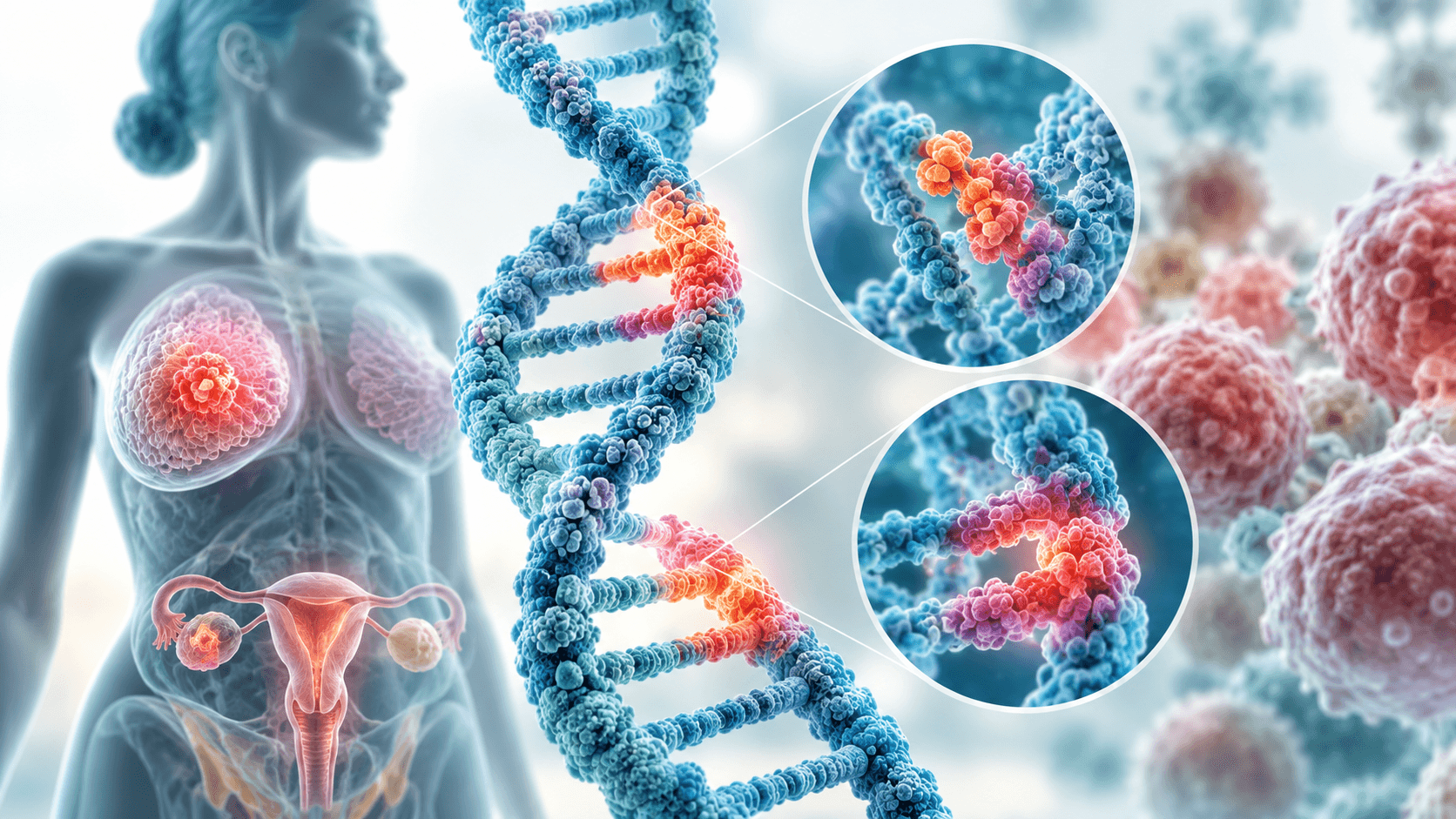
BRCA1 and BRCA2 are genes responsible for making proteins that fix damaged DNA, helping keep our cells’ genetic material stable. When these genes work properly, they act as tumor suppressors, which means they help stop cells from growing out of control. If someone inherits harmful changes in BRCA1 or BRCA2, their DNA repair system doesn’t work as well, which raises the risk of several cancers—especially breast and ovarian cancer. Although named for their link to breast cancer, these genes also affect the risk of other types of cancer.
What Is BRCA Testing?
BRCA testing is a genetic test done using blood, saliva, or a cheek swab to check for inherited changes in BRCA1 and BRCA2. This test determines if someone has a variant that increases their cancer risk.
There are two main types:
- Germline testing: Checks for inherited variants present in every cell.
- Tumor (somatic) testing: Checks for changes only in cancer cells.
Most people asking about BRCA testing are referring to germline tests for hereditary cancer risk.
Who Should Consider BRCA Testing?
BRCA testing isn’t for everyone. It’s recommended if you have:
- A personal history of breast, ovarian, pancreatic, or prostate cancer, especially at a young age.
- Family history of these cancers.
- Multiple relatives affected, or a known BRCA variant in the family.
- Specific circumstances such as Ashkenazi Jewish heritage, male breast cancer, or triple-negative breast cancer. A doctor or genetic counselor can help decide if testing is right for you.
How Is BRCA Testing Done?
Samples are usually collected using blood, saliva, or a cheek swab and sent to a specialized lab. The lab uses genetic sequencing to look for harmful or uncertain changes in the BRCA genes. In some cases, tumor tissue from a biopsy or surgery is tested to guide cancer treatment.
Understanding BRCA Test Results
- Positive:A harmful variant in BRCA1 or BRCA2 is found, increasing cancer risk and possibly changing screening or treatment decisions.
- Negative:No harmful variants detected, but this doesn’t rule out all cancer risk.
- Variant of Uncertain Significance (VUS):A genetic change is found, but it’s unclear if it’s harmful or not. VUS results generally don’t change medical care on their own.
Role of Genetic Counseling

A genetic counselor helps explain what test results mean, discusses cancer risk for you and your family, and covers emotional, ethical, and insurance issues.
Cancer Risks Linked to BRCA Mutations
Inherited BRCA variants raise the risk for:
- Breast cancer (including early-onset and, for BRCA2, male breast cancer)
- Ovarian cancer
- Prostate cancer (especially BRCA2)
- Pancreatic cancer If you’re at high risk, BRCA screening can lead to early monitoring, preventive medication, or even surgery.
BRCA Results and Cancer Treatment
For people with cancer, having a BRCA mutation can influence treatment options. Some tumors with BRCA mutations respond better to targeted therapies like PARP inhibitors. This is part of precision oncology—using genetic information to tailor treatment.
BRCA Testing Timeline and Cost
How long results take depends on the test and lab; most germline BRCA tests take a few weeks. Costs vary widely, from a few hundred to several thousand dollars, depending on the test and insurance coverage. It’s important to discuss costs with your provider and insurer.
Key Takeaways: BRCA1 and BRCA2 are DNA repair genes tied to cancer risk. Testing is done with blood, saliva, or cheek swab samples. Testing is recommended based on personal/family history, not for everyone. Test results can be positive, negative, or uncertain. Results may affect cancer prevention, screening, and treatment. Timing and cost vary by lab and clinical situation.
Frequently Asked Questions:
What does BRCA testing detect?
Inherited changes in BRCA1/2 that raise the risk for breast, ovarian, prostate, and pancreatic cancers.
Difference between BRCA1 and BRCA2?
Both repair DNA but are on different chromosomes and linked to slightly different cancer risks.
Who should get tested?
Those with a personal or family history of certain cancers or patterns suggesting hereditary cancer.
How long do results take?
Usually several weeks.
What does a positive result mean?
Increased lifetime risk for certain cancers and possible changes in medical care.