Nutrition5 min read
Spirulina Biotic Powder: Benefits, Nutrition Facts and Its Role in Cancer Nutrition
Dr. Vrundali Kannoth

It is completely natural to feel emotionally heavy when you first hear the term oestrogen dependent cancer.
We wonder how a hormone that is so essential to life, one that helps your heart, your bones, and your overall well-being, could suddenly become a fuel for something harmful.
Globally, a lot of patients share this feeling of uncertainty, but care and management options are available.
But what are oestrogen dependent cancers? These are specific types of malignancy where the cells use oestrogen to grow and survive.
Oestrogen is a steroid hormone, specifically 17b-estradiol, that travels through your blood to help maintain many functions in the body. In healthy tissues like the breasts and the uterus, it helps regulate cell growth.
But in an oestrogen dependent cancer, the malignant cells produce a high number of proteins called oestrogen receptors that act as landing spots for oestrogen.
When oestrogen attaches to the receptors, it causes the cancer cells to divide and avoid natural cell death.
This dependency happens through two primary pathways:
By identifying these types of oestrogen dependent cancer early, medical teams can focus on treatments that stop these signals.
Several types of oestrogen dependent cancer exist, depending on the different organs in the body that respond to hormones. Each of them behaves differently depending on where they start.
This is the most frequent form of oestrogen dependent cancer. About 70% to 80% of all breast cancers test positive for oestrogen receptors. Oncologists categorise these into groups to decide the best treatment.
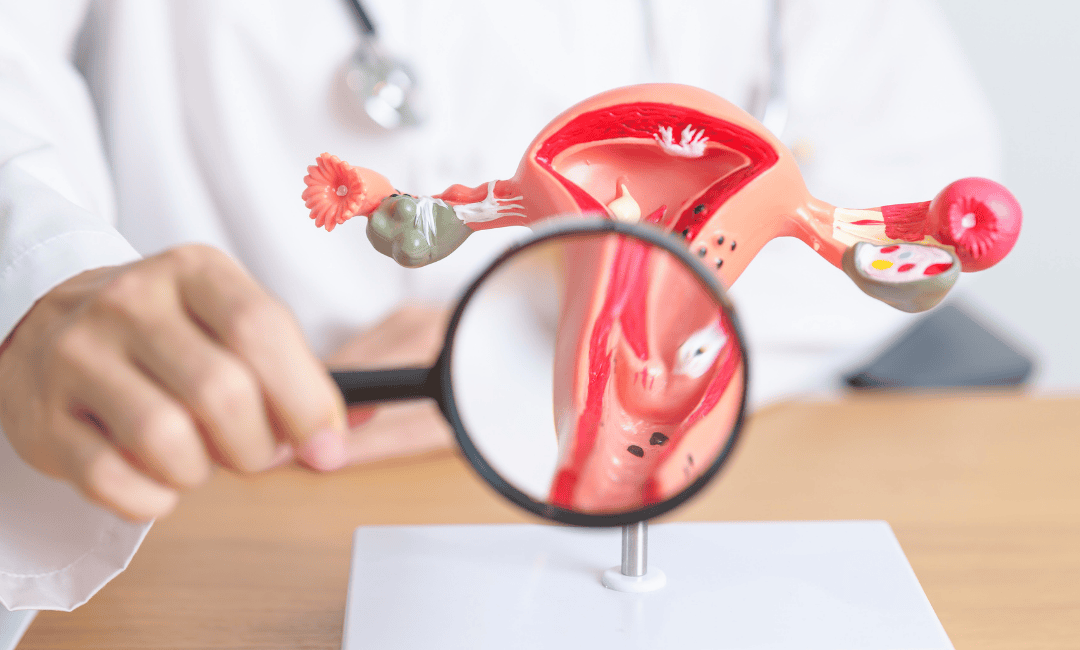
This type of cancer starts in the lining of the uterus. The most common type, known as Type I, is directly linked to having too much oestrogen without enough progesterone to balance it.
This state can cause the lining to become too thick, which may eventually lead to a tumor. You’re more likely to discover this type of oestrogen dependent cancer early because it causes noticeable symptoms, like unusual bleeding.
In the ovaries, certain types of oestrogen dependent cancer are very sensitive to hormone levels.
As these cancers affect different organs, the oestrogen dependent cancer symptoms may often depend on where the cancer is located. For instance:
Most oestrogen dependent cancer causes are tied to how long your body is exposed to oestrogen over your lifetime. Because oestrogen signals cells to grow, more exposure increases the chance of cells growing unnaturally.
The total amount of hormone exposure from your reproductive years and late menopause is a primary part of your oestrogen dependent cancer risk factors.
Other oestrogen dependent cancer causes include having a higher body weight after menopause or inheriting gene changes that affect how your body repairs itself:
| Factor | How it influences risk |
|---|---|
| Reproductive history | More lifetime cycles (early start or late end) increases exposure. |
| Body weight | Higher fat tissue increases oestrogen production after menopause. |
| Genetics | Inherited mutations like BRCA2 or Lynch syndrome increase susceptibility. |
| Medical history | Using certain hormone therapies without balance can affect the uterine lining. |
Finding the right oestrogen dependent cancer treatment begins with the tumour's biology. Here’s how it usually goes:
There are many practical steps we can take in our daily lives to support effective oestrogen dependent cancer management:
The goal of oestrogen dependent cancer treatment is to starve the cells of their fuel. There are a few primary ways to do this:
Sometimes cancer cells change so they can grow without oestrogen. This is often caused by a genetic mutation cancer called ESR1.
To stop this, healthcare professionals often combine hormone therapy with targeted drugs like CDK4/6 inhibitors.
These medicines block the paths the cancer uses to bypass treatment, keeping the disease under control more effectively.
Effective oestrogen dependent cancer management is about the choices you make regularly to support your long-term health:
A high-fibre diet helps remove excess oestrogen by binding it in the digestive tract. Foods like beans, whole grains, and flaxseeds support healthy hormone balance.
Whole soy foods (tofu, edamame) are safe and may be protective. Their compounds can block stronger oestrogen from affecting cells.
Staying active and maintaining a healthy weight reduces oestrogen levels, improves insulin function, and lowers inflammation.
Here is a quick overview of the factors you can consider:
| Modifiable factor | Strategy | Impact on hormones |
|---|---|---|
| Dietary fiber | 25–38g daily | Helps remove excess oestrogen from the body. |
| Whole soy | 1–3 servings daily | Competes with stronger hormones for cell receptors. |
| Activity | 150–300 mins/week | Reduces the oestrogen produced in fat tissue. |
| Alcohol | Limit or avoid | Helps keep circulating hormone levels lower. |

Combining the available cure for oestrogen dependent cancer with proactive management allows you to target the specific growth signals the cancer relies on to survive.
Everhope Oncology offers the specialised support and expert guidance needed for your unique situation. We provide compassionate services to help you navigate your recovery with confidence and the highest level of care.
Pathologists typically test hormone levels using a blood or urine sample to measure the oestrogen circulating in your system. For a cancer diagnosis, they perform a biopsy.
Consuming plenty of fibre helps your body naturally eliminate excess oestrogen through your digestive system. Staying active and managing your weight also reduces hormone levels.
Yes, inherited mutations in genes like BRCA2 or conditions like Lynch syndrome can play a role in how these cancers develop. Share your family history to stay ahead of potential risks.