Nutrition5 min read
Spirulina Biotic Powder: Benefits, Nutrition Facts and Its Role in Cancer Nutrition
Dr. Vrundali Kannoth
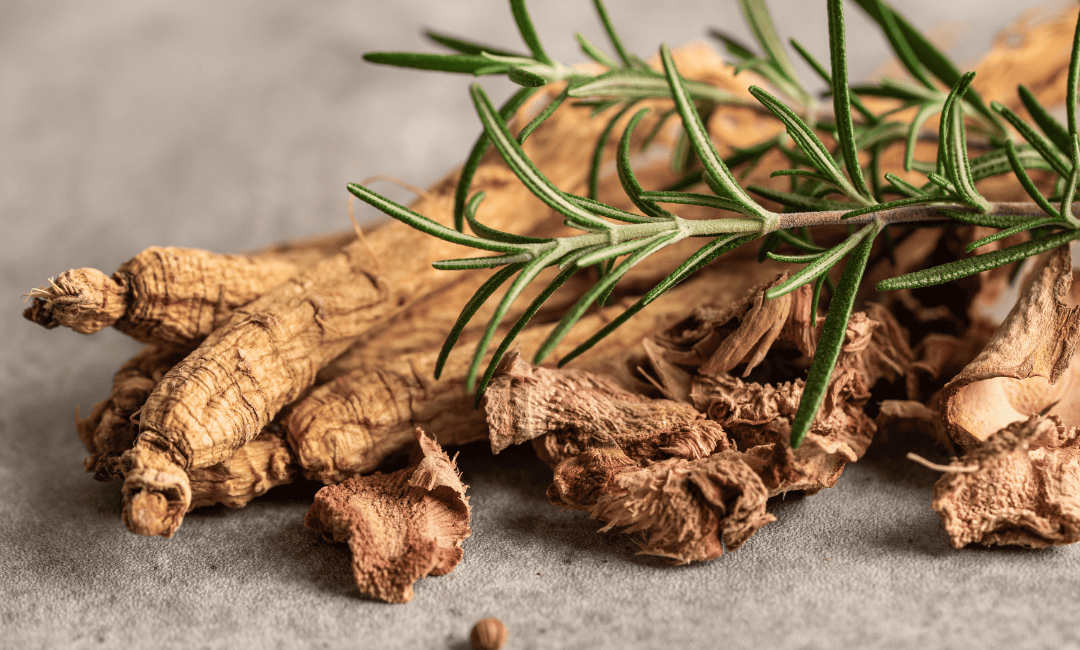
Fatigue, low immunity, and a lasting sense of depletion are common for many people managing illness. A ginseng supplement is one of the more studied natural options for these concerns.
Ginseng is an adaptogenic herb that helps the body respond to physical and emotional stress. It has been used in traditional medicine for thousands of years and is now supported by a growing body of clinical research.
A trial in the Journal of the National Cancer Institute found that American ginseng significantly reduced cancer-related fatigue in patients undergoing active treatment. This points to ginseng's growing relevance in oncology nutrition.
Read more to learn its benefits, its types, safe dosage guidance, and how ginseng may support those navigating cancer treatment and recovery.
Ginseng refers to several species of slow-growing plants in the genus Panax, whose roots have been used medicinally for over 2,000 years.
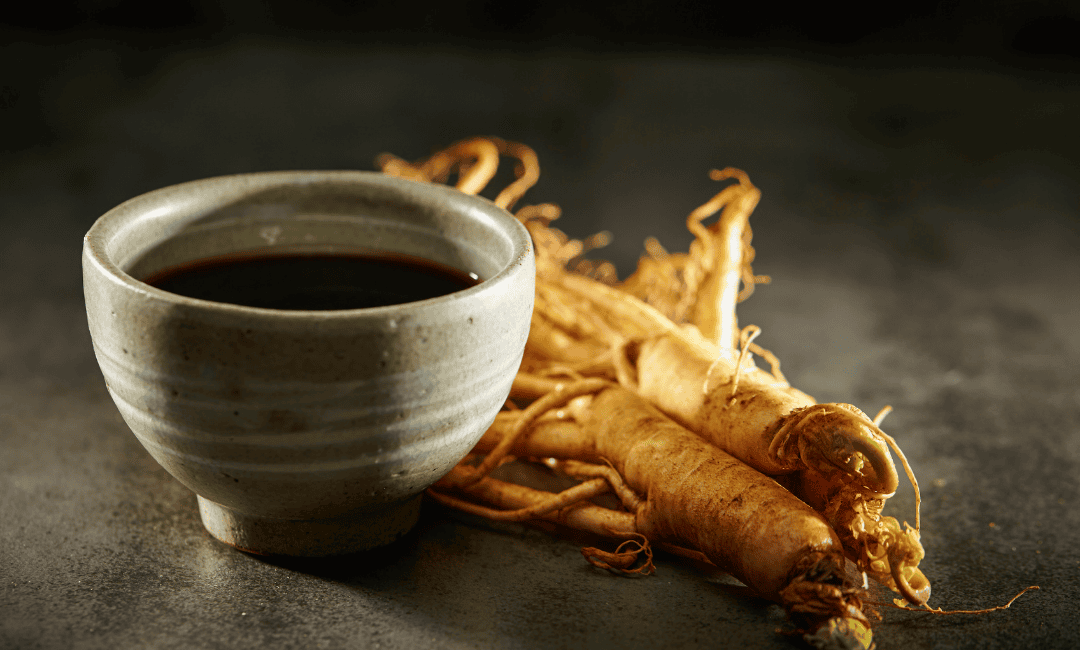
The active compounds in ginseng are called ginsenosides, a family of triterpenoid saponins unique to the Panax genus. They are responsible for ginseng's adaptogenic properties:
The importance of ginseng supplements lies in this adaptogenic quality. Unlike stimulants, ginseng does not simply push the body to do more.
It helps it function more efficiently under pressure. That distinction matters for people whose bodies are under the considerable strain of cancer treatment.
Types of ginseng supplements vary in both botanical origin and effect. The two most clinically relevant are Asian ginseng (Panax ginseng) and American ginseng (Panax quinquefolius).
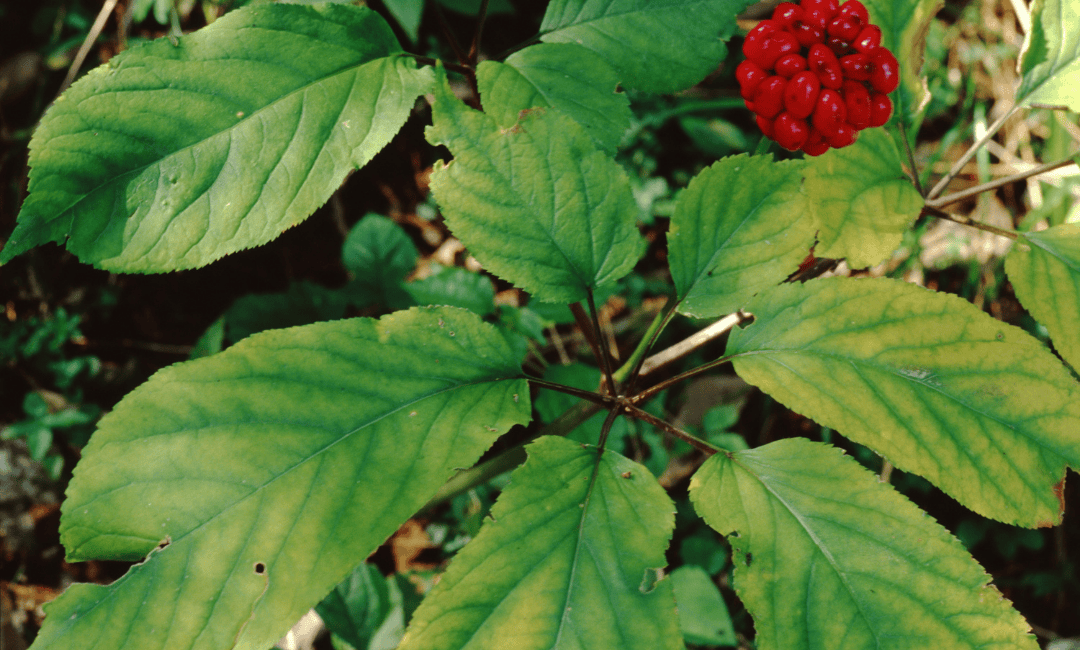
Understanding which type of ginseng supplement is appropriate requires looking at both the individual's health goals and their current treatment context. What works well for one person may not be the right fit for another.
The table below compares the two most widely used types:
| Feature | Asian ginseng | American ginseng | Which to consider |
|---|---|---|---|
| Primary effect | Increases energy and mental alertness | More calming | Energy vs recovery support |
| Active compounds | Higher Rg1 ginsenosides | Higher Rb1 ginsenosides | Depends on symptoms |
| Traditional use | Tonifying energy; longevity support in traditional Chinese medicine | Cooling herb; used in North American indigenous medicine for fatigue and immunity | Both have long histories of safe traditional use |
| Cancer care relevance | Fatigue and quality of life | Immune balance and tolerance | Discuss with the oncologist based on treatment type |
| Form available | Capsules, tablets, powder, liquid extract | Capsules, tablets, tea, tincture | Standardised extracts preferred for consistent dosing |
Red ginseng is Asian ginseng that has been steamed and dried to alter its ginsenoside profile. It enhances certain bioactivities, including antioxidant and immune-modulating effects.
It is also widely used in Korean traditional medicine and has been studied specifically in the context of cancer recovery and post-treatment fatigue.
Ginseng supplement benefits span a wide range of body systems. Ginseng works across several pathways simultaneously. The effects are gradual and cumulative, which is important to understand when setting expectations:
Several studies have found that Asian ginseng supplements support working memory, reaction time, and mental clarity.

A review published in Psychopharmacology concluded that Panax ginseng positively influenced cognitive performance across multiple domains. For patients experiencing chemotherapy-related cognitive changes, this effect is particularly relevant.
A ginseng supplement influences several branches of the immune system, increasing natural killer cell activity and supporting T-lymphocyte production. This immune-modulating effect supports both the immune system and cancer treatment.
Both Asian and American ginseng have demonstrated the ability to improve insulin sensitivity and moderate post-meal blood glucose rises.
This matters in cancer care because elevated blood sugar is associated with higher cancer risk and poorer treatment outcomes.
Nutritional strategies that stabilise glucose are increasingly part of comprehensive oncology nutrition planning.
Ginseng supplements in cancer care are an area backed by a growing volume of clinical evidence. Ginseng does not treat cancer, but does address some of the most persistent quality-of-life challenges that patients face during and after treatment.
Cancer-related fatigue is distinct from ordinary tiredness. It is often disproportionate to activity levels and can persist long after treatment ends.
American ginseng's effect on this specific type of fatigue makes it one of the most evidence-backed natural supplements in oncology supportive care.
Ginseng ginsenosides inhibit pro-inflammatory cytokines and modulate the NF-κB pathway, one of the central drivers of inflammation in cancer.

Reducing chronic low-grade inflammation is a meaningful goal in supportive cancer care, alongside active treatment.
Ginseng contributes to the body's antioxidant defence, complementing the role of other antioxidant supplements used in oncology settings.
By neutralising free radicals generated during chemotherapy and radiotherapy, ginseng may help reduce oxidative damage to healthy tissue.
Ginseng has traditionally been used to support appetite and digestive function, both of which are frequently disrupted during cancer treatment.
Understanding nutrition and cancer means recognising that digestive health and appetite are foundational to everything else. A ginseng supplement that helps patients eat better is contributing to their overall nutritional status.
Ginseng supplement uses in modern clinical and wellness contexts are broad. While cancer support is a growing area of application, ginseng has well-established uses across several other health domains that are worth understanding:
As an adaptogen, ginseng helps regulate the hypothalamic-pituitary-adrenal (HPA) axis, the system responsible for the body's stress response.
Prolonged illness and cancer treatment place sustained demands on this system. By modulating cortisol release and improving stress recovery, a ginseng supplement helps the body respond to challenges without becoming depleted.
Ginseng supports blood pressure regulation and endothelial function, the health of the blood vessel lining.

For cancer patients who have received cardiotoxic treatments, cardiovascular support is part of long-term recovery planning. The ginseng supplement uses complement prescribed cardiovascular care.
Ginseng supplement’s sources vary considerably in quality. The most reliable are standardised extracts that specify the percentage of ginsenosides per dose, typically 2-5%.
This standardisation ensures consistent potency between batches. Whole root powder, teas, and tinctures are less reliably dosed. For clinical or therapeutic purposes, a standardised capsule or tablet is the most appropriate form.
Ginseng supplement dosage varies by type, purpose, and individual health context. There is no universal dose. The table below outlines practical guidance on dosage and ginseng supplement absorption across different use cases:
| Purpose | Suggested dose | When to take | Duration |
|---|---|---|---|
| General energy and wellness | 200-400 mg/day standardised extract | When to take ginseng supplement: morning, with or without food | 8-12 weeks, with a break period |
| Cancer-related fatigue (supportive) | 1,000-2,000 mg/day American ginseng (under oncologist guidance) | Morning or split into two doses | As directed by the oncologist; review after 8 weeks |
| Immune support | 400 mg/day American ginseng extract | Morning with a meal | 4-8 weeks; reassess with nutritionist |
| Cognitive support and focus | 200-400 mg/day Asian ginseng | Morning, ideally before mentally demanding activities | Short cycles of 4-6 weeks |
| Stress and adaptogenic support | 200-600 mg/day (type depends on presentation) | Morning or split dose (morning and midday) | 8-12 weeks; avoid evening dosing to prevent sleep disruption |
Ginseng supplement side effects are generally mild and dose-dependent. The table below covers the most important considerations:
| Concern | What to know | Recommended action |
|---|---|---|
| Ginseng supplement side effects (common) | Insomnia, headache, digestive discomfort, and mild agitation at higher doses | Take in the morning; start with a lower dose and increase gradually |
| Blood sugar interaction | Ginseng can lower blood glucose; relevant for patients with diabetes or on related medications | Monitor blood sugar; inform oncologist before use |
| Blood-thinning medications | May interact with warfarin and other anticoagulants, affecting clotting time | Always disclose ginseng use to the oncologist before surgery |
| Hormonal effects | Some ginsenosides have mild oestrogen-like activity, relevant for hormone-sensitive cancers | Patients with oestrogen-sensitive conditions should consult an oncologist before use |
| Pregnancy and breastfeeding | Safety not established; some animal studies show concern at high doses | Avoid during pregnancy and breastfeeding unless advised by a specialist |
For patients and caregivers looking for evidence-based natural support, ginseng represents a meaningful option. Start by discussing ginseng with the oncology team. Choose a standardised ginseng supplement that specifies ginsenoside content.
Micronutrients, adaptogens, anti-inflammatory foods, and adequate protein all work well together. A ginseng supplement that sits alongside a thoughtful plan is likely to produce better results than any single intervention taken alone.
At Everhope, oncologists work to help patients integrate evidence-based supportive therapies into their care, including ginseng. These conversations are welcomed because every part of a patient's recovery deserves thoughtful attention.
Ginseng supports energy by improving mitochondrial function, regulating cortisol, and reducing oxidative stress. This is why its effects on cancer-related fatigue are sustained rather than short-lived, and why it does not typically cause the crash associated with caffeine or similar stimulants.
Asian ginseng (Panax ginseng) is more stimulating and is typically used for energy and cognitive support. American ginseng (Panax quinquefolius) is more calming, with stronger evidence for immune modulation and cancer-related fatigue. The choice between them depends on individual symptoms and treatment context.
Most clinical trials show meaningful effects after four to eight weeks of consistent use. Ginseng is not an immediate-acting supplement; its benefits accumulate gradually as the body's stress and immune systems are supported over time. Consistency of dosing is more important than the size of any individual dose.