
Education5 min read
Vitamin B1 Thiamine Supplements: Nerve Function & Cancer Recovery Support
Dr. Vrundali Kannoth

Perhaps you've heard people say that a strong immune system prevents cancer. Or maybe your doctor mentioned that your white blood cell counts are low during treatment, and you need to be careful about infections.
These conversations raise important questions about the connection between immunity and cancer that many patients struggle to understand clearly.
How exactly does your body recognise cancer cells amongst the trillions of normal cells? Why does chemotherapy that's meant to fight cancer actually weaken your immune defences? And can you truly boost your immunity to help fight cancer more effectively?
Understanding the relationship between the immune system and cancer helps you make sense of what's happening in your body, and what you can realistically do to support your immune health.
The role of immune system in cancer extends far beyond fighting infections to include constant surveillance for abnormal cells that could become cancerous.
Every day, your cells divide trillions of times to replace old or damaged tissues. During constant replication, mistakes occur. There can be DNA copying errors, environmental exposures, or random mutations that create abnormal cells with precancerous characteristics.
Your immune system continuously surveils, identifying and eliminating abnormal cells before they can multiply into tumours. This process, called immunosurveillance, represents your body's first line of defence against cancer development.
Scientists describe the immune system against cancer through three phases called the 3 Es:
Understanding this progression helps explain why cancer risk factors that weaken immunity (chronic stress, poor nutrition, lack of sleep) increase cancer development risk over time.
The mechanism of how does immune system recognises cancer cells involves detecting molecular differences that distinguish cancerous cells from healthy ones.
Cancer cells display abnormal proteins on their surfaces called tumour antigens, which serve as identification tags that immune cells can recognise. These antigens arise from genetic mutations, viral proteins (in virus-associated cancers), or abnormal expression of proteins normally present only during fetal development.
Types of cancer-identifying markers:
How does immune system recognise cancer cells specifically occurs through pattern recognition receptors on immune cells that detect danger signals and abnormal molecular patterns.
When cells become stressed, damaged, or transformed into cancer, they release distress signals that alert immune cells.
However, this recognition pattern can fail sometimes. This explains why boosting immune system to fight cancer doesn't guarantee prevention, as it can be outsmarted by sufficiently evolved cancer cells.
Even before treatment begins, cancer can weaken immune function through several mechanisms:
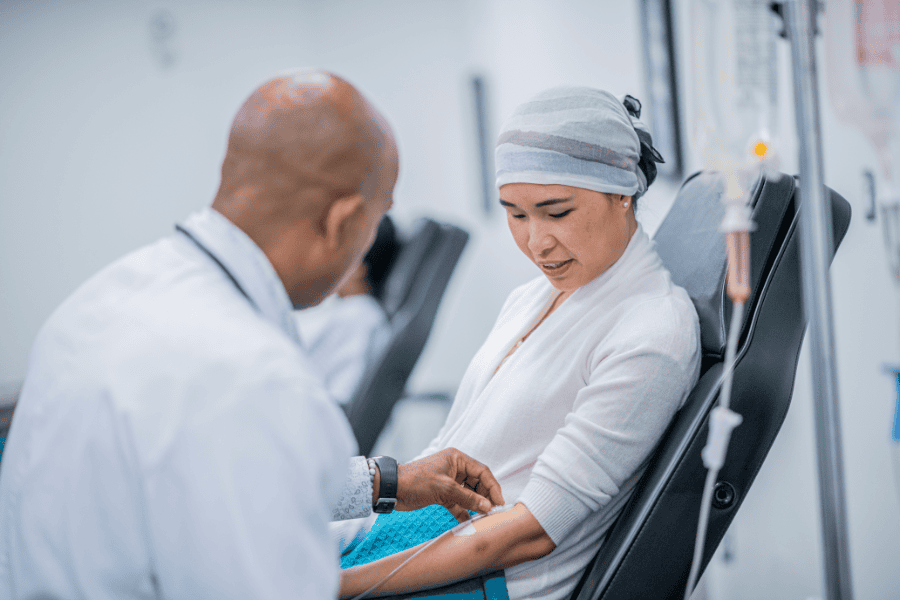
Chemotherapy drugs target rapidly dividing cells, which unfortunately include immune cells in bone marrow and lymph nodes alongside cancer cells.
Immune effects of chemotherapy include:
Radiation therapy affects immunity less systemically than chemotherapy but creates local immune suppression in treated areas.
Large radiation fields (whole abdomen, extensive bone marrow areas) can reduce blood cell production substantially.
Understanding these changes helps explain why infection prevention measures (hand hygiene, avoiding crowds during neutropenic periods, prompt fever evaluation) matter tremendously during cancer treatment.
The question "can a weak immune system cause cancer" requires a nuanced understanding of how immune deficiency influences cancer risk.
People with severely compromised immune systems develop cancer at dramatically higher rates than the general population, providing clear evidence that immunity matters for cancer prevention.
High cancer rates occur in:
However, the cancers these populations develop aren't typical solid tumours but primarily virus-associated cancers (Kaposi sarcoma, lymphomas, cervical cancer) and blood cancers.
Common cancers like breast, prostate, or lung cancer don't increase dramatically with immune suppression.
So, does cancer weaken the immune system? Yes, as discussed. But can a weak immune system cause cancer directly? The relationship is more complex than simple causation.
Immune deficiency contributes to cancer through:
However, most common cancers develop from what causes cancer factors like genetic mutations, environmental exposures (smoking, radiation), hormonal influences, and ageing, rather than simple immune weakness.
Understanding the connection between a strong immune system and cancer helps clarify realistic expectations about what immune health can and can't accomplish.
A strong immune system and cancer prevention connection exists but it isn't absolute. Many people with excellent immune health develop cancer, while some with compromised immunity never do.
Evidence-based approaches to strengthening the immune system focus on supporting natural immune function through lifestyle and medical interventions.
Oncology nutrition for immune support emphasises adequate protein, micronutrients, and overall calorie intake rather than specific "superfoods."
Diet for cancer patients supporting immunity includes:
Moreover, exercise for cancer patients supports immune function through multiple mechanisms, including improved circulation distributing immune cells throughout the body, reduced inflammation, and improved sleep supporting immune recovery.
Also, there are benefits of stretching and yoga for cancer patients, which help in reducing stress. These tips, along with complete and sound sleep, can act as an immune system booster for cancer patients.
The intricate connection between your immune system and cancer involves constant surveillance, recognition, and elimination of abnormal cells that arise naturally throughout life.
When this system works optimally, it prevents countless potential cancers from ever developing into detectable disease. Yet the cancer patient immune system faces unique challenges from both disease and treatment, requiring thoughtful support and protection.
Your immune system represents a powerful ally in your cancer journey, deserving support through healthy lifestyle choices, while recognising it works best in partnership with evidence-based medical care.
For comprehensive cancer care that integrates immune support strategies, nutritional guidance, and evidence-based treatments, connect with experienced oncology specialists at Everhope, who can provide personalised recommendations to support you throughout treatment and recovery.