
Nutrition5 min read
Spirulina Biotic Powder: Benefits, Nutrition Facts and Its Role in Cancer Nutrition
Dr. Vrundali Kannoth

Protein is one of the most talked-about nutrients today. It is also often one of the costlier parts of a diet, especially when powders, shakes and specialised products enter the conversation.
The attention is understandable. Protein supports muscle maintenance, tissue repair, enzyme activity and everyday body function.
During cancer care, meeting protein needs can become harder.
Appetite may drop. Taste changes can make food less appealing.
Digestion may feel sensitive, and not every protein supplement is easy to tolerate. This is where branched chain amino acids may come up.
A branched chain amino acid supplement may be discussed when protein intake needs closer review. This guide explains where BCAAs fit, and what to check first.
Branched chain amino acids are available at the Everhope store — reviewed for use during cancer care.
Branched chain amino acids are essential amino acids found within protein-rich foods and some supplements.
If wondering “How many branched chain amino acids are there?”, the answer is three. The branched chain amino acids list includes leucine, isoleucine and valine.
These are called essential branched chain amino acids because the body cannot make enough of them on its own. They need to come from the diet.
BCAAs are part of protein nutrition, but they are not the same as complete protein.
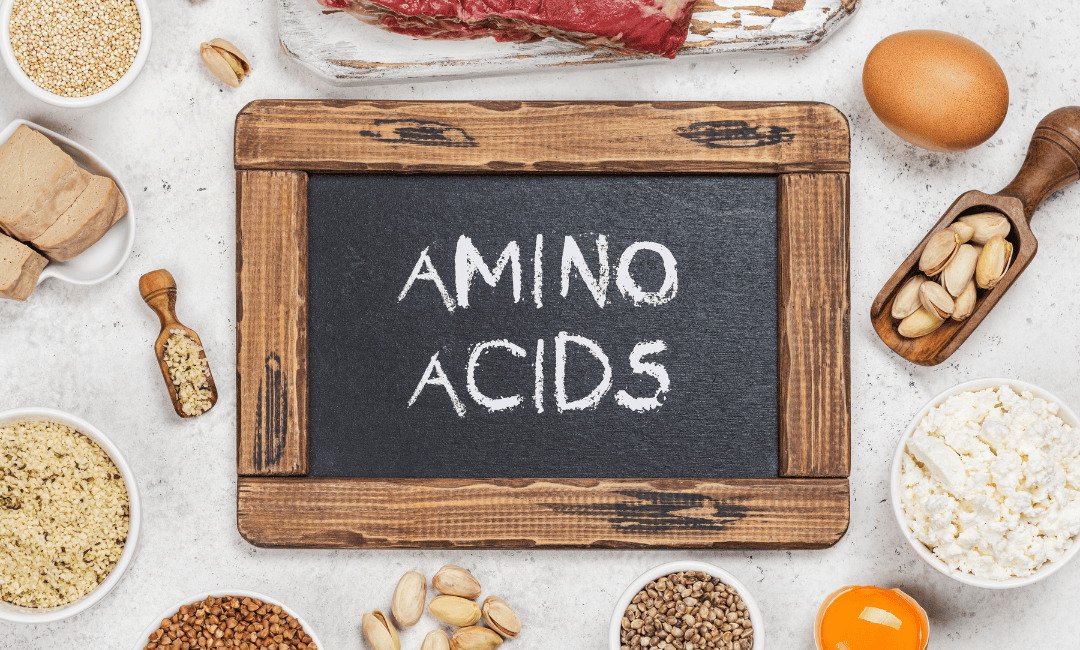
A single branched chain amino acid does not provide all the essential amino acids the body needs for muscle protein synthesis.
Some labels use the wording bcaa branched chain amino acids. This simply refers to the same group of three amino acids.
Common branched chain amino acids examples include leucine, isoleucine and valine. Each BCAA has a slightly different nutritional role:
The main branched chain amino acid function is linked to protein metabolism.
Health benefits of BCAAs are best understood through practical nutrition needs, not treatment effects or recovery claims.
A common question is: What are the benefits of branched chain amino acids?
The main branched chain amino acids benefits become relevant when protein intake is low, meals are inconsistent or muscle-focused nutrition needs reviewing.

In simple terms, branched chain amino acids uses are best understood in nutrition review, where the care team decides whether targeted amino acid support is useful.
BCAAs do not work in isolation, even when leucine is part of the discussion.
Muscle-focused nutrition still depends on total protein intake, other essential amino acids and protein assimilation through digestion and absorption.
A branched chain amino acid may have a role in protein-support planning, but the wider nutrition plan should guide that choice.
The usage of BCAAs in cancer should be discussed carefully.

They may come up when weight change or muscle loss risk needs closer attention during oncology nutrition review.
Cancer and cancer treatments can affect appetite, taste, smell, food intake and nutrient absorption. This can make everyday nutrition harder to maintain.
BCAAs are not reviewed in isolation. The care team usually looks at the wider nutrition picture first, including:
ESPEN guidance notes that people with cancer often need protein intake above 1 g/kg/day and, where possible, up to 1.5 g/kg/day. This should be personalised by the care team.
A diet for cancer patients may include softer meals, smaller portions, protein-rich snacks or complete nutrition products before isolated supplements are considered.
There is no single best protein for cancer patients. A medically reviewed protein powder for cancer patients or oral nutrition supplement may be useful when food intake is limited.
Products such as albumin protein powder may appear in searches, but they should not be treated as automatic choices.
A 2023 review found both possible benefits and adverse-outcome concerns around BCAA supplementation in cancer. So, a branched chain amino acid product should not be used as treatment support.
Sources of branched chain amino acids are mainly protein-rich foods. BCAAs occur naturally within dietary proteins, so both food quality and overall intake matter.
BCAAs can come from animal and plant foods.

Common options include:
These foods provide BCAAs as part of whole protein. No single source is automatically best. Tolerance, preference, digestion and the wider meal pattern all matter.
Types of protein supplements can include BCAA powders, capsules, complete protein powders and oral nutrition supplements.
A bcaa supplement gives isolated BCAAs, while complete protein products provide a wider mix of amino acids.
This distinction matters when comparing supplement labels.
There is no universal BCAA dose that suits everyone. The right amount depends on the person’s needs, intake and current treatment context.
A single branched chain amino acid product should not be judged by the front label alone. The oncology team may need to review:
A branched chain amino acid bcaa supplement should not replace meals, complete protein foods or prescribed nutrition support.
The answer to the question, “When to take branched chain amino acids?”, usually depends on tolerance and routine. Some people may prefer taking them with food if the supplement causes stomach discomfort.
The safest next step is to bring the supplement label to the oncology team. They can check whether the dose and timing are suitable.

FM Nutrition Hydrolysed Plant Protein (300 gm)
Hydrolysed plant protein with BCAAs and MCT
₹825₹889
Branched-chain amino acid side effects are usually digestive, but they still matter during cancer care. Some people may notice nausea, vomiting, diarrhoea, stomach discomfort or cramps.
A common question is: are branched chain amino acids safe? The answer depends on dose, product quality and health status.

Safety may need closer review when:
People with metabolic disorders such as maple syrup urine disease need strict medical guidance around BCAAs. This condition affects how the body handles branched-chain amino acid metabolism.
A branched chain amino acid product should be paused and reviewed if symptoms feel severe, unusual or persistent.
This review helps connect symptoms, supplement use and nutrition goals.
A helpful next step is to keep the supplement label handy for the next oncology nutrition review. The team can look at the serving size alongside recent intake, symptoms, medicines and blood results.
It may also help to note any protein powders, nutrition drinks or other supplements already being used.
If protein or supplement choices still feel unclear during cancer care, Everhope Oncology can help. Our oncology nutrition specialists offer calm, personalised guidance shaped around the treatment plan and daily needs.
The three essential BCAAs are leucine, isoleucine and valine. The body cannot make enough of them on its own, so they must come from the diet.
BCAA supplements may be discussed when protein intake or muscle-focused nutrition needs review. They should not be presented as preventing muscle loss or treating cachexia.
There is no fixed timeline for BCAA supplements to show results. It depends on baseline intake, total protein intake, symptoms, treatment context and the reason for use.
BCAA supplement safety depends on dose, medicines, current health status and the treatment plan. During cancer care, regular use should be reviewed before starting.
Common sources of BCAAs include dairy, fish, soy, meat, poultry, beans and eggs. They provide BCAAs within whole dietary protein.