UnderstandingMucoepidermoidCarcinoma: Key Signs and Care Options
Dr. Vrundali Kannoth|5 min read|
Mucoepidermoid carcinoma is a rare form of cancer that affects the salivary glands. These glands are located around your mouth, jaw, and throat and produce saliva that helps with eating and digestion.
It's not only a rare cancer condition but also grows slowly in most cases. When caught early, it's highly treatable with the right care plan.
Whether you're here for a loved one or simply want to understand more, this guide walks you through mucoepidermoid carcinoma meaning, its symptoms, diagnosis, and more.
What is mucoepidermoidcarcinoma?
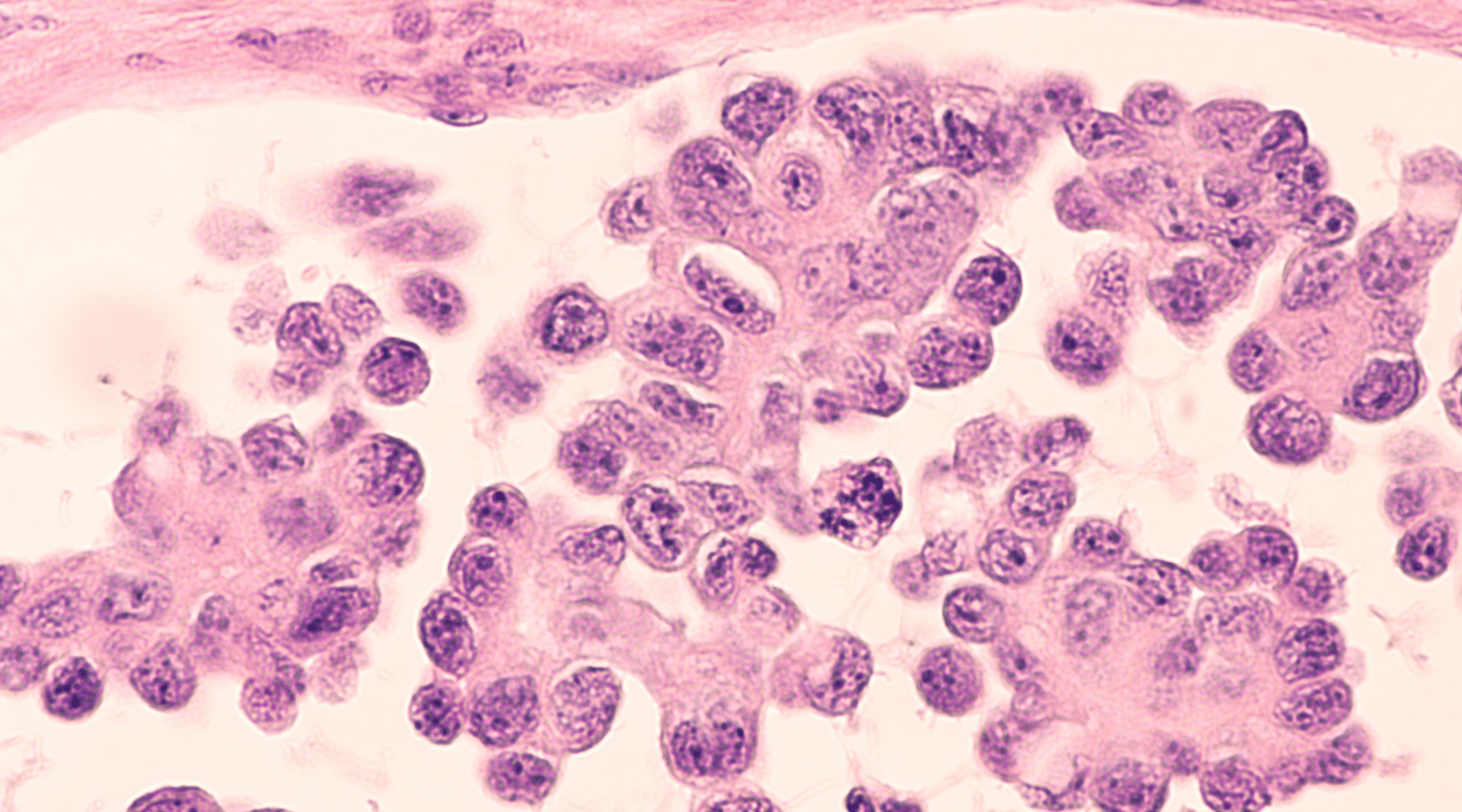
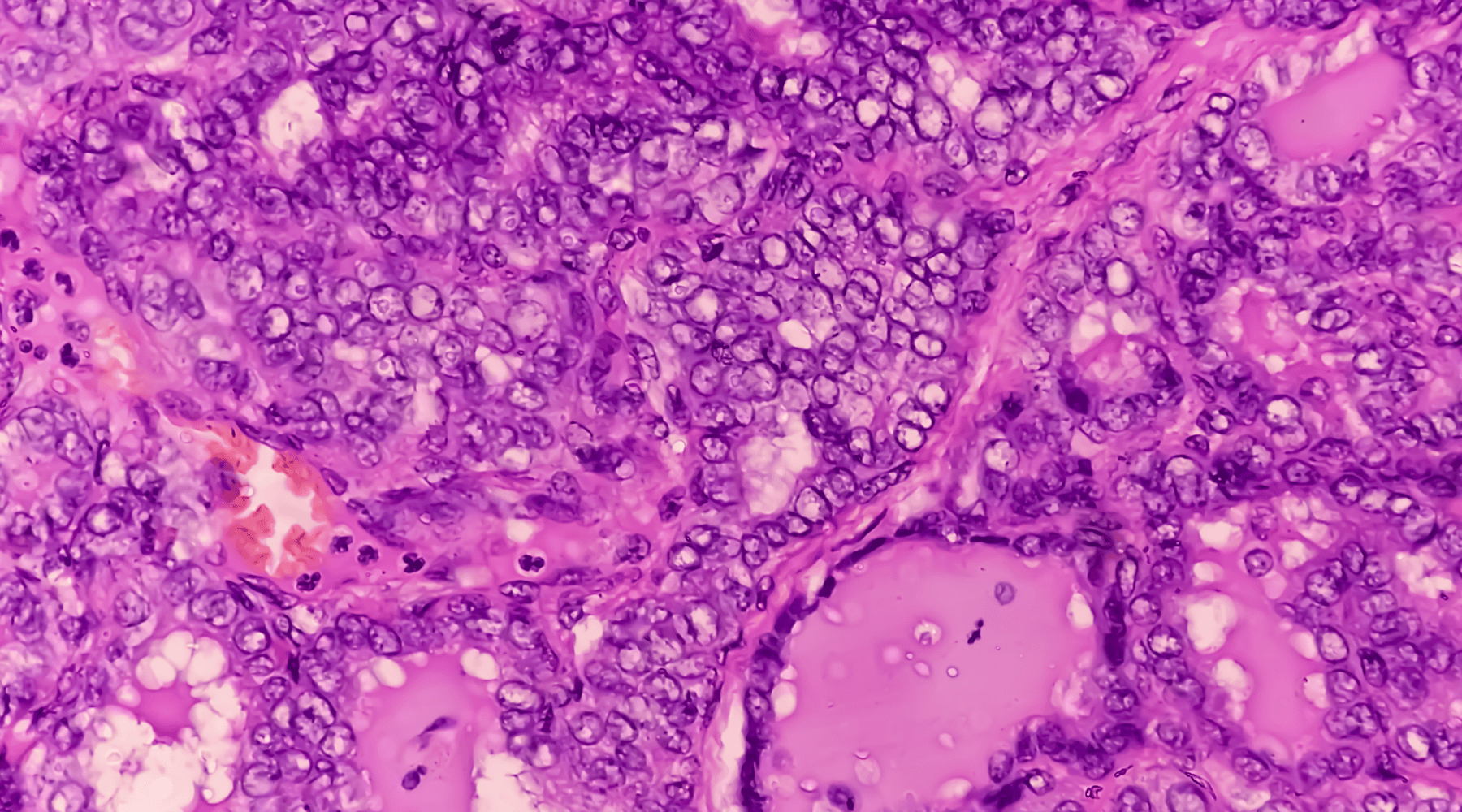
Mucoepidermoid carcinoma develops in the salivary glands, which help with digestion and keep your mouth moist. Carcinoma develops when cells in these glands begin to grow abnormally. The name itself comes from the cell types involved: mucus-producing cells and squamous (flat) cells.
This cancer can appear in major salivary glands like the parotid gland near your ear. Sometimes it also develops in smaller glands inside your mouth, throat, or sinuses.
While it's not always aggressive at the start, catching it early makes a real difference in successful outcomes.
What are the types of mucoepidermoidcarcinoma?
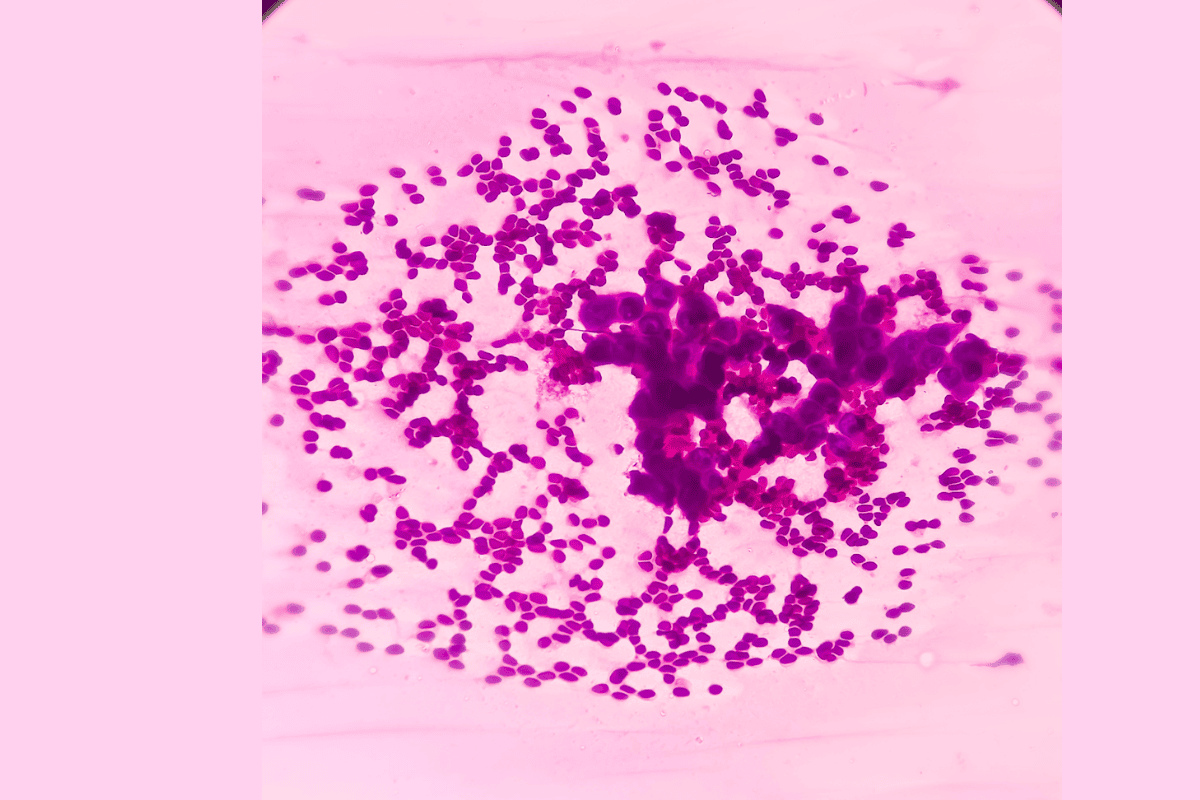
Most oncology doctors classify the condition based on how the cells look under a microscope. This is called mucoepidermoid carcinoma grading.
Moreover, low-grade mucoepidermoid carcinoma rarely spreads to lymph nodes or other parts of the body.
•Low-grade mucoepidermoid carcinoma
This is the least aggressive type, where cells look more normal and grow slowly. It often has a very good prognosis, with surgery alone usually enough.
Moreover, low-grade mucoepidermoid carcinoma rarely spreads to lymph nodes or other parts of the body.
•Intermediate-grade mucoepidermoid carcinoma
This type sits between low and high-grade, with cells showing moderate abnormalities. It may grow faster than low-grade types.
The doctor might recommend surgery followed by radiation therapy to reduce the chance of it coming back. Its prognosis is also favourable, especially with timely care.
•High grade mucoepidermoid carcinoma
High grade mucoepidermoid carcinoma is the most aggressive form, with cells that look very abnormal and divide quickly. It's more likely to spread to nearby tissues, lymph nodes, or even distant organs (called mucoepidermoid carcinoma metastasis).
Treatment usually involves surgery, radiation, and sometimes chemotherapy.
Even though this grade is more serious, many patients still respond well to mucoepidermoid carcinoma treatment when it's started early. Close follow-up after treatment is essential.
•Mucoepidermoid carcinoma symptoms to know about
Mucoepidermoid carcinoma often shows up in subtle ways. Many people don't feel pain in the early stages, which is why being aware and regular check-ups matter.
Mucoepidermoidcarcinoma symptoms to know about
Mucoepidermoid carcinoma often shows up in subtle ways. Many people don't feel pain in the early stages, which is why being aware and regular check-ups matter.
This is usually the first sign where you notice a firm swelling near your jaw, cheek, or inside your mouth that shows up slowly over weeks or months.
•Facial numbness or weakness
If the tumor presses on nearby nerves, you may feel tingling or weakness on one side of your face. This can affect your smile or ability to close your eye fully.
•Swelling and discomfort
The affected area may feel swollen or tight. Some people notice it more when eating or opening their mouths wide.
•Difficulty swallowing
When the cancer affects glands near your throat, swallowing might feel uncomfortable. Food may feel like it's sticking or going down more slowly than usual.
•Persistent pain in advanced cases
In later stages of mucoepidermoid Carcinoma, you will feel continuous pain. But if you’re experiencing ongoing discomfort along with a lump, it's important to get it checked.
Not everyone experiences all these mucoepidermoid carcinoma symptoms. Some people only notice a lump. But if any of these signs last more than two weeks, it’s essential to see a doctor.
What causes mucoepidermoidcarcinoma to develop? Risk factors to know about!
The exact mucoepidermoid carcinoma causes aren't fully understood. Researchers are still studying what leads to cancer development.
What we do know is that certain factors may play a role:
•Genetic mutations
Changes in your DNA can cause cells in the salivary glands to grow abnormally. Some of these mutations happen randomly, with no clear trigger.
Most cases aren't inherited. However, if close relatives have had salivary gland cancers, it's worth mentioning to your doctor.
•Radiation exposure
Radiation exposure is one of the possible mucoepidermoid carcinoma causes. People who've had radiation therapy to the head or neck for other conditions may have a slightly higher risk. This includes past treatment for childhood cancers or benign tumours.
•Environmental factors
Exposure to certain chemicals or toxins over time might contribute. However, the link isn't as strong as it is with other cancers like lung or skin cancer.
Though not a direct cause, smoking, alcohol, and tobacco weaken your body's defenses. Since it's linked to many cancer risk factors across different types, it won’t hurt to avoid these habits.
•Age and gender
It can occur at any age, but most cases are diagnosed in adults between 40 and 60. With that said, children and young adults can also be affected.
Moreover, mucoepidermoid carcinoma appears slightly more often in women than in men. The difference isn't large, but it's something researchers have noted.
Having one or more of these mucoepidermoid carcinoma risk factors doesn't mean you'll develop the condition. Many people with these risk factors never get cancer, and many patients have none of these factors at all.
How is mucoepidermoidcarcinoma diagnosed?
A clear mucoepidermoid carcinoma diagnosis involves several steps. Your doctor will want to understand what's causing the lump and how best to treat it.
Here's what the process typically looks like:
Physical exam and medical history
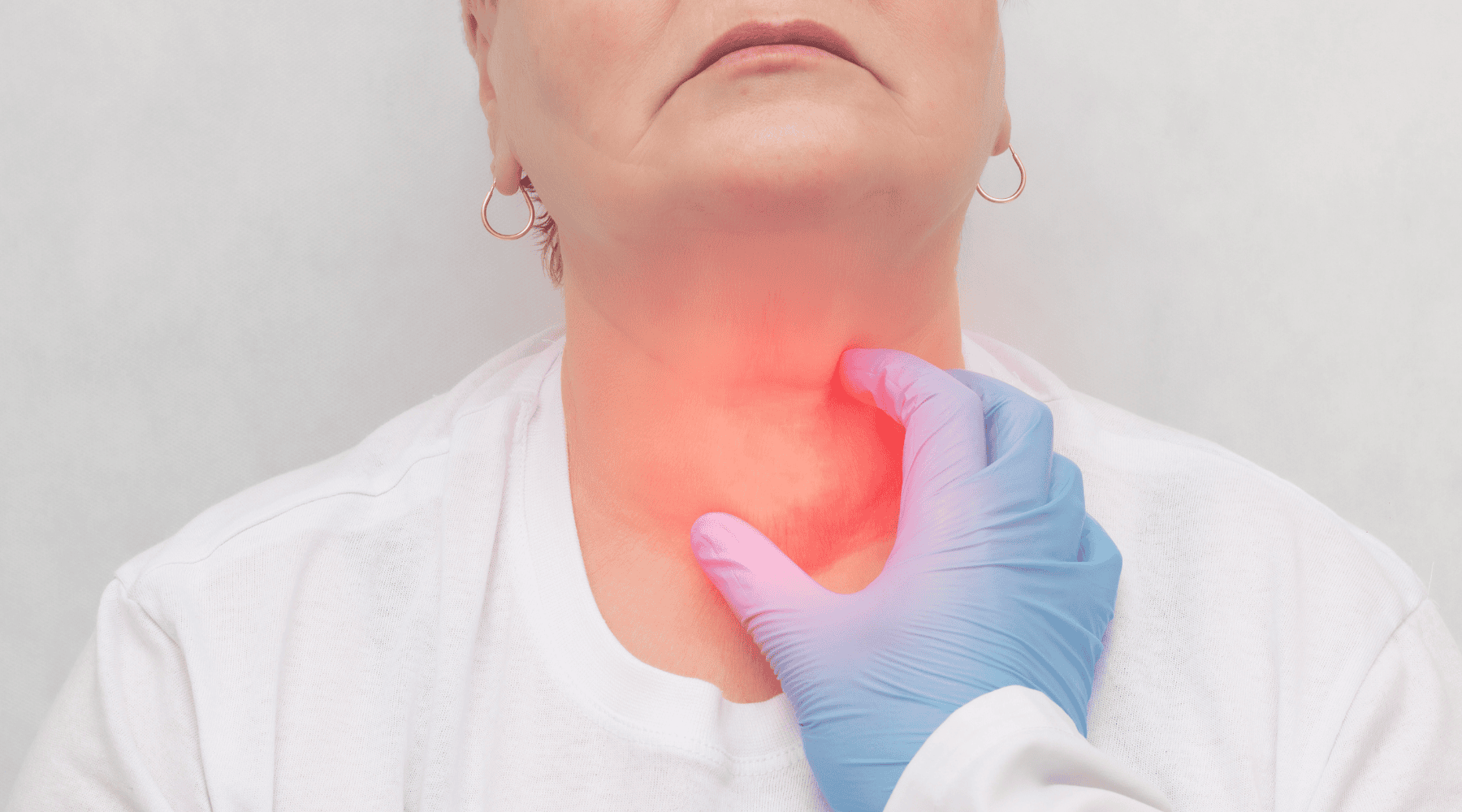
Your doctor will start by examining the lump. They'll check its size, texture, and location.
They'll also ask about your symptoms. When did you first notice the swelling? Is there pain or numbness? Have you had any radiation treatment before?
This helps them decide which tests to order next.
Imaging tests (CT, MRI, Ultrasound)
Imaging gives doctors a closer look at the tumour and surrounding tissues. A CT scan or MRI shows the size and exact location of the growth. It also reveals whether the cancer has spread to nearby lymph nodes or other areas.
Ultrasound is sometimes used for smaller lumps. It's quick, painless, and further helps guide the next steps.
Fine-needle aspiration biopsy (FNAC)
This is often the first biopsy test for cancer, which is a quick procedure done in the clinic. A thin needle is inserted into the lump to collect a small sample of cells.
The sample is sent to a lab and examined under a microscope. It helps determine whether the lump is cancerous and what type it might be.
Biopsy for definitive diagnosis
If FNAC results aren't clear, your doctor may recommend a full biopsy. This involves removing a larger tissue sample, sometimes during a minor surgical procedure. The tissue is tested for cell type and grade to confirm whether it's carcinoma.
Once the diagnosis is confirmed, your care team will discuss the best cancer treatment plan based on the grade, stage, and your personal health
Mucoepidermoidcarcinoma survival rate and prognosis
In intermediate-grade cases, survival rates remain strong, especially with surgery and radiation therapy when needed. The prognosis is still favourable, though regular follow-ups help monitor for any changes.
High-grade mucoepidermoid carcinoma is more serious, with lower survival rates, but treatment can still work well when started promptly.
The key is not to delay. Early action makes all the difference in how smoothly treatment goes and how quickly you recover. A person's prognosis ultimately depends on their age, overall health, and how well they respond to treatment.
Movingforward: What you need to know
Mucoepidermoid carcinoma is a rare disease that often doesn't cause symptoms in its early stages. But if you notice a lump, swelling, or any changes near your jaw or mouth, it's important to reach out to your doctor on time.
When caught promptly, it can be easily removed with surgery, and the chance of recurrence is rare. Depending on the grade, your doctor may also recommend radiation or other therapies to ensure the best outcome.
Many people go on to live full, active lives by properly following the mucoepidermoid carcinoma treatment guidelines.
If you're looking for expert guidance, Everhope Oncology offers personalised cancer care across India. Our team of experienced oncology doctors works with you to create a treatment plan that fits your specific situation, offering compassion and clarity at every step.
FAQs on MucoepidermoidCarcinoma
It depends on the mucoepidermoid carcinoma grading. Low-grade tumours grow very slowly over months or years, while high-grade tumours grow and spread faster.
Surgery is the most common and effective treatment, especially for low and intermediate grades. High-grade cases may also need radiation or chemotherapy.
Yes, though it's rare. When it occurs in children, it's often low-grade and responds well to treatment.