
Nutrition5 min read
Spirulina Biotic Powder: Benefits, Nutrition Facts and Its Role in Cancer Nutrition
Dr. Vrundali Kannoth
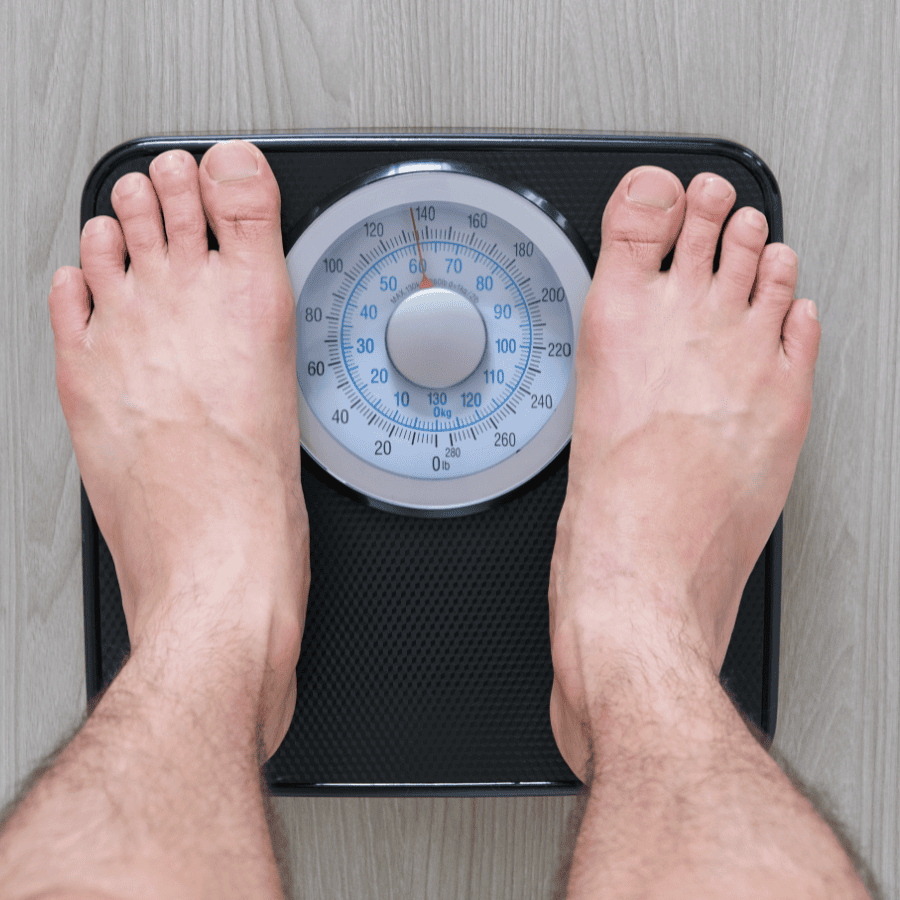
Your clothes fit differently lately, hanging looser than they did just a few months ago without any intentional dieting or exercise changes on your part.
Perhaps you've stepped on the scale and noticed you've lost 5 or 7 kilograms without really trying, which initially felt like a pleasant surprise.
Weight loss that happens without clear reason can trigger understandable anxiety, particularly if you've heard that cancer and weight loss often go together. Before you spiral into worst-case scenarios, let’s provide some context that might ease your mind a bit.
Most unexplained weight loss doesn't turn out to be cancer, with many other conditions causing unintentional weight changes more commonly than malignancy does.
Let‘s walk you through what cancer weight loss actually looks like and when your situation genuinely needs professional assessment.
Cancer weight loss are available at the Everhope store — reviewed for use during cancer care.
Cancer weight loss refers to unintentional, significant weight reduction that occurs when malignancy affects your body's metabolism, appetite, and nutrient absorption.
Normal weight fluctuations of 1-2 kilograms happen to everyone due to hydration changes, meal timing, or temporary illness. Intentional weight loss from dieting or increased exercise is clearly explained by your behaviour changes.
Unexplained weight loss cancer concerns arise when you're losing substantial weight (typically 5% or more of your body weight) over 3-6 months without dietary changes, illness, or increased activity level. You might notice muscle wasting in your arms and legs, facial hollowing, or clothes becoming progressively looser week after week.
Reason of weight loss in cancer involves multiple mechanisms working simultaneously. Tumours produce inflammatory proteins called cytokines that increase your metabolic rate, essentially making your body burn more calories at rest than normal.
Cancer cells consume significant glucose and nutrients for their rapid growth, diverting resources from healthy tissues. Some cancers affect digestion directly by blocking food passage through your digestive tract or reducing nutrient absorption.
Many cancers suppress appetite through hormonal changes and inflammatory signals reaching your brain's appetite centres. Nausea from the tumour itself or location makes eating difficult even when you want to eat.
According to research, approximately 40% of cancer patients experience significant weight loss at diagnosis, with this number rising to 80% in advanced disease stages.

The type varies, though certain cancers are particularly notorious for causing early, dramatic weight reduction.
Considered the classic weight loss cancer because it causes dramatic weight reduction early in disease course. The pancreas produces digestive enzymes and hormones regulating blood sugar, so tumours here profoundly affect nutrition and metabolism.
So, will cancer make you lose weight? The rate of weight loss in cancer patients often is around 10-15% of body weight before diagnosis.
Creates early satiety (feeling full after eating small amounts), reduces appetite, and may cause physical obstruction preventing adequate food intake. Weight loss due to cancer in the stomach often occurs alongside difficulty eating normal meal portions.
Causes progressive difficulty swallowing (dysphagia), starting with solid foods then advancing to liquids as the tumour grows.
Physical inability to eat enough naturally leads to significant weight loss.
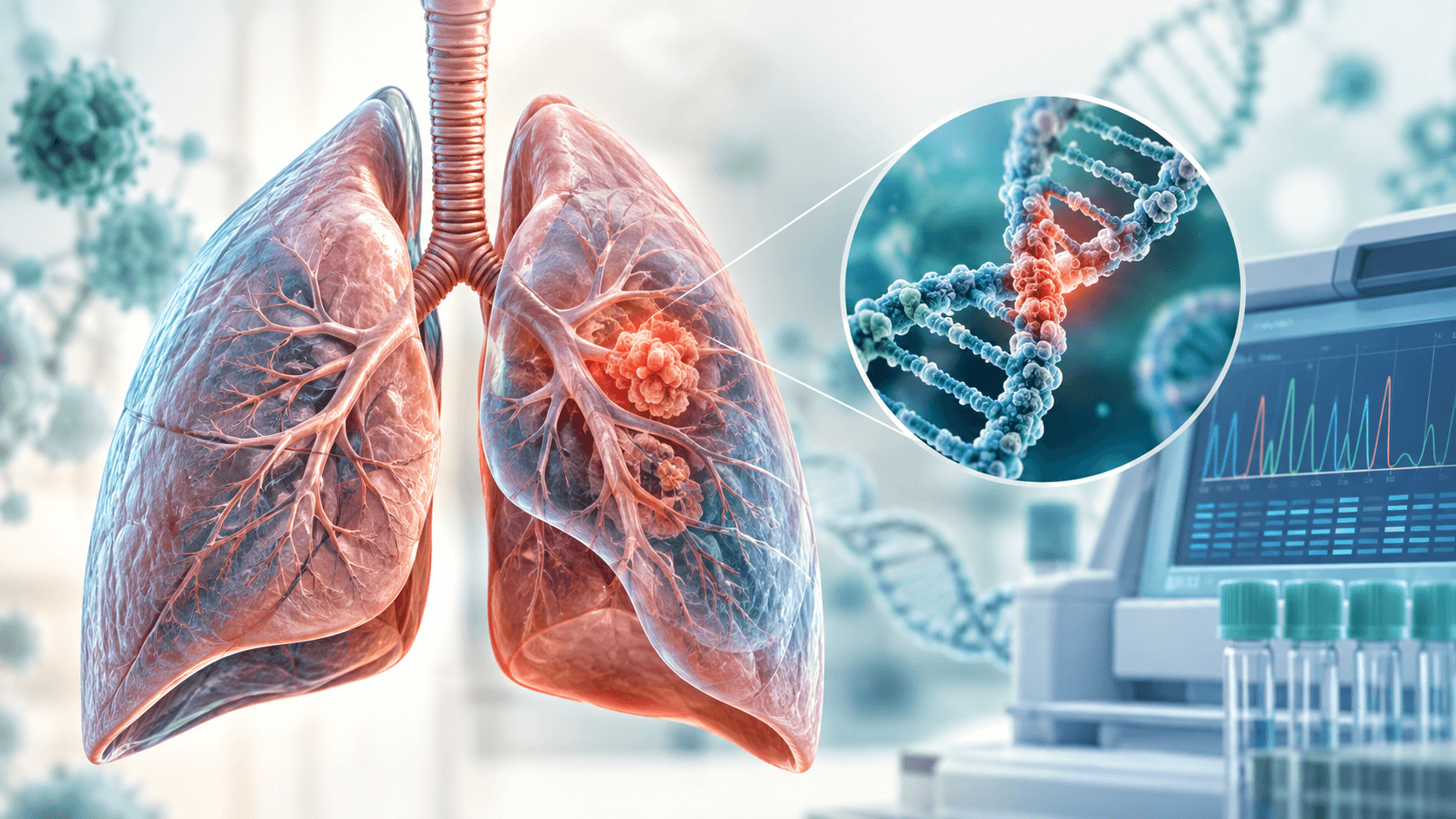
Produces inflammatory cytokines causing cachexia (muscle wasting syndrome) even before the tumour is large enough to cause respiratory symptoms. Patients may lose substantial weight whilst still feeling relatively well otherwise.
Particularly right-sided colon cancers can cause insidious weight loss alongside fatigue and anaemia. Left-sided cancers more commonly present with bleeding or bowel habit changes before significant weight loss develops.
Cancers that cause weight loss also include:
Research found that weight loss at diagnosis correlates with poorer prognosis across virtually all cancer types, emphasising why weight loss cancer symptoms deserve attention.
How much weight loss in cancer warrants evaluation depends on the timeframe and your starting weight.
What is defined as significant weight loss? Most oncologists consider loss of 5% or more of your usual body weight over 6 months as significant and worthy of investigation. For a 70-kilogram person, this means losing 3.5 kilograms or more without trying. Rapid weight loss cancer particularly raises concern when you're losing 10% or more of your body weight over 3-6 months.
If you can clearly identify why you're losing weight (started a new diet, increased exercise, stressful period reducing appetite temporarily, recent illness), waiting 2-4 weeks to see if weight stabilises is reasonable.
However, is weight loss a symptom of cancer should be evaluated promptly if weight loss accompanies other concerning cancer symptoms, including persistent fatigue, change in bowel or bladder habits, unexplained pain, new lumps, or persistent cough.
The correlation of weight with stage shows that while weight loss can occur at any disease stage, its frequency and severity typically increase as cancer advances.
Do all cancers cause weight loss? No, many early-stage cancers cause no weight loss whatsoever. Localised tumours that don't affect metabolism significantly or interfere with eating may cause no weight changes initially.
Some cancers like early breast cancer, prostate cancer, or skin cancers rarely cause weight loss until very advanced.
Cancer weight loss stage IV (metastatic disease) commonly involves cachexia, a complex syndrome involving muscle and fat wasting that occurs despite adequate calorie intake. Cachexia affects 74% of patients with advanced cancer.
Cachexia involves preferential muscle loss that's difficult to reverse even with increased eating. This contributes significantly to cancer fatigue and reduced quality of life.
The presence of cachexia at any stages of cancer worsens prognosis independently of the tumour itself, making prevention and treatment of weight loss important aspects of comprehensive cancer care.
Weight loss occurs commonly even when the cancer itself is responding well to therapy, creating a challenging situation for patients and doctors.
Chemotherapy effects: Many chemotherapy drugs cause nausea, vomiting, taste changes (dysgeusia), and mouth sores (mucositis) that make eating difficult or unpleasant. Food may taste metallic or bland.
Radiation therapy effects: Radiation to head, neck, chest, or abdomen commonly affects eating ability. Head and neck radiation causes painful mouth and throat inflammation, difficulty swallowing, and reduced saliva production.
Surgery effects: Operations involving the digestive tract directly impair eating ability temporarily or permanently. Stomach surgery reduces meal capacity, while intestinal surgery may affect nutrient absorption.
Oncology nutrition specialists play crucial roles helping patients maintain adequate intake during cancer treatment.
Strategies include eating small, frequent meals rather than three large ones, choosing high-calorie, high-protein foods when appetite is limited, and using nutritional supplement drinks between meals.
Weight loss after cancer treatment can occur even months after therapy ends, while other patients struggle with weight gain from reduced activity and hormonal treatments.

Some patients continue losing weight after treatment ends because their appetite hasn't fully recovered.
Others gain weight during recovery, particularly after:
Exercise for cancer patients during recovery helps rebuild muscle mass lost or weight loss during cancer treatment and improves appetite regulation. Starting with gentle activity and gradually increasing intensity.
Working with registered dietitians familiar with nutrition and cancer helps patients navigate post-treatment eating challenges.
Diet for cancer patients in recovery emphasises adequate protein for muscle rebuilding (1.2-1.5 grams per kilogram body weight daily), nutrient-dense foods providing vitamins and minerals supporting healing, and cancer and food habits that are sustainable long-term.

PentaSure Critipep Peptide Diet Powder, Creamy Vanilla, 400 g
Peptide diet powder from hydrolysed whey
₹1,926
We know the answer to “can cancer cause weight loss”, now let’s understand when weight loss signals possible cancer risk:
Obesity and cancer risk:
Cancer treatment targeting tumours represents the most effective approach to stopping cancer-related weight loss.
As cancer shrinks or is removed, metabolic demands decrease and appetite often improves.
Oncology nutrition interventions include:
Cancer weight loss represents significant, unintentional reduction when malignancy affects metabolism, appetite, or nutrient absorption.
Pancreatic, lung, stomach, and oesophageal cancers commonly cause early weight loss, while many early-stage cancers produce no weight changes initially.
For evaluation of unexplained weight loss and comprehensive nutritional support during cancer treatment, connect with experienced oncology and nutrition specialists.
Some cancers like pancreatic cancer cause significant weight loss even when early-stage due to metabolic effects and digestive interference. However, many early-stage cancers including breast, prostate, and skin cancers rarely cause weight loss until advanced.
Yes, cancer-related weight loss (cachexia) preferentially affects muscle tissue more than simple starvation does. Patients lose both muscle and fat, with muscle loss contributing significantly to weakness and fatigue.
Yes, unexplained weight loss after successful cancer treatment can signal recurrence and warrants prompt evaluation. However, weight loss in cancer survivors also occurs from anxiety, depression, or other non-cancer causes.