
Nutrition5 min read
Spirulina Biotic Powder: Benefits, Nutrition Facts and Its Role in Cancer Nutrition
Dr. Vrundali Kannoth
Unexplained tiredness, brittle nails, frequent colds, or slow recovery can be signs that your body is missing key nutrients. During cancer treatment, when eating well becomes harder, these signals may become stronger.
Mineral supplements can help here, since over half the global population consumes inadequate amounts of essential micronutrients, with calcium (66%) and iron (65%) being the most common gaps.
This article walks you through what mineral supplements are, their benefits, their role in cancer care, who actually needs them, and their dosage.
Mineral supplements are available at the Everhope store — reviewed for use during cancer care.
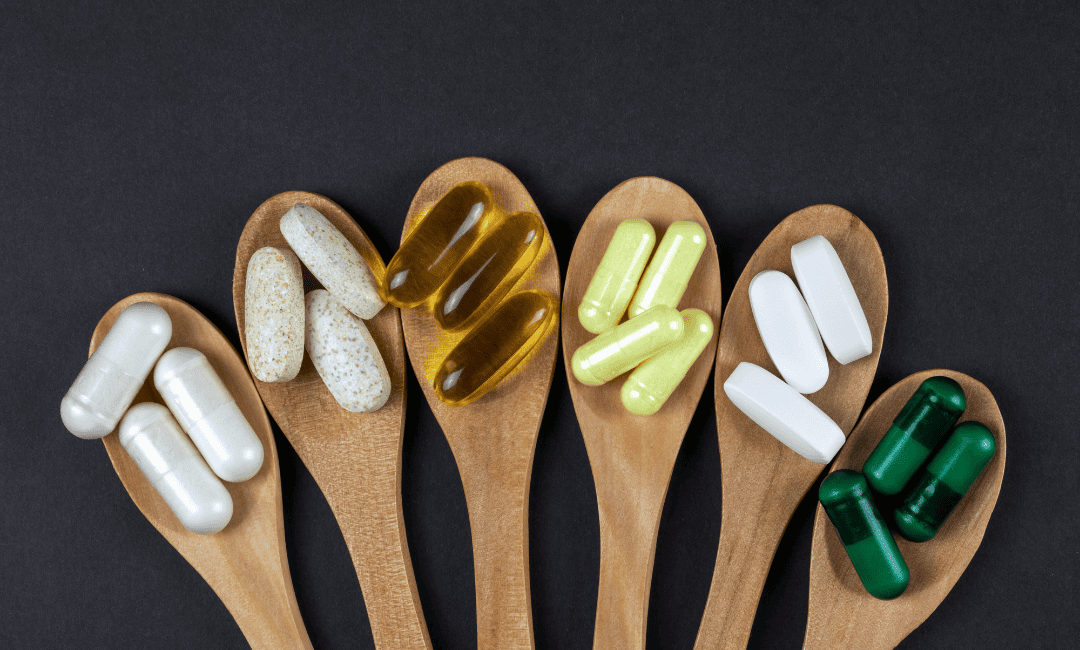
Mineral supplements are nutritional products that provide essential minerals, like calcium, iron, magnesium, and zinc, in concentrated, measurable doses. Your body cannot make minerals on its own, so it has to absorb them from food or supplements.
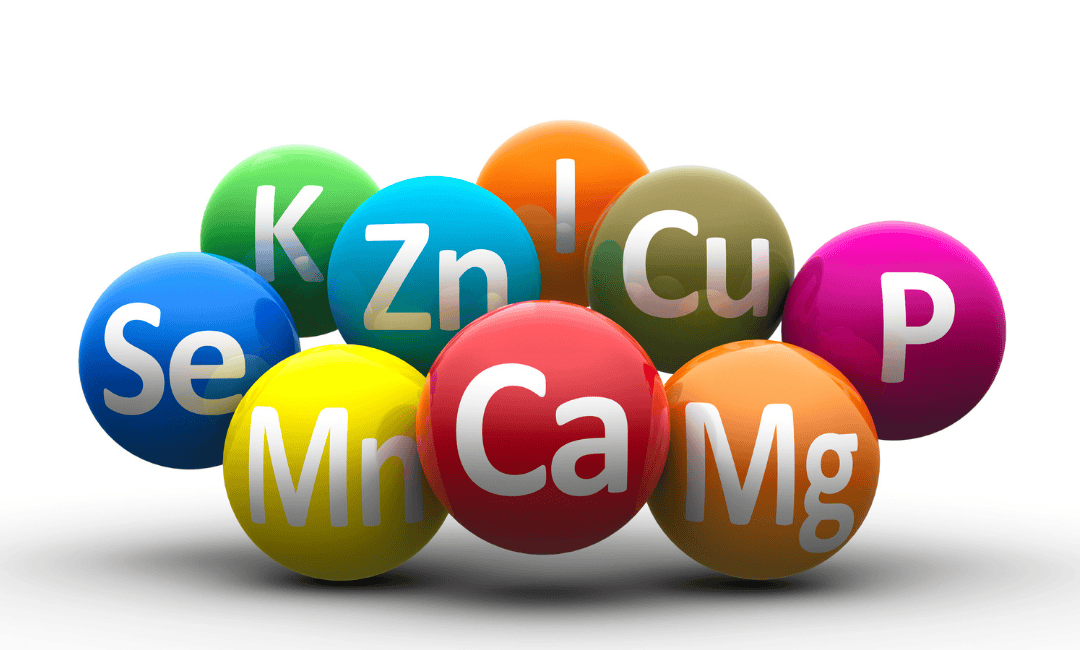
Minerals fall into 2 groups:
Supplements exist to bridge the gap when a balanced diet is not realistic, especially during illness, restrictive diets, pregnancy, or recovery.
However, they are not a replacement for food, but can be a targeted addition, ideally chosen with input from a clinician who knows your full health picture.
Looking at common examples of mineral supplements and the main forms available helps you understand what you are reading on a label. The right choice depends on what your body actually needs:
Calcium supports bones, teeth, muscle contraction, and nerve signalling. Its main forms are:
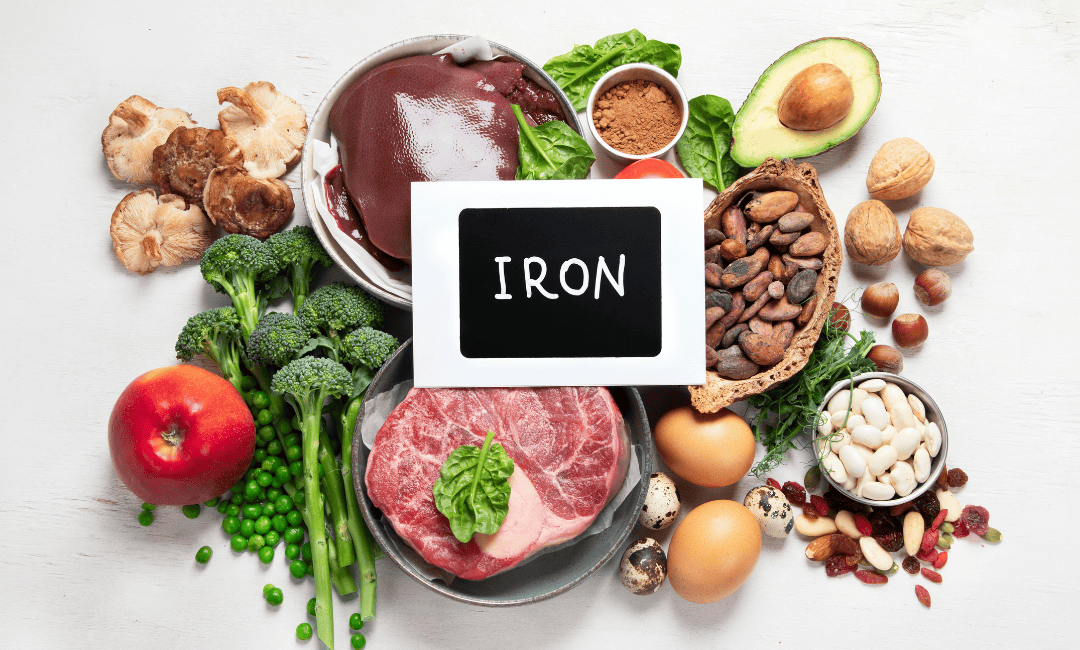
Iron carries oxygen through the blood. Its supplemental forms include:
Iron is best taken on an empty stomach with vitamin C for absorption, though it can cause digestive upset for some.
Magnesium supports muscle relaxation, nerve function, energy metabolism, and sleep. You will find it in the following well-tolerated forms:
Zinc supports immune function, wound healing, and taste perception. It is often used during periods of recovery and pairs with copper for balanced supplementation.
Selenium contributes to antioxidant defence and thyroid function. A selenium supplement is one of several trace mineral products available.
Iodine, chromium, manganese, and molybdenum also have important roles, though most people receive enough through a varied diet.
A calcium magnesium zinc supplement is a popular three-in-one product for adults concerned about bone and immune support. Combination formulas can simplify routines but make individual dose tracking harder.
The most consistent mineral supplements benefits occur in four areas:
Calcium, magnesium, and phosphorus form the structural backbone of healthy bones. When combined with a vitamin D3 supplement, mineral support becomes especially important as we age.
Postmenopausal women, older adults, and those recovering from fractures often see the most measurable benefit.
Zinc, selenium, iron, and copper all play roles in immune cell production and response. Supplements pair best alongside antioxidant supplements because immunity and oxidative balance work hand in hand.
Magnesium, potassium, and calcium support muscle contraction and relaxation. Iron transports oxygen to working tissues.
Iodine and selenium drive thyroid function, which sets your metabolic pace. The mineral supplements benefits here are most noticeable in athletes, older adults, and people recovering from illness.
Iron, magnesium, and B-vitamins all contribute to energy production at the cellular level. Mineral supplementation taken thoughtfully can support recovery from physical or emotional strain.
The role of mineral supplements for cancer is a nuanced area of clinical nutrition. At RDA-level doses, mineral supplementation may help when diet is restricted by treatment side effects.

At high doses, particularly during chemotherapy or radiotherapy, supplements can interfere with treatment. The choice has to be individual, guided by your oncologist.
Chemotherapy and radiotherapy often cause appetite loss, nausea, taste changes, and digestive issues. These can lead to genuine mineral gaps.
ESPEN recommends providing vitamins and minerals at the RDA, while discouraging high-dose use unless a specific deficiency is confirmed. Mineral supplementation, thus, fits within broader oncology nutrition planning
Magnesium loss is common in patients receiving cisplatin-based chemotherapy. Iron deficiency may worsen cancer fatigue, and correcting it can improve quality of life.
High-dose antioxidant minerals like selenium, zinc, and copper during chemotherapy may reduce treatment effectiveness.
If you take anything during treatment, your oncologist must know about it. This is an important rule in nutrition and cancer care. Minerals and supplements of any kind belong in your treatment summary.
The question of whether mineral supplementation is necessary depends entirely on your situation. For most healthy adults with a varied diet, food alone provides enough.
For others, supplementation is both reasonable and useful. Mineral supplementation is sometimes necessary for some people.
Pregnant and breastfeeding women often need additional iron, calcium, and iodine. Older adults frequently absorb less calcium and B12.
Vegans and vegetarians may need iron, zinc, calcium, and selenium support. People with malabsorption conditions like coeliac disease, Crohn's, or chronic gut disorders are at higher risk of mineral gaps.
Athletes and those recovering from illness may also benefit from short-term supplementation.
Tiredness that does not lift with rest, along with brittle nails, hair changes, frequent infections, muscle cramps, and slow wound healing, are common warning signs.

Iron deficiency affects over 25% of the global population and is the most common cause of anaemia worldwide. Mineral supplements for humans in everyday wellness focus on these gaps.
A simple blood test for iron, vitamin D, calcium, magnesium, or zinc can tell you whether supplementation is genuinely needed. All mineral supplements are better targeted when you have a confirmed deficiency.

Inlife Magnesium Glycinate Forte 440mg (60 Tablets)
Magnesium in a chelated bisglycinate form
₹920₹1,149
Knowing how to take supplements properly is as important as choosing the right one. The best time to take mineral supplements varies by mineral. The table below summarises commonly recommended adult intakes and timing:
| Mineral | Adult RDA | Best timing | Notes |
|---|---|---|---|
| Calcium | 1,000-1,200 mg | With meals | Split into 500 mg doses for absorption |
| Iron | 8-18 mg | Empty stomach, with vitamin C | Take separately from calcium and dairy |
| Magnesium | 310-420 mg | Evening, with food | Glycinate form is gentle on the stomach |
| Zinc | 8-11 mg | With food | Take separately from iron and calcium |
| Selenium | 55 mcg | Any time, with food | Stay under 400 mcg daily upper limit |
| Iodine | 150 mcg | Any time | Found in iodised salt; rarely supplemented alone |
| Potassium | 2,600-3,400 mg | Mostly through food | Supplement only under clinical guidance |
The best time to take mineral supplements with maximum absorption is usually with a meal that contains some healthy fat. Minerals supplements dosage should not exceed the tolerable upper intake level for each nutrient.
Most mineral supplements side effects are mild and tied to either high doses or specific combinations. Awareness matters and small adjustments often solve the problem.
| Concern | What it looks like | Who should be careful |
|---|---|---|
| Digestive upset | Nausea, constipation, diarrhoea | Anyone starting iron or magnesium oxide |
| Metallic taste | Dry mouth, altered taste | People taking zinc or iron |
| Drug interactions | Reduced effect of certain medications | Patients on thyroid drugs, antibiotics, blood thinners |
| Calcium-iron interference | Reduced iron absorption | People taking both at the same time |
| Excess intake | Toxicity, kidney strain | Anyone exceeding tolerable upper limits |
| Cancer treatment interactions | Reduced treatment effectiveness | Patients in active chemotherapy or radiotherapy |
Mineral supplementation can help when food alone is not enough to meet your requirements due to restrictive diets, absorption changes, or cancer treatment.
A simple blood panel for the most likely gaps (iron, vitamin D, magnesium, calcium, zinc) gives you the clarity needed to choose well.
Keep a simple log of what you take. Note any changes in energy, sleep, digestion, or mood after starting. This becomes incredibly useful during clinic visits. Remember that mineral supplementation supports the body over weeks and months, not overnight.
At Everhope, our oncologists work with each patient to make these decisions sensibly, so that nutrition supports treatment. We ensure you spend less energy second-guessing and more on the parts of recovery that genuinely matter.
No. Most adults eating a varied diet meet their needs through food. Supplementation is useful when diet is limited, during pregnancy, recovery, or when a deficiency is confirmed.
Yes, several can. Iron, calcium, magnesium, and zinc may affect thyroid medication, antibiotics, blood thinners, and certain heart drugs. Always share your supplement list with your clinician.
Start with a blood test to identify any deficiency. Choose a reputable brand with clear dosage information, and prefer well-absorbed forms like citrate or glycinate over oxides when possible.