

Nutrition5 min read
Spirulina Biotic Powder: Benefits, Nutrition Facts and Its Role in Cancer Nutrition
Dr. Vrundali Kannoth

Hearing about toxin exposure can feel concerning, especially when health risks are mentioned. One substance that sometimes raises these concerns is arsenic.
Arsenic poisoning occurs when harmful amounts enter the body, often through contaminated drinking water or environmental exposure. Arsenic is a naturally occurring element found in soil and groundwater, so its traces can sometimes be found in the environment.
However, when exposure is higher or continues over time, it may affect the skin, nerves, and digestive system. Long-term exposure has also been linked to a higher risk of certain cancers.
The good news is that catching exposure early and getting the right medical advice can go a long way in protecting your health. In the sections below, we'll walk you through the symptoms, causes, how it's diagnosed, and what treatment looks like.
Arsenic poisoning meaning refers to the health effects that occur when the body is exposed to harmful amounts of arsenic. Arsenic is a toxic metalloid that occurs naturally in soil, rocks, and groundwater, which means sources of arsenic poisoning may exist in the environment.

Arsenic exists in two main forms:
Exposure can happen in several ways, such as:
Once inside the body, arsenic can interfere with important cellular processes, including energy production and enzyme activity that help cells function normally. When exposure continues over time, the element may gradually accumulate in body tissues and lead to a range of side effects of arsenic poisoning.
That is why identifying and addressing exposure early is important for protecting overall health.
Arsenic poisoning is generally grouped into two types based on how much arsenic enters the body and how long exposure lasts.
Acute arsenic poisoning happens when a large amount of arsenic enters the body over a short period. Symptoms can appear quickly and often include severe gastrointestinal problems such as nausea, vomiting, and abdominal pain.
In severe cases, the toxin may damage several organs and lead to life-threatening complications.
Chronic arsenic poisoning develops after long-term exposure to smaller amounts of arsenic. It is often linked to contaminated groundwater used for drinking and cooking.
Over time, arsenic can accumulate in the body and cause nerve damage, skin changes, and other long-term health problems. This is why chronic arsenic poisoning remains a public health concern in some regions today.
Arsenic poisoning symptoms can vary depending on how much arsenic enters the body and how long exposure continues. Some symptoms appear soon after exposure, while others develop gradually over time.
| Symptom Type | Symptoms |
|---|---|
| Early Symptoms | Nausea, vomiting, abdominal pain, diarrhoea, weakness, fatigue |
| Neurological Symptoms | Tingling or numbness in the hands and feet, muscle weakness |
| Skin Symptoms | Hyperpigmentation (darkened patches of skin), thickened skin on palms and soles, pale horizontal nail lines (Mee's lines) |
In many cases, signs of arsenic poisoning develop slowly during long-term exposure. If exposure continues, symptoms may worsen and affect multiple organs in the body.
Arsenic poisoning occurs when people are exposed to unsafe amounts of arsenic through environmental or occupational sources. Exposure often happens gradually rather than through a single event.
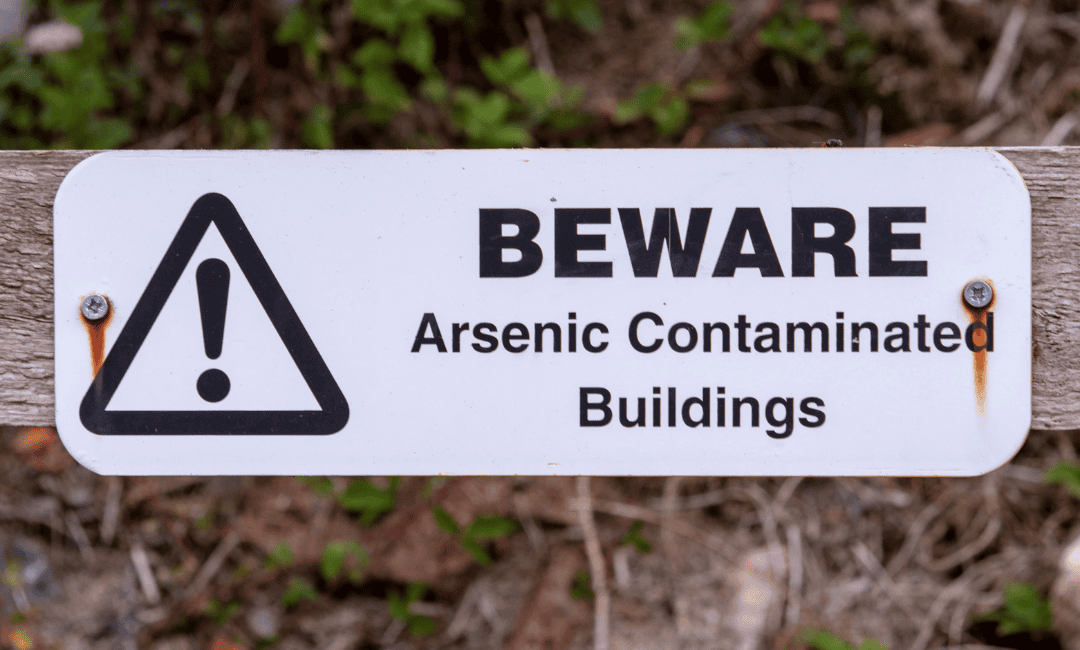
Common sources of exposure include:
In many regions, natural arsenic in underground rock can dissolve into groundwater used by communities for many years.
Arsenic trioxide poisoning may occur in industrial settings or during accidental exposure. Globally, drinking contaminated water remains the most common source of arsenic exposure.
Long-term exposure to arsenic has been linked to an increased risk of certain cancers. Health authorities classify arsenic as a human carcinogen, meaning there is strong scientific evidence that prolonged exposure can contribute to cancer development.

Studies show that people exposed to arsenic over many years may face a higher risk of cancers of the skin, lungs, and bladder. Skin cancer from sun exposure is also possible, but environmental toxins like arsenic may also contribute to it.
The risk tends to increase when arsenic levels in drinking water or the surrounding environment remain high for long periods.
Scientists believe this connection is related to the way arsenic interferes with normal cellular processes. Over time, arsenic can disturb mechanisms that protect healthy cells and maintain stable genetic material, which is what causes cancer.
Key biological effects include:
Together, these changes may lead to genetic mutation cancer pathways. Because of this, arsenic exposure is recognised as one of the many cancer risk factors.
In some individuals, visible skin changes from long-term arsenic exposure may appear before cancer develops.
Arsenic poisoning diagnosis usually begins with a careful clinical evaluation. An oncologist or healthcare professional may review possible exposure and assess symptoms to determine whether further testing is needed.
The initial evaluation often includes:
Laboratory testing is then used to confirm arsenic exposure and measure the amount present in the body. Common diagnostic tests include:

Urine analysis is considered the most reliable test for arsenic poisoning after recent exposure because arsenic is quickly excreted through urine.
Blood tests may be useful in suspected cases of acute poisoning when arsenic has entered the bloodstream.
Hair and nail testing can help detect long-term exposure because arsenic can accumulate in keratin tissues over time.
In most cases, clinicians combine laboratory findings with clinical evaluation to confirm diagnosis and guide further care.
Arsenic poisoning treatment focuses on removing the source of exposure and supporting the body while it recovers. In many cases, reducing or stopping exposure allows the body to gradually clear arsenic over time.
The first step is identifying and removing the exposure source.
This may involve:

Medical care may also help manage symptoms and protect organ function. Supportive treatment may include:
In some situations, chelation therapy may be recommended. These medicines bind to arsenic in the body and help remove it through urine.
While there is no single universal cure for arsenic poisoning, early treatment and monitoring can significantly improve outcomes. Prevention is equally important. In some cases, care may also involve coordination with broader cancer treatment approaches if related conditions are identified.
Steps for arsenic poisoning prevention may include:
Reducing exposure helps lower long-term health risks linked to environmental toxins and supports broader efforts around how to prevent cancer.
Learning about arsenic exposure can feel worrying, but understanding the risks and recognising early signs, including possible cancer symptoms, can help protect your health. In many cases, reducing exposure and seeking timely medical guidance can prevent complications and support better long-term outcomes.
If you have concerns or need guidance on your care plan, speaking with a specialist is a practical next step. The right oncology doctors can help you understand what your options look like and guide you through the next steps with greater clarity.
In some cases, the effects of arsenic poisoning can improve once exposure stops and treatment begins. However, severe or long-term exposure may cause lasting damage to nerves or organs.
Long-term arsenic exposure may affect the skin, nervous system, heart, and other organs. It has also been linked to an increased risk of certain cancers and chronic health conditions.
Much of the arsenic from recent exposure is removed through urine within several days. However, small traces may remain longer in hair and nails as these tissues grow.