
Nutrition5 min read
Spirulina Biotic Powder: Benefits, Nutrition Facts and Its Role in Cancer Nutrition
Dr. Vrundali Kannoth
The breast cancer biopsy results arrive. Your doctor says you have atypical ductal hyperplasia, not cancer. But the way they emphasise increased risk makes your stomach drop.
"What is atypical ductal hyperplasia?" you ask. They explain it's abnormal cells in the breast ducts. It’s not cancerous, but it increases future breast cancer risk.
This diagnosis occupies an uncomfortable middle ground. It's not cancer requiring immediate treatment. Yet it's not entirely benign either.
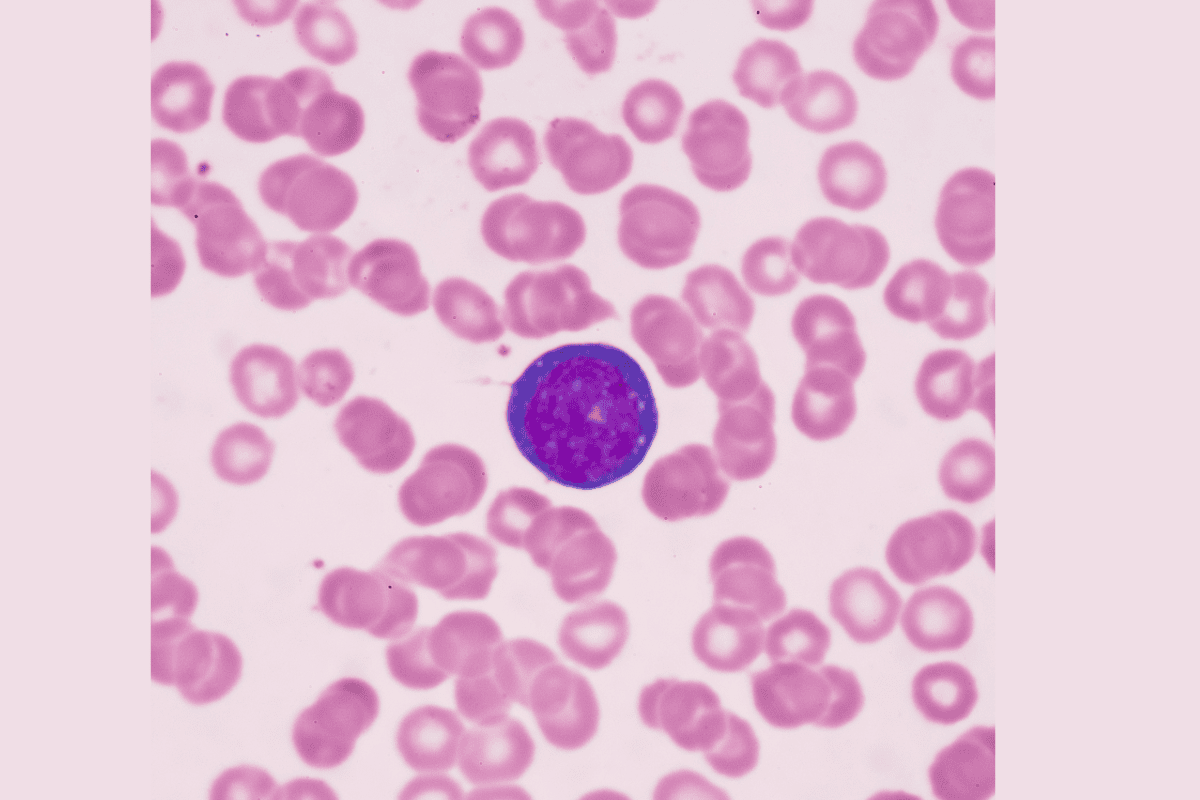
Atypical ductal hyperplasia describes abnormal cell growth within milk ducts of the breast. These cells multiply excessively and look unusual under a microscope. However, they haven't become ductal carcinoma.
The condition affects the ductal system within breast anatomy. Milk ducts carry milk from glands to the nipple. When duct-lining cells grow abnormally, ADH develops.
ADH cells show some abnormal features but lack full cancer characteristics. They can't invade surrounding tissues or spread throughout the body.
Pathologists recognise different ADH patterns based on extent and distribution.
It means abnormal cells occupy a very small area. They're limited to just one or two ducts. This localised pattern generally carries a slightly lower risk.
It’s another name for the same condition. The "epithelial" term refers to the cells involved. Epithelial cells line the inside of ducts.
Some pathology reports use this terminology interchangeably with ADH. Both describe the same abnormal cell proliferation within ducts.
Understanding what triggers ADH and how it presents helps with early detection and management.
Atypical ductal hyperplasia symptoms are typically absent. Most women feel completely normal when diagnosed. The condition doesn't cause pain, lumps, or nipple discharge in the majority of cases.

Occasionally, ADH might be discovered during the investigation of other breast cancer symptoms:
Atypical ductal hyperplasia causes aren't completely understood. Researchers believe it develops through accumulating cellular changes over time.
Genetic factors also influence risk. Certain inherited gene variations affect the behaviour of breast cells. These don't cause ADH directly but increase susceptibility.
Several factors increase the likelihood of developing ADH:
These breast cancer risk factors overlap significantly with ADH risk factors. The connection makes sense given ADH's role as a precursor condition.
The primary complication involves progression risk. Women with ADH face approximately four to five times higher breast cancer risk.
The psychological impact shouldn't be underestimated. Living with increased cancer risk creates ongoing anxiety for many women.
Frequent monitoring becomes necessary after diagnosis. Regular mammograms and clinical examinations continue indefinitely.
Atypical ductal hyperplasia breast cancer risk represents the most significant concern following diagnosis.
Studies consistently show ADH increases breast cancer likelihood substantially. The absolute risk varies based on individual factors. Age, family history, and other factors modify overall risk.
Cancer types that develop vary. Both invasive ductal carcinoma and other breast cancers can occur. Regular screening detects any cancer as early as possible.
Atypical ductal epithelial hyperplasia diagnosis requires tissue examination under a microscope. Initial suspicion arises from imaging abnormalities during breast cancer diagnosis workups.
Mammograms might show calcifications or other changes. These findings prompt further investigation through biopsy.
Needle biopsy represents the usual diagnostic method. A radiologist uses imaging guidance to sample suspicious tissue. The procedure removes small tissue cores for examination.
Core biopsy may sometimes miss the full extent of the abnormality. For this reason, surgical excision often follows ADH diagnosis on core biopsy.
The diagnosis requires expertise. Sometimes multiple pathologists review cases to ensure accuracy.
Atypical ductal hyperplasia management focuses on reducing cancer risk while avoiding overtreatment.
Regular breast cancer screening becomes essential after ADH diagnosis:
This intensive monitoring enables the detection of cancer as early as possible.
Several lifestyle modifications may help reduce breast cancer risk factors:
The treatment aims to remove the abnormal tissue and reduce future cancer risk. Treatment intensity varies based on individual circumstances.
Surgical excision often follows ADH diagnosis on core biopsy. This ensures complete removal of the abnormal area. It also allows examination of the surrounding tissue for hidden cancer.
The procedure typically involves removing a small amount of breast tissue. Surgeons aim to achieve clear margins around the ADH.
Atypical ductal hyperplasia treatment may include medications that reduce cancer risk. These preventive drugs don't treat ADH directly. Instead, they decrease the likelihood of developing cancer later.
Two main medication categories exist:
Both drug classes carry side effects requiring consideration. Hot flushes, joint pain, and other symptoms affect some women. The decision to use preventive therapy involves weighing benefits against potential adverse effects.
Atypical ductal hyperplasia cure isn't quite the right terminology. ADH isn't a disease requiring a cure. Rather, it's a risk marker indicating increased surveillance needs.
Learning you have ADH understandably causes worry. However, early detection provides opportunities for effective risk management. Many prevention strategies can substantially reduce the likelihood of cancer.
Find breast cancer specialists experienced in managing high-risk breast conditions.
Get answers to frequently asked questions regarding ADH.
No, ADH is not cancer. It's a benign condition with abnormal cells that increase future breast cancer risk four to five fold.
Surgical excision is usually recommended to ensure complete removal and rule out adjacent cancer, though it's not always absolutely mandatory in every case.
ADH can develop in other breast areas even after treatment, which is why ongoing surveillance with regular mammograms remains essential lifelong.