Insights5 min read
Blood Cancer Ke Lakshan (रक्त कैंसर के लक्षण): संकेत जिन्हें नजरअंदाज न करें
Dr. Vrundali Kannoth
Some conditions enter a person’s life quietly - without a warning. A lymphoma is one of them. It may first appear as a small, painless swelling or a tiredness that does not quite resolve, long before the word itself is ever spoken in a clinic. Since it develops within the body’s immune network, its signs can feel confusing, and even contradictory.
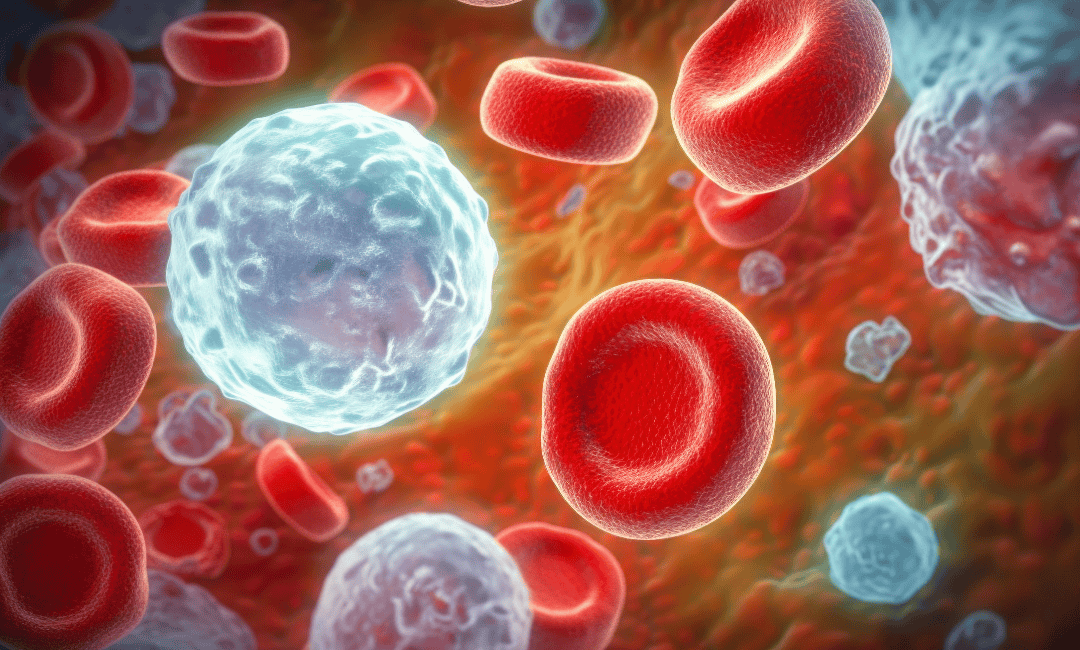
Lymphoma is a type of blood cancer that begins in the body’s immune system. It develops when lymphocytes - white blood cells that normally help fight infection - start growing and dividing in an uncontrolled manner.
These lymphocytes are part of the lymphatic system, which includes lymph nodes, the spleen, bone marrow, and lymph vessels.
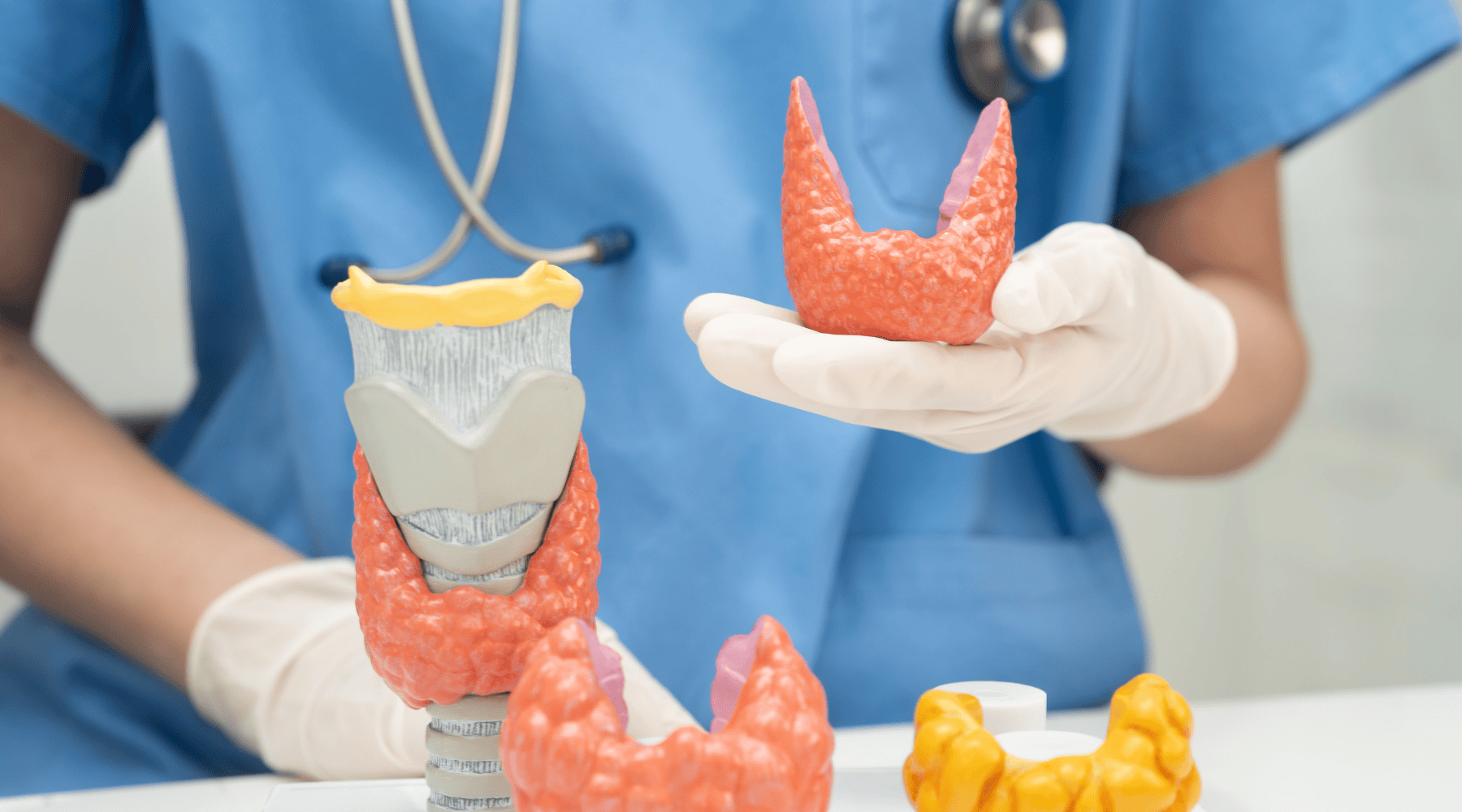
In lymphoma meaning, abnormal lymphocytes lose their ability to function properly and begin to accumulate within these tissues. Instead of protecting the body, they crowd out healthy cells and disrupt normal immune activity.
Doctors group lymphoma into categories to guide testing and treatment planning. This lymphoma classification is based on how the cancer cells appear under a microscope and how they behave inside the body.
Hodgkin and Non-Hodgkin lymphoma are classified separately due to distinct cellular features and disease patterns.
| Feature | Hodgkin Lymphoma (HL) | Non-Hodgkin Lymphoma (NHL) |
|---|---|---|
| Defining feature | Presence of a specific abnormal cell type seen under microscopy | Includes multiple lymphoma subtypes without that defining cell |
| Pattern of spread | Tends to spread in an orderly, predictable manner | Spread patterns vary depending on subtype |
| Number of subtypes | Fewer, well-defined subtypes | Many different subtypes with varied behaviour |
| Speed of progression | Often moderate and more uniform | Can range from slow-growing to fast-growing |
| Common age groups | Younger adults and older adults | Can occur at any age |
| Detection | Often identified earlier due to visible lymph node swelling | May be detected at varying stages depending on subtype |
Each lymphoma cell develops from lymphocytes, which are white blood cells responsible for immune defence. Based on the type of lymphocyte affected, lymphoma is broadly classified into two main cell types.
This cellular classification helps doctors determine disease behaviour, prognosis, and the most appropriate treatment pathway.
Lymphoma stages describe how far the disease has spread.
Staging helps doctors decide the most suitable cancer treatment approach.
Early signs of lymphoma can be mild and may not cause immediate discomfort. When symptoms do appear, they often develop gradually.

These cancer symptoms can occur in many non-cancerous conditions as well. However, symptoms that persist or worsen over time should be assessed by a medical professional.
There is no single explanation for why lymphoma cancer develops. Instead, doctors recognise several contributing factors.
Certain inherited conditions and immune system disorders are linked to a higher risk of lymphoma. Long-term immune suppression - whether due to illness or medical treatment - can reduce the body’s ability to regulate abnormal cell growth.
Prolonged exposure to specific chemicals, such as industrial solvents or pesticides, has been associated with an increased lymphoma risk in some studies. Medical treatments that suppress immune function over extended periods may also contribute. Research in this area continues to improve understanding and prevention approaches.
Some viral and bacterial infections are associated with particular lymphoma subtypes. In these cases, a lymphoma infection may contribute to changes in lymphocyte behaviour. However, infection alone does not cause lymphoma and most people with these infections never develop cancer.
A confirmed lymphoma cure is based on structured medical testing rather than symptoms alone. Doctors follow a step-by-step approach to ensure accuracy.
These tests help doctors stage the disease correctly and plan treatment with precision.
Lymphoma treatment is personalised based on the specific subtype, the stage at diagnosis, and the person’s overall health. Modern therapy aims to control abnormal cell growth, achieve remission where possible, and maintain quality of life.
These options may be used alone or in combination, depending on disease behaviour and treatment goals.
Many people with lymphoma experience significant responses to therapy, including long-term control of the disease. The outcome varies widely by subtype, disease stage at diagnosis, age, and other health factors.
So, is lymphoma cancer curable? In many cases, long-term control or cancer remission is achievable. Published data on lymphoma cancer survival rate helps doctors discuss realistic expectations.
Survival rates:
Lymphoma prevention and treatment cost depends on the hospital type (government vs. private), chosen therapies, and duration of care. Below are general estimates; actual costs vary by city, facility, insurance coverage, and treatment protocols.
Living with lymphoma involves more than medical appointments. It requires clarity, steady guidance, and a personalised lymphoma care plan that respects both physical and emotional needs.
Lymphoma cancer is among the more frequently diagnosed blood cancers worldwide. Rates vary by age, region, and subtype.
Known lymphoma risk factors include immune suppression, certain infections, and family history. Many patients, however, have no identifiable risk factors.
In early stages, discomfort is uncommon. When present, pain may result from swollen nodes or organ involvement, answering concerns like does lymphoma cause pain with context.