
Education5 min read
Vitamin B1 Thiamine Supplements: Nerve Function & Cancer Recovery Support
Dr. Vrundali Kannoth

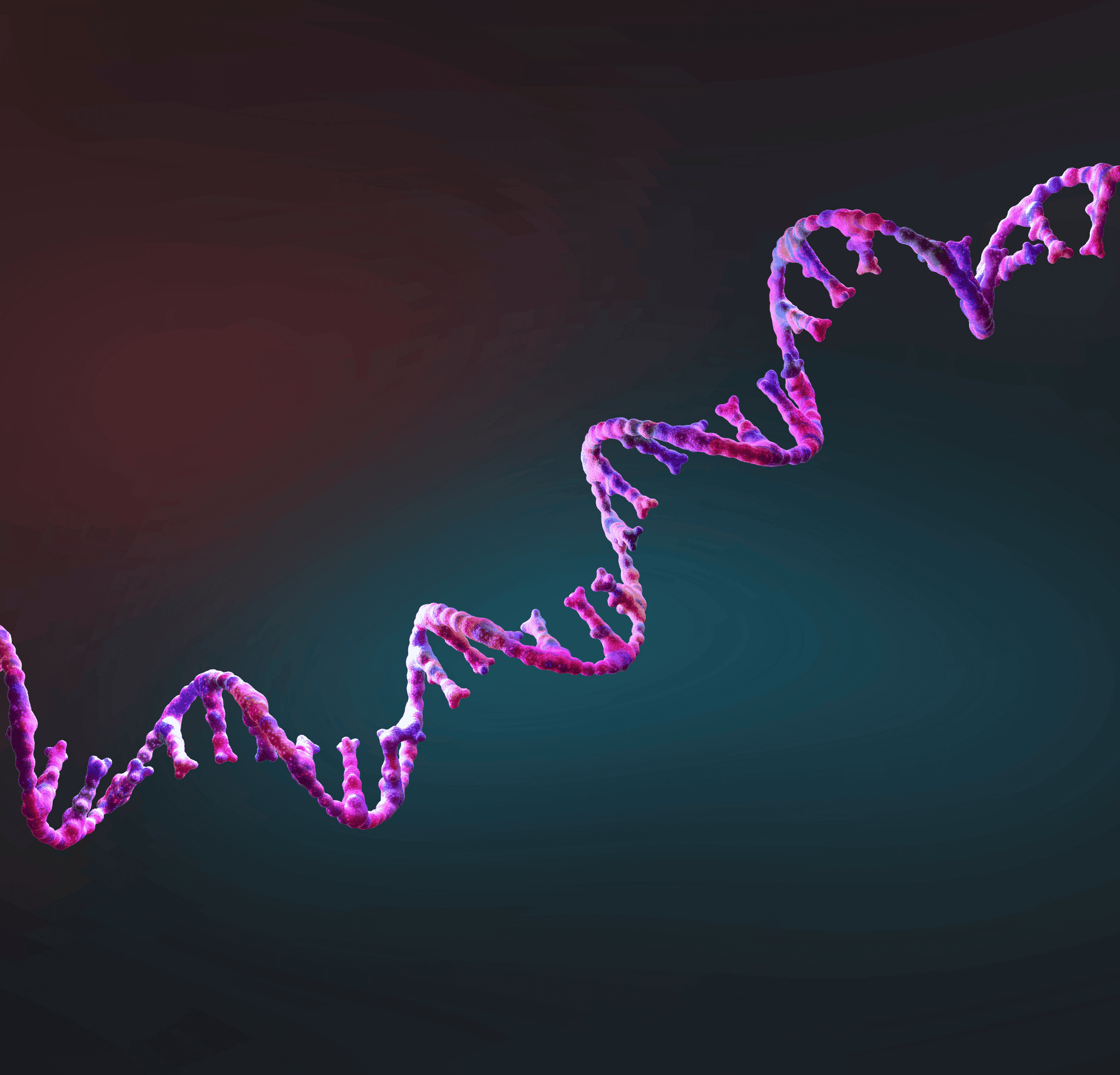
Our bodies are made of trillions of cells that usually follow an orderly routine—growing, dividing, and eventually dying. This balance allows organs to function properly.
Genes in our DNA control when cells grow and stop. When these signals stay balanced, cells work as they should.
But sometimes small changes occur in the DNA, a process often linked to genetic mutation cancer.
A gene that normally regulates growth may become overactive, causing cells to divide continuously. This uncontrolled growth can lead to tumours and cancer.
If you’ve come across the term oncogene during a diagnosis or medical discussion, it can feel confusing or even frightening. It’s natural to have questions.
Specialists study these genetic changes closely to develop targeted treatments and answer common questions like "Is cancer genetic?”
In this guide, we’ll walk you through what oncogenes are, how they develop, and why they matter in understanding oncogenes and cancer.
An oncogene is a gene that has changed in a way that can promote cancer development. In simple terms, it is a gene that pushes cells to grow and divide more than they normally should.
Inside every healthy cell, genes act as instructions that control important activities like growth, division, and survival. These instructions ensure that your cells multiply only when the body needs them. For example, during tissue repair or normal development.
Among these genes are a group called proto-oncogenes. They function normally when healthy, but certain oncogene mutations or abnormal activation can transform them into an oncogene.
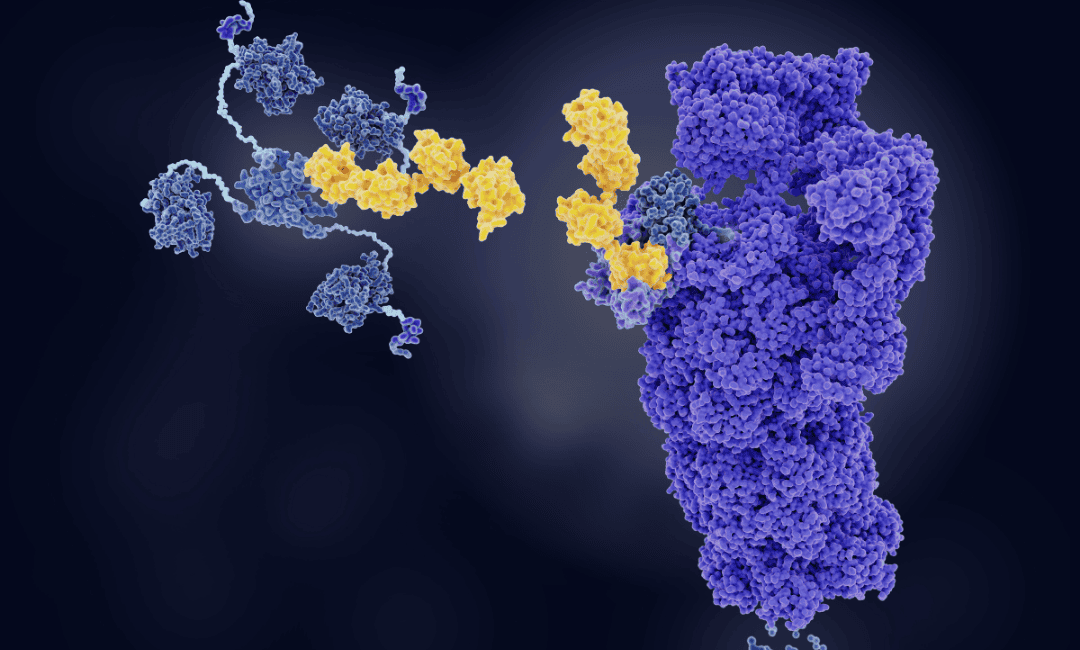
Oncogenes usually develop when proto-oncogenes undergo genetic changes that remove their normal control mechanisms. Instead of activating only when the body needs cell growth, these altered genes become constantly active.
Several biological mechanisms can convert proto-oncogenes into oncogenes.
Many of these genetic changes are also connected to broader cancer risk factors that researchers continue to study.
The main difference between proto-oncogenes and oncogenes lies in how the gene behaves within the cell. Here’s how these two compare:
| Proto-oncogenes | Oncogenes |
|---|---|
| Normal genes that regulate healthy cell growth and division. | Altered or mutated versions of proto-oncogenes can promote cancer. |
| Activate only when the body needs cell growth, such as during development or tissue repair. | May remain permanently switched on. |
| Respond to signals from the body and turn off when growth is complete. | Continuously send signals that stimulate cell division. |
| Maintain controlled and balanced cell growth. | Remove normal limits on cell division, leading to uncontrolled growth. |
| Usually require mutations to become harmful. | Often act in a dominant way, where a mutation in one gene copy can influence cell behaviour. |
The term oncogenic refers to anything that can promote or contribute to the development of cancer. When scientists describe a gene or mutation as oncogenic, they mean the difference between normal cells and cancer cells.
Some of the key biological changes linked to the oncogenic effect include:
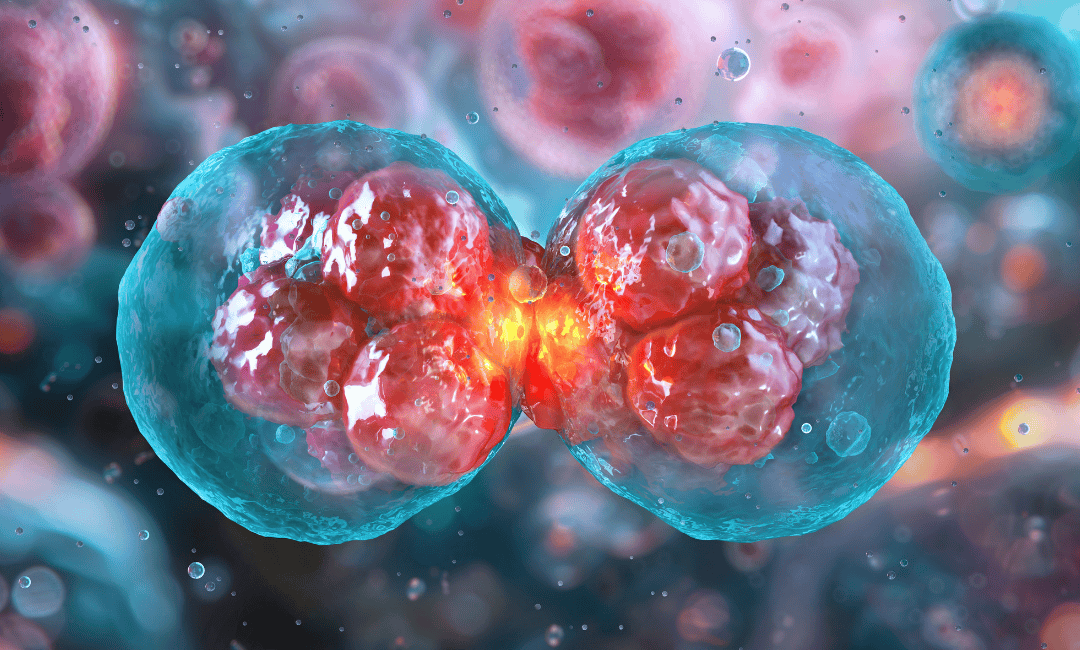
Oncogenes can disrupt this system at different stages. Because of this, researchers often group oncogenes based on the role they play in cellular signalling.
Here are some of the most studied types of oncogenes involved in cancer development:
Understanding the different types of oncogenes helps researchers better understand the link between oncogenes and cancer and how they influence different types of cancer.

The oncogene function becomes clearer when we examine how these genes influence cell growth and signalling in normal and cancer cells.
In their normal form, cellular proto-oncogenes help control important steps in the cell cycle, which is the process cells follow as they grow and divide.
These genes regulate processes such as:
When proto-oncogenes are mutated or abnormally activated, they can bypass the checkpoints that normally regulate the cell cycle. This allows cells to divide even when DNA damage or other problems are present.
As a result, abnormal cells may accumulate genetic errors while continuing to multiply.
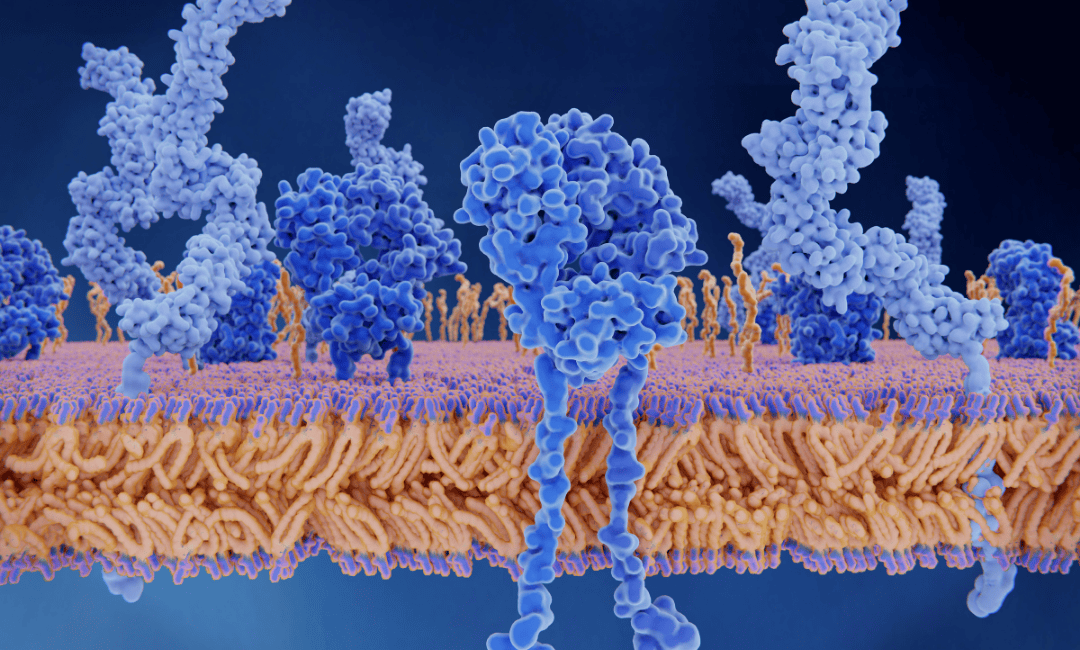
Normally, cell growth starts when growth factors attach to receptors on the cell surface. This sends signals inside the cell that activate genes responsible for growth, and the process is usually short and carefully controlled.
However, if a growth factor oncogene or signalling protein becomes mutated, the pathway can stay active. The cell may keep receiving signals to divide even when no growth signal is present. Over time, this uncontrolled growth can contribute to tumour formation and lead to cancer symptoms.
Oncogene classification helps oncologists identify which molecular pathways are driving a tumour and plays an important role in modern systems used in cancer research.
| Classification type | Description |
|---|---|
| Growth factors | Produce signalling molecules that stimulate cell growth and division. |
| Cell surface receptors | Receive signals from outside the cell and activate growth pathways. |
| Signal transducers | Relay growth signals from receptors to the cell’s interior. |
| Transcription factors | Control which genes are turned on or off inside the nucleus. |
| Protein kinases | Enzymes that activate signalling pathways through protein phosphorylation. |
| GTP-binding proteins | Molecular switches that regulate signal transmission within cells. |
| DNA-binding proteins | Proteins that regulate gene expression and influence cell growth. |
Researchers continue expanding the list of oncogenes as new cancer-driving genetic changes are discovered.
Oncogenes are genes that can push cells to grow when they shouldn’t. Normally, their healthy versions help control cell growth and repair. But when oncogene mutations occur, these genes may send constant signals that cause cells to divide too quickly.
Researchers also study the broader oncogene impact factor, which refers to how strongly certain oncogenes influence tumour growth and treatment response.
Learning about oncogenes has helped oncologists better understand how stages of cancer develop.
If you or someone close to you is dealing with cancer, remember that you don’t have to face it alone. The right care team, clear information, and personalised treatment options at Everhope Oncology can make the journey easier to navigate.