
Symptoms5 min read
Folic Acid Supplement: Importance, Benefits and Deficiency Symptoms
Dr. Vrundali Kannoth
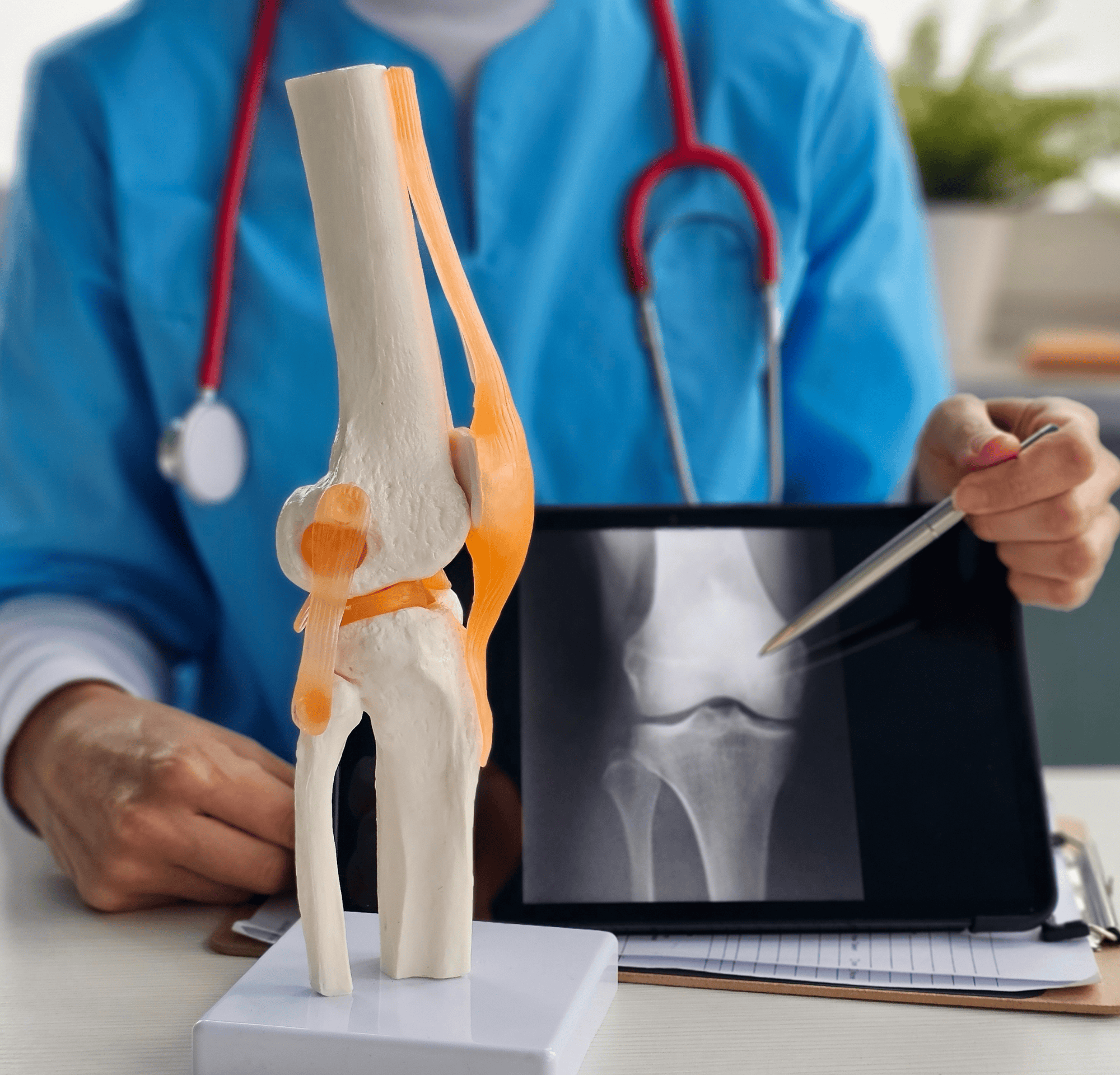
When you break a bone in a serious fall or accident, the pain makes sense. But it can feel confusing when it happens during a regular walk or even while turning in bed, making you wonder how it happened.
This type of break is called a pathological fracture. Something inside your body, including cancer, can make your bones fragile enough to break without any significant force.
It can feel overwhelming, but understanding the pathological fracture definition is the first step toward getting the right care.
In this blog, we’ll explain what a pathological fracture is, why it happens, how it’s diagnosed, and what treatment options are available, so you and your family can move forward with clarity and care.
Eating well through treatment is hard. Get a personalised onco-nutrition plan from Everhope's dietitians.
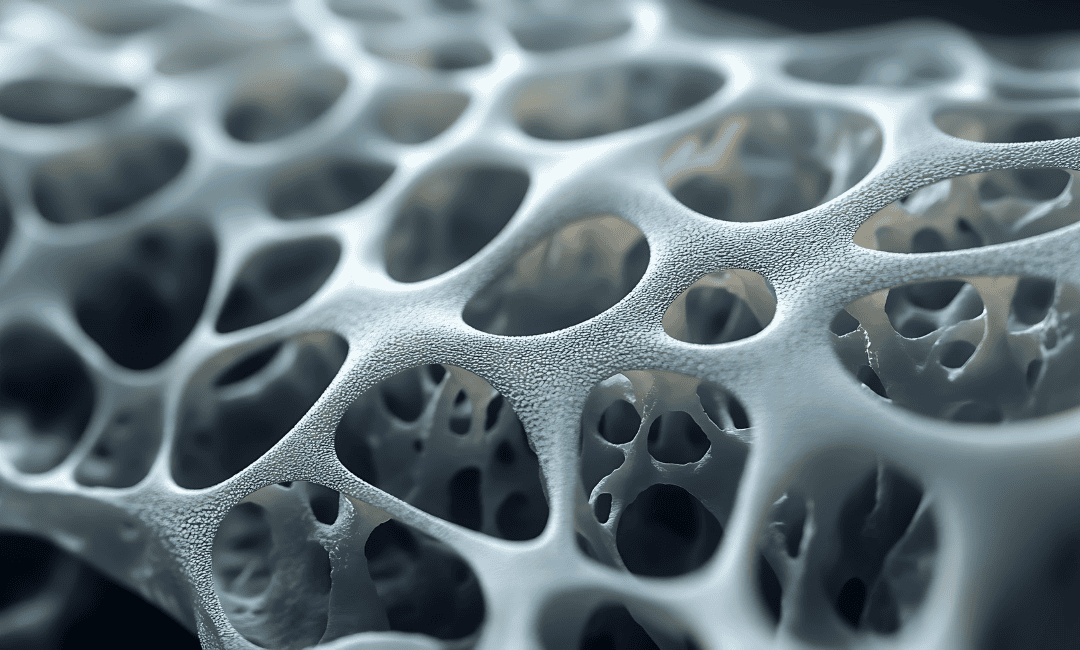
A pathological fracture happens when a bone breaks because it has already been weakened by an underlying condition. Instead of a major fall or accident causing the break, your bone gives way because it isn’t as strong as it should be.
It is not always linked to it, but pathological fracture cancer cases are common in adults when it spreads to the bones (bone metastasis).
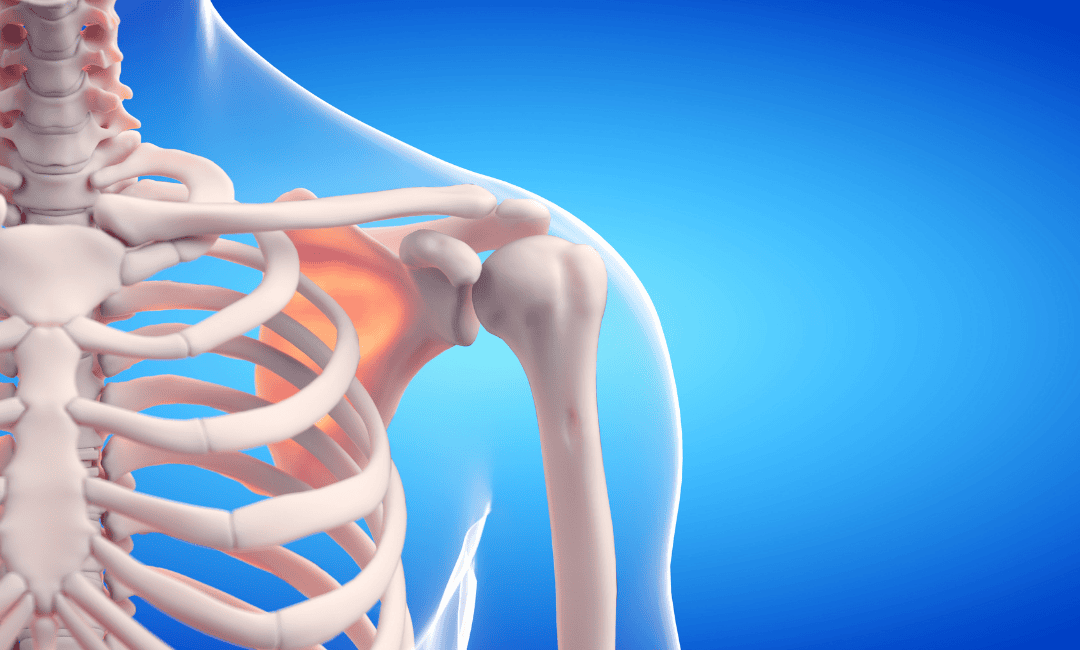
Conditions that can weaken bones are:
This is vastly different from traumatic fractures that are caused by high-energy trauma.
Pathological and traumatic fractures may both involve a broken bone, but they differ greatly in why they happen and how they heal.
| Feature | Pathological fracture | Traumatic fracture |
|---|---|---|
| Cause | Bone is weakened by a disease | Caused by a strong external force (fall, accident, sports injury) |
| Bone strength before break | Already fragile or damaged | Structurally normal and healthy |
| Amount of force needed | Minimal or no trauma | Significant force or impact |
| Fracture pattern | Often irregular; may include “chalkstick” fractures in long bones or vertebral collapse | Often clean, well-defined break depending on injury mechanism |
| Pain before fracture | May have weeks of aching pain beforehand | Sudden pain at the time of injury |
| Healing potential | May heal poorly due to diseased bone tissue | Generally good healing potential in healthy bone |
Pathological fracture has two important phases:
Let’s look at some of the pathological fracture symptoms of both phases.
While dependent on your condition, pathological fracture symptoms often revolve around:
Before a bone breaks, your body often gives warning signs. You might feel a deep, aching pain in one spot that doesn’t go away, often worse at night or with activity, especially in children or young adults.
These are early signs and important risk factors for pathological fracture, especially if you’re showing signs of cancer or osteoporosis.

When the bone finally gives way, the symptoms are often similar to those of a traumatic fracture. You may feel sharp, intense pain along with swelling and tenderness in the area. The limb can also look shortened or angled, and it may become difficult or even impossible to put weight on it or use it normally.
Other than the mentioned symptoms, if you notice yourself losing weight unintentionally, being fatigued, feeling confused, or having night sweats and frequent fevers, check with your regular physician.
There are several possible causes behind your condition, including:
| Cause | What It Means |
|---|---|
| Cancer that has spread to the bone (bone metastasis) | Different types of cancer, like Breast cancer, Prostate cancer, Lung cancer, Kidney cancer, or Thyroid cancer, can spread to your bones and cause a pathological fracture. |
| Blood cancers | Multiple myeloma can create multiple weak spots in bones as side effects of cancer, especially in the spine, leading to compression fractures in up to 70% cases. |
| Primary bone cancers | Rare cancers like Osteosarcoma, Ewing sarcoma, or Chondrosarcoma start in the bone itself, and often causes pathologic fracture in about 5 to 10% of patients. |
| Osteoporosis (bone thinning) | A very common cause, especially after menopause or with ageing. Your bones gradually lose strength, and even a small fall can cause a fracture. |
| Benign (non-cancerous) bone cysts or tumours | Conditions like simple bone cysts, fibrous dysplasia, and other non-cancerous growths that weaken part of the bone. Usually, they’re treatable. |
| Metabolic or hormonal conditions | Vitamin D deficiency, kidney disease, hormone problems, or long-term steroid use weaken bone over time. |
| Bone infection (osteomyelitis) | Infection can slowly damage and erode bone, increasing the risk of fracture. |
| Certain medications or rare conditions | Some long-term treatments or rare diseases can reduce bone strength. |
There are early signs and important risk factors for pathological fractures. Here’s how your pathologist may approach it:
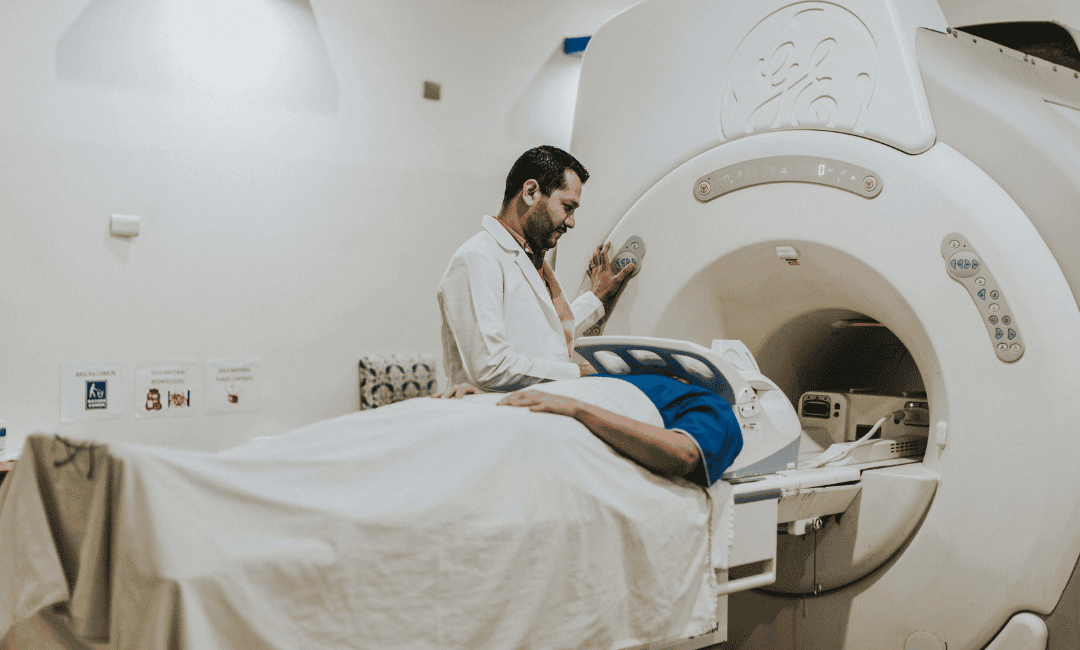
During the first physical exam, your physician may check the painful area and look for swelling, deformity, or signs of infection. As these fractures often occur in the spine, your examination may include nerve symptoms as well.
They may ask:
They may also perform blood tests to see what may be weakening your bones. This would likely involve checking calcium levels, tumour markers, kidney function, and infection markers.
X-ray imaging will be done of your entire pathological bone fracture (if bone weakening is suspected), and not just the fracture line, to see whether there is an underlying cause.
The X-rays will help your medical team understand the types of pathological fractures for further treatment and surgical planning. This includes identifying areas where the bone appears eaten away (lytic), regions that look unusually dense (blastic), damage to the outer layer of the bone, a mass extending into nearby soft tissue, or even more than one lesion.
If more details are needed, you’ll probably be subjected to further tests, such as:
You may see this in your reports, for spine fractures caused by tumours, they may use a scoring system called the Mirel's score (for long bones) or the SINS score (for the spine) to decide whether surgery is needed to stabilise the pathological bone fracture.
If the previous tests suggest a cancer risk, a biopsy may be needed. It involves taking a small sample of tissue to examine. This step can feel scary, but it is often essential to confirm the diagnosis and guide the right therapy.
Treating a pathological fracture is about finding the reason and caring for the whole you. Once the fracture is stabilised, your medical team will focus on treating the real condition, which includes:

Moreover, effective pathological fracture management often involves orthopaedic surgeons, oncologists, and rehabilitation specialists working together.
A pathological fracture means your bone has been weakened and may break again if it isn’t properly stabilised.
If you have cancer diagnostics, unfortunately, it can be a sign that the disease has affected the bones, but it may also be caused by severe osteoporosis or, less commonly, a primary bone tumour.
What matters most is not just the fracture, but the condition behind it. With coordinated cancer care with Everhope Oncology, medication, radiation, and surgical support, many people regain mobility and maintain independence.
Pathological fractures most often affect bones that carry weight or are commonly involved in cancer spread. These include the spine (vertebrae), hip and upper thigh bone (proximal femur), pelvis, upper arm (humerus), and ribs.
Recovery depends on the cause of the fracture, your overall health, and the treatment plan. Some fractures may begin healing within 6–12 weeks, especially if the bone quality is good. When cancer is involved, healing can take longer.
No, not always. While pathological fracture cancer cases are common, they can also happen due to osteoporosis, bone infections, benign tumours, or metabolic conditions.
Products readers use for these side effects
Matched to this article's topics — not bestsellers

Vitaone Vitamin D3 + K2-7 (Liquid)
D3 plus K2 support bone strength
₹770₹841
View product
B'spoke OptiCCF High-Strength D3 10K (10 Capsules)
High-strength D3 aids calcium absorption
₹283.50₹315
View product
Inlife Magnesium Glycinate Forte 440mg (60 Tablets)
Magnesium supports bone mineralization
₹920₹1,149
View product← swipe for more →
Available at the Everhope store · always consult your care team before starting any supplement