Symptoms5 min read
Folic Acid Supplement: Importance, Benefits and Deficiency Symptoms
Dr. Vrundali Kannoth


A “cyst,” a lipoma, or even a pulled muscle can suddenly feel very different the moment you hear the words soft tissue sarcoma. It may seem minor, something you’d get checked out and then move on from.
However, a diagnosis of soft tissue sarcoma can quickly feel overwhelming, bringing unfamiliar terms, different subtypes, and complex treatment decisions to navigate, but you don’t have to face it alone.
In this blog, we’ll look at the soft tissue sarcoma definition, what symptoms matter, how oncologists diagnose it, and what treatment options can look like, so you can be better-informed as you take the next steps.
Unlike more common cancers that begin in organs like the lung or breast, sarcomas arise from connective (mesenchymal) tissues. Soft tissue sarcoma (STS) is a rare cancer that starts in the body’s soft tissues that support, connect, and surround other parts of your body. These include:
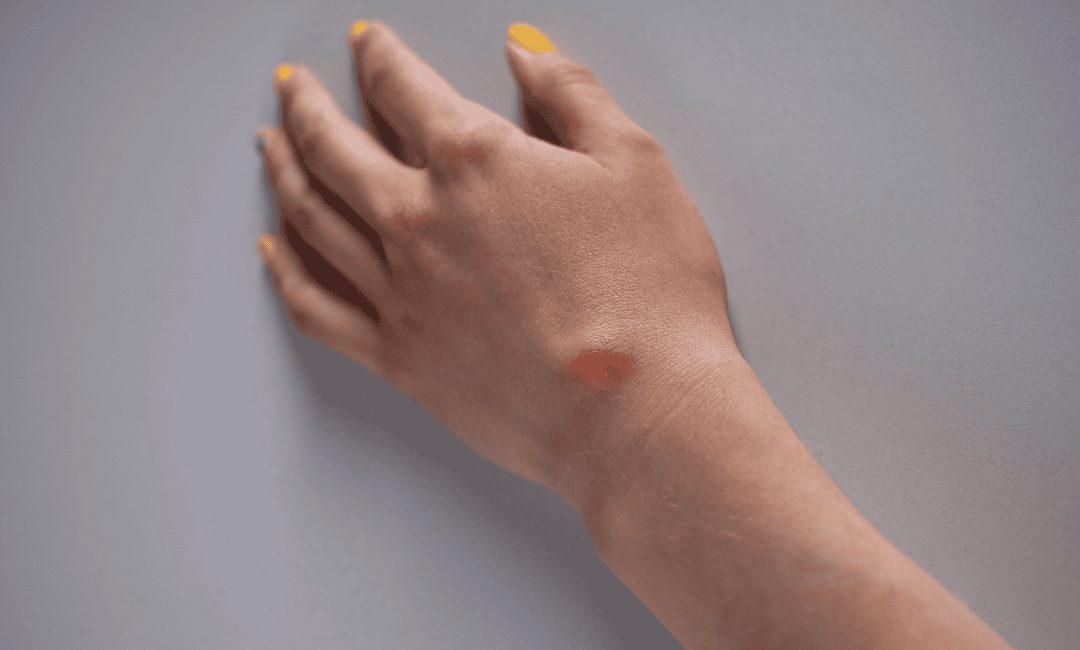
The most common challenge with soft tissue sarcomas is that they can grow quietly. Because there is often room for the tumour to expand in deeper tissues, you may not notice symptoms until it becomes larger.
This does not mean you missed something or did something wrong. Many people had no clear soft tissue sarcoma signs and symptoms early on.
While soft tissue sarcomas make up less than 1% of adult cancers, treatments have now improved significantly to provide you with great care through specialised oncology teams that focus specifically on sarcomas.
There are more than 70 different subtypes of STS that demonstrate distinct behaviours. Here are some of the more common or clinically important types:

| Subtype | Where it comes from | Key features |
|---|---|---|
| Undifferentiated pleomorphic sarcoma (UPS) | Connective tissue (poorly differentiated cells) | Often found in older adults; commonly affects the limbs or trunk; may appear as a painless, enlarging mass |
| Liposarcoma | Fat cells | Often found in the limbs or abdomen, it has several subtypes, each behaving somewhat differently |
| Leiomyosarcoma | Smooth muscle cells (such as those in blood vessels or the uterus) | The most common soft tissue sarcoma in middle-aged and older adults may develop in the abdomen, uterus, or blood vessels |
| Gastrointestinal stromal tumour (GIST) | Specialised cells of the digestive tract | Occurs in the stomach or intestines; often driven by specific gene mutations; frequently responds well to targeted medications |
Some of these subtypes grow slowly, while others are more aggressive. Depending on the type, your condition may respond better to chemotherapy, targeted therapy, surgery, or perhaps radiation.
This is why treatment at a centre experienced in sarcomas can be so important, where your care is tailored to your specific molecular subtype.
Most early-stage soft tissue sarcomas have no clear symptoms and are only discovered incidentally or if the lump has grown significantly. Regardless, here are a few signs of cancer that you might find critical in your case:
Most lumps are benign growths like lipomas, but certain features that can make a lump more concerning are:
If you are experiencing any of these symptoms, especially a growing lump, trust your instincts about your body and seek medical evaluation.
In case of STS, the reason behind it is mostly not linked to your lifestyle, diet, or something external. However, certain soft tissue sarcoma risk factors include:
| Category | Risk factors | Description |
|---|---|---|
| Genetic conditions | Neurofibromatosis type 1 Li-Fraumeni syndrome Hereditary retinoblastoma | These inherited conditions can increase your risk of sarcoma. |
| Underlying cellular changes | Spontaneous genetic mutations over time | Most sarcomas arise from genetic changes that occur within cells. These changes are not linked to lifestyle. |
| Previous cancer treatment | Prior radiation therapy | If you previously had radiation for another cancer, there is a very small, recognised risk of sarcoma developing many years later. |
| Environmental exposure | Certain industrial chemicals | If you were exposed to certain industrial chemicals, there may be a small risk. |
| Chronic medical conditions | Chronic lymphedema | If you have long-standing limb swelling, especially after cancer treatment, this can increase your risk of certain types of sarcoma, such as angiosarcoma. |
If your pathologist suspects malignant soft tissue sarcoma, the evaluation is done in steps revolving around:
The first soft tissue sarcoma prognosis is often an ultrasound as an initial triage tool for superficial lumps. After that, an MRI is commonly used for tumours in your limbs or trunk, while a CT scan is used for tumours in your abdomen or chest.
These scans help your doctors understand the size of the tumour, exactly where it is, and whether it is affecting nearby structures.
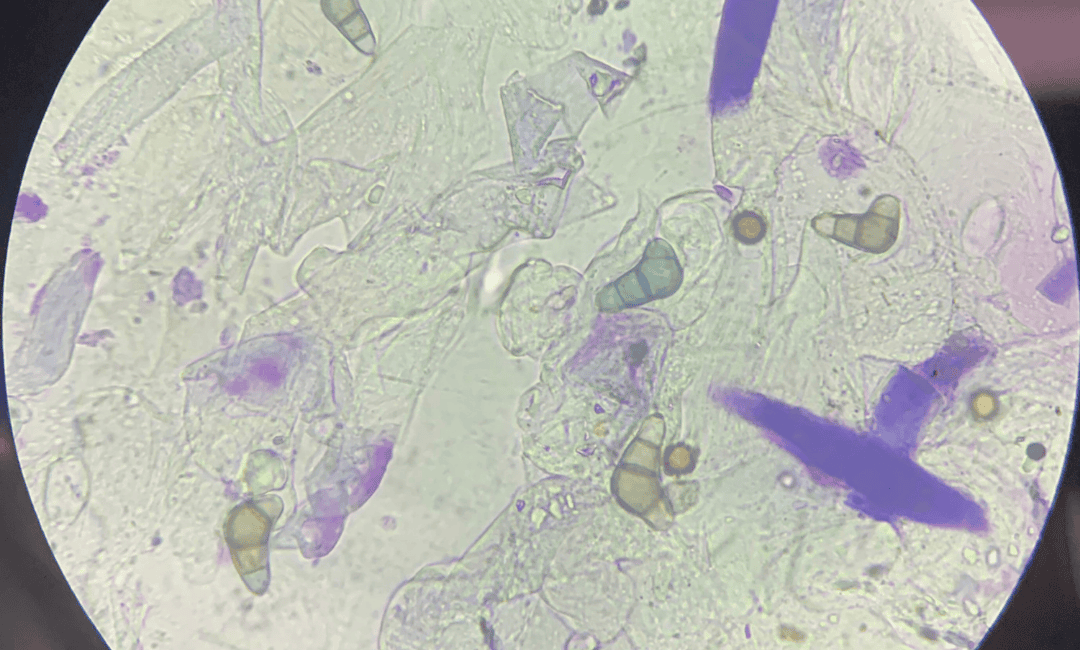
A biopsy is essential for soft tissue sarcoma detection. Usually, this is done with a core needle biopsy, guided by imaging. The biopsy path is carefully planned, so your oncologist can take several samples through a single entry point.
The tissue is examined by a pathologist who specialises in sarcomas. Special tests may look for specific gene changes that help define the subtype.
Soft tissue sarcoma staging determines:
Although learning about staging can feel overwhelming, accurate staging helps guide the right treatment approach and significantly improves the soft tissue sarcoma survival rate.
Management of soft tissue sarcoma is highly individualised. Your care plan will be personalised based on your tumour type, stage, and overall health. In most cases, these decisions are made by a specialised sarcoma teams that consider these 6 treatment options for STS:
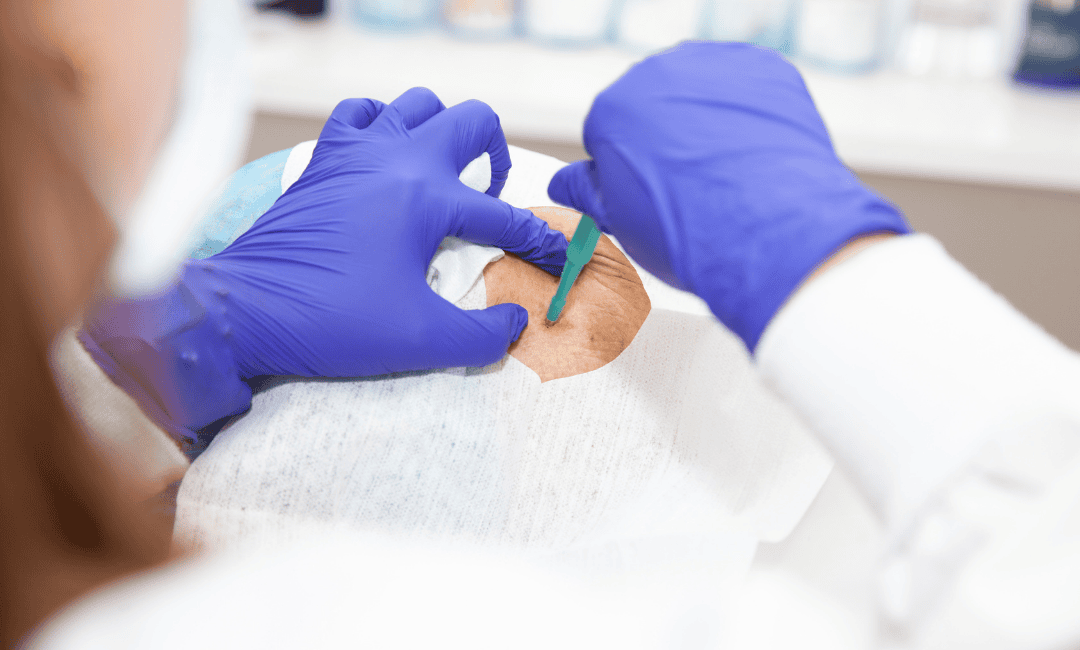
For most, surgery is the primary treatment to remove the tumour completely while preserving as much normal tissue and function as possible.
In limb sarcomas, your team might perform limb-sparing surgery, which makes amputation a rarity. Your surgical team will carefully plan the procedure to remove the tumour safely and give you the best chance of a cure while protecting your quality of life.
Radiation therapy uses high-energy beams to target cancer cells. It is often combined with surgery to lower the chance of the cancer coming back in the same area.
Radiation may be given before surgery (to shrink the tumour) or after surgery (to reduce soft tissue sarcoma recurrence risk).
Your team will discuss which approach best fits your situation. While radiation can cause temporary side effects like fatigue or skin changes, these are closely monitored and managed.
Chemotherapy uses medication to destroy cancer cells throughout the body. Not everyone with soft tissue sarcoma needs chemotherapy. It, however, could be recommended if the tumour is large, high-grade, or has spread.
In advanced soft tissue sarcoma, chemotherapy can help shrink tumours, control cancer symptoms, and extend life.
Some sarcomas have specific genetic changes that can be treated with targeted medications, which are usually more precise than chemotherapy. These drugs focus on particular molecules to stop the growth.
If your tumour has certain features identified through molecular testing, targeted therapy may be an option.
Immunotherapy helps your immune system recognise and fight soft tissue sarcoma cancer. While it does not work for all types of cancer, some soft tissue sarcoma subtypes respond well.
In certain cases, specialised centres offer immunotherapy as part of a clinical trial.
Clinical trials study new and promising treatments. Because soft tissue sarcoma is rare and diverse, research is ongoing to improve outcomes.
Joining a clinical trial can provide access to innovative therapies while contributing to advances that may help future patients. Your care team can guide you on whether a trial is appropriate and safe for your situation.
A diagnosis of soft tissue sarcoma can feel overwhelming, but you do not have to navigate it alone. Skilled oncology doctors at Everhope, sarcoma specialists, and dedicated multidisciplinary care teams are there to guide every step.
They’ll explain your cancer diagnostics clearly, tailor treatment to your specific subtype, and support both your physical and emotional well-being. Finally, ask questions, share your fears, and stay connected to those who care about you.