UnderstandingTuberousSclerosis: Symptoms, Causes and Treatment
Dr. Vrundali Kannoth|5 min read|
Your six-month-old daughter has been having seizures. The paediatrician noticed unusual light patches on her skin during examination. An MRI revealed small growths in her brain.
The diagnosis arrives:
tuberous sclerosis. You've never heard this term before. Questions flood your mind: What is this condition? Will she be okay?
Tuberous sclerosis is a rare genetic disorder affecting thousands of families worldwide. Understanding it helps you navigate treatment decisions and provide the best care.
This guide explains
symptoms, diagnosis, and management - giving you the knowledge needed for this journey.
What is tuberoussclerosis?
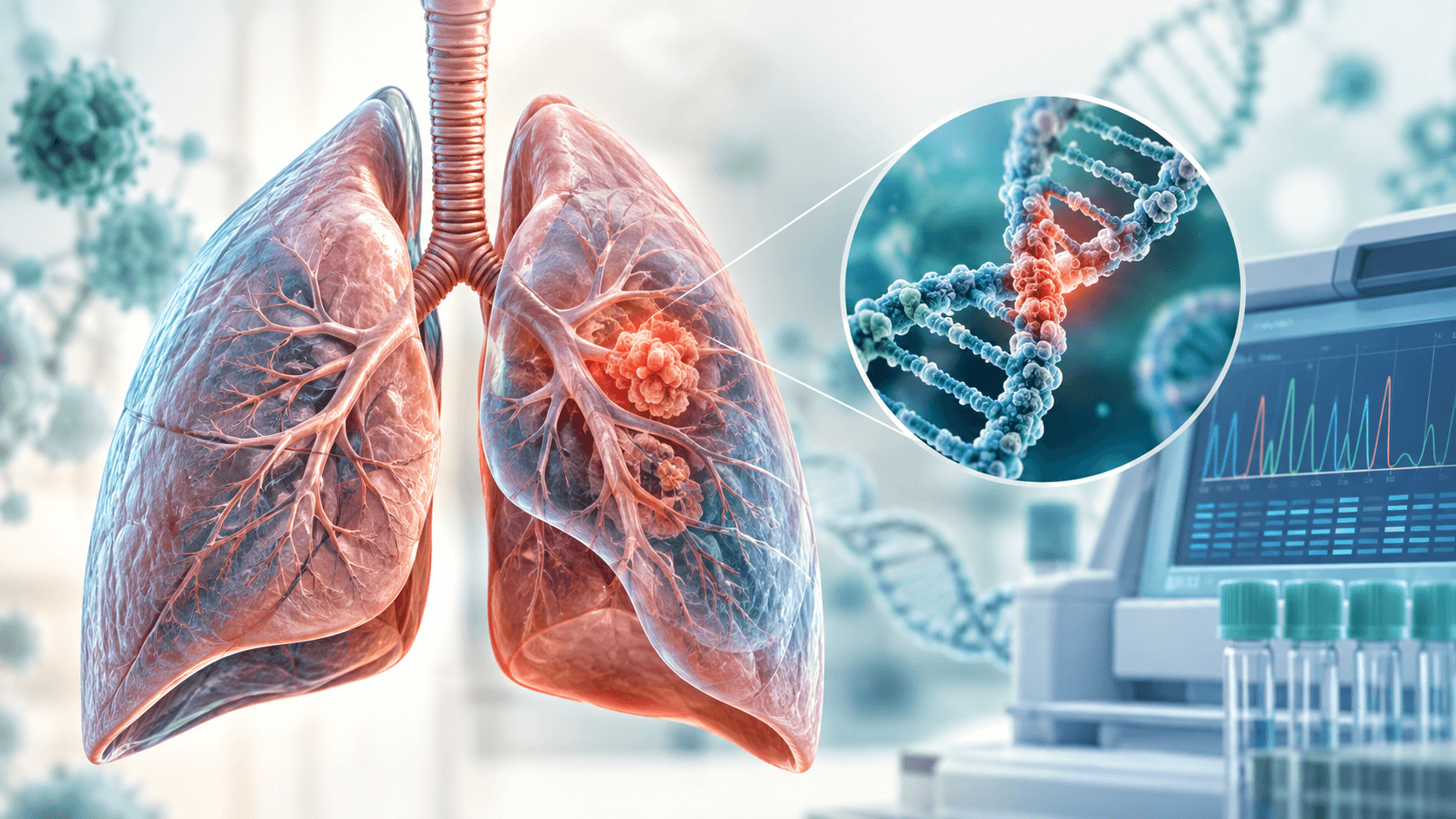
Tuberous sclerosis is a rare genetic disorder causing non-cancerous tumour growths (hamartomas) in multiple organs, particularly the brain, kidneys, heart, lungs, and skin.
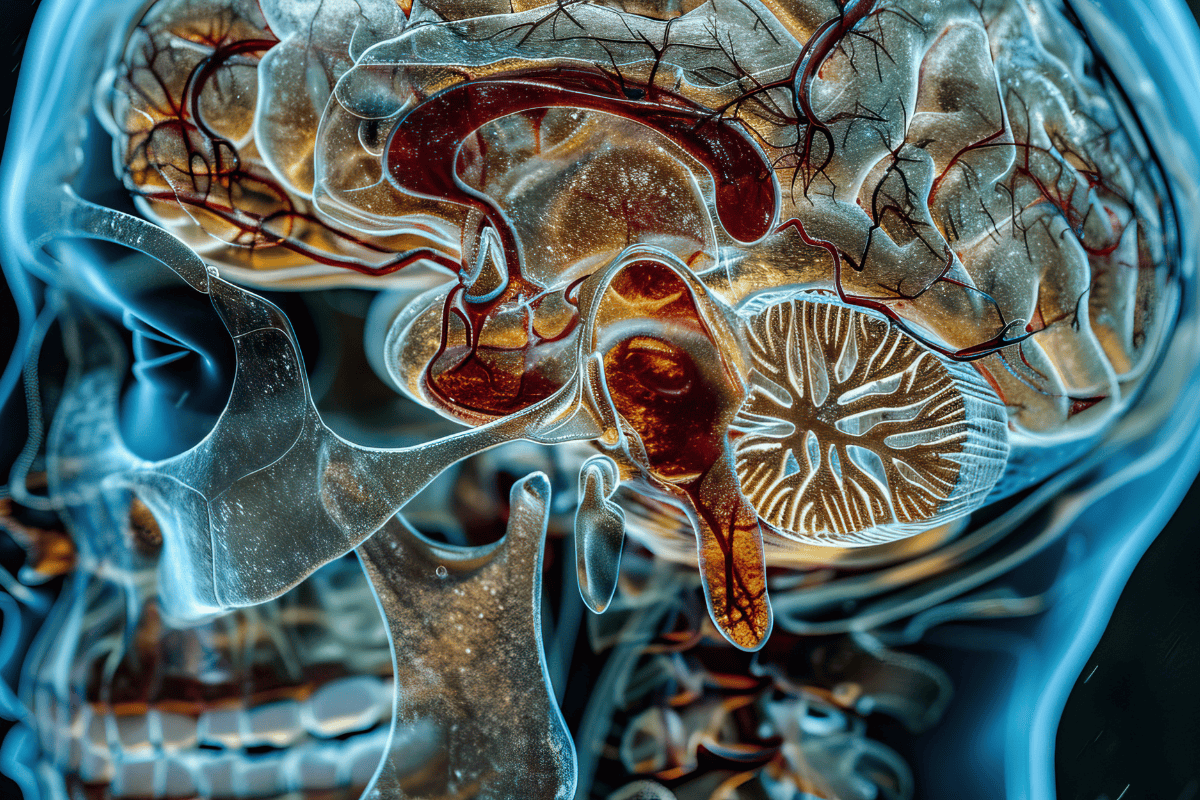
Tuberous sclerosis meaning comes from the characteristic brain lesions appearing as hard, tuber-like nodules (tubercles) with hardened tissue (sclerosis). These growths aren't cancer, though they can cause serious complications depending on size and location.
Tuberous sclerosis meaning comes from the characteristic brain lesions appearing as hard, tuber-like nodules (tubercles) with hardened tissue (sclerosis). These growths aren't cancer, though they can cause serious complications depending on size and location.
The condition varies dramatically between individuals. Some experience severe symptoms from birth, while others have minimal impact on daily life.
Tuberoussclerosiscomplex *(TSC) explained
The word "complex" reflects how this disorder affects multiple body systems simultaneously.
Medical professionals prefer this comprehensive term, and tuberous sclerosis syndrome is an older alternative.
Role of genetic mutations:
Genetic mutation cancer-style problems in cell growth regulation, cause the disorder. Mutations in specific genes make cells grow abnormally, forming benign growths throughout the body.
TSC1 & TSC2 genes:
Tuberous sclerosis gene mutations occur in either TSC1 (chromosome 9) or TSC2 (chromosome 16). These genes produce proteins that normally suppress tumour formation. When mutated, this control fails, allowing abnormal tissue growth.
Who can be affected by tuberoussclerosis?
The condition affects approximately 1 in 6,000 live births across all ethnic groups and genders.
Tuberoussclerosis age of onset
Tuberous sclerosis age of diagnosis varies widely.
•Infants
Cardiac tumours may be detected during prenatal ultrasound or shortly after birth. Infantile spasms often appear in the first year.
•Children
Seizures frequently emerge between the ages of 1-3. Developmental delays and autism spectrum features may become apparent during toddler years.
•Adolescents
Facial skin changes become more noticeable during teenage years.
•Early signs
Light-colored skin patches present at birth, seizures in infancy, or developmental delays prompt initial evaluation.
Tuberoussclerosis in adults
In adults, the disorder presents unique challenges. Many receive a diagnosis only after decades of unexplained symptoms.
•Late diagnosis
Adults may finally get answers after years of seizures, skin changes, or kidney problems attributed to other causes.
•Adult-onset complications
Kidney angiomyolipomas may grow larger and bleed. Lung involvement (LAM) primarily affects women.
Tuberoussclerosis causes
Genetic causes
Tuberous sclerosis causes involve specific genetic mutations that can be inherited or occur spontaneously.
•Mutations in TSC1/TSC2 genes:
Approximately two-thirds of cases result from new mutations, where neither parent carries the gene change. The remaining third inherit the mutation from an affected parent.
•Inherited cases:
When one parent has the condition, each child has a 50% chance of inheriting it. However, siblings with the same mutation may have vastly different symptom severity.
Tuberous sclerosissymptoms
Tuberous sclerosis symptoms vary enormously depending on which organs develop growths.
Brain and neurological symptoms
•Seizures:
Tuberous sclerosis seizures affect 80-90% of individuals. Types range from infantile spasms to focal seizures.
•Developmental delays:
Intellectual disability occurs in about 50% of cases.
•Autism spectrum features:
Behavioural and social challenges affect many children.
Brain and neurological symptoms
•Seizures
Tuberous sclerosis seizures affect 80-90% of individuals. Types range from infantile spasms to focal seizures.
•Developmental delays
Intellectual disability occurs in about 50% of cases.
•Autism spectrum features
Behavioural and social challenges affect many children.
Skin and external features
Tuberous sclerosis features on skin help with diagnosis:
•Facial angiofibromas
Small red bumps on cheeks and nose.
•Hypopigmented patches
Light-colored "ash leaf" spots, often present from birth.
•Shagreen patches
Raised, thickened skin areas on lower back.
Organ-related symptoms
•Kidneys
Renal cell carcinoma rarely develops, but angiomyolipomas (benign tumours) are common.
•Lungs
LAM causes progressive breathing difficulties, primarily in women.
•Heart
Cardiac rhabdomyomas often present in infants but typically shrink with age.
•Vision
Retinal hamartomas may affect vision if located critically.
Tuberous sclerosis associated tumours
The associated tumours are typically benign but can cause problems due to size or location.
However, tuberous sclerosis tumours don't spread like types of cancer but grow locally. In fact, a biopsy test for cancer is rarely needed since imaging confirms the diagnosis.
•Brain
Subependymal nodules line the brain ventricles. Rarely, these develop into subependymal giant cell astrocytoma (SEGA), which can block fluid flow.
•Kidneys
Angiomyolipomas contain blood vessels, smooth muscle, and fat. Multiple growths are common.
•Heart
Rhabdomyomas may cause arrhythmias in newborns but usually regress.
•Lungs
LAM cysts develop exclusively in women, causing progressive lung damage.
How is tuberoussclerosis diagnosed?
Diagnosis becomes clear through specific diagnostic criteria and testing.
Tuberous sclerosis diagnostic criteria
Tuberous sclerosis diagnosis uses clinical criteria developed by international experts.
Moreover, tuberous sclerosis criteria require either two major features or one major plus two minor features. Major criteria include cardiac rhabdomyoma, facial angiofibromas, ash leaf spots (3+), kidney angiomyolipomas, and brain lesions.
Identifies TSC1 or TSC2 mutations in 85% of cases.
•MRI / CT scans
Brain MRI reveals cortical tubers and nodules. Can cancer be detected in CT scan ? Yes, and CT/MRI also detect tuberous sclerosis brain lesions. Abdominal imaging evaluates kidney and liver involvement.
•EEG
Detects seizure activity and guides medication choices.
The different types are classified by organ involvement:
•Brain-predominant
Primarily neurological symptoms
•Kidney-predominant
Multiple angiomyolipomas
•Multi-system
Three or more organ systems involved
TSC2 mutations generally cause more severe disease than TSC1.
Mild tuberous sclerosis
It is the cases with minimal symptoms, perhaps only skin changes or small kidney growths.
Even mild cases require ongoing surveillance, as complications can develop later. Annual kidney imaging and periodic brain MRI help detect emerging issues early.
Tuberous sclerosis treatment options
The treatment focuses on symptom management since no cure exists.
Medical treatment
•Anti-seizure medications
First-line treatment for epilepsy. Options include vigabatrin (for infantile spasms), levetiracetam, and lamotrigine.
•mTOR inhibitors
Everolimus and sirolimus reduce the growth of SEGAs, kidney angiomyolipomas, and facial angiofibromas.
Surgical treatments
•Tumour removal
Large kidney angiomyolipomas may require embolisation or surgical removal.
•Epilepsy surgery
For drug-resistant seizures, removing the brain region causing seizures may provide relief. Oncology doctors rarely manage this condition, but neurosurgeons provide specialised care.
Cancer treatment approaches aren't needed since the growths are benign.
Additionally, tuberous sclerosis management requires coordinated care across multiple specialities. In fact, tuberous sclerosis clinical features change over time, requiring adaptive management strategies. Make sure you have the right expert guidance throughout the process.
Tuberous sclerosis complications
Here are some of the complications that vary by affected organs:
•Uncontrolled seizures
affect quality of life
•Kidney failure
from multiple angiomyolipomas
•SEGA
causing hydrocephalus
•LAM
leading to respiratory failure
•Behavioural challenges
requiring intensive support
Signs of cancer, like rapid growth or system-wide spread, don't occur, but benign growths still cause problems.
Conclusion
This rare genetic disorder causes benign tumour growth due to TSC1 or TSC2 gene mutations, affecting 1 in 6,000 births.
Tuberous sclerosis prognosis varies enormously, from minimal skin changes to severe multi-system involvement. In fact, modern care has improved outcomes dramatically, with many achieving a good quality of life when complications are managed early.
Consult specialised medical teams for comprehensive evaluation.
Questions
FAQs
Get answers to common questions about Tuberous Sclerosis
Can tuberous sclerosis symptoms worsen with age?+
Yes, some features worsen over time. Kidney angiomyolipomas tend to grow larger with age, increasing bleeding risk. Facial angiofibromas become more prominent during adolescence and adulthood.
Is tuberous sclerosis fatal?+
Not typically with proper management. Most individuals with the condition now live normal or near-normal lifespans. Life-threatening complications can occur, including severe seizures, kidney haemorrhage, or advanced lung disease, but these are manageable with appropriate medical care.
How is tuberous sclerosis managed long-term?+
Long-term management requires coordinated care across neurology, nephrology, dermatology, and other specialities. Regular imaging monitors tumour growth in the brain and kidneys. Lifelong surveillance remains essential even when symptoms are mild.