
Nutrition5 min read
Spirulina Biotic Powder: Benefits, Nutrition Facts and Its Role in Cancer Nutrition
Dr. Vrundali Kannoth
Some days, finishing even a small meal takes real effort. Cancer treatment can blunt your appetite and leave your energy running low, which makes getting enough nourishment a genuine worry.
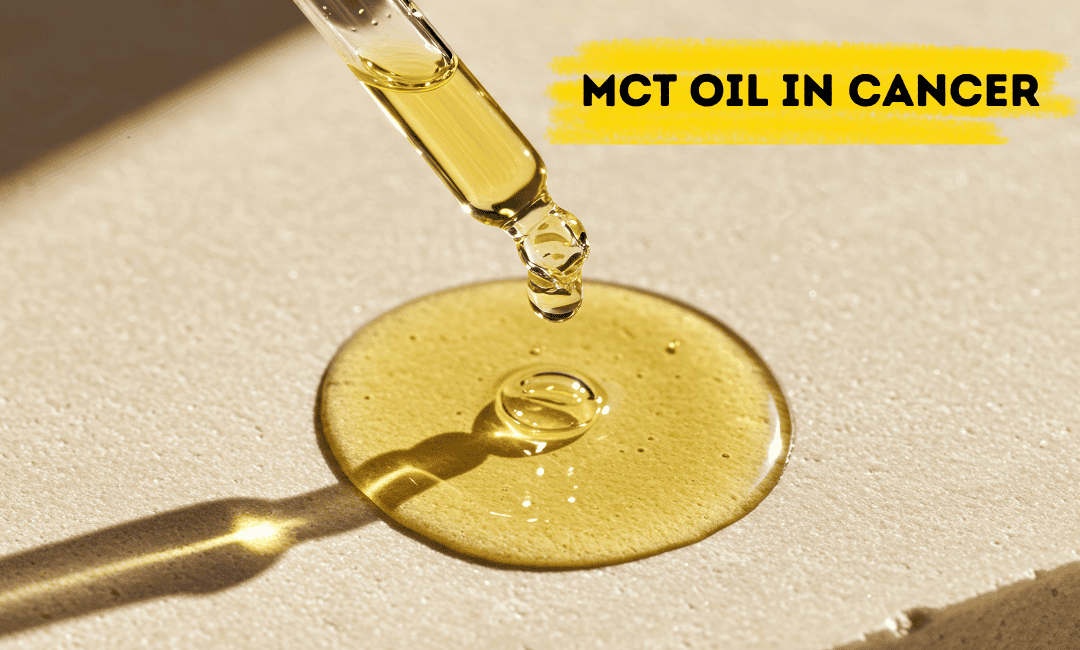
When eating is hard work, even small amounts of energy-rich food can help. One such option is MCT oil, a fat that the body absorbs quickly and turns into usable energy.
Here we'll cover what it is, how it fits into everyday eating, and what the research actually shows.
The aim is to give you clear, honest information so you can make an informed choice.
MCT oil stands for medium-chain triglyceride oil. It is a fat built from medium-length fatty acids. Most fats in food are long-chain fats, made of longer rows of carbon atoms. The fatty acids in MCT oil are shorter, holding roughly six to twelve carbons each.
That shorter length matters more than it sounds.
Long-chain fats need bile and a longer digestive route before the body can use them.
Medium-chain fats take a quicker path. They move almost directly to the liver, where they become ready energy with little fuss.
Core strength of MCT oil composition: Shorter fatty acids that your body can absorb and burn quickly. That speed is why it draws interest when energy runs low.
MCT oil are available at the Everhope store — reviewed for use during cancer care.
MCTs are not made in a lab. They occur naturally in a small group of foods, with coconuts leading the way.
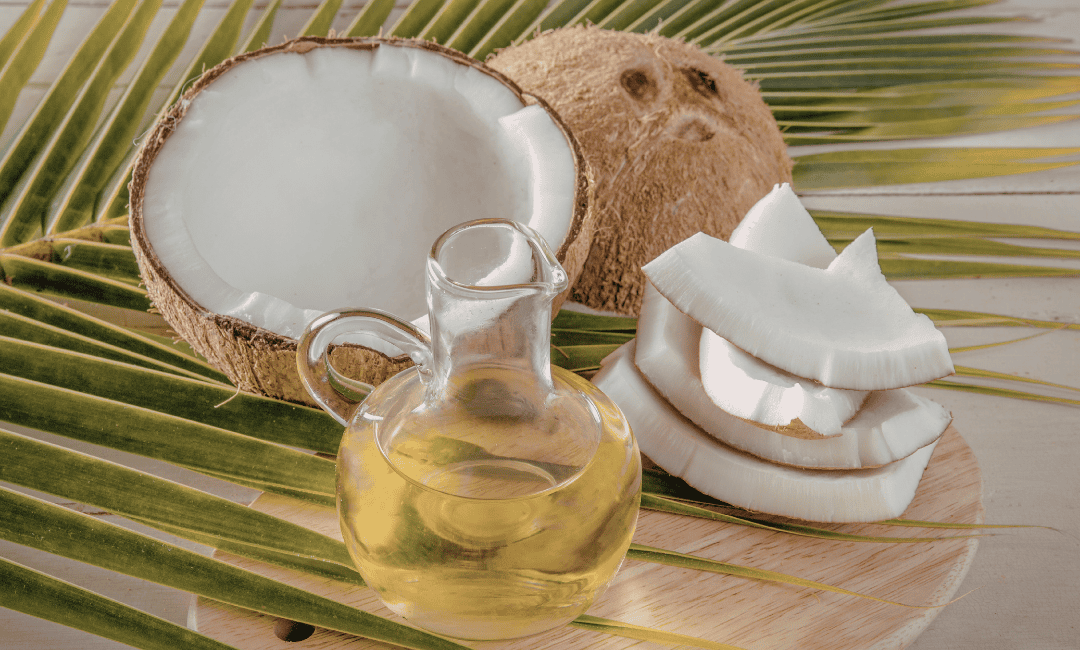
Most MCT oil is refined from two everyday oils: coconut oil and palm kernel oil.
The medium-chain fats are separated and concentrated into a clear, mild oil. For a steady, measurable dose, this concentrated form is the best source of MCT oil.
Smaller amounts of MCTs sit in foods you may already eat. Some everyday MCT oil examples include:
Coconut also shows up in other forms. Coconut water for cancer patients is a gentle option that supports hydration when drinking milk feels like a chore.
All MCTs are not the same. There are four main types of MCT oil, sorted by the number of carbons in each chain.
| MCT type | Chain length | Common use |
|---|---|---|
| Caproic acid (C6) | 6 carbons | Used in tiny amounts; strong taste, can unsettle the stomach |
| Caprylic acid (C8) | 8 carbons | Turns into energy fastest; common in premium oils |
| Capric acid (C10) | 10 carbons | Steady energy; often blended with C8 |
| Lauric acid (C12) | 12 carbons | Main fat in coconut oil; its MCT status is debated |
When it comes to MCT oil nutrition facts, the picture is pretty simple.
It is nearly pure fat, which makes it a dense, fast source of energy.
| Per tablespoon (about 14 g) | Amount |
|---|---|
| Calories | 115 to 120 kcal |
| Total fat | About 14 g, mostly saturated |
| Carbohydrate | 0 g |
| Protein | 0 g |
| Fibre | 0 g |
| Vitamins and minerals | None of note |
Gram for gram, it carries slightly fewer calories than most fats. It also turns into ketones quickly, which is why you will often find it in a keto diet for cancer patients.
The appeal of MCT oil comes down to speed and ease. Because the body absorbs it quickly, it can offer a fast lift when energy is low.
Some of its MCT oil benefits are well studied, while others are still being explored.

Here is what the research points to so far:
Researchers are also looking at certain MCTs, such as caprylic acid, for antimicrobial effects, a question linked to the immune system and cancer.
These remain among the health benefits of MCT oil still under study.
Weight loss and appetite changes are common during treatment, which is why MCT oil and cancer work well together.
Here is what the evidence supports, and where it stops.
The everyday MCT oil uses are simple, and it slips into food without changing the taste much.

Small additions like these can fit neatly into shifting cancer and food habits:
Taking it with food, rather than straight from the spoon, also sits easier on the stomach.
One to avoid: High-heat cooking. MCT oil has a low smoke point, so frying can spoil it and create off-flavours.
An MCT oil supplement comes in two main ways:
There is no single right amount, and the safest approach to MCT oil dosage is to start small and build up slowly.
A gentle way to begin:
When to take MCT oil?
Take it with meals and spread doses through the day. It is gentler than one large dose.
Safety note: MCT oil is a concentrated fat, so large amounts can cause loose stools. If this happens, ease off and keep your fluids up. Staying hydrated matters during treatment, and water and cancer looks at why.
For most people, the MCT oil side effects are mild and are focused on the gut. They happen because MCT oil is absorbed fast, which can overwhelm the digestive system when there is too much at once.
A high dose, a quick increase, or taking it on an empty stomach all make them more likely.
Common digestive effects include:
Take extra care if you have:
Suggestion: Easing back to a smaller dose usually settles the gut, and many people adjust within a week or two of steady use. If symptoms persist, or any of the above apply to you, speak with your doctor or care team for assistance with oncology nutrition before continuing.
MCT oil is a concentrated, easy-to-absorb fat that can add gentle energy to food when appetite is low and every calorie counts. It is a helping hand for nourishment, not a treatment for the cancer itself.
Think of it as one small part of a fuller eating plan rather than a quick fix. For some, it makes hard eating days a little easier, and that alone can be worth it.
One last thing, and it is the big one: bring your oncology doctors into the decision. They know your treatment inside out, so a short conversation can turn confusion into a clear answer that fits you.
Yes, many older adults use them safely. Start with a small dose, take it with food, and check first with a doctor about any medications.
There is no fixed limit, and many people use them long term. Keep the dose moderate and review it regularly with your doctor or dietitian.
Neither is simply better. Powder is easier to carry and gentler for some, while liquid is purer and more concentrated. Choose what suits you.