Nutrition5 min read
Spirulina Biotic Powder: Benefits, Nutrition Facts and Its Role in Cancer Nutrition
Dr. Vrundali Kannoth
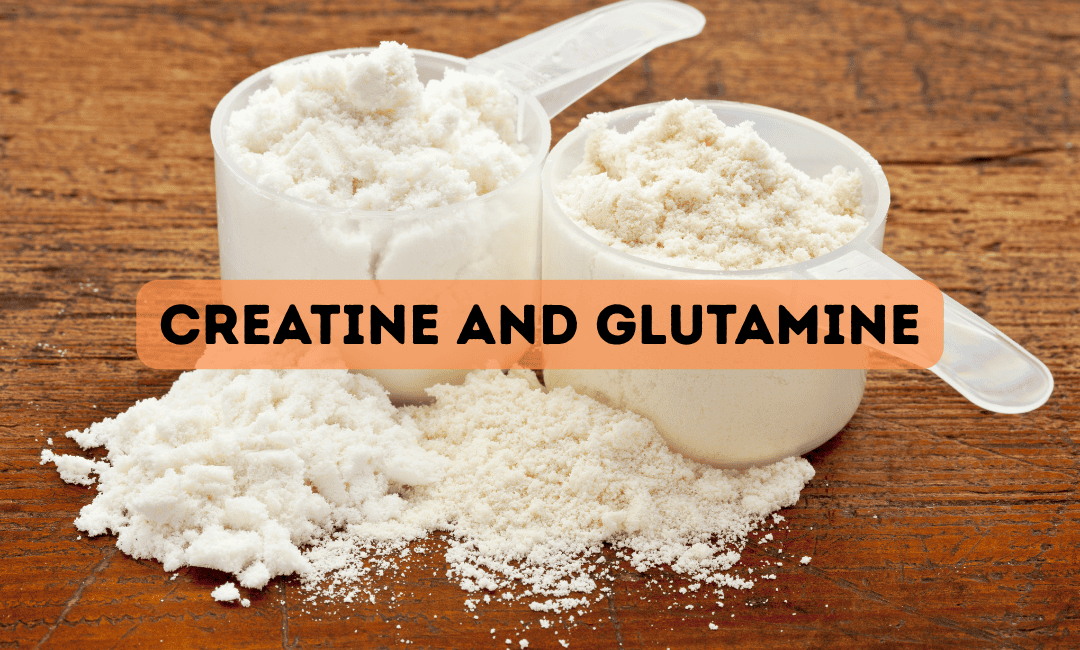
Cancer nutrition plans often include two names side by side: creatine and glutamine. They turn up on the same prescription, the same supplement list, sometimes the same shelf at the pharmacy.
So, it is easy to assume they do the same job.
However, they do not.
Glutamine works closely with the gut and the immune system. Creatine works with muscle and energy.
Confusing the two, or assuming one can stand in for the other, means missing what each is actually meant to support.
This guide explains both creatine and glutamine clearly, where they overlap, where they differ, and what current research says about their role in cancer care.
Let’s take a deeper look.
Glutamine is an amino acid, a basic building block that the body uses to make protein. The body makes most of it on its own.
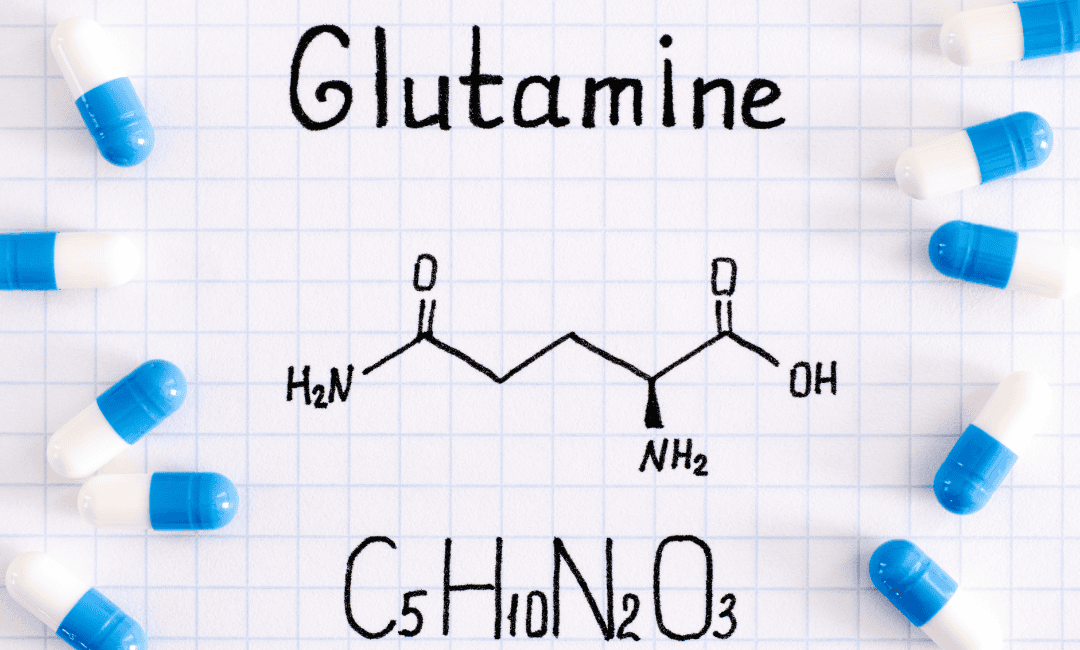
During intensive cancer treatment, that production can fall short of demand. The deficit matters because glutamine has specific jobs:
It is a nutrient supplement taken as support when the body needs more than it can produce.
So, is it a protein powder for cancer patients?
Glutamine is not in the same category as a protein powder. It is a single amino acid, while something like albumin protein powder is a concentrated protein source used when overall protein or albumin levels need rebuilding.
In conversations around creatine and glutamine, glutamine is generally the one linked to gut and immune recovery.
Creatine is a compound the body makes naturally, mostly in the liver, kidneys, and pancreas. Once made, it travels to the muscles, where most of it is stored.
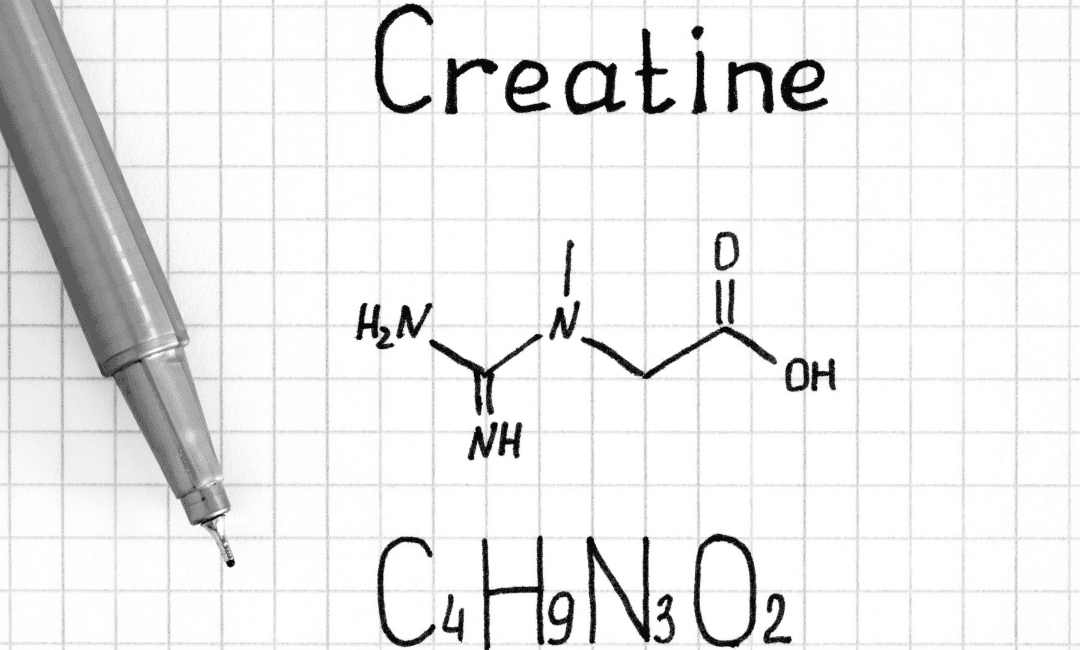
Its main job is energy. Creatine helps regenerate ATP, the molecule muscles use for quick bursts of effort, like standing up, gripping, or short physical exertion.
This is why creatine is widely studied in fitness and athletic settings:
Outside of sports nutrition, interest has grown in the creatine and glutamine supplement combination, particularly in settings where muscle preservation matters.
Within the broader conversation on creatine and glutamine, creatine is the one most closely tied to muscle and physical energy.
The core difference between creatine and glutamine comes down to what each one supports in the body.
Glutamine primarily supports the gut and immune system. Creatine works mainly with muscle and energy.
Once that distinction is clear, the rest of the glutamine and creatine difference becomes easier to follow.
| Glutamine | Creatine | |
|---|---|---|
| Type of nutrient | Amino acid | Compound made from amino acids |
| Where it’s made | Mostly in muscle, also in other tissues | Liver, kidneys, and pancreas |
| Where it’s stored | Muscle, released as needed | Mostly in skeletal muscle |
| Main role | Supports gut lining and immune cells | Fuels quick muscle energy (ATP) |
| Demand rises during | Illness, surgery, intensive treatment | High physical exertion, muscle loss |
| Typical use case | Recovery, gut, and immune support | Muscle preservation, physical strength |
| Role in cancer care | Studied for gut protection during chemo and radiotherapy | Studied for preserving muscle during cachexia, mainly in early research |
| Most studied in | Clinical and oncology nutrition | Sports and exercise science |
| Common form taken | Powder or capsule, often with meals | Powder, usually with water |
Looking at glutamine vs creatine this way makes the choice less confusing.
They are not competing for the same job. They are addressing two different needs.
There is no better choice between creatine and glutamine, because the two do not solve the same problem.
The right one depends on what the body needs at that moment.
These supplements cannot replace a balanced diet or medical guidance. The better option, in most cases, is whichever one matches a specific, identified need.
Yes, with no known harmful interaction.
What we found: A six-month, placebo-controlled trial testing creatine and glutamine in 50 boys with Duchenne muscular dystrophy found both supplements well tolerated with no safety concerns.
However, there is no trial showing this combination is the best protein for cancer patients, so confirm with an oncologist or dietitian first.
Absorption pathways:
They do not compete for the same absorption pathway, which is part of why combining them is generally considered safe.
Use: A creatine and glutamine mix is mainly used to support recovery and muscle preservation together. There is no fixed answer for when to take glutamine and creatine, but an oncologist-confirmed dose matters more than exact timing.
Both supplements have been studied for cancer-related nutrition, though the evidence for each looks quite different.
More research in this context, mainly for gut protection and muscle preservation during treatment:
Evidence is mostly preclinical, with human cancer trials still limited:
Neither supplement is established as a cancer treatment.
Research so far points to potential supportive roles: glutamine, more so for gut and recovery support; creatine is still largely unproven in human cancer trials, with promising animal data.

Any use of creatine and glutamine for cancer-related nutrition should be discussed with an oncologist or dietitian, who can weigh it against the treatment plan and individual health status.
Glutamine:
Creatine:
Note: Weight loss in cancer is tracked closely during treatment, so the link between water and cancer in weight monitoring is worth knowing.
Fluid retention from creatine can shift the number on the scale without reflecting an actual change in body weight.
Worth flagging to an oncologist first:
Creatine and glutamine are not interchangeable, and they were never meant to be.
One supports the gut and immune system, the other supports muscle and energy, and knowing which one the body needs makes all the difference.
Research on creatine and glutamine benefits continues to grow, particularly in cancer nutrition, but the evidence is still developing.
Glutamine has more support for gut and recovery-related use, while creatine's role remains promising yet largely unproven in human cancer trials.
Neither supplement should be started without medical guidance, especially during active treatment.
The right next step is a conversation with oncology doctors, who can assess your individual health, treatment plan, and nutritional needs before recommending either one.
Yes, water retention is creatine's most common side effect. It usually happens within muscle tissue and is not typically harmful, though it is worth monitoring during cancer treatment.
Glutamine supports recovery indirectly by aiding gut and immune health during stress. Evidence for direct muscle-building benefits is limited, though it may help preserve muscle during illness-related strain.
Consistency matters more than precise scheduling for both. The best time to take creatine and glutamine is whatever fits your daily routine, ideally confirmed with an oncologist’s guidance.
Yes, the two can generally be combined safely, since they work through different pathways. Always confirm dosage and timing for creatine and glutamine with a doctor first.