Nutrition5 min read
Spirulina Biotic Powder: Benefits, Nutrition Facts and Its Role in Cancer Nutrition
Dr. Vrundali Kannoth
Protein requirement is usually the last thing we think of when undergoing treatment for cancer. Patients usually have raised protein requirements that are harder to meet through food alone.
Protein powder for cancer patients can be a simple, practical way to meet these needs. The right choice here depends on individual health, treatment type, and digestion.
According to the European Society for Clinical Nutrition and Metabolism (ESPEN), cancer patients may need up to 1.0-1.5 g of protein per kg of body weight per day.
This blog covers what protein powder cancer patients can consider, how to choose safely, and how to include it as a part of a cancer care plan.
Protein powder for cancer patients are available at the Everhope store — reviewed for use during cancer care.
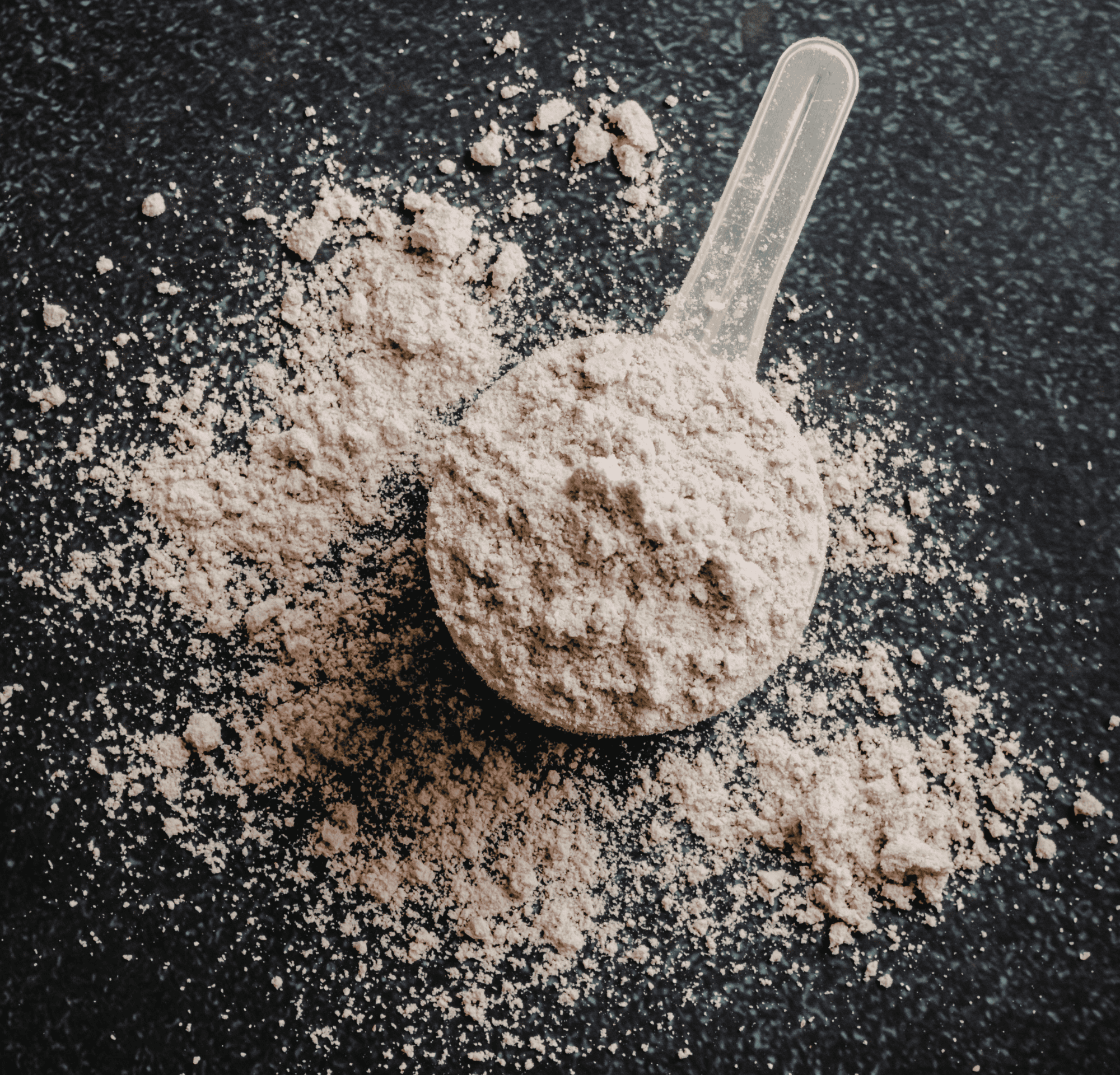
Protein powder for cancer patients is a concentrated dietary supplement derived from food sources like whey, soy, peas, or eggs. It is designed to help individuals meet their daily protein needs when food intake falls short.

Here’s why protein plays such a central role in the body’s ability to cope:
Protein supplements for cancer address a nutritional gap caused by both cancer and its treatment. At the same time, symptoms like nausea, mouth sores, fatigue, and loss of appetite make it harder to eat enough.

Protein supplementation in cancer care fits dietary routines where regular food becomes harder to digest or ingest. It is most useful in ensuring the body recovers from the aftermath of the disease and its treatment.
Protein powder for muscle loss in cancer is one of its most clinically relevant uses. Cancer-related muscle loss, known medically as cachexia, affects up to 80% of advanced cancer patients.
Adequate protein can help slow this process. Paired with light physical activity, protein powder for cancer patients can meaningfully support muscle preservation.
The table below outlines the uses of protein powder in cancer:
| Use | How it helps |
|---|---|
| Muscle preservation | Protein powder for cancer patients slows the breakdown of muscle tissue during treatment |
| Immune support | Provides amino acids needed for immune cell production |
| Recovery after surgery | Supplies nutrients essential for tissue repair and healing |
| Managing cancer fatigue | Helps maintain energy by supporting cellular function |
| Nutritional gap-filling | Compensates for reduced food intake due to nausea or appetite loss |
| Supporting diet for cancer patient after chemotherapy | Protein powder for cancer patients eases the transition back to regular eating with a tolerable supplement |
| Weight management | Helps maintain a healthy weight when cancer weight loss becomes a concern |
Protein powder is safe for most cancer patients, but not all protein powders are appropriate for every person or every treatment phase.

The safety of a protein powder for cancer patients depends on its ingredients, the type of cancer, and the treatment. Some supplements contain additives, artificial sweeteners, or herbal ingredients that can interfere with medications or tax organs.
This is why protein supplement guidelines for cancer patients consistently emphasise speaking to your oncologist first.
The right protein powder for cancer patients varies depending on what the body is going through at each stage of treatment. Side effects differ across treatment types.
| Treatment phase | Common challenges | Recommended approach | Important cautions |
|---|---|---|---|
| During chemotherapy | Chemotherapy often causes nausea, vomiting, and a sensitive gut, making tolerance of supplements difficult. | Lighter, easily digestible options such as pea protein or rice protein tend to be better tolerated. Whey isolate protein powder for cancer patients is another gentle option. | Choose formulas with minimal additives or artificial sweeteners. |
| During radiation | Radiation targeting the mouth, throat, or digestive tract can make swallowing painful and digestion uncomfortable, limiting food intake significantly. | A smooth, unflavoured, or mildly flavoured protein powder for cancer patients mixed into liquids or soft foods tends to work best here | Avoid gritty or heavily flavoured powders |
| After surgery | The body's protein needs peak during surgical recovery, as tissue repair and immune function both depend on adequate protein availability. | Easily absorbed proteins like whey isolate may support wound healing as part of the diet after chemotherapy. | If the surgery involved the digestive tract, always follow specific oncologist guidance before introducing supplements. |
| When kidney or liver health is a concern | Some cancer treatments affect kidney or liver function, which directly impacts how the body processes protein metabolites. | Protein powder for cancer patients needs to be carefully managed in these cases, with quantity and protein type guided by current organ function assessments. | Your oncologist will advise on nutrition and cancer based on current bloodwork and organ function. Do not self-adjust protein intake yourself. |
Which protein powder is best for cancer patients is a question of what is inside it. Understanding oncology nutrition principles can help make this choice far less overwhelming.

A good starting point is reading labels of protein powder for cancer patients with an eye for ingredients that support a body already working hard.

FM Nutrition Hydrolysed Plant Protein (300 gm)
Hydrolysed plant protein with BCAAs and MCT
₹825₹889
These are some green flags in a protein powder:
Look for protein powder for cancer patients that contains all essential amino acids. Whey, egg white, soy, and pea-rice blends all qualify. These are the best protein for cancer patients because they support tissue repair and immune function most effectively.
A shorter ingredient list is almost always a better sign. It means fewer additives, potential irritants, and a reduced risk of interference with treatment medications.
Some protein powders include digestive support ingredients like lactase or probiotics. For patients experiencing gut-related side effects, these can make supplementation significantly more comfortable
Some options include added vitamin D, zinc, or B vitamins, nutrients that are often depleted during treatment. When these are included in thoughtful amounts (not megadoses), they can offer added value.
Look for protein powder for cancer patients that carries independent quality certifications. These indicate the supplement has been tested for contaminants and actually contains what the label claims.
Just as with cancer foods to avoid, there are also certain ingredients that can be problematic in a protein powder:
| Ingredient | Why is it a concern for cancer patients? |
|---|---|
| Artificial sweeteners | May disrupt gut microbiome; links to increased gut sensitivity and inflammation |
| Excess added sugar (more than 5-8g per serving) | Can contribute to blood sugar spikes, promote inflammation, and feed concerns around cancer-aggravating foods |
| High-dose antioxidant blends | May interfere with chemotherapy or radiation by protecting cancer cells from oxidative damage |
| Proprietary blends without disclosed quantities | Makes it impossible to assess safety or flag potential drug interactions |
| Soy isoflavone concentrates | May be a concern for hormone-sensitive cancers; always check with your oncologist. |
| Heavy metals | Accumulation can be harmful for patients with already compromised organ function. |
| Maltodextrin as a primary filler | A high-glycaemic filler that offers little nutritional value and can spike blood sugar |
Can cancer patients take protein powder? Most can, but the how matters just as much as the what. Protein powder cancer patients include in their diet works best when it is treated as one part of broader nutrition.
For those wondering, “is protein powder safe for cancer patients?”, there are practical ways to make protein supplementation easier. Mixing protein powder into warm soups, smoothies, porridge, or soft foods like yoghurt can make it more manageable when appetite is low.
Which protein powder is best for cancer patients will shift as treatment progresses. What works during early chemotherapy may need to change post-surgery. This is why regular check-ins with your oncology team about nutritional needs are valuable.
Figuring out the right protein can be puzzling. You need oncologists who understand that cancer care goes beyond treatment protocols. When navigating protein powder for cancer patients feels hard, Everhope Oncology helps you with personalised recommendations.
They can be, but it depends on what is used to create the flavour. Natural flavourings in small amounts are generally acceptable, but powders high in artificial sweeteners, excess sugar, or synthetic additives are best avoided during treatment.
No, protein powder for cancer patients is a supplement instead of a meal replacement. It helps fill nutritional gaps but does not replace whole foods, which provide fibre, micronutrients, and other compounds essential for recovery. Use it alongside meals.
It can contribute to managing cancer fatigue indirectly by supporting muscle function and helping stabilise energy levels. However, fatigue during cancer treatment has multiple causes, and protein alone will not resolve it.