Nutrition5 min read
Spirulina Biotic Powder: Benefits, Nutrition Facts and Its Role in Cancer Nutrition
Dr. Vrundali Kannoth

When dealing with digestive changes or undergoing intensive cancer treatments, maintaining gut health becomes a priority. In trying to do so, many people look to prebiotic and probiotic supplements to help ease discomfort and improve well-being.
Comprehensive care often includes addressing cancer and food habits. However, with so many options available, understanding prebiotics and probiotics supplements and how they differ can feel confusing.
Before we go into more details, the primary difference in prebiotic and probiotic supplements lies in what they are and how they interact with your body. Probiotics are live bacteria, while prebiotics are specialised plant fibres.
In this article, we’ll explain the prebiotic and probiotic supplements difference, explore their health benefits, and offer guidance on how they may support you during cancer treatment.
Prebiotic and probiotic supplements are available at the Everhope store — reviewed for use during cancer care.
Our digestive system houses trillions of microscopic organisms collectively known as the gut microbiota. This complex ecosystem plays a vital role in digesting food, absorbing nutrients, supporting immunity, and regulating mood.
Understanding the role of digestive enzymes can further clarify this process. When illness or medical treatments disrupt this balance, pre and probiotic supplements can help restore it.
Probiotics are live strains of beneficial bacteria and yeasts. When consumed in adequate amounts, they help maintain the population of good microbes in your gut. Common examples include strains of Lactobacillus and Bifidobacterium.
Prebiotics, on the other hand, are non-digestible dietary fibres. Since the human body cannot digest them, they pass through the stomach unchanged and reach the lower digestive tract. There, they serve as a fuel source for the beneficial bacteria living in your gut.
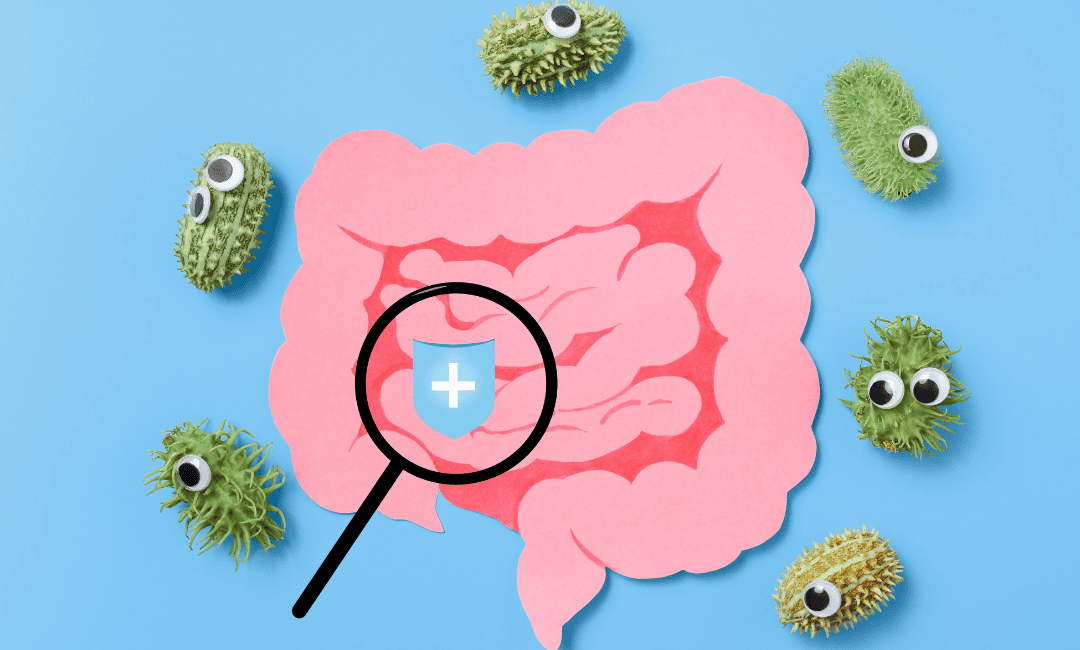
To understand prebiotic vs probiotic supplements, we must compare their functions, sources, and roles in gut health.
| Feature | Prebiotic supplements | Probiotic supplements |
|---|---|---|
| What they are | Special plant fibres that feed gut bacteria | Live, beneficial microorganisms |
| Primary purpose | Nourish and grow existing good bacteria | Add new beneficial bacteria to the gut |
| Form commonly used | Inulin, Fructooligosaccharides (FOS) | Lactobacillus, Bifidobacterium, Saccharomyces |
| Stability | Highly stable; not affected by heat or stomach acid | Sensitive to heat, light, and stomach acid |
| Natural food sources | Garlic, onions, bananas, oats, flaxseeds | Yoghurt, curd, kefir, buttermilk, fermented pickles |
Taking prebiotics and probiotics supplements can offer several key health advantages, particularly for people recovering from illnesses or dealing with regular digestive issues.
A balanced gut microbiotic environment helps break down food efficiently. Probiotics can help reduce the severity of temporary diarrhoea, especially when it is caused by antibiotics that accidentally kill good bacteria along with the bad.
Prebiotics help regulate bowel movements and prevent constipation by adding bulk to stools.
A significant portion of the body's immune system resides in the gut. By keeping the protective mucosal lining of the intestines strong, these supplements prevent harmful pathogens from crossing into the bloodstream.
A healthy gut lining absorbs vitamins and minerals more effectively from food. Prebiotics have been linked to improved absorption of essential minerals like calcium and magnesium, which support bone density and muscle health.

When weighing prebiotic vs probiotic which is better supplement, the answer depends entirely on your specific health goals and digestive concerns. Neither is inherently better than the other. Instead, they serve complementary roles.
Probiotics are often preferred when your gut ecosystem needs immediate support.
For instance, if you’ve just completed a course of antibiotics or are recovering from an acute stomach infection, probiotic supplements can quickly introduce new, active populations of helpful bacteria to kickstart recovery.
Prebiotics are typically better for long-term maintenance and steady digestive health. If a person already has a stable gut microbiome but wants to ensure those good bacteria stay healthy and active, prebiotics provide the necessary sustenance.
For comprehensive gut care, many healthcare professionals recommend taking them together, a combination often called synbiotics, available as drugs and in other medical forms.
Chemotherapy, radiation therapy, and immunotherapy can significantly alter the delicate balance of the gut microbiome. This disruption can lead to side effects, including severe diarrhoea, constipation, nausea, and abdominal cramping.
Using prebiotic vs probiotic supplements for cancer care has become an area of growing interest in probiotics and cancer.
When considering these products, patients frequently ask: Are prebiotic and probiotic supplements safe?
For most healthy individuals, these supplements have an excellent safety profile. However, special care must be taken in clinical settings.
When first starting pre and probiotic supplements, you may experience mild temporary symptoms, including:
These symptoms usually resolve within a few days as the digestive tract adapts to the new microbial environment.

For cancer patients undergoing active chemotherapy or those recovering from major surgeries, live probiotic bacteria can pose a risk. In rare cases, the live bacteria from the supplement can enter the bloodstream and cause serious infections due to a weakened immune system.
Always speak with your oncologist before introducing these supplements to your daily routine during active medical treatments.
Before adding prebiotics or probiotics to your routine, consider asking your oncology care team these practical questions:

B'Spoke Probiotic & Prebiotic Blend (30 Capsules)
60 billion CFU synbiotic from 11 strains
₹1,499₹1,779
If your oncologist agrees that a gut health supplement is right for you, use these simple tips to select a high-quality product:

Understanding what is the difference between prebiotic and probiotic supplements helps you make informed choices for your digestive health.
While probiotics introduce helpful live bacteria to your gut, prebiotics provide the vital nourishment those bacteria need to thrive. Together, they can play a supportive role in improving digestion, boosting immunity, and managing treatment-related side effects.
Everhope offers expert-led oncology care to help patients and families understand their options and make safe, informed decisions. If you need personalised guidance, our team can support you with specialist consultations, treatment planning, and tailored oncology nutrition.
Yes, they can be taken together. In fact, combining them is often highly effective because the prebiotic fibre serves as immediate food for the probiotic bacteria, helping them survive and work better in your digestive tract.
The timeline varies depending on the health goal. For acute issues like temporary diarrhoea, some people notice an improvement within 24 to 48 hours. For chronic digestive issues or long-term gut balancing, it may take several weeks of consistent use to notice a steady difference.
Probiotics do not directly stimulate appetite. However, by reducing uncomfortable digestive side effects like bloating, gas, nausea, or constipation, they can make eating more comfortable, which may naturally help improve a patient's overall appetite.