Nutrition5 min read
Spirulina Biotic Powder: Benefits, Nutrition Facts and Its Role in Cancer Nutrition
Dr. Vrundali Kannoth

Picking up your phone, holding it to your ear, and then pausing mid-call to wonder, “Is this thing actually safe?” is a thought that crosses many minds.
The question of can phone radiation cause cancer has circulated for decades, and with more than 8.58 billion mobile phone subscriptions globally, it is an important question to answer.
This guide breaks down what the science actually shows and whether phone radiation cancer exists or not.
Mobile phones communicate by emitting radiofrequency (RF) electromagnetic fields. These are waves used to send and receive signals to nearby cell towers. Every call made, every message sent, every time the phone searches for a network, low-level RF energy is involved.
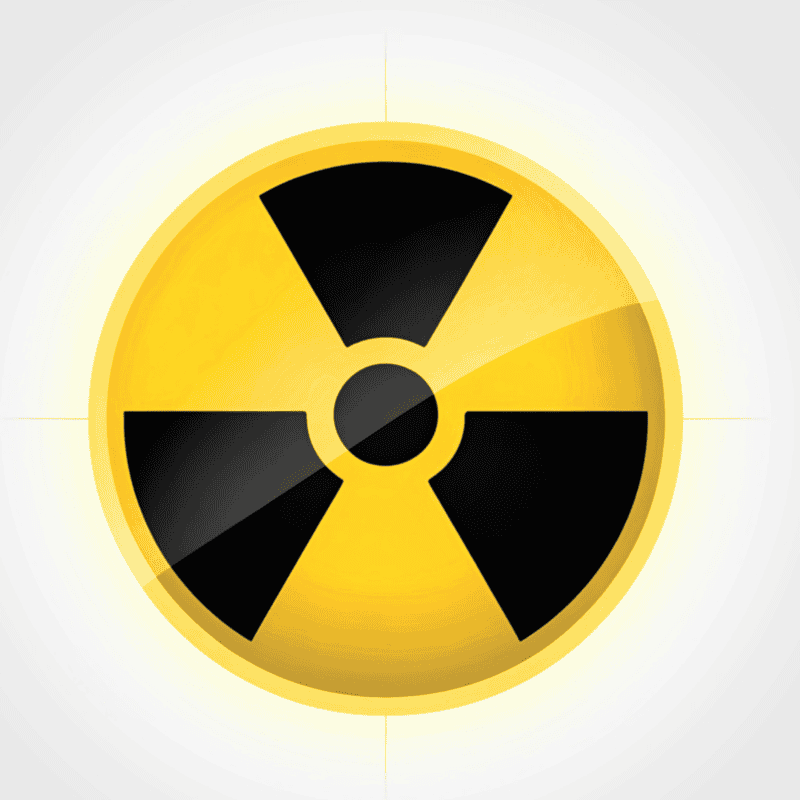
This falls under non-ionising radiation, which sits at the low-energy end of the electromagnetic spectrum. It’s far removed from the type of radiation that poses known health risks. But there is another type as well, known as ionising radiation.
This distinction is the most important thing to understand in this entire conversation:
According to the WHO, RF fields from mobile phones do not produce enough heat or energy to damage biological tissue at typical exposure levels. Think of it this way: the RF energy from a phone call is closer in nature to the signal from a radio broadcast than it is to an X-ray.
This is the fundamental reason why phone radiation cancer risk cannot be compared to the danger posed by X-rays or UV exposure.
Based on the current body of evidence, no confirmed causal link exists between cell phone radiation cancer risk and human disease. Two major studies published in 2024 are particularly worth knowing about:
The study involved 264,574 participants across five countries, tracking their mobile phone use for a median of over seven years through national cancer registries.
Over 15 years of mobile phone use was not associated with increased tumour risk, adding to the growing body of evidence that cell phones and cancer risk may have been significantly overstated.
A comprehensive review commissioned by the WHO, covering 63 studies published between 1994 and 2022, drew on participants from 22 countries.
The study concluded that RF-EMF exposure from mobile phone use was not associated with increased risk of cancer. This included glioma, meningioma, acoustic neuroma, pituitary tumours, salivary gland tumours, or paediatric brain tumours.
The worry around cell phones and cancer risk did not come from nowhere. It grew from a combination of institutional classifications, media amplification, and the deeply human instinct to question something you use so closely and so constantly.
Let’s break it down.
In 2011, the International Agency for Research on Cancer (IARC) classified RF electromagnetic fields as "possibly carcinogenic to humans" (Group 2B).
That phrase sparked widespread concern about phones and cancer, but what received less attention: Group 2B reflects limited evidence, not confirmed harm. The same category includes pickled vegetables and aloe vera extract - it is a precautionary flag. Coffee was once even in the same category before being reclassified.
Health scares tied to everyday technology travel fast. Nuanced scientific findings rarely make headlines the way alarming ones do. A study showing "no link" generates far less traffic than one suggesting possible risk, even when the former represents the overwhelming consensus.
This has created a persistent gap between what the science says about cell phones and cancer risk and what many people have come to believe through media exposure alone.
Holding a device against your head during calls naturally raises questions about what that proximity means for brain tissue. It is an instinctive concern, and not an irrational one.
Although it simply does not account for the fundamental difference between non-ionising and ionising radiation, or the energy levels actually involved.
A lot of what circulates online about phone radiation cancer risk is either outdated, misquoted from actual studies, or built on a misunderstanding of how RF radiation works. A few of the most persistent ones are worth addressing directly.
5G uses higher-frequency millimetre waves that actually penetrate skin less deeply than the lower-frequency signals used by 4G. No peer-reviewed evidence supports elevated cell phone radiation cancer risk from 5G exposure.
Phones emit more RF energy when the signal is poor since they work harder to maintain a connection. Even so, levels remain well within the regulatory safety thresholds established by the FCC and ICNIRP.
NCI surveillance data does not support this. Age-adjusted brain tumour incidence has remained broadly stable during the same period that mobile phone adoption exploded globally.
No peer-reviewed evidence supports the effectiveness of these products. Some may interfere with signal reception, causing the phone to increase RF output to compensate, which is the opposite of the intended effect.
The current evidence does not establish a link between cell phones and cancer, and there are no consistent signs of cancer tied to phone use. So, there is no medical recommendation to change how you use your phone.
That said, if the concern still lingers, there are a few simple, practical steps that cost nothing and do no harm.
Every phone sold legally in India has a Specific Absorption Rate (SAR) value, a measure of how much RF energy your body absorbs during use.
You can find your phone's SAR value by dialling *#07# on your keypad. A lower SAR means less RF absorption, though all phones legally sold in India already sit within safe limits.
The simplest way to reduce proximity to the head during calls is to keep the phone away from it. Using wired earphones or speakerphone during long calls puts distance between the device and your ear.
When your phone struggles to find a signal, such as in lifts, tunnels, or rural areas, it ramps up RF output to maintain the connection. Texting or waiting until you have a better signal is an easy habit to build.
Many people charge their phones on their bedside table or even under their pillow. While no evidence links this to cell phone radiation cancer risk, keeping the phone across the room costs nothing and removes any proximity concern entirely.
Honestly, the bigger conversation around how to prevent cancer has very little to do with your phone and more to do with the lifestyle factors covered below.
While the debate around can phones cause cancer continues in some corners of the internet, the more pressing conversation is about cancer risk factors that science has confirmed beyond doubt.
Since cell phones do not cause cancer per current evidence, this is where attention is better directed.
Knowing what causes cancer shows where prevention efforts can have a proven, measurable impact.
No proven link exists between can phone radiation cause cancer and human disease. Cell phones do not cause cancer based on everything science has established so far. RF radiation does not damage DNA, and brain tumour rates have not risen alongside phone use.
If earphones or a speakerphone give you peace of mind, use them. But if a health concern about cell phones and cancer is keeping you up at night, the best next step is a conversation with a trusted oncologist centre like Everhope rather than a late-night search spiral.
At typical exposure levels, current evidence does not support any established harm. Studies consistently find no link between everyday phone use and damage to body tissue or organs.
No major health authority recommends this; since cell phones do not cause cancer per current evidence, there is no clinical or scientific basis for avoidance.
Duration does increase cumulative RF exposure, but long-term studies have proved cell phones do not cause cancer, no matter how long the calls are.