
+918929672099
Call Us
Understanding Low Haemoglobin During Cancer Treatment
Dr. Vrundali Kannoth|5 min read|
Feeling tired after a long day is normal. But constant fatigue, shortness of breath, or pale skin may signal something more, like low haemoglobin and cancer.
It’s a pretty common occurrence, and a routine blood test may reveal this. But it can feel worrying if cancer is mentioned. A common question is: Does low haemoglobin mean cancer? Not necessarily, but it can be related to blood cancer and other types of carcinomas.
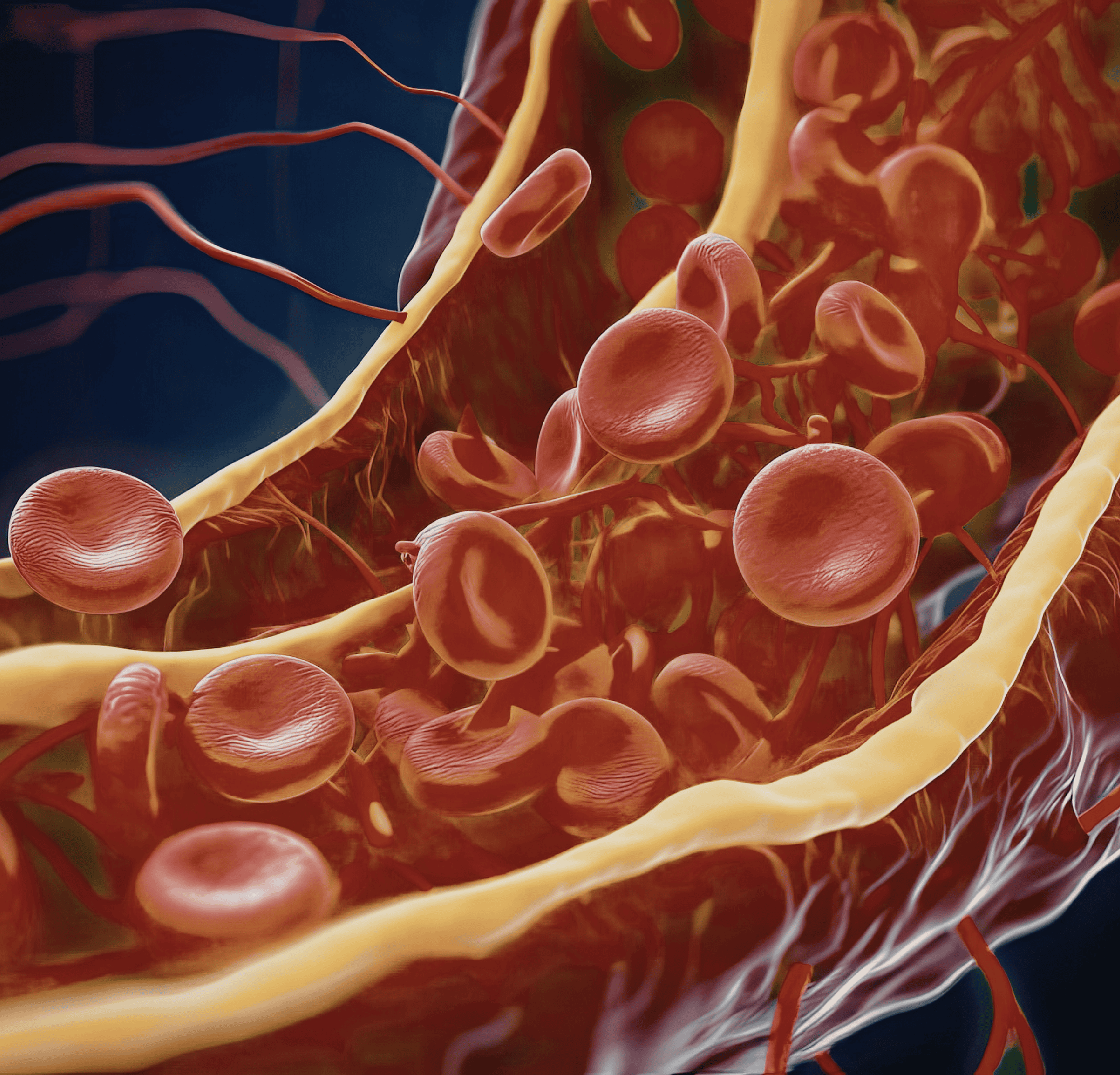
Haemoglobin is a protein in red blood cells that carries oxygen through your body. When levels are low (anaemia), your body gets less oxygen, leading to fatigue and weakness.
While low haemoglobin and cancer often occur together, oncologists are well-equipped to manage them, and it’s just a part of the process.
In this guide, we’ll explore why haemoglobin levels drop, how cancer plays a role, and most importantly, how we can get those levels back up.
Low haemoglobin are available at the Everhope store — reviewed for use during cancer care.
What is haemoglobin and why is it important?
Haemoglobin is a protein found inside your red blood cells. Its main job is to hold onto oxygen when blood passes through your lungs and then release that oxygen into your tissues and organs.
The production of haemoglobin is a constant process that takes place in your bone marrow, the soft tissue inside your bones. The nutrients involved are:
- •Iron:Helps haemoglobin carry oxygen
- •Vitamin B12 & folate:Support healthy red blood cell production
- •Erythropoietin (EPO):A kidney hormone that signals blood cell production
But when someone is diagnosed with anaemia, a common question arises: can low haemoglobin cause cancer? Let’s answer that.
Low haemoglobin and cancer: Is there a connection?
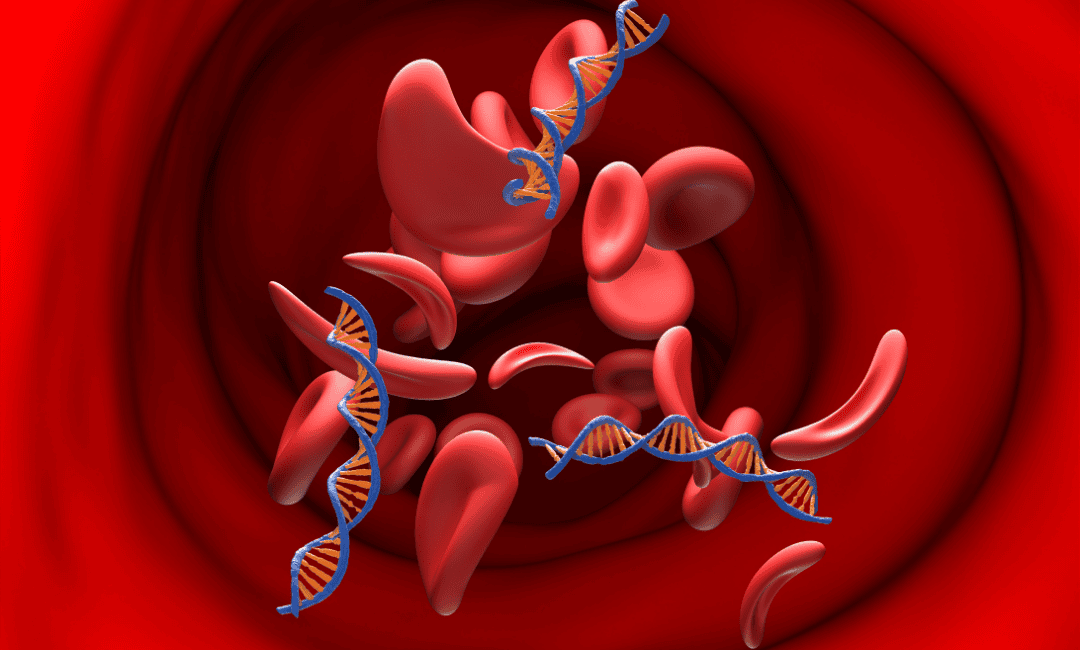
When considering the link between low haemoglobin and cancer, generally, a drop in haemoglobin is the first sign that leads to the discovery of a hidden cancer.
In other cases, the disease is already known, and the low haemoglobin and cancer happen because of the disease itself or the treatments.
In fact, depending on the stage and type of the disease, between 30% and 90% of cancer patients deal with this challenge.
But why does this connection exist? There are a few main reasons:
A signal of disease
In some cases, low haemoglobin and cancer are linked because the cancer causes slow, quiet blood loss that depletes the body’s iron over time.
This is why an oncologist might wonder, "Is low haemoglobin a sign of cancer?” If they see a drop in iron that cannot be explained by diet alone.
The body’s response
When your body is fighting a serious illness like cancer, it produces natural chemicals called cytokines.
While these help fight the "intruder," they can also accidentally tell the body to stop using its iron and stop making new red blood cells.
A result of treatment
Many powerful life-saving treatments, like chemotherapy, are designed to stop fast-growing cells. Since the cells that make your blood grow very quickly, they can sometimes be slowed down during treatment, leading to a temporary drop in haemoglobin.
Having low haemoglobin and cancer can also change how the tumours behave.
When there isn't enough oxygen in the blood, a tumour may try to adapt by becoming more aggressive.
4 reasons why is haemoglobin low in cancer patients?
A lower haemoglobin is often a combination of several factors. Understanding why haemoglobin is low in cancer patients helps oncologists choose the best way to help you feel better.
There are four main reasons this happens:
1. Bone marrow suppression
Your bone marrow is the soft tissue inside your bones where all your blood cells are made. In some cases, cancer cells, like those in leukaemia or lymphoma, can physically take up too much space in the marrow.
This "crowds out" the healthy cells that would normally become red blood cells.
Other times, the production of red blood cells slows down because of treatment. Chemotherapy and radiation are very effective at stopping cancer cells, but because they target fast-growing cells, they can also affect the cells in your bone marrow.
2. Chronic blood loss
Some types of tumours, especially those in the stomach, colon, or bladder, can bleed very small amounts over a long period. You might notice it as blood in stool. Even losing a teaspoon a day can add up.
Over time, your body runs out of the iron it needs to replace that lost blood, leading to a drop in haemoglobin.
3. Nutritional deficiencies
Cancer puts a heavy demand on your body’s resources. It can also make you lose your appetite or make it harder for your body to absorb nutrients from food.
If you aren't getting enough iron, Vitamin B12, or folate, your body simply doesn't have the "raw materials" it needs to build haemoglobin.
4. Inflammation and chronic disease
When your body is fighting a disease, it creates a state of inflammation. To try to starve any potential invaders, the body produces a hormone called hepcidin.
Hepcidin acts like a lock. It traps the iron you already have inside your cells, so it can't be used to make new haemoglobin.
Even if you have plenty of iron stored in your body, your bone marrow can't get to it. This is known as anaemia of chronic disease.
What type of cancer causes low haemoglobin?
While many different illnesses can affect your blood, certain cancers are more likely to cause a drop in haemoglobin. If you are wondering what type of cancer causes low haemoglobin, here they are:
| Cancer group | Examples | Why does it lower haemoglobin |
|---|---|---|
| Blood & bone marrow Cancers | Leukaemia, lymphoma, multiple myeloma | Disrupt or crowd out red blood cell production in bone marrow |
| Cancers causing blood loss | Colorectal cancer, oesophageal cancer | Slow or hidden bleeding leads to iron loss and anaemia |
| Urinary/organ cancers | Kidney, bladder | Blood loss (e.g., in urine) or reduced signals for blood production |
| Metastatic cancers (to bone) | Breast, prostate, lung | Spread to the bone marrow and interfere with blood formation |
Low haemoglobin cancer symptoms
It can be difficult to tell the difference between normal tiredness and the signs of low haemoglobin cancer symptoms. As every organ depends on oxygen, the signs of cancer can show up in many different ways:
- •Severe, persistent fatigue:A deep exhaustion that doesn’t improve with rest, caused by reduced oxygen supply to muscles and brain.
- •Shortness of breath:Feeling winded even with minimal activity—or at rest—because your body is trying to take in more oxygen.
- •Rapid or irregular heartbeat (palpitations):Your heart works harder and beats faster to circulate limited oxygen throughout the body.
- •Dizziness or lightheadedness:Low oxygen to the brain can make you feel faint, especially when standing up quickly.
- •Pale skin, gums, or nail beds:Reduced red blood cells make your skin look lighter or washed out.
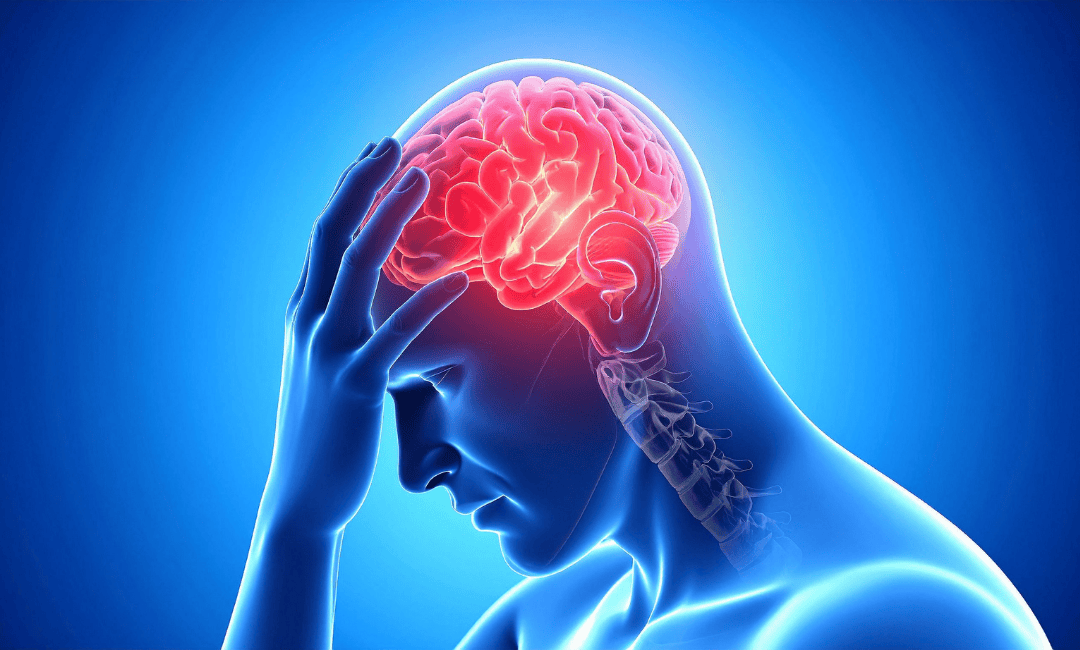
- •Headaches:The brain is sensitive to oxygen drops, leading to frequent or dull headaches.
- •Brain fog (poor focus and memory):Difficulty concentrating or thinking clearly due to decreased oxygen delivery to the brain.
Diagnosis and tests

PeachX FerricGlow (Iron Pyrophosphate 30 mg + Vitamin C 65 mg + Folic Acid + B Complex) 30 Sachets
Liposomal iron with vitamin C and B complex
₹849₹999
When you have low haemoglobin cancer symptoms, specific tests are used to find the cause. This helps them move from seeing a low number to creating a plan that works for you.
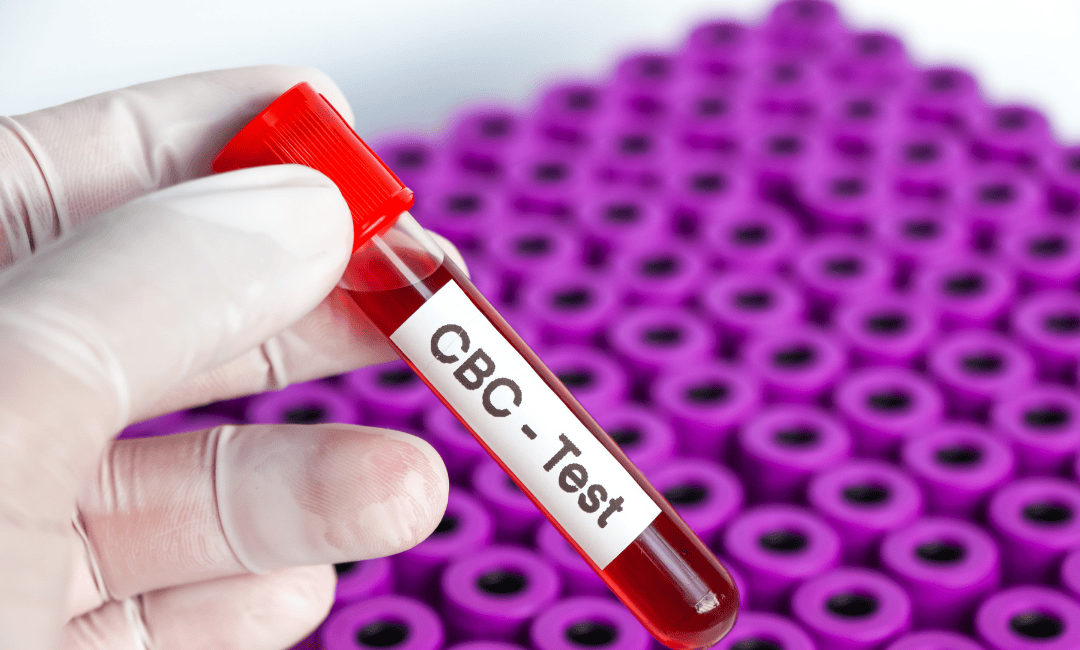
The complete blood count (CBC)
A CBC test measures your haemoglobin and the size of your red blood cells (MCV). If cells are small, it often points to a lack of iron. If they are larger than usual, it may suggest a vitamin shortage.
Iron and bone marrow tests
Iron tests like Ferritin (stored iron) and TSAT (moving iron) are critical as well. In many cases of low haemoglobin and cancer, the body has iron but cannot use it due to inflammation.
If these tests aren't clear, a bone marrow biopsy might be needed. This shows if cancer cells are physically blocking blood production or if treatment has slowed things down.
Reviewing your body’s response
Oncologists also review "reticulocytes," which are new blood cells. A high count means your body is trying to replace lost blood.
A low count suggests your bone marrow is struggling to produce new cells, which helps explain why is haemoglobin low in cancer patients.
Treatment and cure options
The goal of treating low haemoglobin and cancer is to help you feel stronger and ensure your body can handle its treatment effectively. Here’s how your healthcare provider may approach it:
| Treatment | How it works | Best for |
|---|---|---|
| IV iron therapy | Directly supplies iron to boost haemoglobin quickly | Functional iron deficiency in cancer |
| ESAs | Stimulate bone marrow to produce red blood cells | Chemotherapy-induced anaemia |
| Blood transfusion | Replaces red blood cells immediately | Severe or urgent low haemoglobin cases |
| Diet & vitamins | Supports natural red blood cell production | Mild anaemia or recovery phase |
| Emerging therapies | Enhance natural blood production (new drugs) | Specific or treatment-resistant cases |
Taking the next step
Understanding low haemoglobin cancer symptoms is a vital step in your recovery. By treating the root causes of anaemia, you can strengthen your body to face the journey ahead with more resilience. While a common worry is that low haemoglobin causes cancer, it is actually a manageable side effect.
At Everhope Oncology, we believe care should be as unique as you are. Our team provides personalised cancer treatments that focus on your whole well-being, ensuring you feel supported at every step.
FAQs
Yes, a drop in blood levels can be a primary clue that something is happening inside your body. Pathologists often look for low haemoglobin and cancer links when they find unexplained iron loss.
Related Blogs
Insights5 min read
Muh Ke Cancer Ke Lakshan (मुंह के कैंसर लक्षण): कैसे पहचानें?
Dr. Vrundali Kannoth