
Education5 min read
Vitamin B1 Thiamine Supplements: Nerve Function & Cancer Recovery Support
Dr. Vrundali Kannoth


Waking up in the middle of the night, drenched in sweat, can feel uncomfortable and confusing. Your first thoughts are usually: was the room too warm? Did I layer up too much?
For many people, that’s exactly what it turns out to be.
Night sweats are common and usually caused by factors like a warm room, stress, medications, or normal hormonal changes.
However, it could also be that your body is signalling something alarming. Learning the difference between occasional overheating and night sweat cancer that needs clinical attention can help you respond appropriately.
In this article, we’ll answer “Are night sweats a sign of cancer?”, the difference between night sweat cancer and other causes, and how to manage them if needed.
Eating well through treatment is hard. Get a personalised onco-nutrition plan from Everhope's dietitians.
To understand why cancer sometimes causes night sweats, we have to look at the hypothalamus- your body’s internal thermostat. This tiny region in your brain is responsible for keeping your temperature steady.
When your body detects an intruder, whether that’s a flu virus or a cluster of cancer cells, it launches an immune response.
This process releases signalling proteins called cytokines, which are your body’s alarm system. They tell the hypothalamus to turn up the heat to help fight the threat. A fever.
Those cytokine levels naturally dip during the night. So, your body suddenly realises it’s too hot and tries to release that extra heat as fast as possible, causing night sweat.

While many types of advanced illness can mimic the biological connection between night sweats and cancer, certain cancers are more closely detected by this symptom.
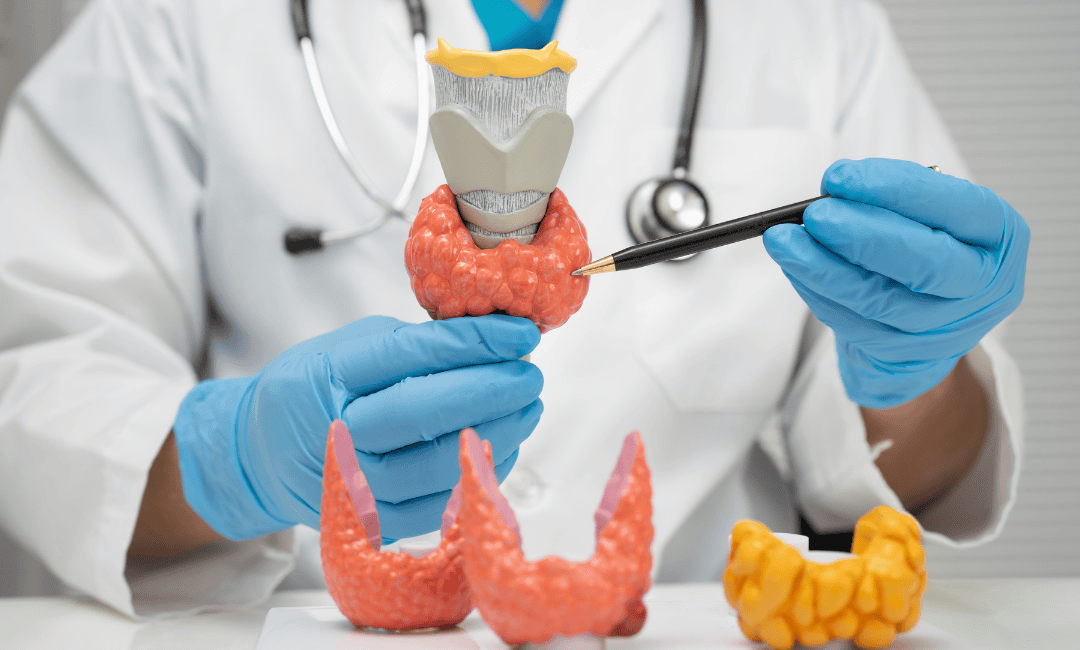
Lymphomas (cancers of the lymphatic system) are the most classic cause of oncology-related night sweats. In Hodgkin lymphoma, about 30% of patients experience them. These night sweats are often described as "drenching," reinforcing why lymphoma is among the key cancers that cause night sweats.
You’re also likely to experience the "B symptoms" if it’s lymphoma:
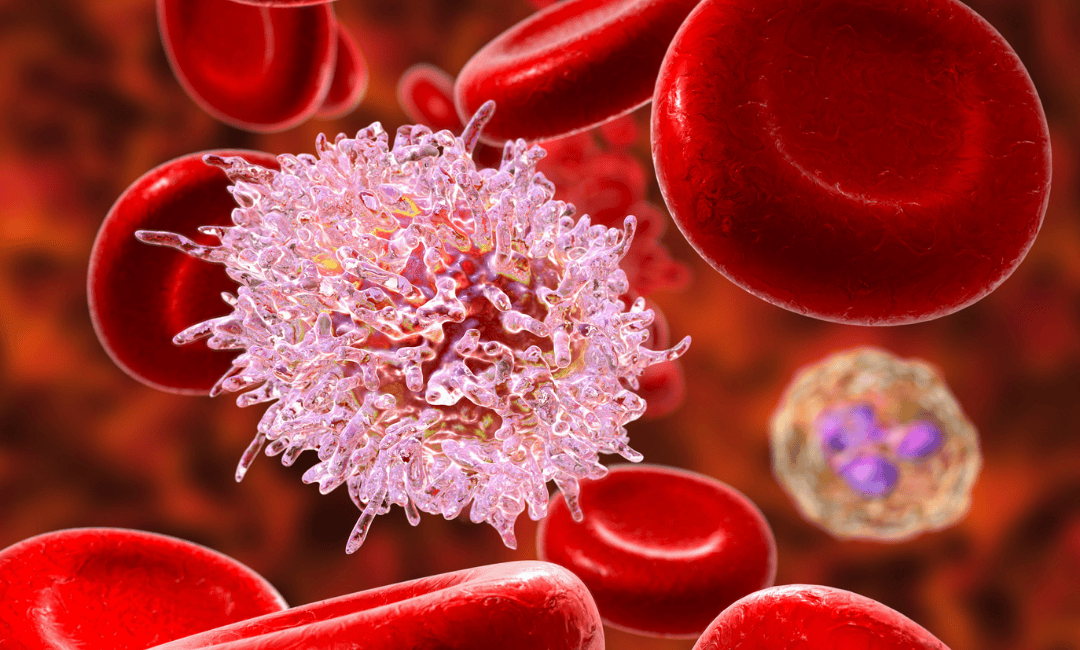
Leukaemia affects the blood and bone marrow. Because these blood cancer cells circulate throughout the body, they can make your body work overtime, causing night sweat cancer.
Along with night sweats, people with leukaemia often notice:
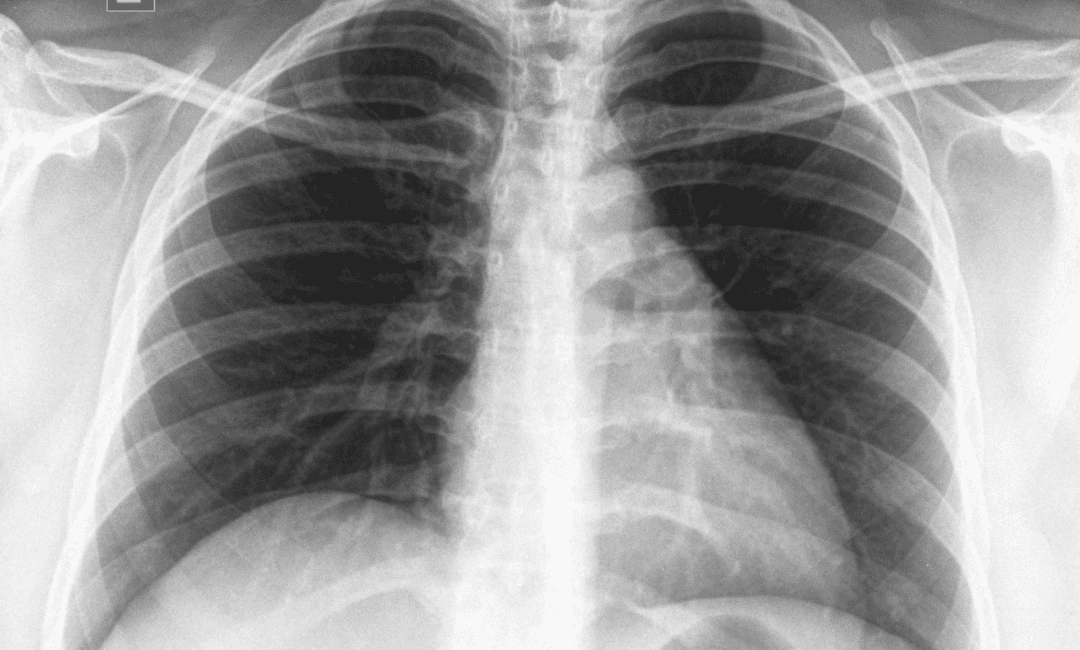
Other cancers, such as those in the lungs, liver, or bone, can cause sweating if they have become more advanced or if they are neuroendocrine tumours. However, other symptoms like cancer fatigue usually accompany sweating.
For example, Carcinoid tumours can release hormones that cause sudden flushing and sweating, often alongside digestive issues like diarrhoea.
Cancer-related sweating usually means your body is trying to fight off the disease. Here are the reasons in more detail:
As your immune system tries to attack the cancer, it produces proteins like Interleukin-1 and TNF-alpha. These are powerful fever-inducers frequently linked with night sweats cancer symptoms.
Some tumours are functional, meaning they actually produce hormones themselves. For example, certain lung cancers can produce a hormone similar to a stress response, causing your heart to race and you to have night sweats cancer episodes.
Cancer cells grow rapidly and consume a lot of energy. This high energy-expenditure generates heat, contributing to symptoms often discussed under night sweats cancer.
Night sweats in cancer patients can appear before diagnosis or during treatment. Here’s what to expect before and during:
The night sweats are often an early warning sign. They tend to be persistent, raising questions about can night sweats be a sign of cancer or can lack of sleep cause cancer. They occur almost every night for weeks, and are often accompanied by those "B symptoms" mentioned earlier.
During treatment, you may experience more episodes of night sweating due to:
| During treatment | Why night sweats may happen |
|---|---|
| Hormone blockers | Lower hormone levels quickly (similar to menopause or andropause), triggering intense hot flashes. |
| Chemotherapy | Can temporarily affect the ovaries or testes, causing sudden hormone changes. |
| Steroids (e.g., prednisone) | Often cause “steroid sweats” as a common side effect seen in night sweats in cancer patients. |
Please remember that night sweats are usually NOT cancer. Many other conditions mimic these symptoms. Because sweating is a general response to stress or imbalance, many common conditions can sometimes be confused with night sweats cancer.
Hormonal changes are the most common reason for night sweats, especially in women. During perimenopause and menopause, estrogen levels fluctuate and eventually drop. This confuses the hypothalamus, leading to hot flashes.
However, there’s a difference:
Infections are the second most likely culprit for night sweats.
Thyroid and blood sugar problems can also cause night sweats because they affect how your body controls temperature and energy.
Many common drugs list night sweats as a side effect.
Against these, cancer-related night sweats are more drenching and occur alongside other symptoms that refuse to improve with traditional treatment and may resemble night sweats cancer warning signs.
If you are concerned that your sweats might be serious or have lasted more than two weeks, the first step is clinical tests.
Your pathologist will likely perform a physical exam to check for swollen nodes and order blood work (like a CBC) to look for signs of inflammation or abnormal cell counts.
While you wait for answers, you can manage the physical discomfort:
If night sweats in cancer patients are noticed during treatment, oncologists also prescribe low-dose medications that help stabilise the core temperature.
Night sweats are a heavy burden to carry, both physically and emotionally. While it is natural for your mind to wander off, remember that this symptom is your body’s alarm system, and not necessarily a final diagnosis.
When these night sweats cancer symptoms persist, however, the most important thing you can do is find an oncology team where your concerns are heard.
Navigating your cancer treatment requires more than just a general check-up. So, it’s important to have a dedicated team that understands these symptoms and can provide a path forward.