Nutrition5 min read
Creatine and Glutamine: A Clear Guide for Cancer Nutrition and Recovery
Dr. Vrundali Kannoth

Facing cancer is likely the hardest thing you’ve ever done. It drains your energy and tests your spirit every single day.
During this time, as your body fights the massive battle, it needs the right fuel to keep going. Protein is that integral building block that helps your body repair itself and stay strong during treatment and recovery.
However, finding a protein source that feels good on your stomach can be a real challenge when you are dealing with treatment side effects.
In this guide, we’ll look at how pea protein for cancer patients can make a real difference in your cancer and food habits and healing journey.
Pea protein are available at the Everhope store — reviewed for use during cancer care.
You might wonder: what is pea protein, and how does it differ from other options?
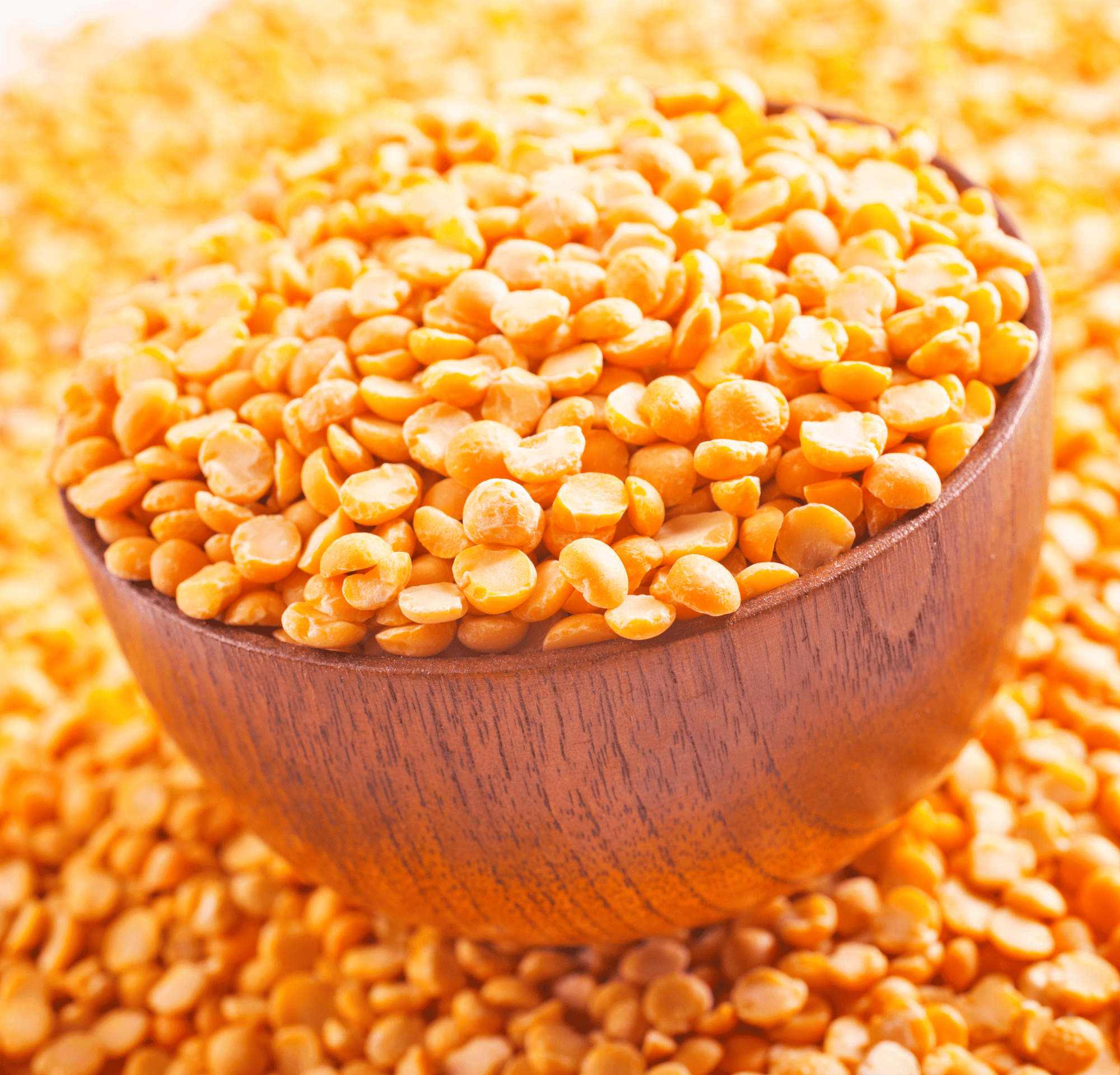
Pea protein is a high-quality, plant-based protein made from yellow split peas. These aren’t the sweet green peas you commonly see, but are the hearty, nutrient-dense legumes that are known for their nutritional content.
To create the pea protein powder you find in stores, these peas go through a careful process to isolate the most important nutrients.
Here is how they turn a simple vegetable into a healing tool:
One of the biggest reasons people choose this option is the simplicity of the pea protein ingredients.
It is naturally free from common triggers like dairy, soy, and gluten. This clean nature is a huge relief when your system is already sensitive during cancer care.
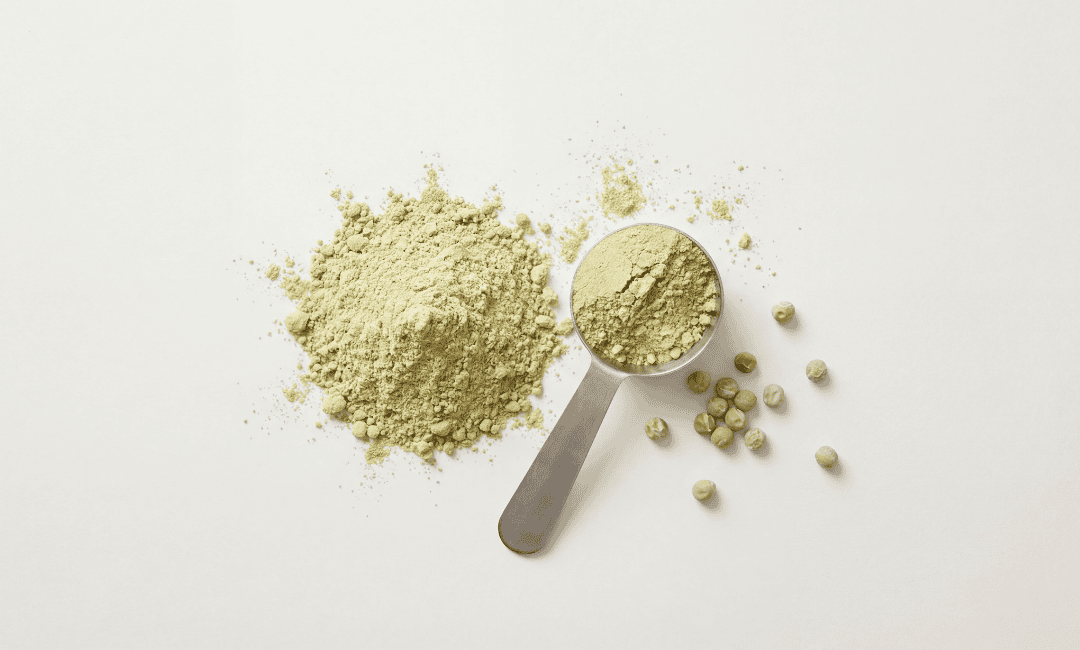
Considering pea protein nutrition facts, it is easy to see why this legume is so respected for nutrition and cancer in the medical world. While it has its limitations, pea protein actually contains all nine essential amino acids your body cannot make on its own.
This makes the pea protein composition very similar to animal-based proteins, without being as harsh on your gut.
Here is a look at what a 30-gram serving (about one scoop) usually offers your body:
| Nutrient | Amount per 30g (Approx.) | Why it matters for your recovery |
|---|---|---|
| Protein | 24 grams | Repairs tissues and fuels your immune system. |
| Iron | 4.8 mg – 7.5 mg | Fights fatigue and helps carry oxygen through your blood. |
| Magnesium | 10% of Daily Value | Supports your nerves and keeps your bones strong. |
| Phosphorus | 15% of Daily Value | Boosts energy and maintains bone integrity. |
Amino acids are the building blocks of your body. Pea protein is especially rich in three specific ones that help you heal:
While it is a nutritional powerhouse, it is slightly low in one amino acid called methionine. To offset that, many cancer patients mix pea protein powder with a little rice protein.
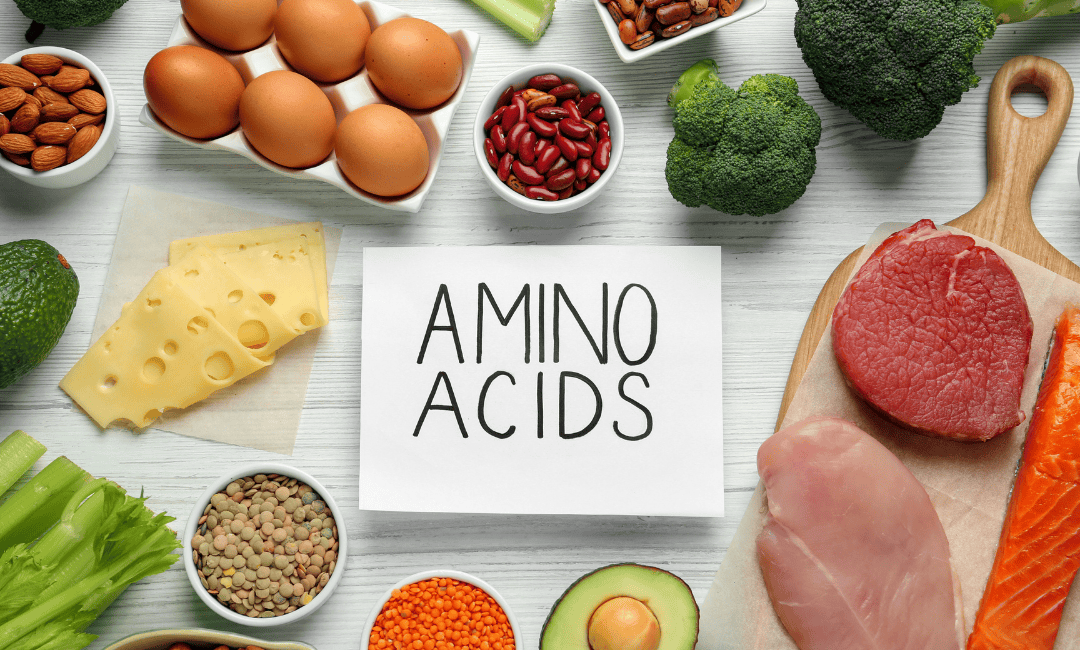
Many patients ask, "What does pea protein do”?
Choosing a pea protein supplement is about giving your body a clean, reliable source of energy that respects your sensitive system. Many pea protein benefits go beyond simple cancer weight loss, helping you feel more balanced as you navigate your health journey:
One of the greatest struggles when you feel unwell is sourcing food that doesn't cause more distress.
Because pea protein is naturally free from dairy, soy, and gluten, it avoids the gas, cramping, and bloating that often come with other protein powders.
It has a digestibility rate of up to 98%, which means your body can actually use the nutrients you're giving it without a struggle.
Many people ask: Is pea protein inflammatory? While some animal proteins can trigger a stress response in the body, yellow peas are naturally soothing.
Choosing plant-based options often lowers your body's acid load. This allows your system to focus its energy on cellular repair rather than calming an irritated gut.
There are several long-term advantages of pea protein for your vital organs. Unlike red meats, which can be hard on the kidneys, plant proteins are much easier to process.
This is especially important if you are managing other health concerns like high blood pressure. The specific nutrients in peas help keep your blood vessels flexible and your heart strong.
When you are tired, the last thing you need is a sugar crash. One of the key advantages of pea protein is that it digests slowly and steadily. This helps:
When you are fighting cancer, your body enters a high-energy state. It works incredibly hard to heal from surgery and manage the stress of treatment. Using pea protein for cancer recovery is a smarter way to protect your strength and keep your body resilient.
Here is a brief look at how pea protein helps you face these challenges:
| Challenge | How pea protein helps |
|---|---|
| Muscle wasting | It is rich in BCAAs that tell your body to retain its muscle instead of burning it for fuel. |
| Weak immune system | It provides the raw materials your body needs to create white blood cells and fight infections. |
| Poor digestion | It has a 98% absorption rate, meaning the nutrients get into your system quickly and easily. |
| Low appetite | You get a massive amount of protein in a small, easy-to-drink serving. |
Recent studies show that pea protein is the best protein for cancer patients to help them maintain muscle mass and recover faster.
Beyond just providing calories, pea protein contains natural compounds called Bowman-Birk Inhibitors.
Research suggests that these foods that prevent cancer may help protect your cells and potentially slow down the growth of certain cancer cells, especially in the gut.
One of the best things about a pea protein supplement is how versatile it is. Because of its mild nature, you can mix pea protein into almost anything you are already eating.
| Area | What to do |
|---|---|
| Flavor & flexibility | Choose unflavored pea protein for a mild, slightly earthy taste that blends into both sweet and savoury foods |
| Easy daily add-ins | Stir into soups, mashed potatoes, oatmeal for “hidden” protein without extra volume |
| Quick drinks | Blend into smoothies with fruit, milk, and optional ginger for nausea support |
| Breakfast boost | Mix into oats or porridge for longer-lasting energy |
| Cooking & baking | Add to pancakes, waffles, muffins, breads by replacing a little flour |
| Texture support | Use as a thickener for liquids if swallowing is difficult |
| Sensitive mouth care | Mix into yoghurt, applesauce, or pudding for soft, soothing nutrition |


FM Nutrition Hydrolysed Plant Protein (300 gm)
Hydrolysed plant protein with BCAAs and MCT
₹825₹889
While this plant-based option is a nutritional powerhouse, it is important to look at the entire picture. Understanding the pea protein pros and cons helps you make the best choice for your unique situation:
When evaluating if is pea protein safe for your specific treatment plan, it is important to look at cancer foods to avoid.

Pea protein is a great substitute to protect your strength and boost your immunity during treatment. Its high absorption rate and clean nature make it a perfect ally when your body needs extra care, but your appetite is low.
Navigating this diet for cancer patients alone is difficult. Everhope Oncology provides oncology nutrition and personalised plans you need to feel your best. Our dedicated experts help you stay strong, so you can focus entirely on your healing and recovery.