
Nutrition5 min read
Spirulina Biotic Powder: Benefits, Nutrition Facts and Its Role in Cancer Nutrition
Dr. Vrundali Kannoth
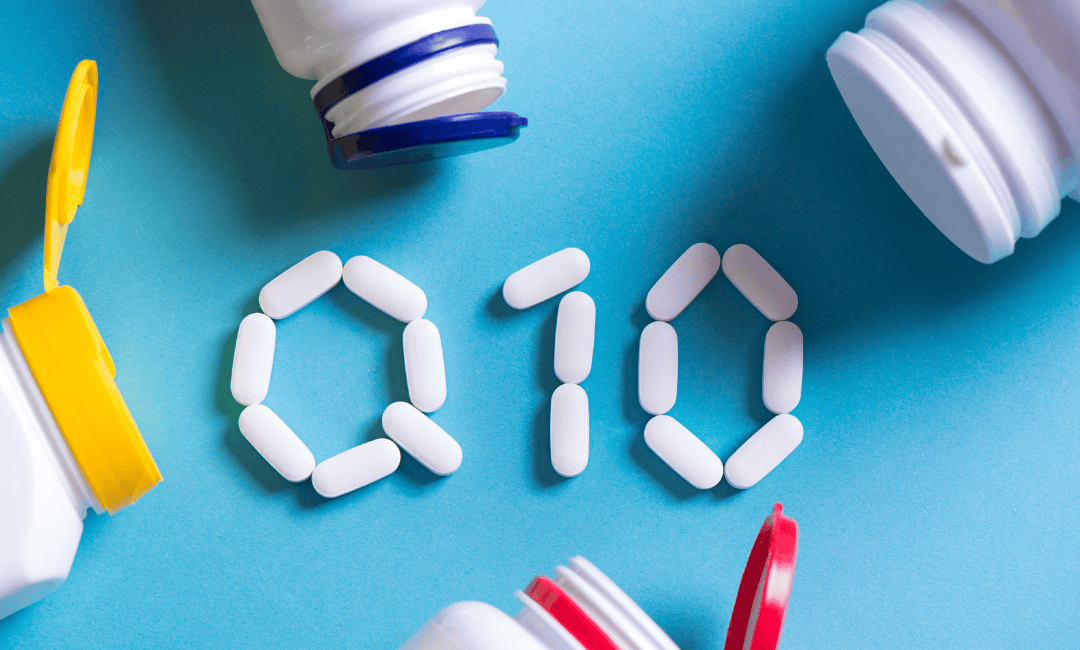
Feeling exhausted is one of the most common and distressing parts of cancer treatment. If rest no longer feels restorative, you are not alone. Coenzyme Q10 is a naturally occurring compound in the body that plays a key role in cellular energy production and offers real support for patients managing cancer fatigue.
It can be an important tool to help you feel more like yourself during a genuinely difficult time since cancer and its treatments place enormous demands on the body.
Cells that are working hard to survive, repair, and respond to therapy need energy, which coenzyme Q10 can provide.
This article covers what coenzyme Q10 is, how it works, its dosage guidance, and what to keep in mind before adding it to your routine.
Coenzyme Q10 are available at the Everhope store — reviewed for use during cancer care.
Understanding what coenzyme Q10 is starts at the cellular level.
Coenzyme Q10 is a fat-soluble, vitamin-like compound found in virtually every cell in the human body. It is produced naturally but can also be obtained through food and supplements.
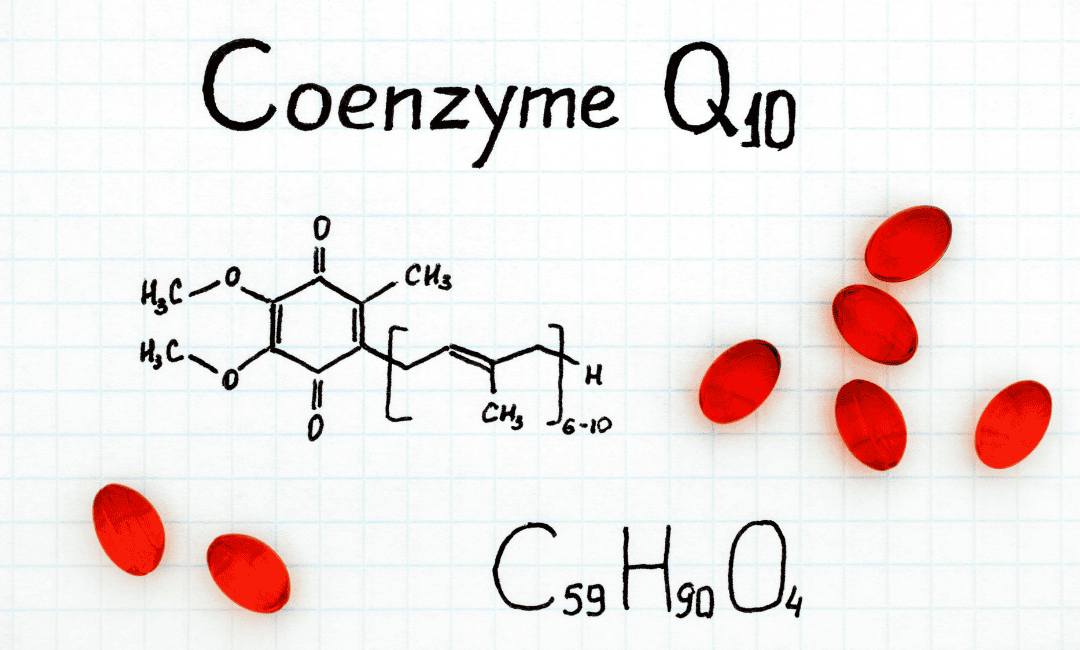
There are two main coenzyme Q10 forms:
You may wonder how coenzyme Q10 works; this compound supports mitochondria, the structures inside cells that generate energy. Without it, cells struggle to produce the energy they need to function.
So, how is coenzyme Q10 made in the body? The synthesis process requires multiple nutrients, including B vitamins and selenium, and is easily disrupted by oxidative stress from conditions like cancer.
Research published in the Biochemical and Biophysical Research reported that blood levels of CoQ10 were lower in cancer patients than in healthy individuals, including breast cancer and myeloma cases.
The body is under considerable strain during cancer treatment. The coenzyme Q10 benefits most relevant to cancer patients fall across energy and fatigue, cellular protection, and treatment support.
Here is what you should know:
Cancer-related fatigue is one of the most common side effects of cancer and its treatment. Unlike ordinary tiredness, it does not reliably improve with rest.

The role of coenzyme Q10 in energy production is its most well-established function. When CoQ10 levels are sufficient, mitochondria operate more efficiently.
Chemotherapy and radiotherapy generate unstable molecules that can damage healthy cells and contribute to cancer fatigue. Coenzyme Q10 helps neutralise these free radicals, reducing some of the oxidative damage that treatment inevitably causes.
The conversation around coenzyme Q10 and cancer is still evolving. It is being studied as a supportive measure, something that may help the body handle treatment better.

Here is what the current research and clinical experience suggest about coenzyme Q10 cancer applications:
The coenzyme Q10 uses extend across a wide range of health contexts, and understanding its broader applications helps build a fuller picture of what this compound does. Here are some use cases:
The most common context for coenzyme Q10 supplement use is general energy and cardiovascular support. It is widely prescribed alongside statin medications to counteract associated muscle pain and fatigue.
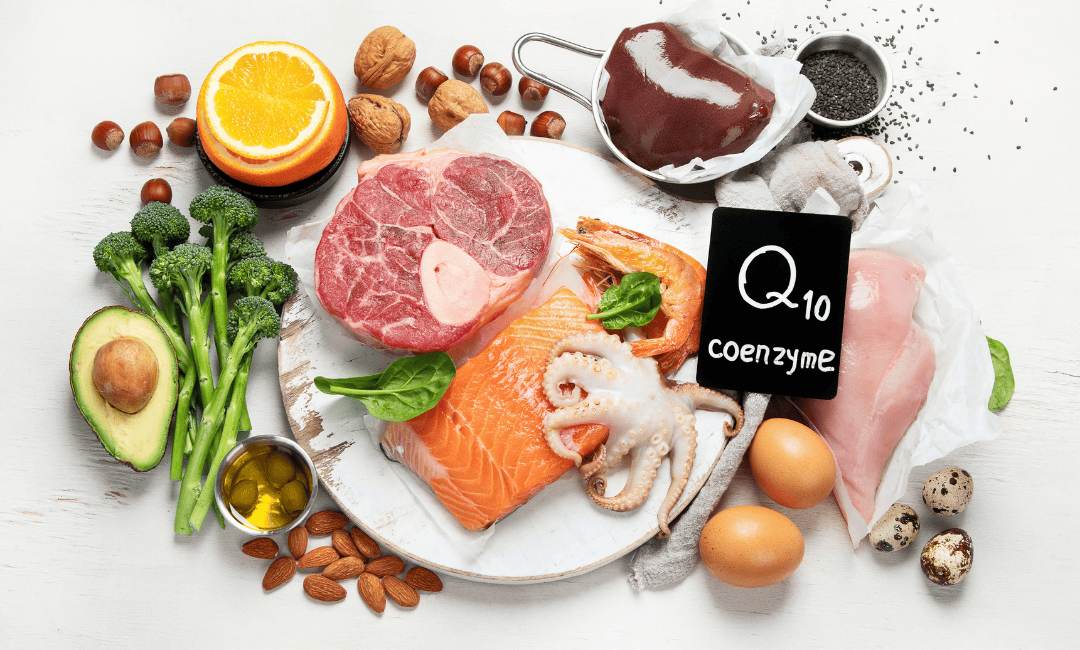
Understanding coenzyme Q10 sources in food is useful, though it is worth knowing upfront that dietary intake alone is unlikely to achieve therapeutic levels. CoQ10 is found in:
Knowing what is coenzyme Q10 used for in broader medicine reveals just how versatile this compound is. You may wonder what does coenzyme Q10 do beyond fatigue and cancer care.
CoQ10 is used in the management of heart failure, high blood pressure, migraines, male infertility, and neurodegenerative conditions.
Doctors prescribing coenzyme Q10 examine its role in reducing all-cause fatigue and protecting cellular health.
The link between vitamin D and cancer recovery is also well-documented. CoQ10 is often discussed alongside vitamin D as part of a broader integrative nutrition approach for cancer patients.
There is no single universal dosage for coenzyme Q10 that applies to everyone. Knowing coenzyme Q10 and when to take it is just as important as the dose itself.
The table below outlines the dosage for coenzyme Q10, when to take it, and in what form. Always confirm the right approach with your oncologist first.
| Context | Suggested dosage | Form | Best time to take |
|---|---|---|---|
| General fatigue support | 100-200 mg/day | Ubiquinol (softgel) | With a meal containing fat |
| During chemotherapy | 100-300 mg/day (oncologist-guided) | Ubiquinol or ubiquinone | Split into two doses of morning and midday |
| Post-treatment recovery | 100-200 mg/day | Ubiquinol preferred | Morning, with breakfast |
| Statin-related deficiency | 100-200 mg/day | Ubiquinol | At the same time as statin medication |
| Older adults (60+) | 150-200 mg/day | Ubiquinol (better absorbed) | With the largest meal of the day |
If you are wondering how much coenzyme Q10 is appropriate in your specific situation, your oncologist is the right person to ask.
The coenzyme Q10 side effects profile is generally mild, which is one of the reasons it has attracted such interest in integrative oncology. However, "generally safe" does not mean "safe for everyone in all contexts”.
Here is what you should know:
Most people tolerate CoQ10 well. When side effects of coenzyme Q10 occur, they are usually mild and dose-related. These can include digestive discomfort such as nausea, an upset stomach, or loose stools, particularly if taken on an empty stomach or in large doses.
Starting at a lower dose and building gradually tends to reduce these occurrences significantly.
The area that requires the most careful attention is the coenzyme Q10 interactions with other medications. There are a few important ones:
Understanding coenzyme Q10 indications helps ensure it is used wisely. It is most commonly indicated for fatigue management, cardiovascular protection, statin-induced CoQ10 depletion, and general antioxidant support.
The coenzyme Q10 deficiency is measurable through blood tests. If fatigue is significant, it may be worth asking your oncologist whether testing is appropriate in your case.
If you are managing cancer-related fatigue and want to explore coenzyme Q10 supplements, the next step is a conversation with your oncologist.
The coenzyme Q10 uses can also help you in the broader picture of nutrition and supplementation during cancer treatment. The benefits of coenzyme Q10 discussed here are best realised as part of a coherent, oncologist-supervised nutrition strategy.
Conversations like this one, about fatigue, supplements, and quality of life during treatment, are the kind Everhope Oncology is built around. Our oncologists work closely with patients and caregivers to develop integrative care plans that go beyond the infusion chair.
Yes, there is evidence that coenzyme Q10 may help reduce cancer-related fatigue by supporting mitochondrial energy production. It is not a cure for fatigue, but it may help the body sustain energy more effectively during treatment under an oncologist's guidance.
The deficiency of coenzyme Q10 can be caused by ageing, statin medications, chronic illness, cancer treatment-related oxidative stress, and inadequate dietary intake. Blood levels can be tested if a deficiency is suspected.
For most people, yes, coenzyme Q10 is well-tolerated with daily use. However, cancer patients should always discuss supplementation with their oncologist first, given potential interactions with chemotherapy and other medications.