Nutrition5 min read
Spirulina Biotic Powder: Benefits, Nutrition Facts and Its Role in Cancer Nutrition
Dr. Vrundali Kannoth
Every cell in your body runs on a complex system that turns food into usable energy. During cancer recovery, keeping this internal engine running efficiently remains a top priority for patients and their families.
When a person goes through the profound stress of cancer treatments, this delicate energy balance often gets disrupted.
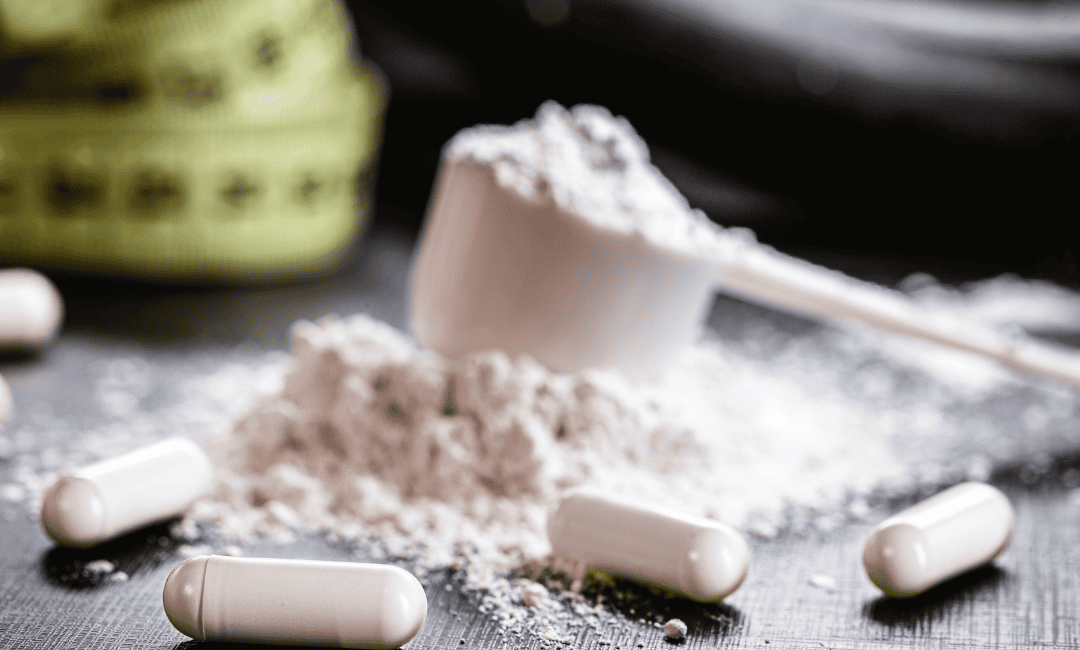
Among the natural compounds keeping this metabolic system running, an L-carnitine supplement is an essential one.
In this guide, we’ll share L-carnitine information to help you understand L-carnitine uses, safety, and role in recovery.
L-carnitine is a naturally occurring amino acid that transports fatty acids into mitochondria to be burned for energy. An L-carnitine supplement contains the same compound.
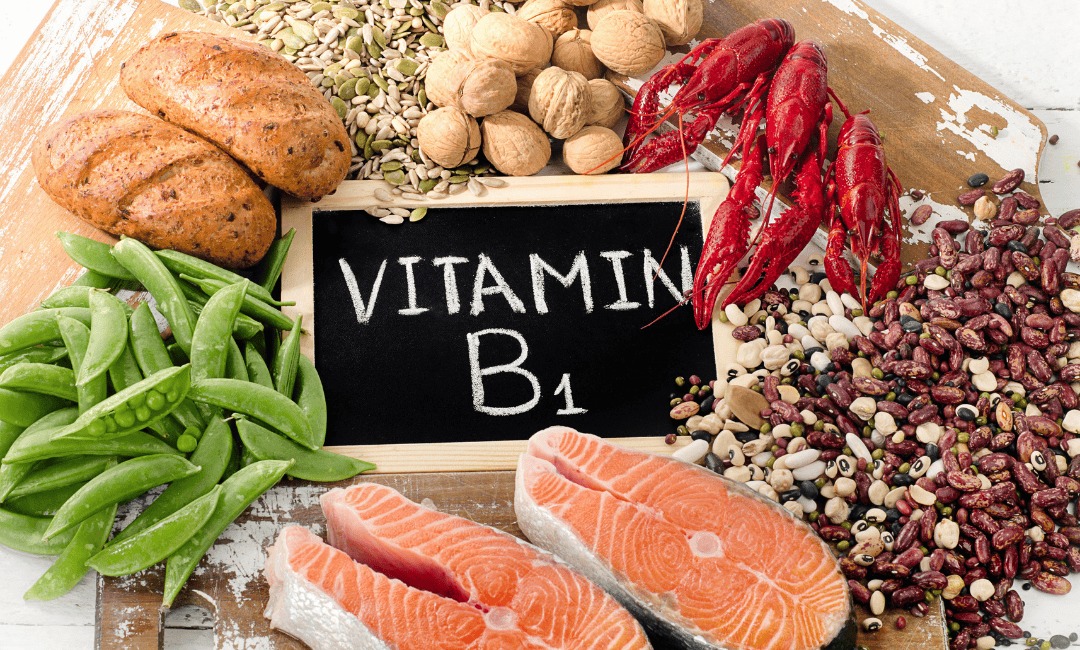
It’s produced in the liver and kidneys from the amino acids lysine and methionine. Your body also needs iron and vitamins C, B6, and B3 to make it.
Healthy people don't typically need supplementation as the kidneys recycle it efficiently, and your body requires only about 15 mg daily.
However, chronic diseases or severe medical conditions can drain these stores, making carnitine an essential nutrient. A free carnitine level below 20 micromol/L indicates a deficiency that may require medical attention.
The body absorbs up to 87% of carnitine from whole foods. Oral pills or liquids have a much lower absorption rate, since gut transporters quickly get saturated.
| L-carnitine sources | Carnitine amount (per 100g) | Absorption rate |
|---|---|---|
| Whole food (animal): Pork | 25 to 61 mg | 54% to 87% |
| Whole food (animal): Chicken | 13 to 34 mg | |
| Whole food (dairy): Cow’s milk | 40 mg | |
| Whole food (dairy): Hard cheese | 3 mg | |
| Supplementation: Oral pills/liquids | 500 to 3,000 mg | 14% to 18% |
L-carnitine primarily transports fats into the mitochondria, called the cell's power house, to create energy (ATP).
While cells need fats to create energy, long-chain fatty acids cannot cross the inner wall of the mitochondria on their own. L-carnitine performs the following to fill this gap:
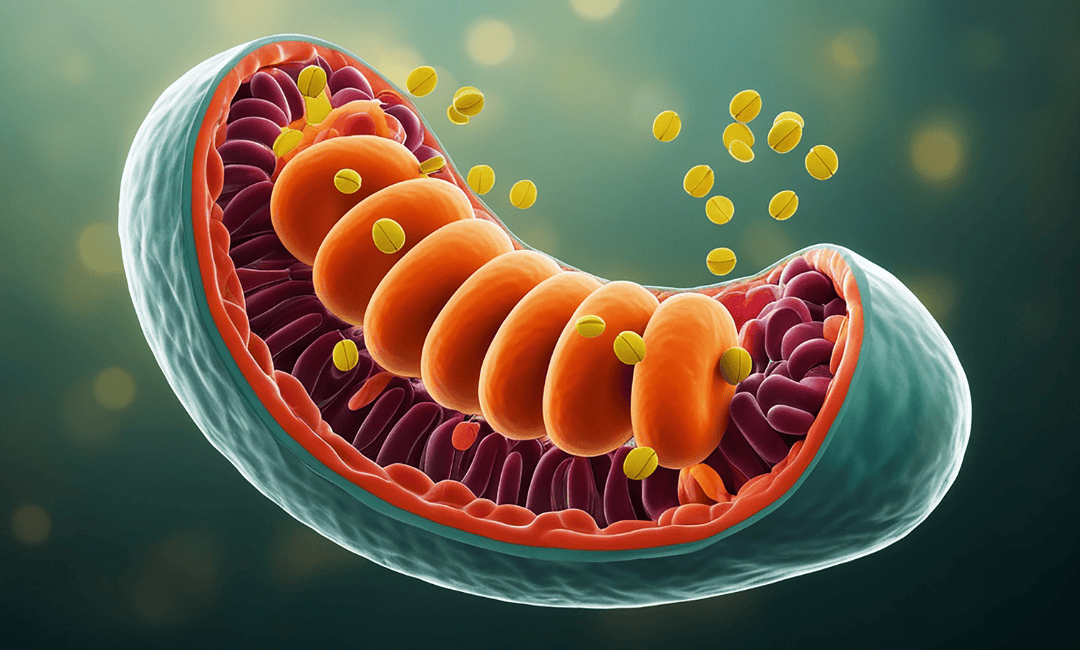
Additionally, the L-carnitine function includes clearing cell waste to maintain balance for effective protein assimilation. It binds to toxic byproducts created during rapid energy processing, helping the body flush them out through urine.
L-carnitine benefits the heart and muscles, which rely heavily on burning fat for fuel. It supports blood flow, protects heart cells during stress, and may improve mobility in older adults facing muscle loss.
Moreover, a form called propionyl-L-carnitine (PLC) helps treat poor leg circulation from peripheral arterial disease. It delivers energy directly to starved tissues to improve walking distance.
| Metric | Effect of PLC (vs placebo) | How it works |
|---|---|---|
| Peak walking | 26% capacity improvement | Restores muscle carnitine |
| Pain-free walking | 31% delay in the onset of pain | Limits lactic acid buildup |
| Circulation | Improved lower limb blood flow | Protects blood vessel walls |
| Quality of life | Better daily stamina | Reduces pain during movement |
The role of L-carnitine in recovery includes reducing muscle damage and exhaustion caused by intense exercise. It improves oxygen delivery and lowers muscle soreness.

Taking it with carbohydrates creates a natural insulin spike that helps muscle cells absorb and store the carnitine efficiently.
Beyond supplements, maintaining a balanced diet after chemotherapy is critical for long-term recovery.
The use of L-carnitine and cancer care focuses on wasting, deficiencies, and side effects. The medical evidence is somewhat mixed about the efficacy of supplementation.
When navigating nutritional needs, patients often ask about protein powder for cancer patients as a way to support strength.
Cancer cachexia is a severe syndrome causing muscle wasting and cancer weight loss due to tumour-driven inflammation.
In a positive turn of events, patients with advanced pancreatic cancer taking 4g of oral carnitine daily for 12 weeks saw an average BMI increase of 3.4% and a better quality of life.
Chemotherapy drugs like cisplatin or ifosfamide can cause carnitine deficiency by forcing the kidneys to flush it out or binding internal stores.
This loss can cause severe weakness and fatigue, prompting medical teams to evaluate targeted supplementation.
L-carnitine supplement benefits don't include curing general fatigue. No significant fatigue relief with daily carnitine consumption has been found in this regard.
Consequently, it’s even advised not to use it for general cancer fatigue.
A form called ALCAR should never be taken during chemotherapy. It actually worsens long-term nerve pain when used preventatively.
However, it may help ease established nerve pain once chemotherapy is fully completed and out of the system.
A proper L-carnitine dosage depends on medical history and blood tests. When deciding how much L-carnitine per day to take, it's best to split the daily total into small doses of 1 g.
Single doses over 2 g overload gut transporters, and the excess is wasted. The best time to take L-carnitine is with a carbohydrate meal. The natural insulin spike helps muscle cells absorb it effectively.
| Supplement form | Daily dosage | Target & common use |
|---|---|---|
| L-Carnitine L-Tartrate | 1,000–4,500 mg | Muscle recovery and physical fatigue support |
| Acetyl-L-Carnitine | 500–3,000 mg | Nerve health support after chemotherapy |
| Propionyl-L-Carnitine | 1,000–4,000 mg | Peripheral circulation and blood flow issues |
As with other common supplements like coenzyme Q10, it’s vital to discuss all additions with your healthcare team to avoid interactions.
While doses under 2g daily are generally well tolerated, L-carnitine it has serious medical interactions:
Blood thinners: L-carnitine can increase bleeding and bruising risks for those on warfarin.
Typical L-carnitine side effects include nausea, stomach cramps, and a fishy body odour caused by gut bacteria processing unabsorbed carnitine.
Long-term high and unsupervised doses also carry cardiovascular risks. Colon bacteria convert excess carnitine into a compound called TMAO, which accelerates artery clogging and raises heart attack risks.
Consuming raw garlic or allicin supplements can help block this harmful process and protect the heart.
Choose the type of L-carnitine that aligns with your medical goals, and avoid products with unnecessary fillers.
Just as you might look for quality in hydrolysed protein products, ensure your carnitine supplement has independent purity certifications.
Moreover, look for products that carry independent seals of purity. These certifications confirm that the product contains exactly what is on the label without hidden heavy metals or contaminants.
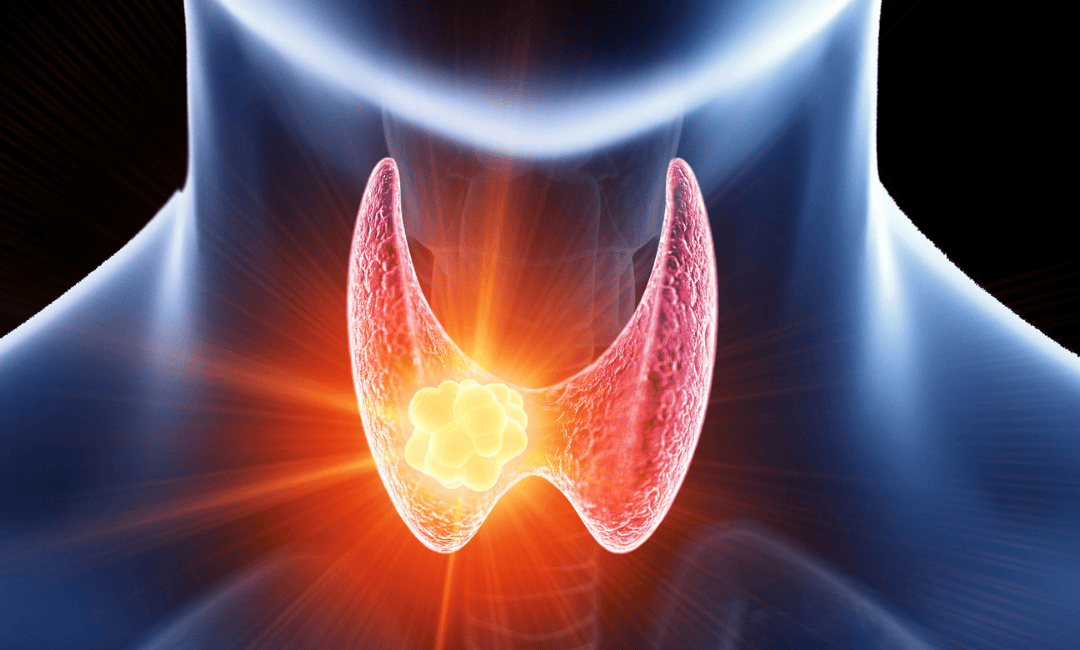
Before adding L-carnitine to a daily care plan, talk to an oncologist. An expert evaluation ensures that a supplement will not interfere with active cancer treatments, blood thinners, or thyroid function.
L-carnitine is a vital component of the body's energy system, acting as a bridge to transport fats into mitochondria. While it offers clear benefits for addressing muscle wasting and specific chemo-induced deficiencies, it cannot be a generic cure-all.
Oncologists don't support its use for general fatigue or nerve protection during active cancer treatments. Always prioritise tailored advice from your care team before starting any new supplement plan.
Everhope offers expert-led oncology care to help you understand your options and make informed decisions. If you need guidance, our team can support you with consultations, treatment planning, oncology nutrition, and personalised care.
Daily doses under 2 g are generally safe, but it can interfere with thyroid medications and blood thinners. Consult your physician first.
Yes, L-carnitine L-tartrate reduces exercise soreness and improves muscle oxygen flow. For best absorption, take it with a carbohydrate meal.
Yes, it supports mobility and strength in older adults. However, a medical evaluation is required due to potential prescription drug interactions.