Nutrition5 min read
Spirulina Biotic Powder: Benefits, Nutrition Facts and Its Role in Cancer Nutrition
Dr. Vrundali Kannoth
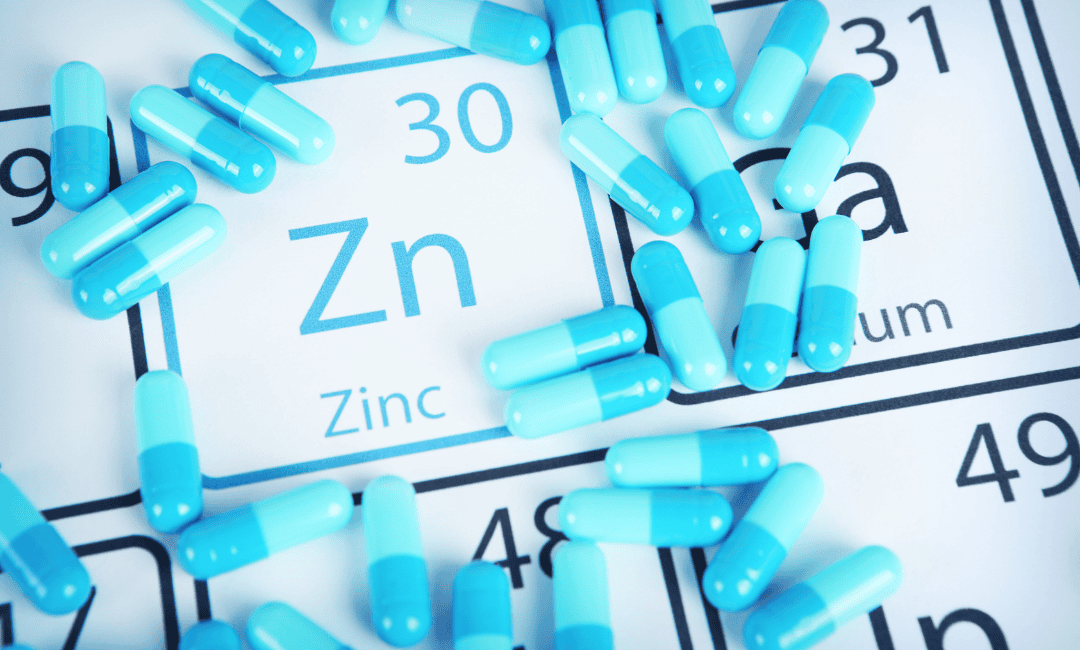
Supplement labels can be difficult to judge during cancer care. A familiar mineral may still need careful timing, dosing and review.
That is why zinc deserves a closer look before it is added to a routine.
Zinc is essential for normal immune function, protein synthesis, DNA synthesis, wound healing and cell signalling. Zinc gluconate is one supplement form that provides zinc.
A zinc gluconate supplement may be discussed when zinc intake needs attention. It should still be checked with the oncology team during treatment.
This guide explains how zinc works, common uses, timing and key safety points before regular use during cancer care.
Zinc gluconate are available at the Everhope store — reviewed for use during cancer care.
Zinc gluconate is a form of zinc used in many dietary supplements. It is made by attaching zinc to gluconic acid.
This helps provide zinc in a form the body can use. It is one of several common zinc forms. Some others include zinc sulphate and zinc acetate.
A few things are worth noting:
Zinc is needed for many cellular processes, which is why the right intake matters.
After a supplement is taken, zinc must be absorbed through the digestive system. The body then uses it across many normal cellular processes.
Zinc balance depends on a few linked factors:
Zinc gluconate absorption can vary with diet, dose and other nutrients.
One study found similar absorption for zinc citrate and gluconate, while zinc oxide’s absorption was lower. This does not mean one form is always better for everyone.
The benefits of zinc gluconate are most relevant when zinc intake needs support.
Zinc supports normal immune function. This does not mean it boosts immunity or prevents infections.
It means zinc is one of the nutrients the immune system needs to work properly. Conversations, especially about the immune system and cancer, should stay broader than supplements alone.

Nutrition, treatment plans, symptoms and clinical advice all matter.
Zinc has a recognised role in wound healing. It also supports protein synthesis, which the body uses for tissue maintenance and repair.
In older adults, zinc deficiency can delay wound healing. Still, supplements should not be treated as a wound-healing treatment for everyone.
Zinc also supports DNA synthesis and cell signalling. These are everyday processes that help cells work properly.
The zinc gluconate supplement benefits are most relevant when there is a genuine nutritional need. Taking extra zinc without a reason may not provide added benefit and can increase the risk of side effects.
Zinc gluconate’s role in cancer care should be understood as nutrition-related guidance rather than treatment support. It may have a place only when zinc intake needs review.
Cancer and its treatments can affect taste, smell, appetite, eating patterns and nutrient absorption.
Nutrition concerns during cancer care can also affect strength, treatment tolerance and infection risk.
Zinc gluconate may be discussed when:
A diet for cancer patients should stay personalised. Food-first support is usually preferred where eating well is possible.
Supplements should not be used to self-manage inflammation, especially when other antioxidant supplements are already being taken.

Cancer Research UK advises people receiving cancer treatment to speak with their healthcare team before taking supplements.
Common uses of zinc gluconate typically involve zinc supplementation when extra nutritional support is needed. Zinc gluconate is used for support in situations such as:
Animal-based foods often provide zinc in a more bioavailable form.
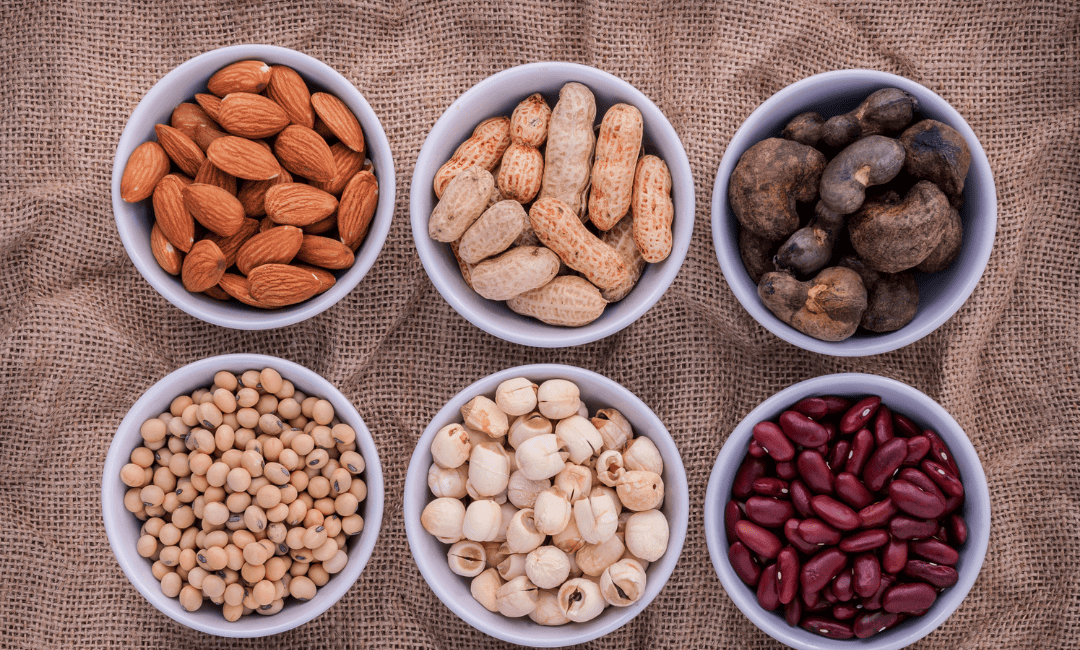
Plant foods such as beans, nuts and whole grains also contain zinc. But phytates in these foods can reduce absorption.
Dosage for zinc gluconate should be based on the amount of elemental zinc listed on the supplement label. Elemental zinc is the actual zinc content the body receives.
For general context, adult zinc needs are measured as daily recommended intake:
Higher doses should be strictly avoided unless the care team advises it.
When to take zinc gluconate depends on tolerance and medicine schedules. These points can help make supplement use safer:
Iron supplements with 25 mg or more elemental iron may reduce zinc absorption when taken together. Some antibiotics, penicillamine and thiazide diuretics may also need review.

Autoimmunity Care ZMA+ — Zinc, Magnesium & B6 (60 Capsules)
Zinc, magnesium and B6 in one capsule
₹584.68₹622

Dizziness and headaches can also happen when zinc intake is too high.
These effects should be monitored, especially during cancer care. Also, long-term high-dose zinc needs more care.
Taking 50 mg or more per day over several weeks can affect copper absorption, immune function and HDL cholesterol. Very high or prolonged intake may lead to copper deficiency.
This is why all zinc sources should be counted together.
Zinc gluconate should be reviewed as part of the care plan if symptoms are persistent, severe or unusual. It is also important to mention all supplements being taken.
This helps the care team check safety, dose and timing.
Before starting zinc gluconate, ask whether the dose fits current medicines, symptoms and blood results. It can also help to review all supplements together.
This includes multivitamins, herbal products and nutrition powders. The goal is to avoid overlap and keep each choice safe.
Food-first nutrition should remain the starting point where eating well is possible. If intake has changed, ask whether oncology nutrition support is needed.
If supplement choices feel confusing during cancer care, Everhope Oncology can help. Speak with our oncology nutritionists for guidance that fits the treatment plan and daily needs.
The supplement’s absorption may be similar to zinc citrate and higher than zinc oxide in one cited study. It is not automatically the best form for everyone.
Zinc has a recognised role in wound healing. Its benefits may matter when low intake or deficiency is being reviewed.
This depends on zinc status, dose, diet and overall health. It is best not to expect a fixed timeline.
Common uses of zinc gluconate include supporting zinc intake when diet, absorption or clinical needs make this relevant. It should not be treated as disease support.
Zinc gluconate helps support zinc intake when diet, absorption, or clinical needs make this relevant.