

Nutrition5 min read
Spirulina Biotic Powder: Benefits, Nutrition Facts and Its Role in Cancer Nutrition
Dr. Vrundali Kannoth

A low vitamin D level can raise practical questions during cancer care. Is food enough? Does sunlight help? Should a supplement be added?
The answer depends on the person’s overall health and nutrition needs. Vitamin D3 supports calcium absorption, bone health, and muscle function, which is why it often appears in supportive nutrition conversations.
A vitamin D3 supplement may be useful in some situations. At the same time, discussions around vitamin D and cancer need clear boundaries.
This guide explains the benefits, sources, dosage, timing and safety points in a cancer-care context.
Vitamin D3 supplement are available at the Everhope store — reviewed for use during cancer care.
Vitamin D is a fat-soluble vitamin, which means the body absorbs it better with dietary fat. Before the body can use vitamin D fully, it goes through two key steps:
A vitamin D3 supplement contains cholecalciferol. The other main form is vitamin D2, also called ergocalciferol.
Both forms can raise vitamin D levels. However, vitamin D3 usually raises and maintains vitamin D status more effectively than D2.
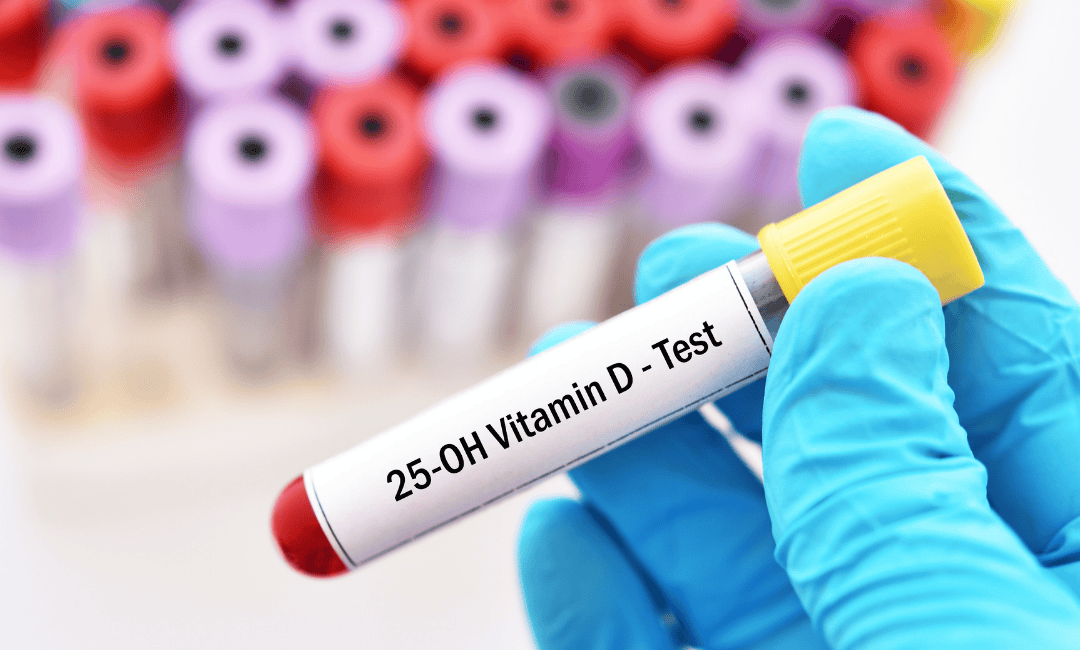
Serum 25-hydroxyvitamin D, or 25(OH)D, is the main blood marker used to assess vitamin D status. Levels around 50 nmol/L, or 20 ng/mL, are generally considered adequate for bone and overall health in most healthy people.
The benefits of taking vitamin D3 supplements are best understood by looking at what vitamin D does in the body.
This is the strongest and most established area. Vitamin D helps the gut absorb calcium and maintain calcium and phosphate levels needed for normal bone mineralisation.
This is why vitamin D is often discussed alongside calcium intake and bone health.

When vitamin D stays low for too long, bones can become thin, brittle or weak.
Vitamin D also has a role in neuromuscular function. This means it supports the connection between nerves and muscles, which matters for movement, strength, and everyday physical function.
Vitamin D contributes to immune function and helps modulate processes such as cell growth and inflammation. These roles are part of general wellness, but they should not be confused with cancer treatment effects.
During cancer care, vitamin D3 can be part of supportive nutrition and bone-health planning.
Some cancer treatments can affect bone strength or increase the risk of osteoporosis. When this risk is present, the care team may look at a few related areas:
The treatment team may then prescribe a vitamin D3 supplement if it is suitable.
Vitamin D is also studied in relation to the immune system and cancer, but the research does not support broad treatment claims.

The evidence is clearer when kept within these boundaries:
Current evidence does not show that vitamin D3 can treat cancer, ease treatment-related symptoms, or improve cancer outcomes.
A vitamin D3 supplement should be considered as part of oncology nutrition.

A balanced diet for cancer patients should remain central alongside prescribed treatment and supplement advice.
Vitamin D can come from food, sunlight and supplements, but natural food sources are limited. The main types of vitamin D3 supplements usually differ by source and format.
D3 is commonly found in capsules, tablets, drops, and sprays. For anyone wondering how are vitamin d3 supplements made, the answer usually depends on the source:
Food sources include fatty fish such as salmon, trout, tuna, and mackerel, fish liver oils, beef liver, egg yolks, and cheese.

UV-exposed mushrooms provide vitamin D2. Fortified foods may include cereals, yoghurt, orange juice, margarine, and some milk alternatives.
Sunlight can help the body make vitamin D, but sunbathing is not needed. Too much sun can cause sunburn and increase skin cancer risk.
Viitamin K2 may also come up in bone-health conversations, but it is a separate nutrient.
Vitamin D needs vary, so dosage should be personalised, even though general adult guidance is 15 mcg, or 600 IU, daily for ages 19 to 70, and 20 mcg, or 800 IU, daily for adults over 70.
During cancer care, the dosage should be more personalised. The care team may look at several factors before suggesting an amount:
For anyone asking, “How much vitamin D3 supplement should I take?”, the answer should come from the oncology team after reviewing these factors.
The best time to take vitamin D3 supplement is usually the time that supports consistency. There is no strong need to choose morning over evening unless advised.
The best way to take vitamin D3 supplement is often with a meal that contains some fat. That is because dietary fat can improve vitamin D absorption.
When to take vitamin D3 supplement should also account for comfort and routine.
The main safety concern with D3 is taking too much, especially through high-dose supplements without medical guidance.
Vitamin D toxicity can raise calcium levels in the blood and urine. It can also lead to very high 25(OH)D levels.
High calcium may cause symptoms such as nausea, vomiting, muscle weakness, loss of appetite, excessive thirst, frequent urination, kidney stones, or kidney strain.
In rare, extreme cases, toxicity may lead to kidney failure, soft tissue calcification, heart rhythm problems, and even death. The adult tolerable upper intake level is 100 mcg (4,000 IU) per day.
Vitamin D supplements may interact with some medicines, and some medicines may affect vitamin D levels. Steroids can reduce calcium absorption and affect vitamin D metabolism.
Thiazide diuretics may increase the risk of hypercalcaemia when combined with vitamin D in some people. Vitamin D3 supplement side effects and safety need closer review during active treatment.
This also applies to a vitamin C supplement, antioxidant supplements, or any other dietary supplement. People undergoing cancer treatment should avoid supplements unless prescribed by their care team or used as part of an approved clinical trial.
If a vitamin D3 supplement has been suggested, or a recent blood test has raised questions, the next step is a careful review with the care team. Supplement needs can change during treatment, so a review can help keep decisions safe and relevant.
At Everhope Oncology, our oncology nutrition specialists can guide these decisions with clear advice throughout cancer care.
General adult guidance is 600 IU daily up to age 70 and 800 IU after 70, but the personal dose depends on blood levels, age, diet, medicines, and the treatment plan.
People with limited sun exposure, darker skin, older age, and fat absorption conditions. Also, those with obesity, gastric bypass history, following vegan diets, milk allergy, or lactose intolerance may need testing and, in some cases, supplements for vitamin D3 deficiency.
Vitamin D deficiency can affect bone health and may contribute to osteomalacia in adults, with possible symptoms such as bone pain or muscle weakness, but a blood test is needed to confirm low levels.
Current evidence does not support taking vitamin D supplements to reduce cancer risk or recurrence. Vitamin D3 supplement benefits should remain limited to nutrition and bone health support.
Yes. The oncology team can check whether vitamin D3 fits current medicines, blood results, and the treatment plan.