
Symptoms5 min read
Folic Acid Supplement: Importance, Benefits and Deficiency Symptoms
Dr. Vrundali Kannoth

Life is a collection of small, steady moments like your toddler taking their first steps.
In these moments, everything feels surreal and normal, until a quiet worry begins to take root. Perhaps your child seems wobblier than others, or their balance doesn't improve over time.
If you are here because a child specialist mentioned ataxia telangiectasia, it’s natural to feel lost, but you are not alone in this.
While the road ahead has its challenges, support systems are available to help you navigate this.
Ataxia telangiectasia is a rare genetic condition that affects how the body’s brain and immune system work. It also affects how cells repair themselves, which can increase the risk of ataxia-telangiectasia cancer.
In this article, we’ll explore how this condition affects the body, why it occurs, and how to move forward together.
To define ataxia telangiectasia, it’s a genetic condition that affects the nervous and immune systems. The name describes two main signs:
In a clinical sense, it’s ataxia telangiectasia syndrome, where your body cannot repair its own DNA. The ataxia telangiectasia meaning involves these systemic impacts. Because cells cannot fix themselves, certain brain cells are lost over time, and the immune system weakens.
This DNA defect also increases the risk of ataxia telangiectasia cancer, as damaged cells are more likely to grow out of control.

The primary ataxia telangiectasia cause is a change in the genetic instructions that instruct your body how to protect and repair itself. Here is the process that causes ataxia telangiectasia:
Every person has an ataxia telangiectasia gene called ATM, located on ataxia telangiectasia chromosome 11. This gene acts like a safety supervisor. It produces a protein that checks for damaged DNA and tells cells to pause and fix the problem before continuing.
In ataxia telangiectasia, a mutation stops this process from working properly.
Without a functional ATM protein:
The impact is especially strong in the brain. Important cells responsible for balance (called Purkinje cells) slowly get damaged and lost, leading to the movement problems that you first notice.
Over time, this same repair failure also affects the immune system and increases the risk of abnormal cell growth, including ataxia telangiectasia cancer risk.
Another important part of the ataxia telangiectasia cause is how widespread the damage becomes. Because cells can’t repair themselves properly:
This is why the condition impacts movement, immunity, and overall health together.
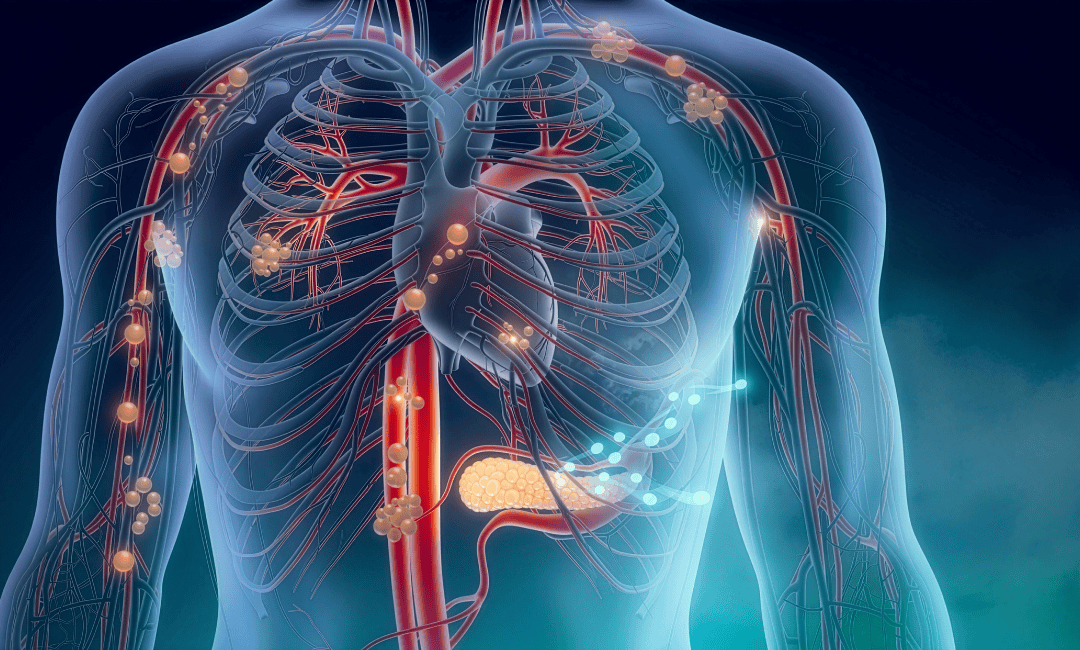
The condition follows a pattern called ataxia telangiectasia inheritance, which is called autosomal recessive.
This means a child must inherit one faulty gene from each parent to develop the condition.
If both parents are carriers:
However, most parents remain unaware of being carriers until a diagnosis brings answers.
Ataxia telangiectasia unfolds slowly. Starting with small symptoms that gradually become a broader issue over time.
The earliest ataxia telangiectasia symptoms are usually related to movement and coordination.
At first, you may notice normal clumsiness in your toddler, but unlike other children, the balance issue becomes more noticeable.
Common early signs include:
As the condition progresses, these symptoms can become more pronounced:
Over time, many children may need a wheelchair or peer support for mobility. This progression can feel overwhelming, but understanding it early can help you be aware and adapt well.
Beyond movement, there are several other clinical features of ataxia telangiectasia that help specialists make a clear diagnosis and manage the condition.
If the early signs are present, physical therapy for balance and immune support for infections can be considered before they become more serious.
As the body’s natural repair system for DNA doesn’t work, cells can sometimes grow in an uncontrolled way in ataxia telangiectasia. This leads to signs of cancer in approximately 25% to 38% population.
To protect you from germs, your immune cells naturally break and rejoin their own DNA to create different types of antibodies.
Therefore, when the ATM protein is missing, the body’s failure to fix broken DNA becomes particularly dangerous for the immune system, as these genetic errors can turn a healthy cell into a cancerous one, leading to ataxia telangiectasia cancer.
The risk for certain types of cancers often changes as a person grows older:
Because cells cannot repair damage from radiation, people with this condition are extremely sensitive to X-rays and gamma rays.
Standard radiation therapy, which is often used for cancer treatment, can be life-threatening for a child with this condition.

While there is no cure, current ataxia telangiectasia treatment focuses on managing symptoms and improving daily life.
| Focus area | Treatment & support | Goal |
|---|---|---|
| Movement & daily life | Physical and occupational therapy, using tools like weighted utensils. | Maintain muscle flexibility, balance, and independence. |
| Communication & eating | Speech therapy and swallowing evaluations. | Manage slurred speech and prevent choking or lung infections. |
| Immune & lung health | Antibiotics, immunoglobulin (IVIG) infusions, and breathing exercises. | Fight off germs and prevent permanent lung damage. |
| Cellular support | Supplements like nicotinamide riboside (Vitamin B3). | Help cells create energy and potentially slow decline. |
As of 2026, for the first time, researchers are moving closer to treatments that address the underlying biology of the condition and improve ataxia telangiectasia life expectancy:
Ataxia telangiectasia is a complex journey, but understanding its genetic causes and early symptoms allows for better management. With the medical breakthroughs of 2026, the outlook for mobility and lung health is improving.
At Everhope Oncology, our experienced oncologists provide personalised palliative cancer care to manage risk and ataxia telangiectasia prognosis. We focus on your unique needs to ensure the best possible support and quality of life for your family.