
Symptoms5 min read
Folic Acid Supplement: Importance, Benefits and Deficiency Symptoms
Dr. Vrundali Kannoth
Some diagnoses come with a name you've never heard before, and Bloom syndrome is one of them. You may have just left a doctor's appointment with more questions than answers, or a genetic test flagged something unexpected, and you've been down a rabbit hole ever since.
Whatever brought you here, it makes sense that you're feeling overwhelmed.
This guide breaks down the Bloom syndrome meaning, why it happens, what to watch for, and what support looks like. There's a lot to take in, but understanding your situation is always the first step forward.
Bloom syndrome is a rare genetic disorder characterised by a heightened predisposition to cancer, short stature, and a distinctive facial rash. First described by dermatologist David Bloom in 1954, it belongs to a group of conditions caused by defects in DNA repair mechanisms.
This syndrome disrupts the body's ability to accurately copy and repair DNA. This leads to chromosomal instability, meaning cells accumulate errors at a much higher rate than normal. The result is an increased risk of developing multiple types of cancer, often at a young age.
For those wondering how common is Bloom syndrome, the answer is: exceptionally rare, with fewer than 300 cases documented worldwide. It affects all ethnicities but is notably more prevalent among people of Ashkenazi Jewish descent.
In India, reported cases remain extremely limited, with the last reported case being in 2025, when a 12-year-old girl in Chennai underwent a successful bone marrow transplant.
Bloom syndrome symptoms vary in severity but typically affect multiple body systems:
Early recognition of these cancer symptoms is critical, as prompt intervention dramatically improves outcomes.
The causes trace back entirely to genetics, as it is not infectious, environmental, or lifestyle-related.
The underlying Bloom syndrome causes are entirely rooted in this inherited genetic mutation. Knowing that cancer is genetic in this condition helps families make informed decisions about screening and family planning.
The Bloom syndrome gene responsible is BLM, located on chromosome 15. The BLM gene provides instructions for producing a protein called BLM helicase, which plays a vital role in unwinding DNA strands during replication and repair.
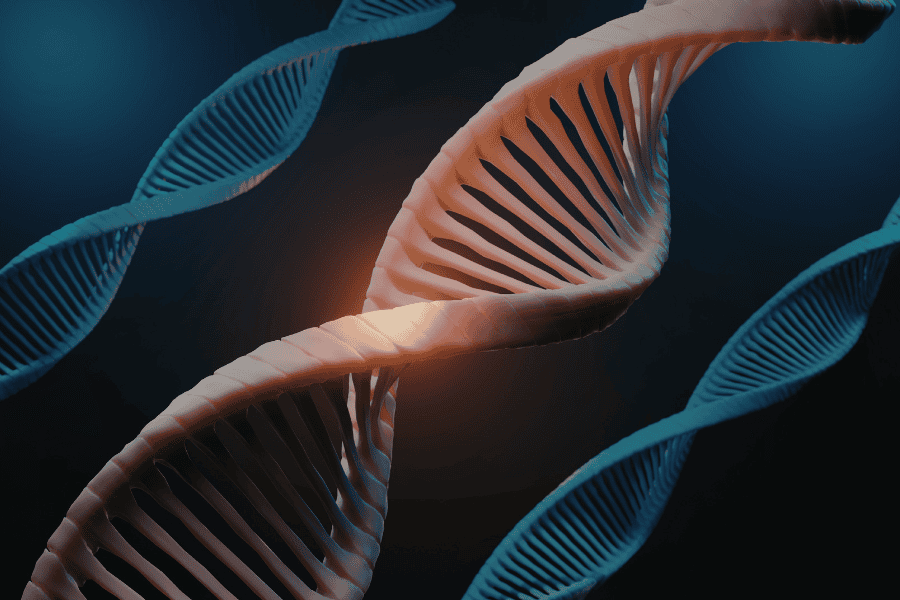
When the BLM gene is mutated:
This is why this syndrome is classified as a chromosomal instability syndrome, sitting alongside conditions like Fanconi anaemia and ataxia-telangiectasia.
A diagnosis is typically suspected based on clinical features and confirmed through specialised testing.
Efforts to improve Bloom syndrome diagnosis continue to evolve. The Bloom Syndrome Association is developing the International Bloom Syndrome Registry (IBSR), a global research resource expected to support better understanding and diagnosis once launched.
Living with this syndrome can feel overwhelming, especially given the need for ongoing monitoring from an early age. While there is no cure, Bloom syndrome treatment is focused on managing symptoms, supporting growth, and reducing long-term cancer risk.
Families with a history of Bloom syndrome are strongly encouraged to pursue genetic counselling to understand inheritance risks and explore family planning options.
Care is tailored to the individual and often begins early in life, with close monitoring across multiple systems.
When cancer does develop, treatment follows standard oncology protocols, which may include surgery, chemotherapy, or radiation. However, people with Bloom syndrome are often more sensitive to DNA-damaging treatments, so oncologists must carefully adjust dosing.
Cancer physiotherapy and rehabilitation also play a supporting role in maintaining quality of life through and after treatment.
One of the most common concerns families have is Bloom syndrome life expectancy. While the condition does shorten lifespan, primarily due to cancer risk, early surveillance and timely treatment are improving outcomes.
Support makes a practical difference. Families benefit from clear treatment plans, interventions, and guidance that adapts as needs change. Remember that care is not one step but rather a continuous process.
Connecting with an experienced oncology centre can help bring that structure. Teams familiar with rare genetic conditions can guide screening, coordinate care, and support long-term decisions.
No. It is a genetic condition inherited from both parents. It cannot be passed from person to person through contact of any kind.
The mutated BLM gene disables the BLM helicase protein, which is essential for correcting errors during DNA replication. Without it, chromosomal damage accumulates rapidly, making cancerous mutations far more likely to develop.
The syndrome affects males and females equally. While it occurs across all ethnicities, it is significantly more prevalent among individuals of Ashkenazi Jewish descent due to a higher carrier frequency in that population.