Nutrition5 min read
Spirulina Biotic Powder: Benefits, Nutrition Facts and Its Role in Cancer Nutrition
Dr. Vrundali Kannoth

Changes in weight and energy levels are common during cancer treatment, and they can look different for everyone.
You might notice your clothes fitting differently, or feeling more tired than usual after everyday activities. It’s natural to have questions and feel confused, especially if you’re eating regularly and doing your best to maintain your body.
Sometimes, these changes may be linked to a condition called cancer cachexia syndrome. This isn’t simply about eating less; it’s a complex medical response that can occur alongside cancer.
In this article, we’ll explore what cancer cachexia is, its symptoms, causes, and how you can effectively manage it to support a better quality of life.
Cancer cachexia are available at the Everhope store — reviewed for use during cancer care.
Cancer cachexia is an ongoing loss of skeletal muscle, with or without fat loss, that cannot be restored simply by eating more, no matter how hard you try. It can affect you when living with advanced or metastatic cancer.
Unlike ordinary weight loss from reduced appetite, cancer related cachexia is driven by inflammation and metabolic changes caused by the disease itself.
These disruptions impair how your body uses protein and energy, leading to ongoing muscle loss and declining strength.
Cancer cachexia meaning is defined as unintentional weight loss of more than 5% over six months, especially when muscle loss or a low body mass index is present.

Subtle metabolic changes for cancer cachexia may begin long before visible cancer weight loss appears. Over time, the condition affects multiple aspects of your body, including:
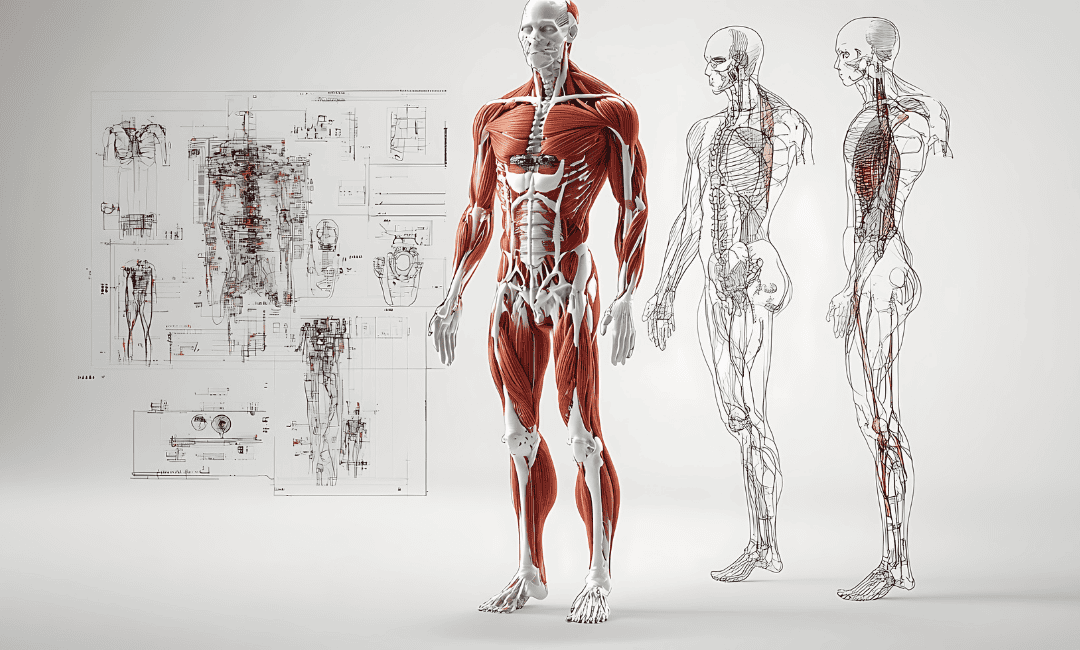
You may start to see your arms and legs grow thinner as muscle mass (sarcopenia) declines. Bones around your shoulders, collarbone, and ribs can become more prominent, and your face or buttocks may lose fullness.
Your clothes may also suddenly hang loose, while your skin feels drier or more fragile. These visible changes are due to shifts in muscle and fat stores.
Cancer cachexia is fueled by inflammation and altered metabolism. You may develop anaemia of chronic disease, lowering red blood cell counts and intensifying cancer fatigue.
You may also experience hypermetabolism, where the body burns more energy than expected, even at rest. This leads to ongoing weight and muscle loss despite adequate calorie intake. Insulin resistance may also develop, making it harder for your body to use nutrients efficiently.
As your muscle mass declines, you may notice your strength and stamina gradually slipping away.
Loss of appetite (anorexia) and early fullness are common, sometimes linked to delayed gastric emptying or appetite suppression.
These physical challenges often intertwine with emotional effects and withdrawal from social events or gatherings.
In later stages of cancer, cachexia can significantly impact strength, treatment tolerance, and overall health. This may include progressive muscle loss, where you may experience breathlessness and reduced cardiac strength.
Reduced treatment tolerance can also raise the risk of severe side effects of cancer, delayed treatment, or surgical complications.
Other than that, fatigue and cognitive changes are often noticeable. You may feel profound exhaustion, mental fog, or symptoms during cancer treatment, often described as “chemo-brain.”
Cancer cachexia is due to inflammatory signals and metabolic changes triggered by the tumour and the body’s immune response. Here is what happens:
Cancer can trigger the release of inflammatory proteins (cytokines) such as IL-6, TNF-α, and IL-1β. These signals activate pathways in your body that accelerate muscle breakdown. At the same time, you may experience:
Together, these changes create a cycle of reduced intake and increased energy use.
The likelihood and severity of cachexia in cancer patients can depend on:
Cancer cachexia life expectancy varies depending on cancer type, stage, and overall health. Therefore, understanding these causes helps shift the focus from “eating more” to addressing inflammation, metabolism, and whole-body support.

Cachexia in cancer patients can progress gradually, typically in stages. Understanding where you are in this process can help guide care decisions with clarity and compassion.
Here are the stages of cancer cachexia:
| Stage | What’s happening | Focus of care |
|---|---|---|
| Pre-cachexia | Less than 5% weight loss. Appetite changes, mild inflammation, or early metabolic shifts may begin. | Nutrition support, light activity, and medical guidance may help slow further loss. |
| Cachexia | Weight loss exceeds 5% (or >2% with low BMI). Ongoing muscle loss and reduced food intake are present. | A team-based approach is important to protect strength, support treatment, and maintain quality of life. |
| Refractory cachexia | Advanced cachexia and cancer with severe wasting and very low strength. | The focus gently shifts to comfort, symptom relief, and emotional support for you and your loved ones. |
A multi-dimensional approach helps identify changes early and guide the right support. Here is what cachexia diagnosis usually entails:
Your diagnosis will begin with a detailed conversation about your weight history, appetite, energy levels, and daily function.
You would need to track the percentage of weight loss over several months, which is more practical than relying on a single BMI measurement. Your pathologist will also ask about reduced food intake, early fullness, fatigue, and changes in strength or mobility.
Many oncology teams use the Malnutrition Screening Test (MST) or the Subjective Global Assessment (SGA). These structured questionnaires evaluate recent weight loss, appetite changes, and nutritional risk, helping identify concerns before severe muscle depletion occurs.
Blood tests may check markers of inflammation (such as CRP or IL-6), albumin levels, and haemoglobin to detect anaemia.

Functional testing may include hand-grip strength (dynamometry), gait speed assessments, or ECOG performance status to evaluate physical decline.
Your weight can appear stable even when muscle is being lost, especially if you carry extra fat. Therefore, CT scans, which are often already performed for cancer staging, can measure skeletal muscle at the lumbar (L3) level. DEXA scans may also assess your lean body mass, confirming if you have sarcopenia.

PentaSure Critipep Peptide Diet Powder, Creamy Vanilla, 400 g
Peptide diet powder from hydrolysed whey
₹1,926
Because cachexia and cancer affect metabolism, muscle, appetite, and inflammation all at once, care must be comprehensive and personalised. The most effective approach after cancer diagnosis involves a multidisciplinary team, which includes:

Cancer cachexia can feel overwhelming, but you are not powerless. With early recognition and the right team around you, there are real, practical ways to push back, protecting your strength, improving how well you tolerate cancer cachexia treatment, and preserving the parts of life that matter most.
With the right oncology team, there are real ways to push back with proper nutrition, symptoms, movement, and emotional support, so you’re truly supported and can protect your strength and social involvement.
Cancer cachexia is driven by inflammation and metabolic changes caused by cancer, and not just reduced eating. It leads to ongoing muscle breakdown and increased energy use, which cannot be fully corrected by adding calories alone. That’s why nutrition by itself is often not enough.
In the early stage (pre-cachexia), progression can sometimes be slowed or partially improved. A comprehensive approach, including protein-focused nutrition, light resistance exercise, symptom control, and appropriate medications, offers the best chance to stabilise weight, protect muscle, and maintain strength.
Muscle loss is not always permanent. In earlier stages, some muscle mass and strength may be regained with timely intervention. However, in advanced or refractory cachexia, the condition becomes less reversible, and care shifts toward comfort, function, and quality of life.