+918929672099
Call Us
Hodgkin’s Lymphoma Explained: Causes, Symptoms & Treatment
Dr. Vrundali Kannoth|5 min read|
Hodgkin’s lymphoma usually begins with something small - a painless swelling in the neck, tiredness that feels a little unusual, or a routine doctor’s visit that leads to a few more tests than expected.
The reassuring part is that it is one of the most treatable cancers known to medicine. Most patients respond very well to modern therapies, particularly when the disease is caught early. Many go on to live full, healthy lives after treatment.
This article walks you through everything you need to know - what the condition is, why it develops, the symptoms doctors look out for, lymphoma cancer diagnostics, and the treatment options available today.
By the end, you'll have a clearer picture of what Hodgkin's lymphoma prevention involves and what the path forward can look like.
What is Hodgkin’s lymphoma?
Your body has a lymphatic system - a network of nodes and vessels that fights infection and keeps your immune cells circulating. When a white blood cell in this system develops a DNA fault and starts multiplying uncontrollably, the result is a type of blood cancer known as Hodgkin's lymphoma.
Doctors confirm this through a specific abnormal cell called a Reed-Sternberg cell. It is unusually large, clearly out of place, and only ever found in Hodgkin's. Its presence under a microscope is what establishes the Hodgkin lymphoma definition and separates it from all other forms of non-Hodgkin lymphoma.
Unlike many cancers that spread erratically, Hodgkin's lymphoma moves in an orderly, step-by-step pattern from one lymph node group to the next. This predictability is precisely why it responds so well to treatment.
Hodgkin’s lymphoma classification
There are two Hodgkin's lymphoma types, and identifying the right one is the first step toward the right treatment.
Classical Hodgkin lymphoma (cHL) (95% of cases)
This is by far the most common form, and it comes in four subtypes:
- •Nodular Sclerosis:The most frequently diagnosed, particularly in young adults.
- •Mixed Cellularity:Second most common; often linked to the Epstein-Barr virus.
- •Lymphocyte-Rich:Rare, but generally carries a favourable outlook.
- •Lymphocyte-Depleted:The rarest of the four and the most aggressive.
Nodular Lymphocyte-Predominant Hodgkin lymphoma (NLPHL) (5% of cases)
This is a rarer form of Hodgkin’s lymphoma that tends to grow slowly and behave less aggressively. Instead of classic Reed-Sternberg cells, it contains distinctive “popcorn” or LP cells.
Because of its unique biology, NLPHL is often treated with slightly different approaches and generally has a long-term prognosis.
How Hodgkin’s lymphoma begins
One of the things that makes signs of Hodgkin’s lymphoma a little tricky is that they can easily be mistaken for something much more ordinary - a lingering cold, stress, or just feeling run-down.
Hodgkin’s lymphoma symptoms
The most common early Hodgkin’s lymphoma clinical features are swollen lymph nodes that don’t hurt. That ‘painless’ quality often catches people off guard.
Here’s what to look out for:
- •Painless swollen lymph nodes:Usually in the neck, armpit, or groin.
- •Persistent feverwith no obvious cause.
- •Cancer weight loss:More than 10% of body weight over six months without trying.
- •Cancer fatigue:A bone-deep exhaustion that doesn’t improve with rest.
- •Drenching night sweatsthat wake you up and leave you changing sheets.
- •Itchy skinall over the body, with no visible rash.
- •Breathlessnessor a persistent cough (if lymph nodes in the chest are involved).
Out of these, fever, night sweats, and weight loss are collectively referred to as ‘B symptoms’ by doctors. Their presence plays an important role in Hodgkin’s lymphoma stages and treatment planning.
Hodgkin’s lymphoma causes
There isn’t one single answer to Hodgkin’s lymphoma risk factors, and that can feel frustrating.
What we do know is that a genetic mutation cancer process is at the heart of it. A B-lymphocyte undergoes abnormal DNA changes that allow it to grow out of control.
Several factors are known to raise that risk:
- •Epstein-Barr Virus (EBV):Found in Reed-Sternberg cells in 40% of classical Hodgkin cases; the same virus behind glandular fever.
- •Weakened immune system:People living with HIV face a notably higher risk.
- •Family history:Having a sibling with the condition increases susceptibility.
- •Age:Two peak groups - young adults in their 20s and Hodgkin lymphoma in adults over 55.
- •Risk factorsalso include certain inherited immune deficiencies.
Diagnosis and tests
Reaching a confirmed Hodgkin’s lymphoma diagnosis happens through a careful, step-by-step evaluation rather than a single test. Doctors begin with simple assessments and gradually move toward more detailed investigations to understand exactly what is happening in the body.
Here is how the process typically unfolds:
Step 1: Physical examination
Your doctor checks for enlarged lymph nodes in areas like the neck, armpits, and groin while also discussing symptoms such as fatigue, fever, or night sweats.

This is often the first indicator that something may need further investigation.
Step 2: Lymph node biopsy
A doctor removes part or all of a swollen lymph node and sends the tissue to a laboratory for detailed Hodgkin’s lymphoma screening.
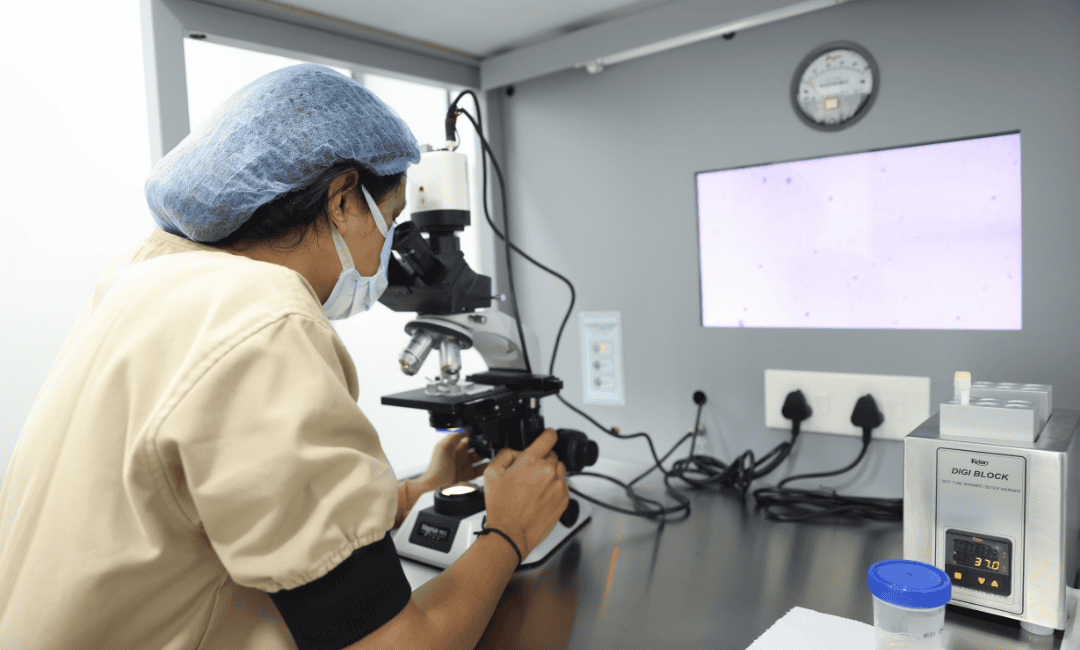
Pathologists analyse the cells under a microscope to identify Reed-Sternberg cells, the hallmark that confirms a Hodgkin’s lymphoma diagnosis.
Step 3: Blood tests
Doctors run tests such as a complete blood count (CBC), along with liver and kidney function tests.
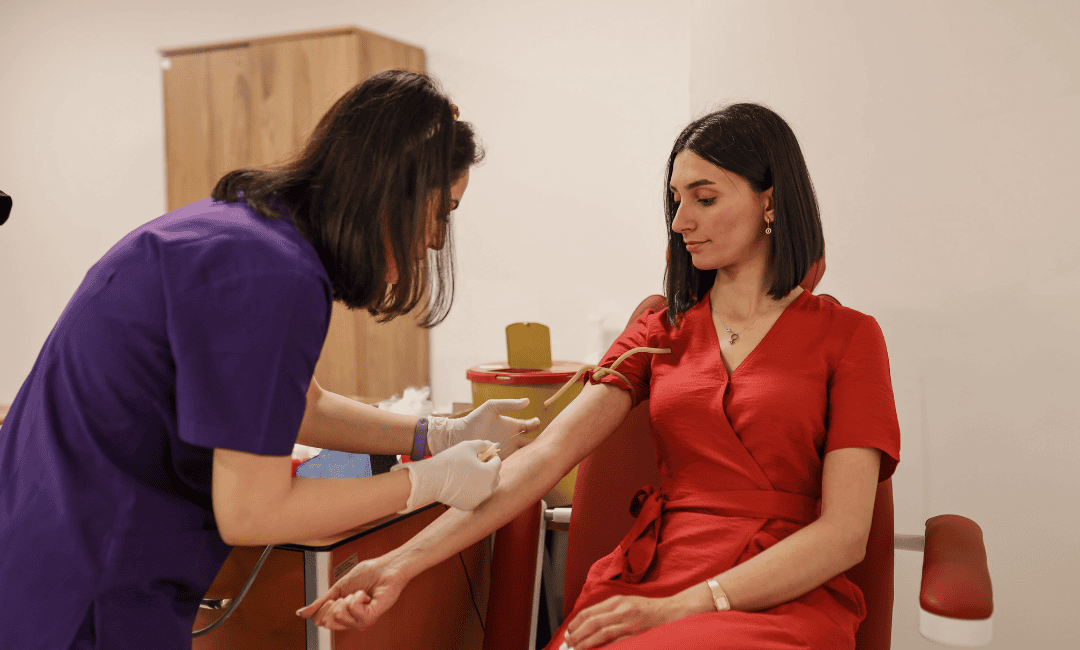
These results help assess overall health, detect signs of inflammation or anaemia, and determine how well the body is coping before treatment begins.
Step 4: CT scan
A CT scan uses detailed cross-sectional images to examine lymph nodes and nearby organs.
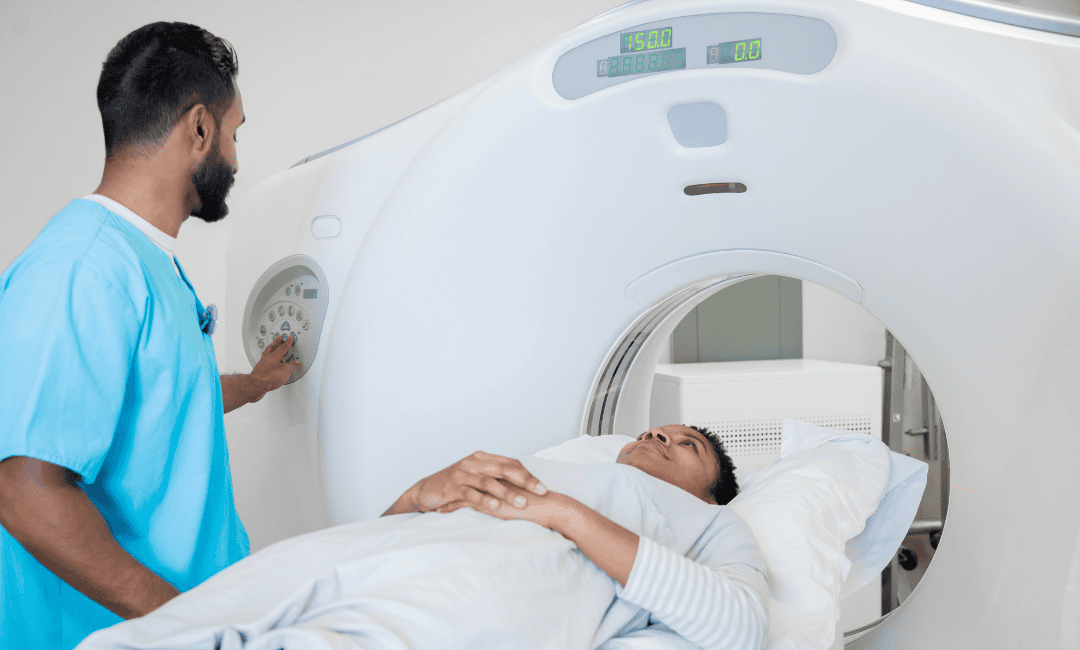
It helps doctors identify which areas of the body are affected and understand how widely the lymphoma may have spread.
Step 5: PET scan
A PET scan uses a small amount of radioactive tracer to highlight metabolically active cells in the body.
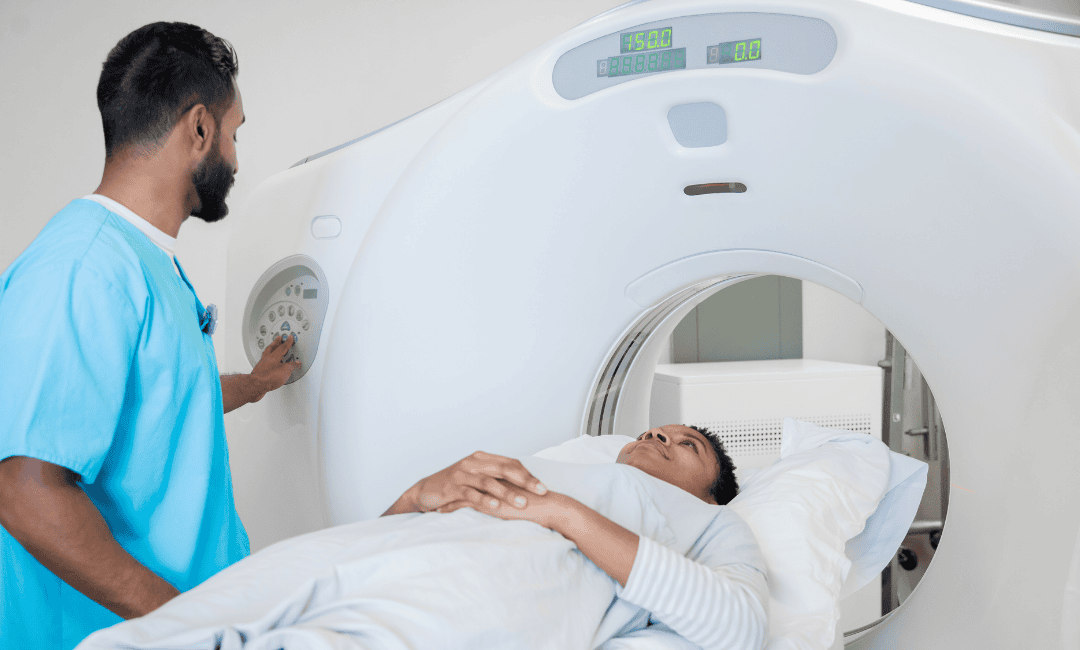
This helps doctors detect Hodgkin’s lymphoma malignant activity, as cancer cells tend to absorb more tracer and appear brighter on the scan.
Step 6: Staging the Hodgkin's lymphoma disease (stage I-IV)
Doctors combine results from scans, biopsies, and blood tests to determine how far the lymphoma has spread.
In Hodgkin’s lymphoma, stages include:
- •Stage I (single lymph node region),
- •Stage II (two or more regions on the same side of the diaphragm),
- •Stage III (both sides of the diaphragm), and
- •Stage IV (spread to organs like the liver or bone marrow).
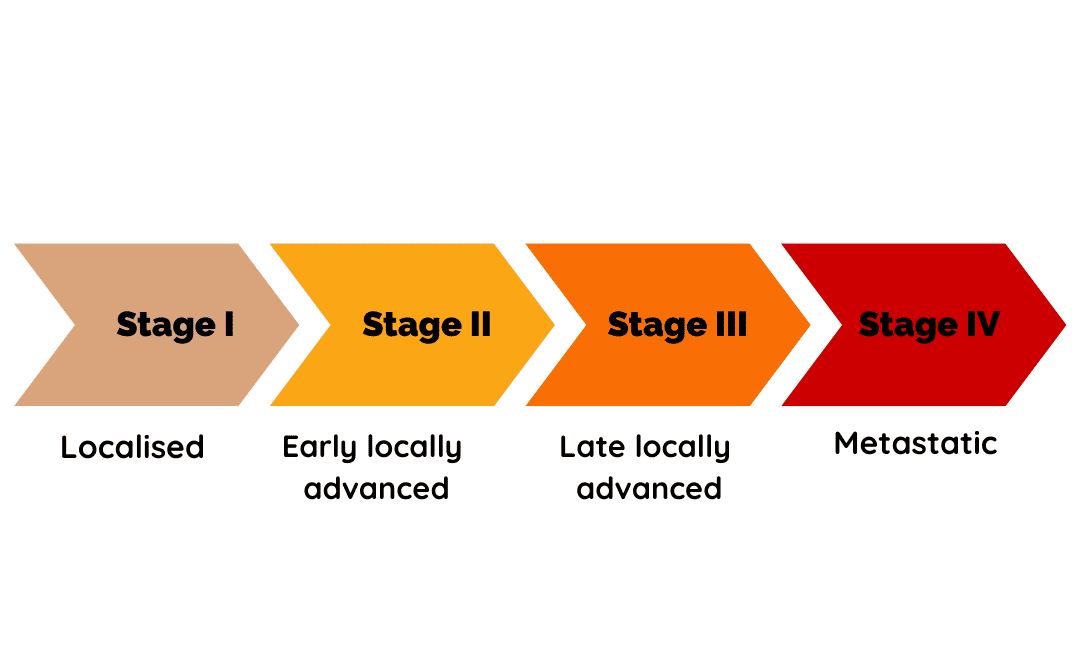
Staging the stages of cancer helps doctors choose the most appropriate treatment plan.
A routine cancer screening test for Hodgkin’s doesn’t currently exist; diagnosis begins with recognising symptoms.
Hodgkin’s lymphoma treatment options
Here’s something worth holding onto: Hodgkin’s lymphoma is one of the most responsive cancers to cancer treatment.
The Hodgkin’s lymphoma survival rate for early-stage disease sits above 90%, and that is a genuinely encouraging number.
| Treatment | How it works | When used |
|---|---|---|
| Chemotherapy (ABVD) | A combination of four drugs is given in cycles over several months to destroy cancer cells throughout the body. | First-line treatment for most patients. |
| Radiation therapy | High-precision radiation beams target affected lymph nodes to eliminate remaining cancer cells. | Often used alongside chemotherapy for localised disease. |
| Vrentuximab Vedotin | A targeted antibody-drug conjugate that binds to CD30 proteins on Reed-Sternberg cells, delivering chemotherapy directly to cancer cells. | Used in relapsed or treatment-resistant cases. |
| Immunotherapy (PD-1 inhibitors) | Drugs like pembrolizumab or nivolumab help the immune system recognise and attack cancer cells. | Typically used in lymphoma cancer recurrences or when it does not respond to initial therapy. |
| Stem cell transplant | High-dose chemotherapy followed by infusion of healthy stem cells to rebuild the bone marrow. | Recommended for certain relapsed or high-risk cases. |
If the disease relapses, doctors often turn to second-line treatments such as targeted therapy, immunotherapy, or stem cell transplant.
Encouragingly, relapsed Hodgkin lymphoma still responds well to treatment in many patients, and long-term remission remains achievable.
A highly treatable cancer with strong outcomes
Hodgkin’s lymphoma cancer is one of the cancers where treatment has seen remarkable success over the years. With the right therapy and timely care, many patients achieve long-term remission, and a large number are cured - especially when the disease is detected in its earlier stages.
Understanding the Hodgkin’s lymphoma prognosis, symptoms, and treatment options can help patients and families approach the condition with greater clarity.
Advances in oncology have made treatment for Hodgkin’s lymphoma highly effective. Many people are able to focus on recovery and gradually return to everyday life with the guidance of experienced oncology doctors.
FAQs
The speed of Hodgkin lymphoma spread varies by subtype. Nodular sclerosis and lymphocyte-rich types grow more slowly, mixed cellularity has an intermediate pace, while lymphocyte-depleted is the fastest-spreading form.
Related Blogs


Diagnosis5 min read
Ultrasound Kya Hota Hai? (अल्ट्रासाउंड): प्रक्रिया, रिपोर्ट और उपयोग
Dr. Vrundali Kannoth