Symptoms5 min read
Folic Acid Supplement: Importance, Benefits and Deficiency Symptoms
Dr. Vrundali Kannoth

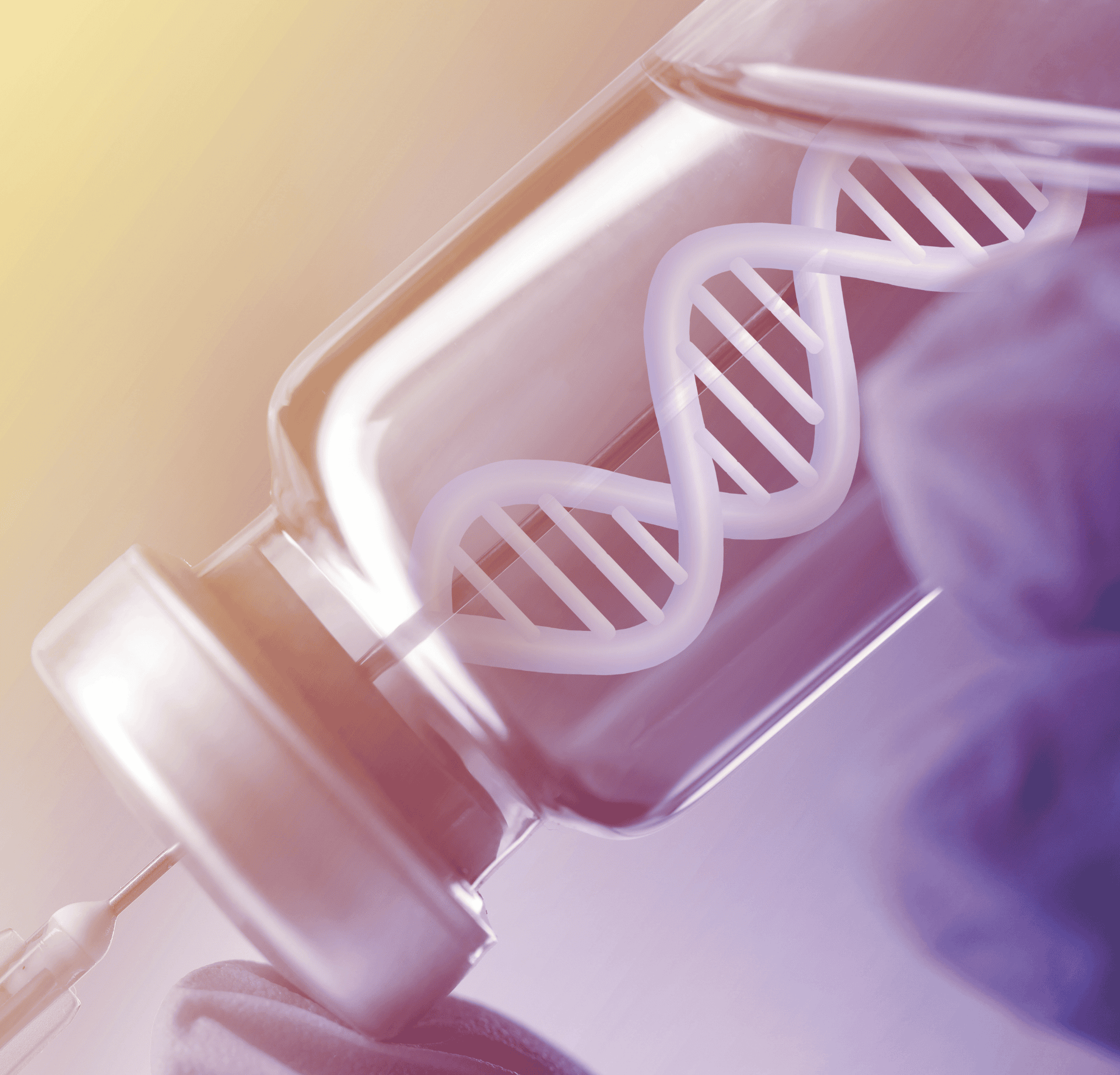
Your body has a powerful safety system. Every day, cells grow and divide, and special tumour-suppressor proteins act like quality inspectors, repairing damage or removing faulty cells. Most of the time, this works well and prevents serious disease.
But in rare cases, someone may be born with a change in one of these protective genes, helping answer the question: Is cancer genetic?
When that happens, your body’s natural defence against cancer may not work as strongly as it should.
One of those conditions where this occurs is Li Fraumeni syndrome.
Hearing about a genetic condition like this can be a bit overwhelming. However, medical science has made major progress in understanding the complication, and early monitoring has significantly improved outcomes.
In this article, we’ll walk through what it is, why it happens, the possible Li Fraumeni syndrome symptoms, and what treatment and monitoring options exist.
Li Fraumeni syndrome is a rare inherited genetic condition that greatly increases a person’s chance of developing (they’re not born with cancer) certain types of cancer during their lifetime.
Let’s begin with how healthy cells work.
Inside every cell in your body is DNA, which contains instructions that control how cells grow, divide, and repair themselves. Certain genes act as “tumour suppressors,” meaning they help prevent cells from growing out of control. One of the most important of these genes is the TP53 gene.
In people with the condition, the TP53 Li Fraumeni syndrome gene does not work properly. Because of this, cells with damaged DNA may continue to divide instead of being repaired or removed.
The TP53 gene is located on the Li Fraumeni syndrome chromosome, specifically chromosome 17. When a mutation occurs in this region, often referred to as a genetic mutation cancer, the body’s natural cancer defence system becomes weaker, leaving them more susceptible to cancer.
Some of the most commonly seen Li Fraumeni syndrome cancers include:
These Li Fraumeni syndrome cancers can occur in both children and adults, which is why early monitoring is so important.
Family history and genetics are critical in developing Li Fraumani syndrome, but not every mutation is characteristically similar. Here is a quick comparison between the two types of Li Fraumeni syndrome: Classic Li Fraumeni syndrome and Li Fraumeni-Like syndrome.
| Feature | Classic Li Fraumeni syndrome | Li Fraumeni-Like syndrome |
|---|---|---|
| Definition | The original form of Li Fraumeni syndrome. Identified through clear patterns of early cancers in families. | A related condition where families show similar cancer risks but do not meet the strict criteria. |
| Discovery | First described by doctors Frederick Li and Joseph Fraumeni in the late 1960s. | Recognised later when doctors noticed families with similar cancers but different patterns. |
| Family cancer pattern | Strong pattern of cancers across generations. | Cancer patterns exist but may be less obvious or more varied. |
| Typical diagnostic criteria | Sarcoma diagnosed before age 45, plus close relatives with early cancers or sarcoma. | Broader criteria. May include different combinations of early cancers. |
| Common cancers | Often includes sarcomas, early breast cancer, brain tumours, and adrenal gland tumours. | May still involve Li Fraumeni syndrome cancers, but types and ages can vary. |
| Genetic mutation | Usually linked to mutations in the TP53 tumour suppressor gene. | May also involve TP53 mutations detected through Li Fraumeni syndrome testing. |
| Li Fraumeni syndrome Inheritance pattern | Follows Li Fraumeni syndrome inheritance, typically autosomal dominant (50% chance of passing to children). | Inheritance may still follow similar patterns but may appear less clear in family history. |
| Diagnosis | Often recognised through strong family history and confirmed by genetic testing. | More frequently identified through expanded genetic screening and modern diagnostic criteria. |
The Li Fraumeni syndrome doesn’t cause obvious symptoms during everyday life, but it increases the risk of developing cancers. So, the symptoms are often related to the type of cancer developed.
Here are a few symptoms depending on the cancer type:
Soft tissue sarcomas, which are common in Li Fraumeni syndrome, may appear as a lump in muscles or connective tissues.
Bone cancers such as osteosarcoma can cause ongoing pain, especially in children or teenagers.
Brain tumours associated with Li Fraumeni syndrome may lead to headaches, vision problems, balance issues, or seizures.
Women have higher Li Fraumeni syndrome risk factors for early-onset breast cancer, which may present as a breast lump or changes in the skin or nipple.
Blood cancers such as leukaemia can cause unusual tiredness, frequent infections, or easy bruising.
Also, cancers due to this syndrome can develop earlier than they usually would in the general population, highlighting important cancer risk factors. In some families, cancers may appear in childhood, adolescence, or early adulthood.
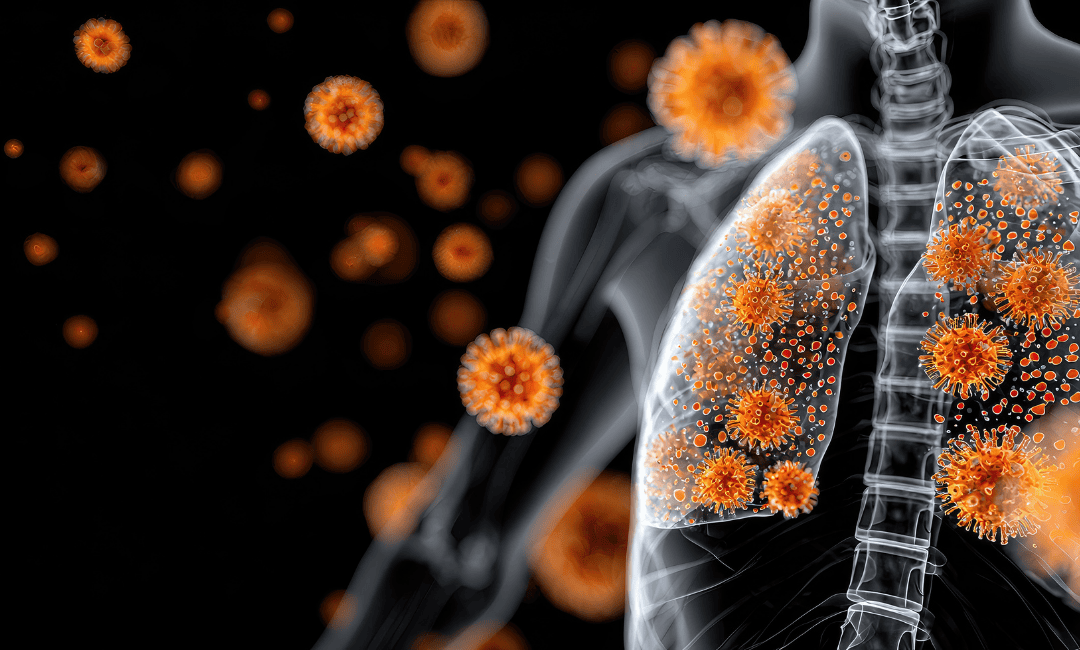
The main Li Fraumeni syndrome inheritance changes are in the TP53 gene, which plays a crucial role in protecting the body from cancer and explains what causes cancer at a genetic level
The TP53 gene acts like a safety checkpoint in cells. When DNA damage occurs, it can:
However, when a mutation affects this gene, the protective system becomes weaker.
People with Li Fraumeni syndrome inherit one altered copy of the TP53 gene from a parent or develop the mutation very early in life.
Because this gene helps control cell growth throughout the body, the mutation can increase the risk of tumours forming in different tissues.
If you still haven’t developed cancer, early detection of Li Fraumeni syndrome is extremely valuable, for it can help detect cancer early.
The diagnosis usually involves:
| Step | Purpose |
|---|---|
| Family history assessment | Pathologists review personal and family history. They look for patterns such as early cancers, rare tumours (like sarcomas), or multiple cancers in relatives that may suggest Li Fraumeni syndrome. |
| Genetic testing for Li Fraumeni syndrome | Li Fraumeni syndrome testing checks the TP53 gene using a blood or saliva sample to confirm if a mutation is present. |
| Cancer screening & monitoring | After a confirmed Li Fraumeni syndrome diagnosis, regular screenings such as whole-body MRI, brain MRI, breast screening, and physical exams help detect cancer early. |
There is currently no cure that can remove the genetic mutation responsible for Li Fraumeni syndrome. However, modern medicine offers several ways to manage the condition and reduce the risks associated with it.
Instead of focusing on curing the gene mutation itself, doctors focus on careful monitoring, early detection, and treating cancers quickly if they appear. This proactive approach has significantly improved outcomes for people living with Li Fraumeni syndrome.
The most important strategy for managing Li Fraumeni syndrome is regular cancer screening.
These may include:
The purpose of these screenings is to detect cancer at the earliest stage possible. Early detection often helps treat tumours before they grow or spread.
If you’ve developed cancer with Li Fraumeni syndrome, treatment is usually similar to standard cancer care but with some adjustments.
This may include:
Oncologists often limit radiation therapy because people with Li Fraumeni syndrome may have increased sensitivity to radiation, which could raise the risk of additional cancers later.
Living with Li Fraumeni syndrome can feel overwhelming, but growing knowledge about the condition has made early detection and proactive care far more effective.
With regular screening, Li Fraumeni syndrome gene testing, and personalised care plans, you can manage their risks and detect potential cancers at earlier, more treatable stages.
The most important step is awareness. Understanding Li Fraumeni syndrome, its genetic basis, and the importance of lifelong surveillance empowers families to make informed health decisions and work closely with oncology doctors to protect long-term well-being.