Nutrition5 min read
Creatine and Glutamine: A Clear Guide for Cancer Nutrition and Recovery
Dr. Vrundali Kannoth

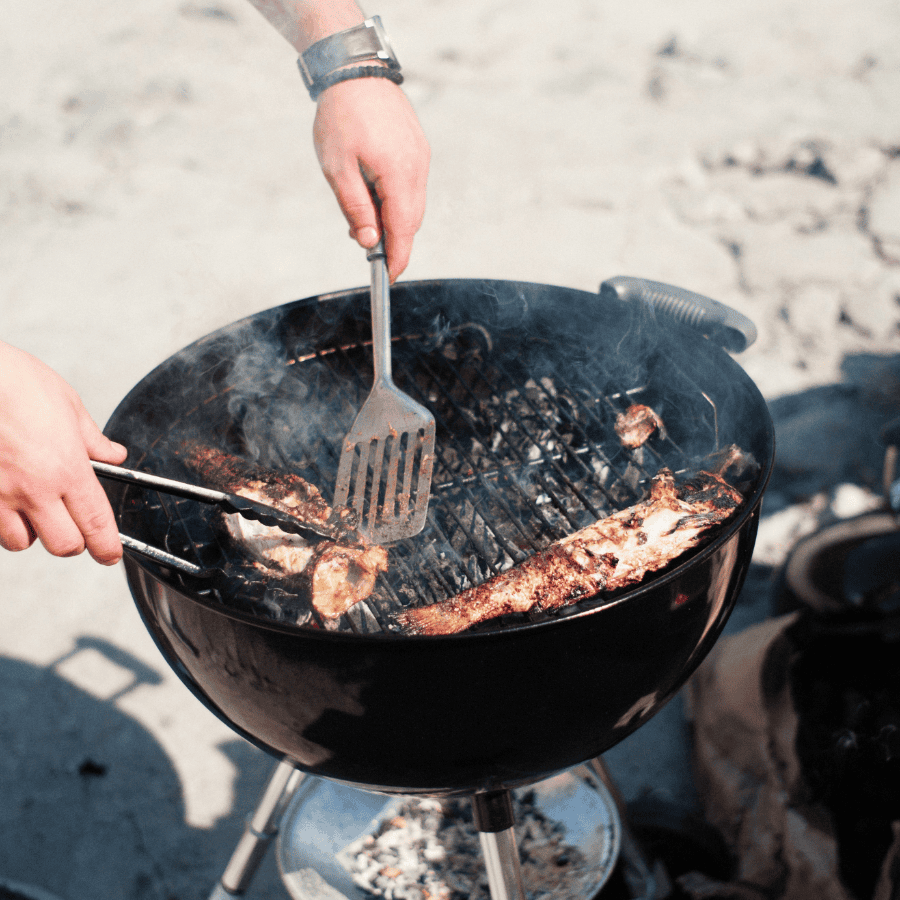
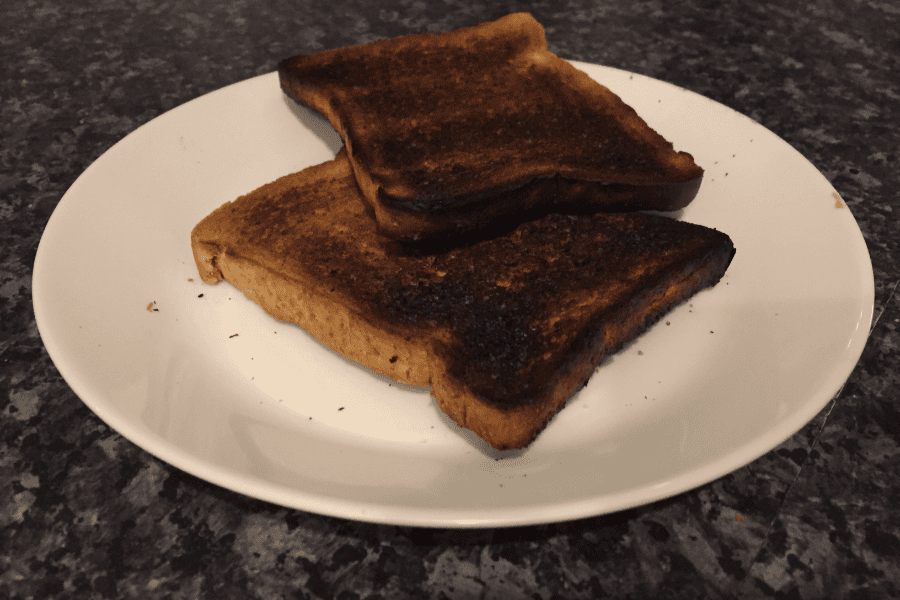
Picture this - The roti on the tawa turns black while you take a phone call. Your uncle’s tandoori chicken has those signature charred edges everyone loves. The toast comes out darker than you planned.
And someone at the table says: “Burnt food causes cancer, you know.”
It’s a statement you’ve probably heard more than once. But how much of it is fact, and how much is fear? Does burnt food cause cancer in real life, or is this one of those warnings that sounds scarier than the science supports?
Let’s look at what research actually tells us – without the panic.
The worry around burnt food and cancer is not new. It comes from real chemistry that happens every time food is overcooked.
When food is cooked at very high temperatures, certain chemical compounds form. These compounds have been shown to cause DNA damage in animal studies. Because DNA damage is one of the early steps in how cancer develops, the connection drew worldwide attention.
Headlines amplified this, and the idea that burnt food causes cancer became a common kitchen warning. But the full story is more nuanced than a single statement can capture.
Let’s first understand how food gets charred in the first place.
Charring happens when food is exposed to temperatures above 120°C for extended periods. Common methods that reach these temperatures include:
In Indian kitchens, tandoori cooking, direct-flame roasting of rotis, and deep-frying snacks like samosas and pakoras regularly expose food to these temperatures. This is why the question of whether eating burnt food cancer risk is real concerns many Indian families.
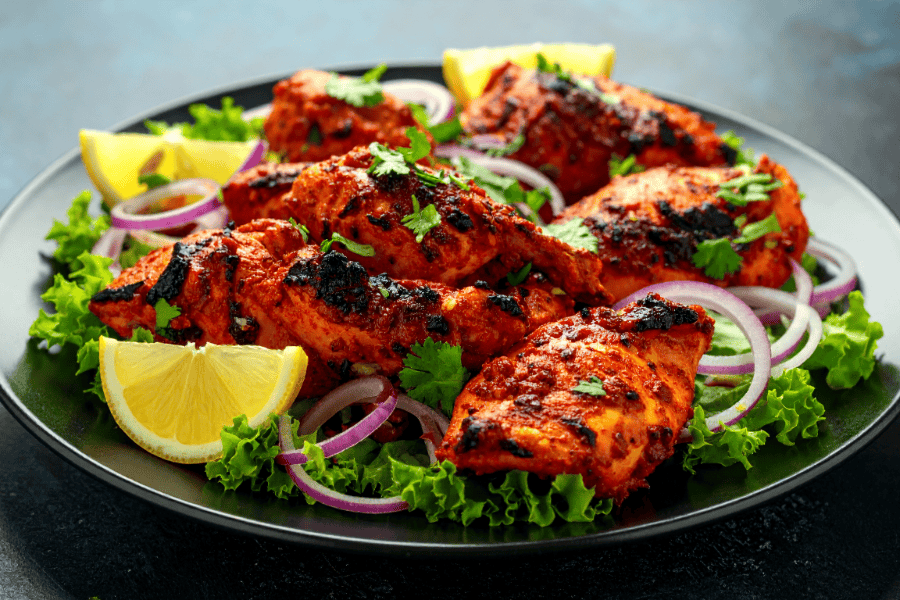
When starchy foods are overcooked, a chemical reaction called the Maillard reaction occurs. Natural sugars react with the amino acid asparagine, producing a compound called acrylamide.
When meat is charred, different compounds form: heterocyclic amines (HCAs) and polycyclic aromatic hydrocarbons (PAHs). These appear when proteins and fats are exposed to very high heat or direct flames.
All three compounds – acrylamide, HCAs, and PAHs – have been linked to DNA mutations in laboratory settings. This is why the question “can charred food cause cancer?” keeps coming up in health conversations.
In animal studies, acrylamide has caused cancer, but at doses 1,000 to 100,000 times higher than what humans typically consume through food.
So, what causes cancer? The International Agency for Research on Cancer (IARC) classifies acrylamide as a Group 2A carcinogen, meaning “probably carcinogenic to humans” based on animal data.
However, human studies paint a different picture. A systematic review of 63 epidemiological studies found no consistent link between dietary acrylamide and increased cancer risk.
So, can you get cancer from eating burnt food? The honest answer: eating occasional charred food is very unlikely to cause cancer on its own. The risk comes from repeated, heavy exposure over many years – and even then, the evidence in humans remains inconclusive.
This is why saying eating burnt food causes cancer as a blanket statement is misleading. The actual cancer risk factors that carry far stronger evidence include tobacco use, excessive alcohol, obesity, and physical inactivity.
When people ask how much burnt food cause cancer, the answer is that no specific threshold has been established for humans. Risk depends on the totality of your diet, cooking habits, and individual health profile.
Many believe that burnt food causes cancer the way tobacco does, but that comparison is inaccurate. The strength of evidence is vastly different. Saying eating burnt food causes cancer oversimplifies a complex picture where many lifestyle factors interact.
While the overall risk from dietary exposure is small, the compounds themselves are worth understanding:
These compounds can contribute to chronic inflammation and oxidative stress in the body. Over time, this environment can support abnormal cell growth.
However, context matters. Can charred food cause cancer at the levels most people eat? Current evidence says the risk is very low compared to established cancer risk factors like tobacco and alcohol.
Does charred food cause cancer in the same way smoking does? Absolutely not. Equating the two oversimplifies the science.
People sometimes wonder if burnt food causes cancer because of the visible blackening. But colour alone is not a reliable indicator of danger – the type of food, the compound formed, and how often you eat it all matter more.
For a deeper look at how food choices influence risk, our guide on cancer and food habits offers useful perspective.
Even though the risk is low, simple cooking changes can reduce your exposure to harmful compounds. Think of this as part of good nutrition and cancer awareness.
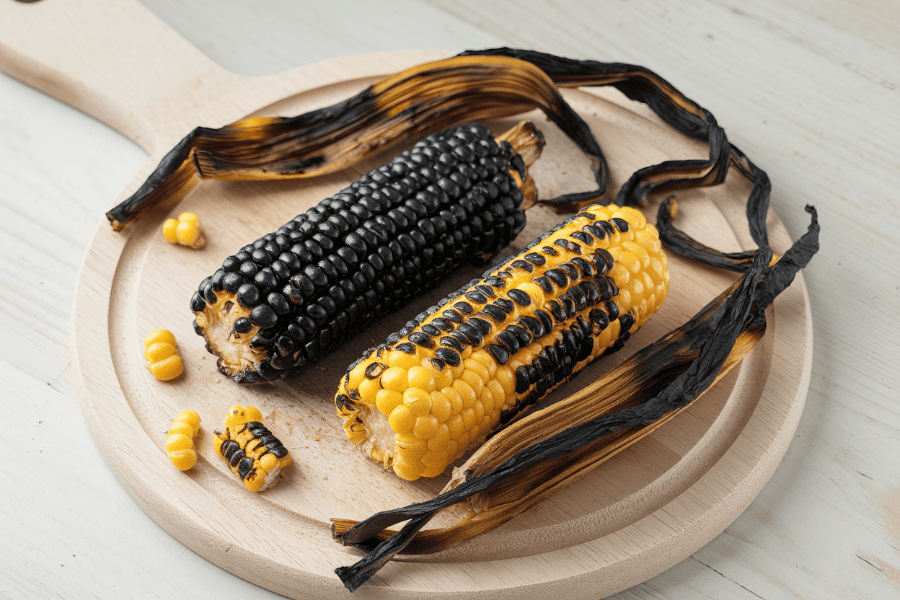
Cook food to a golden colour, not dark brown or black. Remove heavily charred portions of meat before eating. When making rotis or naan, aim for light spots rather than blackened surfaces.
Steaming, boiling, stewing, and pressure cooking produce far less acrylamide and HCAs than frying or grilling. Baking at moderate temperatures is also a good alternative.
Marinating meat in lemon juice, vinegar, or yoghurt-based marinades before cooking can reduce HCA formation by up to 90%, according to some studies. Adding herbs like rosemary and thyme also helps.
The best protection is a well-rounded diet. Focus on fresh fruits, vegetables, whole grains, and legumes. These provide antioxidants that help counteract oxidative damage.
When thinking about cancer foods to avoid, heavily processed and repeatedly charred foods are worth limiting, but they are just one piece of a larger picture.
If the question of eating burnt food cancer risk worries you, an oncology nutrition expert can help build a personalised eating plan that fits your lifestyle.
Does burnt food cause cancer? Not in the way most people fear.
The compounds in charred food are real. Their ability to damage DNA in laboratory conditions is documented. But the doses used in animal studies are thousands of times higher than what any human consumes through normal eating.
Human epidemiological studies have not found consistent evidence that burnt food causes cancer at typical dietary levels. The occasional charred roti or barbecued kebab is not a health emergency.
What matters far more is the big picture. Can you get cancer from eating burnt food every single day while also smoking, skipping vegetables, and ignoring screenings? That combination raises risk. One burnt toast does not.
The belief that burnt food causes cancer as a direct, proven fact is a myth. But choosing to cook more carefully is still wise – not out of fear, but as a simple, sensible habit.
Cook to golden, not black. Eat your greens. Move your body. And if you have concerns about foods that can cause cancer or want help with your diet, speak with a specialist.
Talk to an oncology nutrition expert at Everhope for personalised dietary guidance.