+918929672099
Call Us
Colon Cancer Diet: Nutritional Tips, Top Foods & Meal Plans
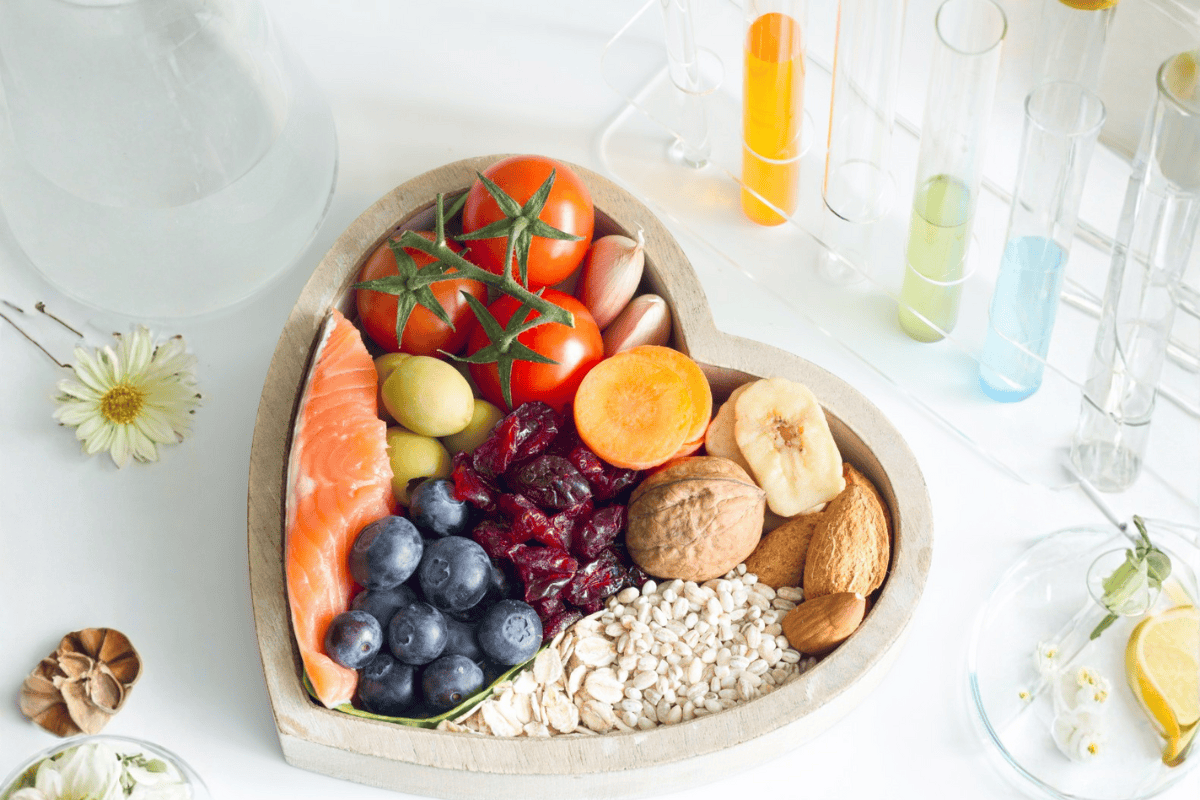
What you eat matters more than you might think, especially when facing colon cancer. Every bite you take can either support your body's fight or make things harder for you.
Your colon is a key part of your digestive system, supporting bowel movements and nutrient absorption. When cancer affects this vital organ, your entire digestive process can be disrupted.
This means you need to be extra careful about what goes on your plate. The right foods strengthen your system, while the wrong ones can trigger inflammation and slow your recovery.
But how do you decide which foods are right to eat?
That's where this colon cancer diet guide comes in. We'll walk you through the best food for colon cancer patient and what to avoid to keep your body nourished during this challenging time.
Why does diet matter for colon cancer patients?
Your food choices and colon cancer nutrition help your body withstand chemotherapy, heal properly after surgery, and rebuild strength between treatments. While food matters a lot, you can't eat everything freely. Some foods are active supporters, while others may work against you.
Eating well through treatment is hard. Get a personalised onco-nutrition plan from Everhope's dietitians.
Role of fibre, red meat, microbiome, weight, and alcohol in a diet plan for colon cancer patients
Understanding the link between cancer and food habits is crucial for making informed dietary choices. Here's what one needs to know before creating a colon cancer prevention diet:
- •Fibre keeps your digestive system moving and feeds beneficial gut bacteria that support immune function.
- •Red meat and processed meats contain compounds that can increase inflammation and burden your digestive system.
- •Your microbiome (gut bacteria balance) shifts based on what you eat, affecting everything from nutrient absorption to treatment response.
- •Some foods add to body weight, which further affects how well you tolerate treatment and your overall prognosis.
- •Alcohol can interfere with healing, weaken your immune system, and impact treatment effectiveness.
Foods good for colon cancer: What you should include in your diet?
A colorectal cancer diet should focus on foods that are easy to digest, nutrient-rich, and gentle on your stomach. Here are some colon cancer foods to eat:
1. Fibre-rich grains and legumes
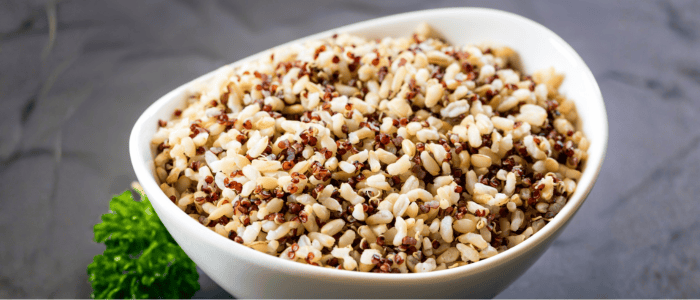
Whole grains are the best food for colon cancer, offering fibre and energy. Choose brown rice, quinoa, whole wheat bread, and oatmeal. These foods move smoothly through your system and support digestive health.
Moreover, legumes like lentils, chickpeas, and black beans pack a double punch. They provide plant-based protein that supports muscle strength during treatment, while their soluble fibre helps maintain healthy bowel movements. These are also among the foods that help prevent colon cancer.
2. Fruits and vegetables
Think of colourful produce as your body's repair kit, delivering vitamins, minerals, and protective compounds.
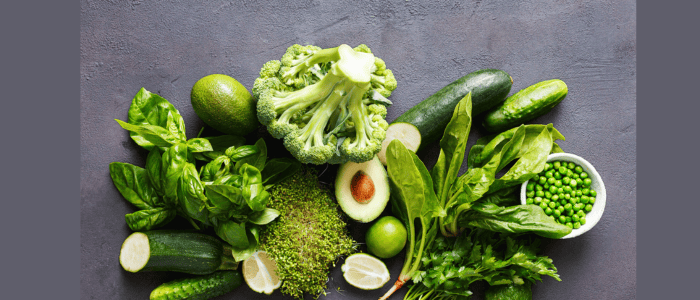
These foods to prevent cancer are also packed with different nutrients that your body needs. Try to include a variety of produce across your meals:
- •Leafy greens like spinach and kale deliver folate, which helps make new, healthy cells.
- •Berries contain antioxidants that reduce inflammation in your gut.
- •Broccoli and cauliflower have compounds that specifically support colon cell health.
- •Citrus fruits provide vitamin C to strengthen your body.
- •Carrots and sweet potatoes offer beta-carotene for immune support.
3. Lean proteins and fish
Your body needs protein to rebuild tissue damaged during treatment. Fatty fish like salmon and mackerel bring omega-3 fatty acids that actually calm inflammation in your gut rather than adding to it.
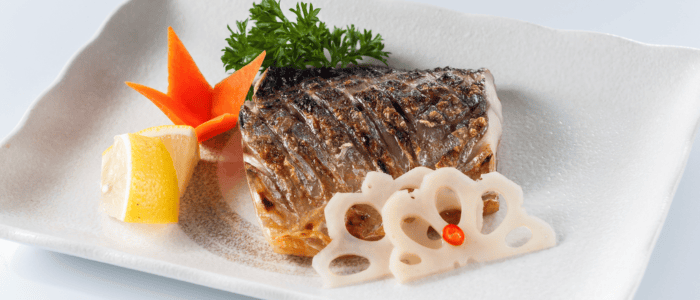
Chicken, turkey, and well-cooked eggs provide clean protein without the risks of red meat. However, if you're a vegetarian, you can choose tofu, tempeh, and beans to get protein.
4. Fermented foods and probiotics
Your gut contains trillions of bacteria that affect everything from digestion to immune function. During treatment, medications can often wipe out this good bacteria along with the bad.
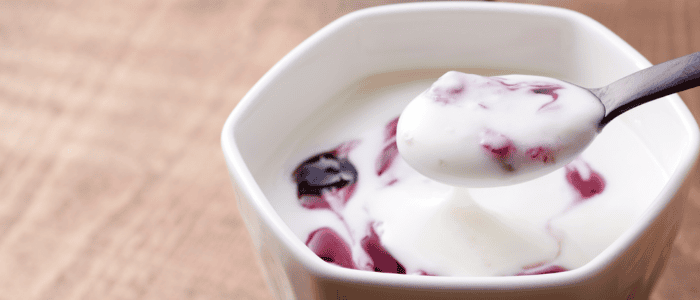
However, yogurt, kefir, buttermilk, miso, and sauerkraut in the diet for colon cancer patients can help add beneficial bacteria back to your body.
5. Healthy fats, nuts and seeds
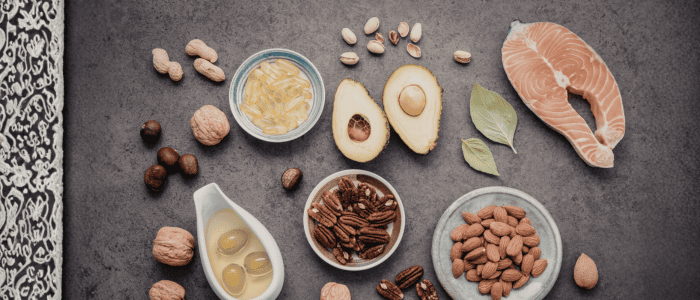
Not all fats are equal. Some of the right ones can actually help your body heal, such as:
- •Olive oil contains compounds that reduce inflammation in your digestive tract.
- •Avocados provide fats that help you absorb vitamins from other foods.
- •Nuts like almonds and walnuts offer healthy oils and protein in small packages.
- •Seeds such as chia, flax, and pumpkin bring omega-3s that calm inflammation.
Food for colon cancer patients to avoid: What you must not include in your diet?

Here are some foods in a diet to avoid colon cancer that make your journey harder:
1. Red and processed meats
Eliminate red meats like beef and pork, as well as processed meats like bacon and deli meats. These contain compounds that may irritate your colon and slow down healing. Processed meats also have preservatives that strain your digestive system during treatment.
2, Sugary and refined foods
Skip foods with added sugars and refined grains like white bread, pastries, and sugary drinks. They spike blood sugar and provide little nutrition. Furthermore, they can cause weight gain and inflammation that may interfere with treatment.
3. Alcohol and ultra-processed foods
Limit or avoid alcohol, as it damages your gut lining and weakens immunity. Ultra-processed foods like packaged snacks, frozen meals, and fast food also deserve a pass. They contain additives and unhealthy fats that stress your body when it needs support most.
Diet for colon cancer patients during treatment
Your appetite changes as you move through the different colorectal cancer treatment phases . What helps during one phase might not work for others. Here's what your colon cancer diet plan must focus on during each phase:
1. Before and after surgery
Before surgery, eat light, easily digestible foods to prepare your body. After surgery, start with liquids and gradually progress to soft foods as your care team suggests. Your digestive system needs time to heal, so smaller, frequent meals often work better than three large ones.
2. During chemotherapy
Chemotherapy often causes nausea, taste changes, and low appetite. So, eat light, bland, and easy-to-digest food for colon cancer, like rice, crackers, and toast on these days. They often sit better and help you maintain your energy without upsetting your stomach.
As you progress through treatment, your diet after chemotherapy will gradually shift to include more nutrient-dense foods to help rebuild strength.
3.. During radiation
Radiation to your abdomen may cause diarrhea and digestive discomfort. At this time, stick to low-fibre foods temporarily to reduce bowel movements. Moreover, stay hydrated to help your body flush out toxins and manage side effects.
Water and cancer recovery are closely linked, as proper hydration supports your body's healing process and makes managing symptoms easier.
4. Post-treatment recovery
Your diet after colon cancer treatment should focus on helping your body recover and regain energy with lean proteins, nutrient-dense vegetables, and easy-to-digest whole grains.
As your appetite gradually returns, focus on slow eating and adjust portion sizes based on how your body feels, to prevent discomfort as you return to normalcy.
Sample diet for colon cancer patients
Early morning
- Warm water (plain or with a few drops of lemon, if tolerated)
Breakfast
- •Oatmeal or soft-cooked porridge (made with water or almond milk)
- •Topped with banana or blueberries
- •1 small bowl of probiotic yogurt or kefir
Mid-morning
- Papaya or pear slices
Lunch
- •Quinoa or brown rice (soft-cooked)
- •Steamed spinach/broccoli + carrots
- •Grilled salmon or baked chicken (or tofu/lentils for vegetarians)
- •1 tsp olive oil drizzle for healthy fats
Evening snack
- •A handful of soaked almonds or walnuts
- •Buttermilk or kefir (optional)
Dinner
- 1. Whole wheat roti or soft mashed sweet potato
- 2. Lightly sautéed zucchini or carrots
- 3. Boiled lentils or grilled fish/tofu
Before bed (optional)
- Warm chamomile or ginger tea (if tolerated)
Building a diet that supports your healing
During treatment, your body works overtime to fight cancer, recover, and manage side effects. Following a proper colon cancer diet rich in whole grains, fruits and veggies, and lean proteins offers you the strength and comfort you need.
Remember that every person's needs are different. What works for someone else might not work perfectly for you. Ask your care team to create a personalised diet plan that fits your appetite and lifestyle.
At Everhope, our oncology nutrition team understands the challenges cancer brings, especially around food and nutrition. We work with you to create treatment plans that fit your life.
Get in touch with us to learn how we can support you and improve your treatment journey.
FAQs on diet and colon cancer
Is dairy safe in a colon cancer diet?
Yes, dairy products are safe and may even be helpful for colon cancer patients. Choose low-fat foods that fight colon cancers, such as reduced-fat milk, yogurt, and cheese, which provide calcium without excess saturated fat.
Related Blogs
Nutrition5 min read
Creatine and Glutamine: A Clear Guide for Cancer Nutrition and Recovery
Dr. Vrundali Kannoth