Nutrition5 min read
Spirulina Biotic Powder: Benefits, Nutrition Facts and Its Role in Cancer Nutrition
Dr. Vrundali Kannoth
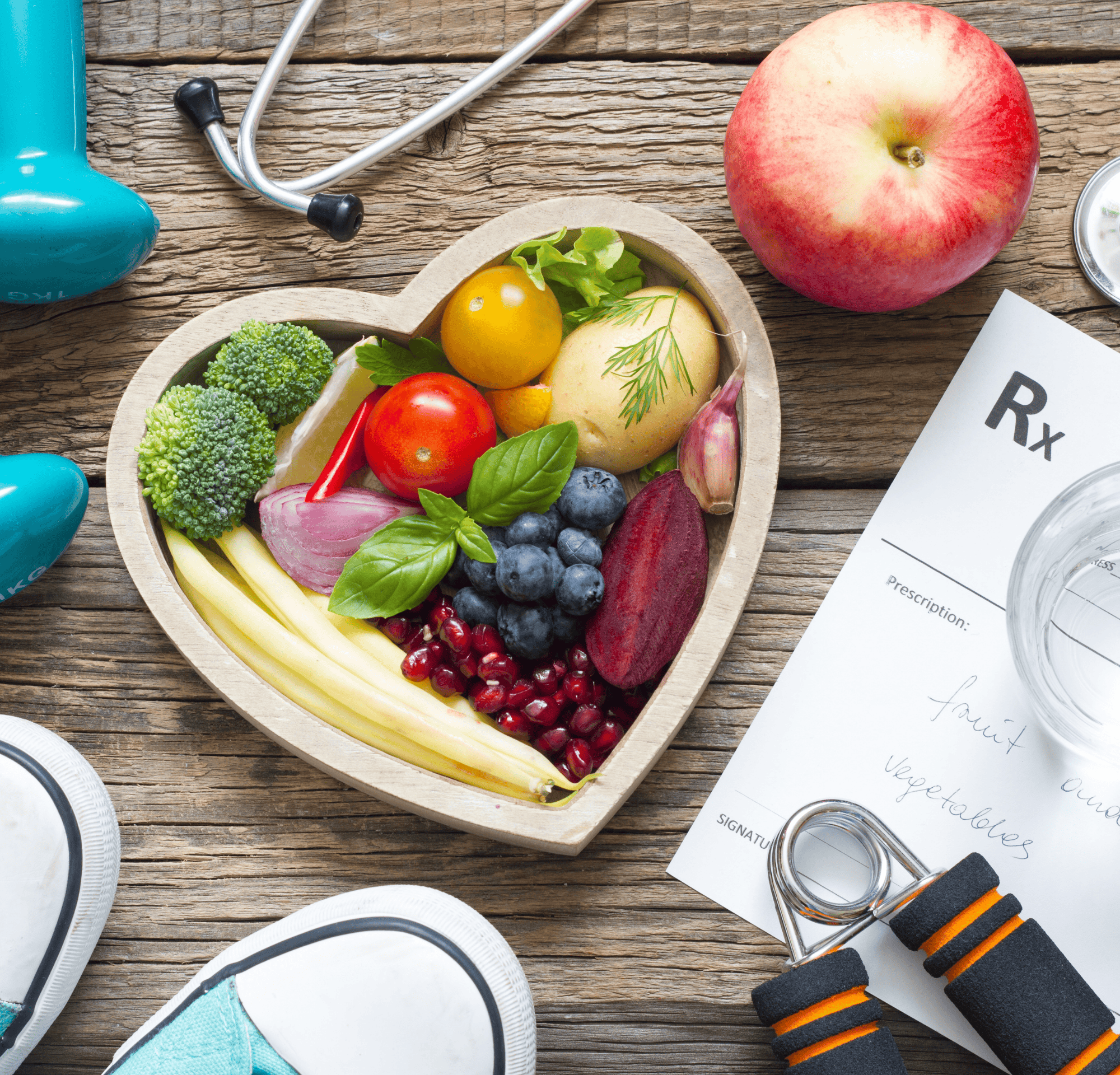
Most of us move through daily life on autopilot, eating what’s convenient, sitting through long work hours, sleeping when we can. These routines feel normal as a part of modern living.
But it can feel unfamiliar when you realise how these everyday habits may increase cancer risk.
Chronic stress, obesity, high insulin levels, and DNA damage, all associated with lifestyle choices, can create conditions that allow cancer cells to grow more rapidly.
But the good news is that nearly 40% of all cancer cases and 44% of cancer deaths are linked to things we control and can actually change.
In this article, we’ll focus on those changes that influence your lifestyle and cancer, and what practical steps you can take to lower them.
To understand how habits influence health, we have to look at what's happening inside your body. Your body is constantly working to repair damage, but certain lifestyle and cancer triggers can make that job much harder.
If your body is filled with inflammation, high blood sugar, and stress hormones, cancer cells find it much easier to grow. When we talk about lifestyle and cancer, we are looking at four main sources:
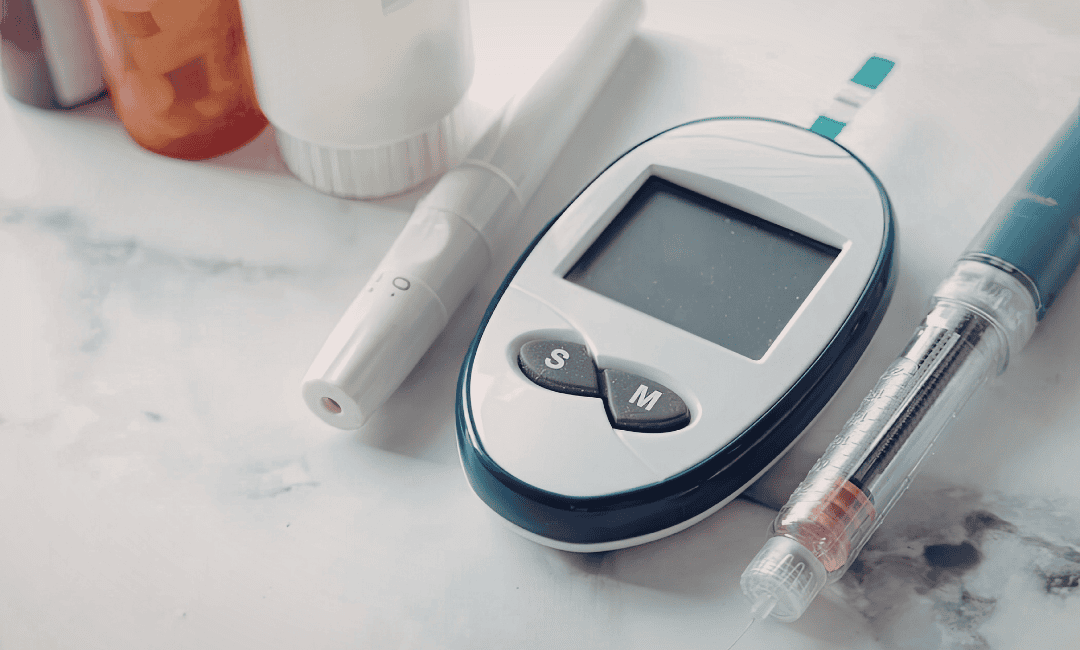
A few major cancer lifestyle factors contribute to changing your biology over time. These are:
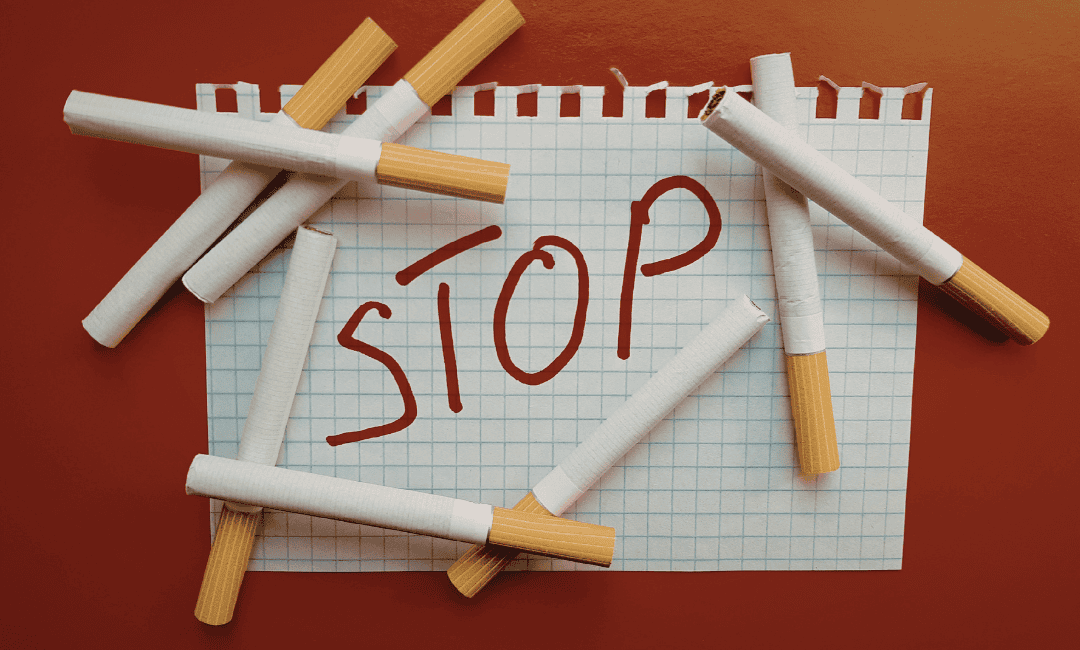
Tobacco remains the single most preventable cause of cancer. It delivers over 70 known carcinogens to your lungs and bloodstream.
Scientists use a term called "pack-years" (smoking 20 cigarettes a day for a year) to measure risk. Every single pack-year increases your risk of cancer by nearly 1%.
Alcohol is a Group 1 carcinogen, right up there with tobacco cancer. When you drink, your body turns alcohol into acetaldehyde, a toxin that damages your DNA and prevents your cells from repairing that damage.
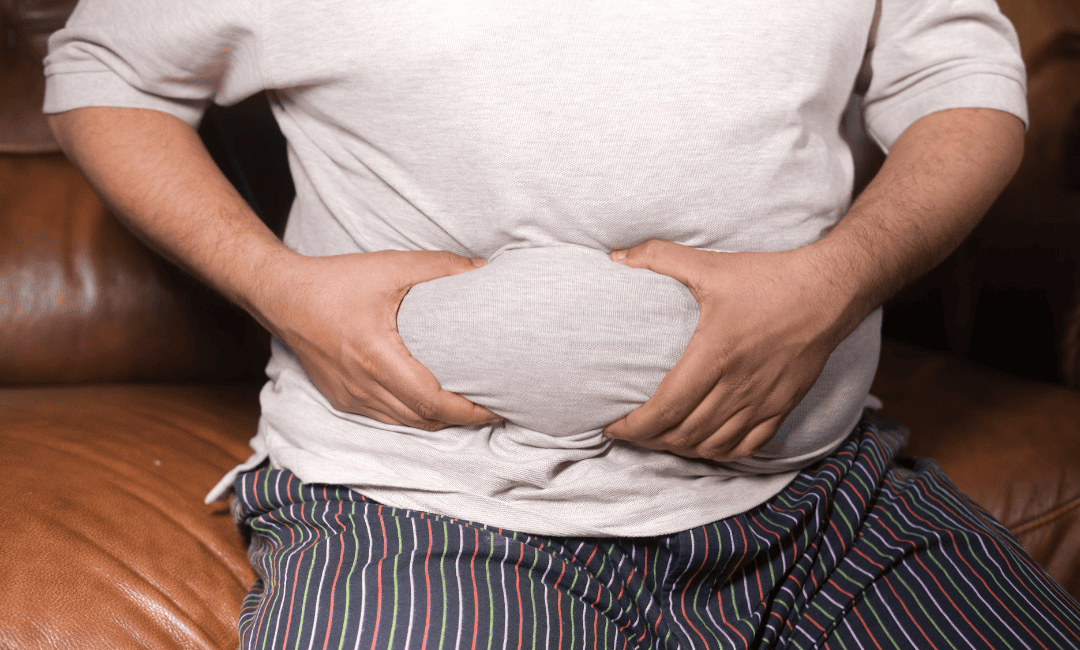
After tobacco, what causes cancer most is obesity. It’s a risk factor for lifestyle and cancer, but, more than the number on the scale, it’s about how fat tissue behaves.
In an obese state, fat cells release inflammatory signals and hormones like estrogen and leptin, which can drive tumour growth.
If you’re sedentary most of the time, your behaviour is now recognised as its own cancer risk factor.
Even if you hit the gym for an hour, sitting for the other 23 hours can lead to slow gut transit and metabolic dysfunction, specifically increasing the risk of colon and endometrial cancers.
When you’re chronically stressed, your body stays in a prolonged state of alertness and releases higher levels of cortisol. This hormone can obstruct "p53," which helps repair damaged DNA.
When p53 is suppressed, your body’s natural defence system is weakened.
Similarly, poor sleep disrupts melatonin. This hinders the mechanism of other hormones that keep your immune system aware.
Not all risk comes from personal habits. In South Asia, studies show higher cancer risk linked to:
It is the question everyone asks: Can healthy lifestyle prevent cancer?
The answer is yes, but with an important distinction between reduction and total elimination.
While current research suggests that cancer risk can be reduced, a healthy life does not guarantee a cancer free lifestyle.
Genetics, ageing, infections, and environmental exposures still play roles.
Research is now also moving away from looking at cancer foods to avoid to overall dietary and lifestyle patterns.
It is your habits, what you eat, how you move, and how you sleep, that offer the strongest protection.
Small, consistent lifestyle and cancer shifts are more powerful than a week-long practice. Here is how to build a cancer free lifestyle through practical, daily actions.
The goal of balanced oncology nutrition is to move away from diets high in red meats and ultra-processed foods. Ensure to:
| Strategy | What to do | Why it matters for cancer prevention |
|---|---|---|
| Prioritize fiber | Aim for 30g of fibre daily from foods like beans, oats, lentils, vegetables, and whole grains | Fibre helps support healthy gut bacteria, reduces inflammation, and helps regulate insulin levels |
| The "whole" rule | Focus on whole grains, legumes, fruits, and colourful vegetables instead of refined or ultra-processed foods | Whole plant foods contain antioxidants and phytochemicals that can reduce the damage to your DNA |
| Limit processed meats | Reduce or avoid sausages, bacon, hot dogs, and deli meats | Processed meats are strongly linked to colorectal cancer |
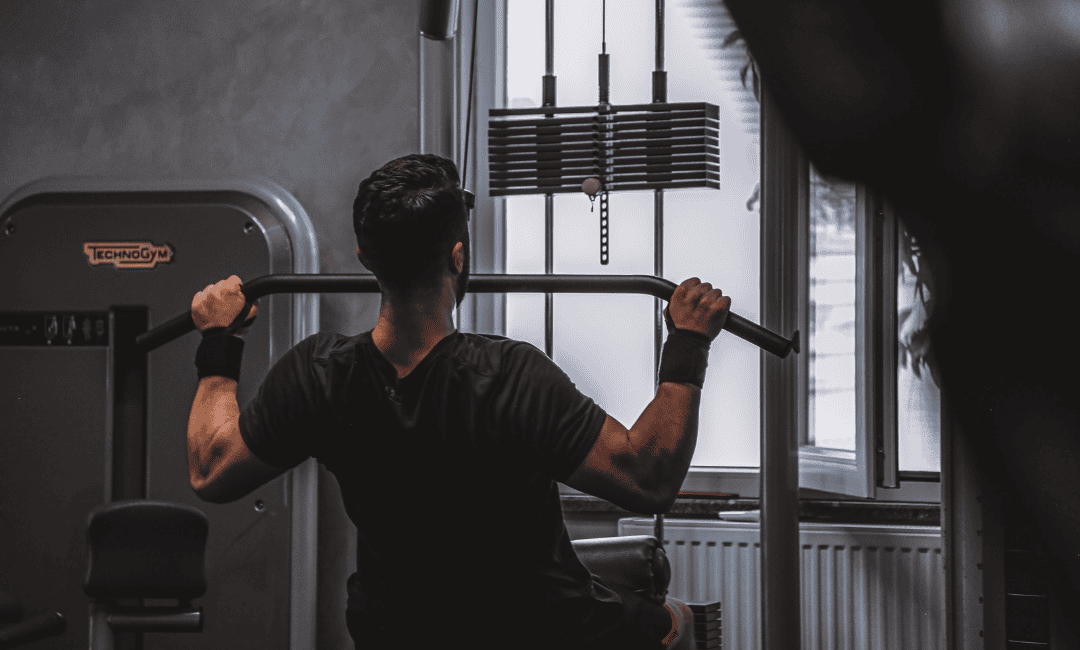
You don’t need to train for hours to see the benefits of exercise on cancer prevention. Do these instead:
Maintaining a healthy weight supports hormone balance and reduces chronic inflammation that promotes cancer. Small habits work best:
Weight stability over the years is more effective for a sustainable lifestyle than short-term weight loss.
Among all lifestyle changes to avoid cancer, these two have the strongest scientific backing.
Smoking causes cancer, and quitting at any age still remains one of the most powerful lifestyle changes to avoid cancer.
If you don't sleep (less than 5 hours), or if you sleep too much (more than 9 hours), your immune system can't do its job of finding and killing tiny cancer cells before they become a problem. A risk-reduced lifestyle includes:
These habits are also key lifestyle changes for cancer patients, helping improve treatment tolerance and quality of life.
If you or a loved one is already navigating a diagnosis, lifestyle changes for cancer patients remain incredibly relevant. An anti cancer lifestyle during and after treatment can:
Lifestyle and cancer prevention begin with awareness and small, sustainable choices that support your body’s natural defences. By improving nutrition, movement, sleep, and stress balance, you can meaningfully lower risk and strengthen long-term resilience against disease.
While no approach guarantees complete prevention, consistent healthy habits shift the odds in your favour. If you’re already diagnosed, you can still benefit from lifestyle choices to prevent cancer and receive personalised cancer treatment for care and recovery.
Yes. Creating a healthy internal environment through movement and nutrition helps your body stay resilient. Habits can improve treatment outcomes and significantly lower the chance of cancer returning.
Approximately 40% of all cancer cases and 44% of cancer deaths are tied to modifiable behaviours like tobacco use, diet, and physical inactivity.
It is never too late to start. Whether you are 20 or 70, improving your habits helps lower inflammation and supports DNA repair.