Nutrition5 min read
Spirulina Biotic Powder: Benefits, Nutrition Facts and Its Role in Cancer Nutrition
Dr. Vrundali Kannoth
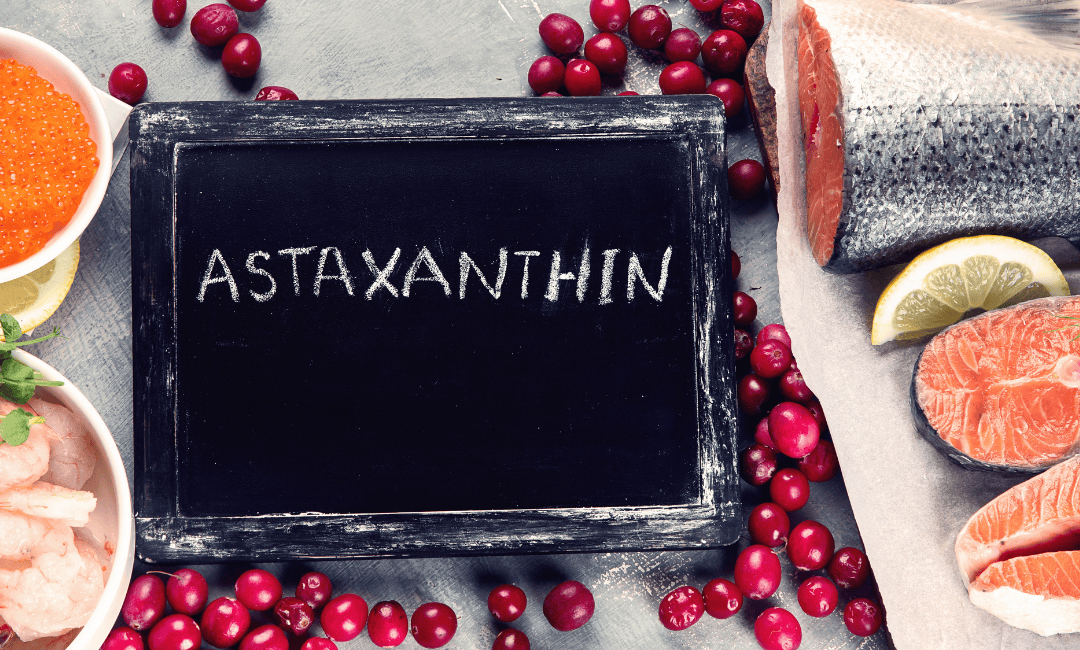
Astaxanthin is a red-orange nutrient found in microalgae and marine foods like salmon, krill, and shrimp. It is often used for antioxidant support, which may help the body respond to oxidative stress.
Because oxidative stress is often discussed in cancer care, astaxanthin may come up in supportive nutrition conversations. However, for people with cancer, choosing supplements can feel confusing.
Caregivers may also want clear, steady guidance before adding anything new to a daily routine.
Astaxanthin is not a cancer treatment or a replacement for medical care. Its use should be guided by the person’s treatment plan, medications, and oncologist’s advice.
This guide explains its potential benefits, uses, dosage, side effects, safety points, and proper storage.
Astaxanthin uses are available at the Everhope store — reviewed for use during cancer care.
Astaxanthin is a red-orange carotenoid pigment found in certain algae, yeast, and marine animals.
It belongs to the xanthophyll group of carotenoids. This group includes pigments that help give many plants, algae, and marine foods their natural colour. Its structure allows it to interact with cell membranes, which is one reason researchers study it for oxidative stress and lipid-rich tissues.
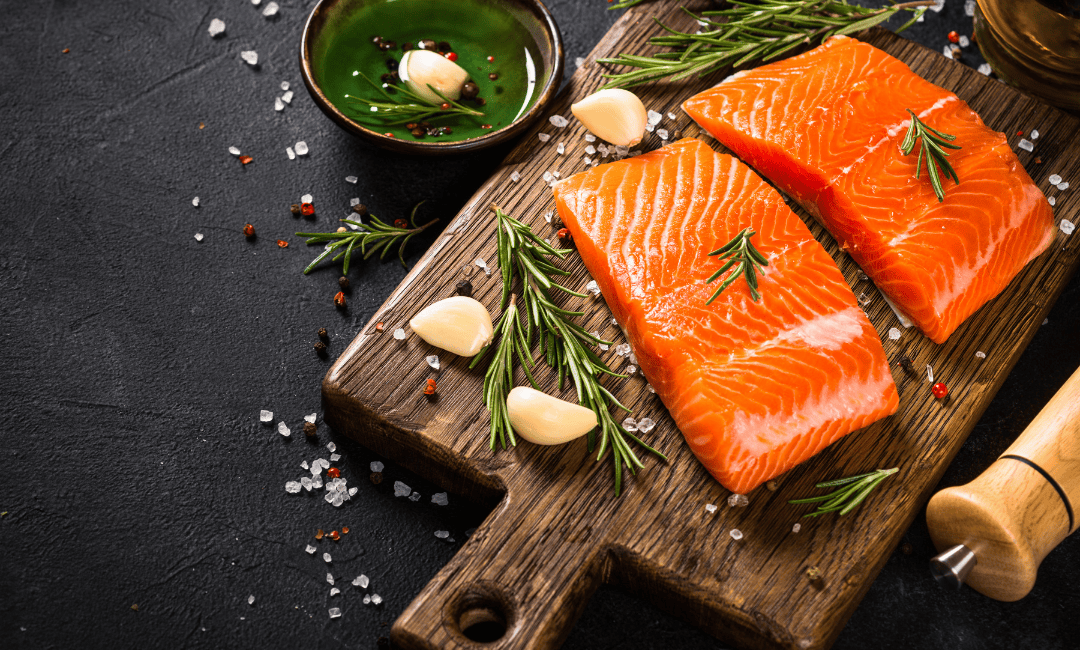
Astaxanthin gives some seafood its natural pink-red colour, including:
Its commercial forms may come from Haematococcus, Phaffia yeast, or chemical synthesis. Additionally, Health Canada lists Haematococcus pluvialis extract as a medicinal ingredient used in natural health products.
Important note: The carotenoid pigment is fat-soluble, meaning the body absorbs it better with dietary fat. This is why many supplements containing it are suggested to be taken with a meal, rather than on an empty stomach.
Common astaxanthin uses include antioxidant support, skin health, eye comfort and exercise recovery. Some studies back these uses, though research is still developing.
A 2024 meta-analysis reviewed seven human studies with 280 adults and assessed inflammatory biomarkers over four weeks to three months. It found that the nutrient may help reduce some oxidative stress and inflammation markers, including MDA and TNF-α.
Potential benefits of the nutrient include the following:
Astaxanthin benefits are mostly linked to antioxidant activity. Antioxidants interact with free radicals and help limit oxidative damage.
Among antioxidant supplements, the nutrient is often discussed because it is fat-soluble and active in lipid-rich tissues.
Health Canada includes Haematococcus pluvialis extract uses for skin health, skin hydration, elasticity, texture, and ocular health within specified product contexts.

It should be used as part of a wider care plan, not as a replacement for medical care.
Astaxanthin may support recovery from physical stress linked to exercise. Some research also explores its role in inflammation, but it should not be presented as a treatment for inflammatory disease.
Research quality varies across studies. Many are small, use different doses, and measure different outcomes.
Researchers are also studying this carotenoid for areas beyond skin, eyes, and exercise recovery. These findings are useful, but they should stay separate from cancer treatment claims.
In a small randomised study of adults with mild hyperlipidaemia, supplementation was linked with changes in triglycerides, HDL cholesterol and adiponectin. This points to possible cardiometabolic benefits, but more research is still needed.

Cognitive health has also been explored. A randomised, double-blind, placebo-controlled study in healthy older adults suggested that an extract from Haematococcus pluvialis may support some cognitive function measures over 12 weeks.
The supplement should be discussed in the context of supportive nutrition, not treatment. Like other supplements, it cannot be used to treat cancer, control tumour growth, or replace prescribed care.
Its possible supportive role is mainly linked to its antioxidant activity. Oxidative stress and inflammation are common during cancer care, and researchers are studying whether antioxidants may help manage treatment-related oxidative stress.
The National Cancer Institute notes that antioxidants neutralise free radicals, but supplement use during cancer treatment remains complex.
A 2024 randomised trial studied 42 people with head and neck cancer receiving cisplatin. It found that 4 mg twice daily for 21 days:
These findings are early. They do not prove that it helps with tumour response, treatment tolerance, or cancer survival.
The National Cancer Institute’s PDQ also states that antioxidant dietary supplements taken during chemotherapy or radiation therapy may lower the chance of staying cancer-free in some settings.
Overall, the link between the immune system and cancer is nuanced, so supplement decisions need individual guidance. Supplement intake and cancer care should always be discussed with an oncologist.
As a supplement, the carotenoid usually comes as a softgel, capsule, algae extract, or krill oil formula. It may also be available as a tablet, powder, oil, or extract.
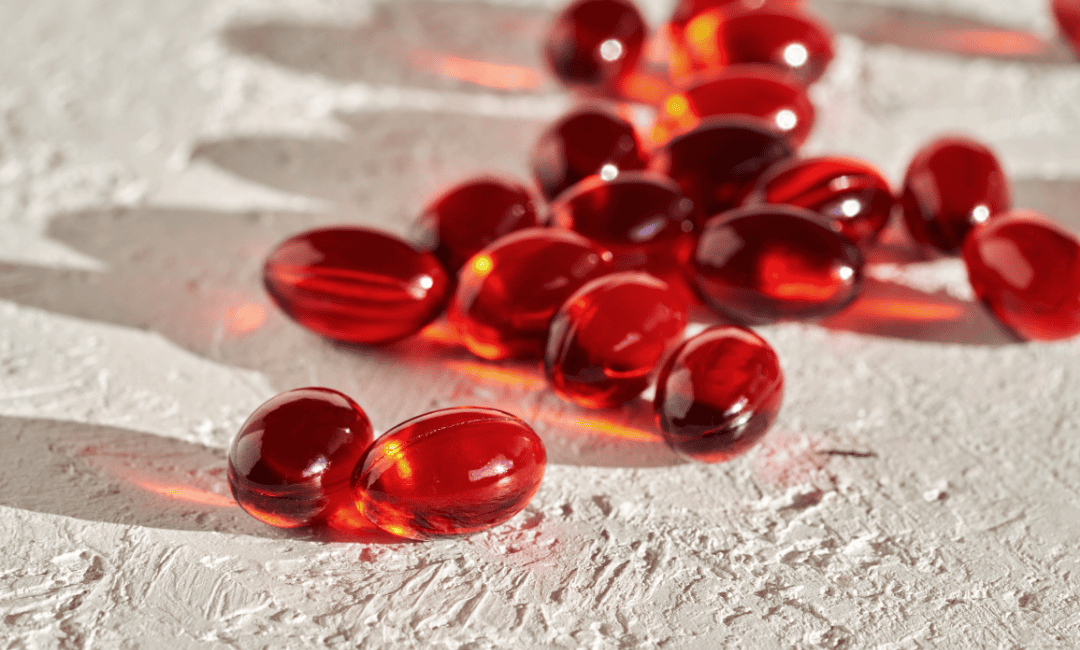
Food sources can support general nutrition. Supplements provide a measured intake, so the product label matters.
The label can also show whether the formula uses algae extract, krill oil, or added carrier oils. Check the dose and capsule ingredients before use.
This is especially important during cancer treatment.
People exploring oxidative stress support may also compare the nutrient with coenzyme Q10, selenium, and lycopene supplement options. These nutrients are different, so they should not be treated as direct substitutes.
Important note: Anyone with seafood, algae, or capsule-ingredient allergies should review the label before use.
The dosage varies by product, reason for use, and health status. EFSA concluded that 8 mg per day from food supplements is safe for adults.
Other studies often use different doses. The 2024 meta-analysis mentioned above also included studies using 4 mg to 20 mg daily, depending on the study design and outcome measured.
General use guidance includes:
The best time to take astaxanthin is usually with a main meal. There is no strong evidence that morning or evening is better, so consistency matters more than timing.
Simply knowing how to take astaxanthin is not enough. The dose, timing, and form should also match the reason for using it.

PeachX Ubiquix Ubiquinol 300mg + Astaxanthin (30 Capsules)
300mg ubiquinol with astaxanthin
₹2,240₹2,799
Astaxanthin appears to be generally well tolerated in healthy adults when used at common supplemental doses.
During cancer care, safety depends on the treatment type, dose, timing, and current medicines. Antioxidant supplements may not be suitable during chemotherapy or radiotherapy without oncology guidance.
Speak to a licensed healthcare professional before use if any of these apply:
No supplement should replace prescribed medicines, nutritional therapy or oncology care.
Side effects are usually mild when they occur. Reported effects may include increased bowel movements, red stool colour and stomach pain, especially at higher intakes.
Stop use and seek medical advice if symptoms feel persistent, unusual, or allergic in nature.
Before starting astaxanthin, keep the product available for review and note any allergy warnings. It may also help to write down why it is being considered, such as antioxidant support, skin health, eye comfort or general wellness.
If cancer treatment is ongoing, bring the supplement to the next oncology appointment. The oncology team can check whether it fits the person’s medicines, treatment schedule and nutritional needs.
Start only after the oncology team has reviewed it, especially during chemotherapy, radiotherapy, immunotherapy or targeted therapy. The safest choice is always one that fits the person’s treatment plan, current medicines, and day-to-day tolerance.
This is where professional nutrition guidance can make supplement decisions clearer and safer. At Everhope Oncology, our experienced oncology nutritionists help patients and caregivers make informed supplement choices during cancer care.
Store supplements as directed on the product label. Keep them in a cool, dry place away from heat, light, and moisture.
Astaxanthin may support recovery by helping the body respond to exercise-related oxidative stress. The evidence is still developing, so view it as supportive nutrition.
Astaxanthin may appear in formulas with other antioxidants. During cancer care, combined supplement use should be reviewed by a licensed healthcare professional.
They support different body functions. The former is linked to cellular energy, while the latter is mainly used for antioxidant support.
Research studies usually assess astaxanthin effects after four to twelve weeks. Individual response can vary based on dose, diet, health status, and reason for use.